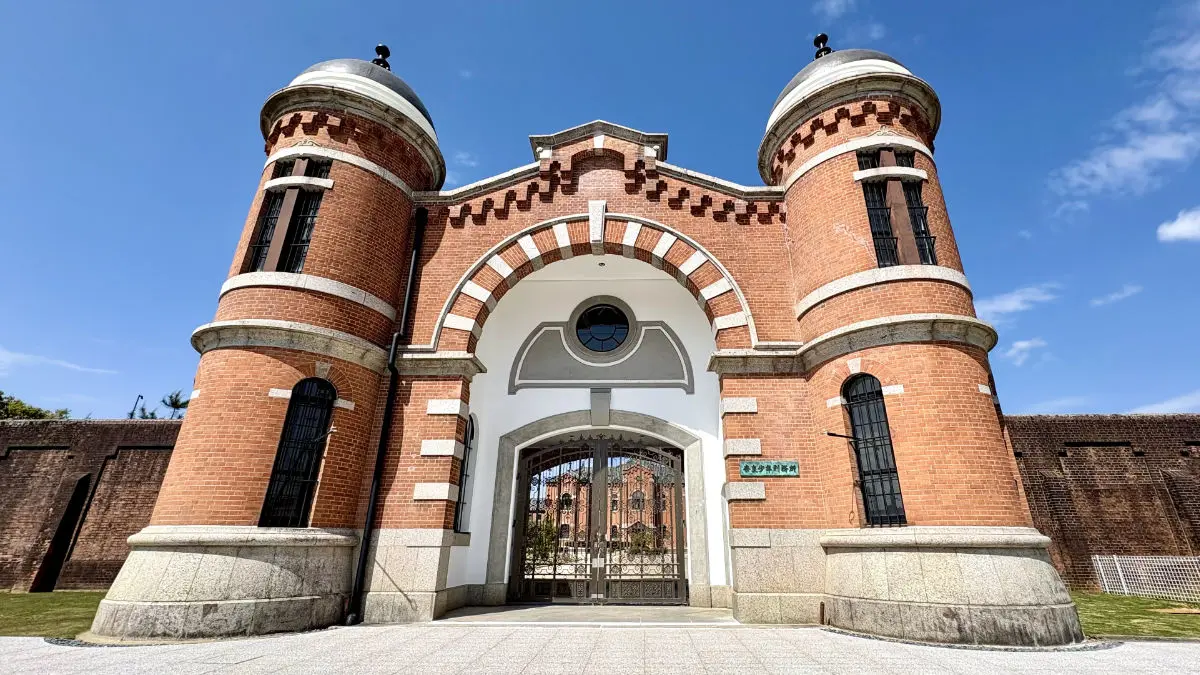
True to its concept, “A Beautiful Prison That Asks Questions,” the red-brick building constructed in the Meiji era (1908) is so stunning that you might forget it was ever a prison.
The Nara Prison Museum by Hoshino Resorts will open on April 27, 2026.
The museum is divided into four main viewing areas, each packed with exhibits that are truly overwhelming in volume.
During the press preview, the guided tour took about 80 minutes—but even that wasn’t nearly enough to fully explore everything. The sheer amount of information is incredible.
If you also want to enjoy the café and browse souvenirs, you’ll need at least 2 hours. Ideally, plan for around 3 hours.
Here’s a report on this exciting new sightseeing spot in Nara!
[Video] Nara Prison Museum in 40 Seconds!
What Can You Experience at the Nara Prison Museum?
In short:
See real prison cells and even step inside solitary confinement
Learn about prison architecture from the Meiji era
Understand how inmates lived in detail
View art inspired by prison themes
Experience inmates’ emotions through their paintings and haiku
Discover how the building was converted into exhibition spaces without damaging its Important Cultural Property status
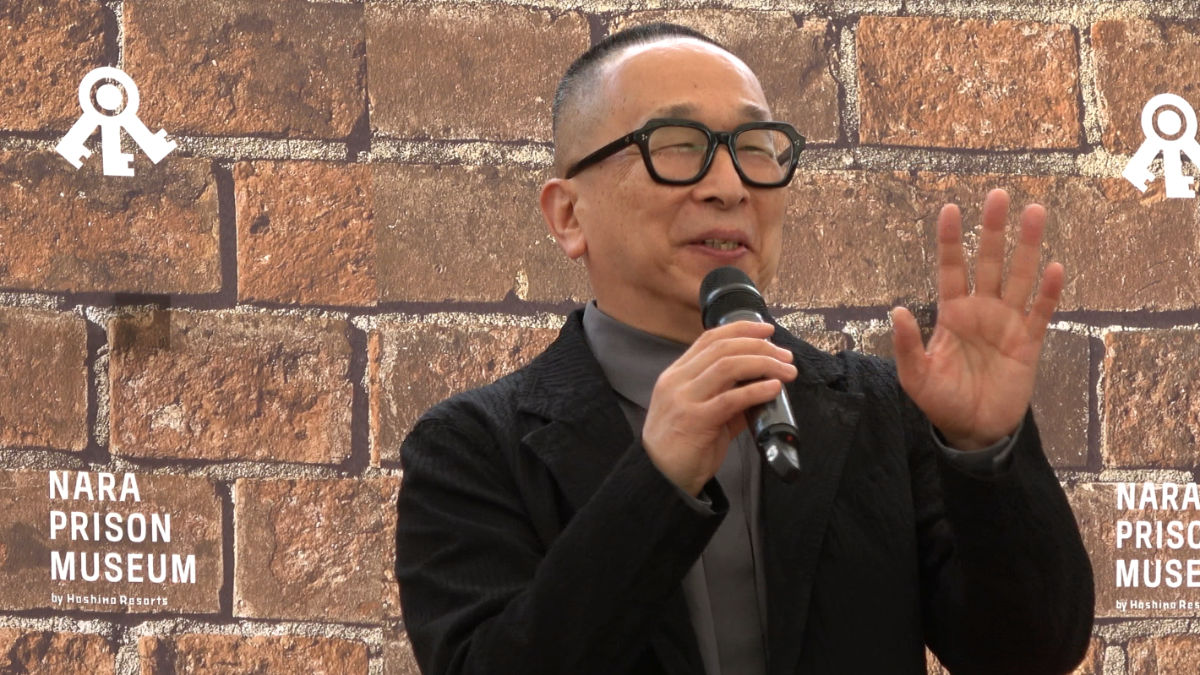
Art director Taku Sato described the appeal of this facility as an opportunity to “reconsider what we take for granted in everyday life.”
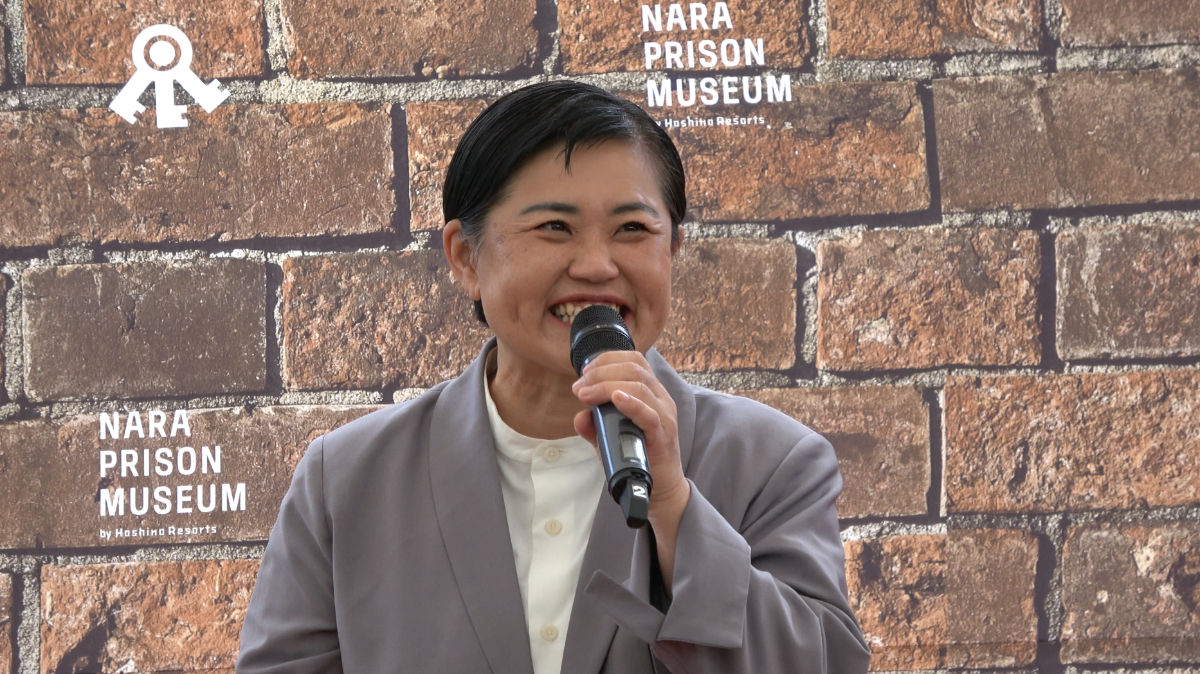
Museum director Yasoda stated that it is “a place to visit at turning points in life”—a place where you can reflect deeply when facing important decisions.
The museum aims for 300,000 visitors in its first year and hopes to reach 1 million annually within 10 years.
Nara Prison Museum Experience Report
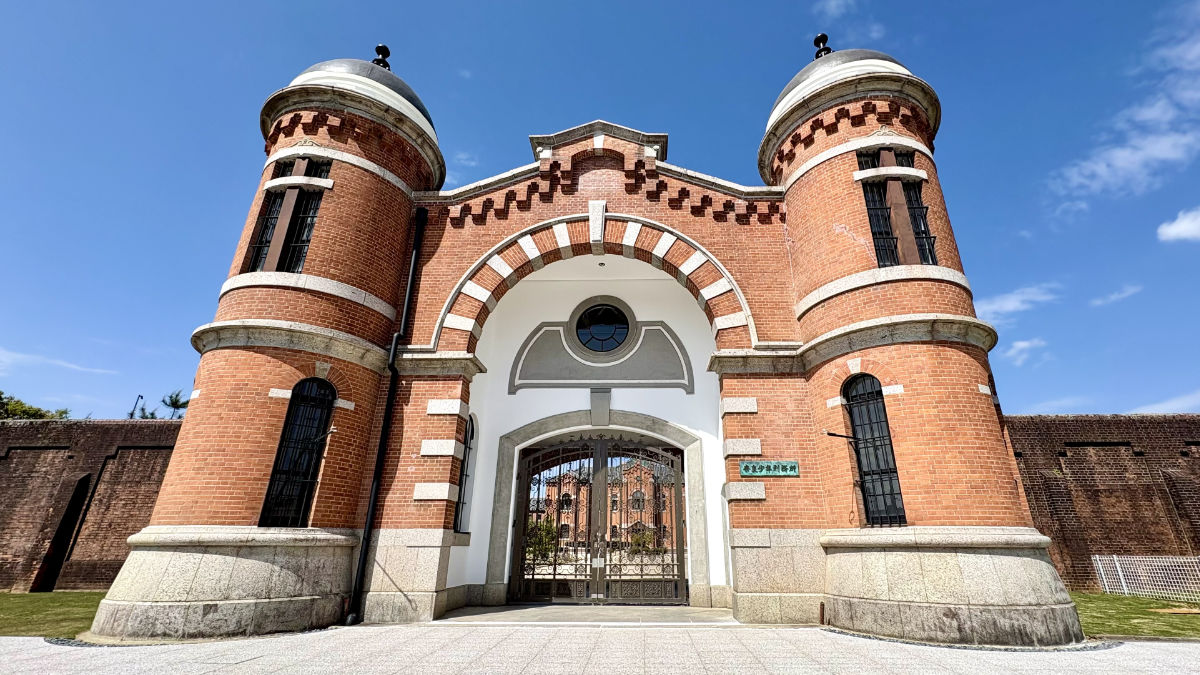
At the entrance, two red-brick buildings from the Meiji era stand side by side.
The surrounding brick walls and historic atmosphere are so beautiful that they captivate you instantly.
Located about 5 minutes by bus from Nara Park and Todai-ji Temple, the museum is accessible via direct buses from JR Nara Station and Kintetsu Nara Station.
The well-known gate you often see in photos is actually the entrance to “Hoshinoya Nara Prison” (a luxury hotel), not the museum itself.
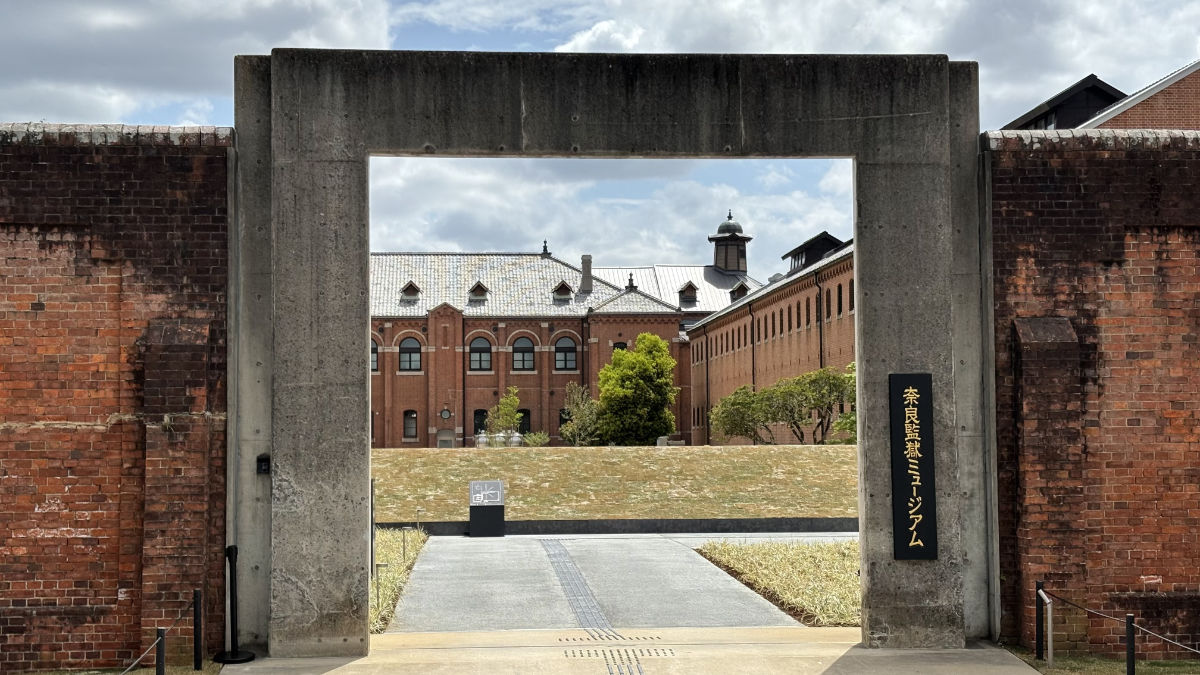
The museum entrance is located further along the wall.
It’s a modest, inconspicuous door—like the ones often seen in dramas where someone is released from prison.
This subtlety reinforces the feeling that you’re entering a unique and unusual place.
Limited Visibility at the Entrance
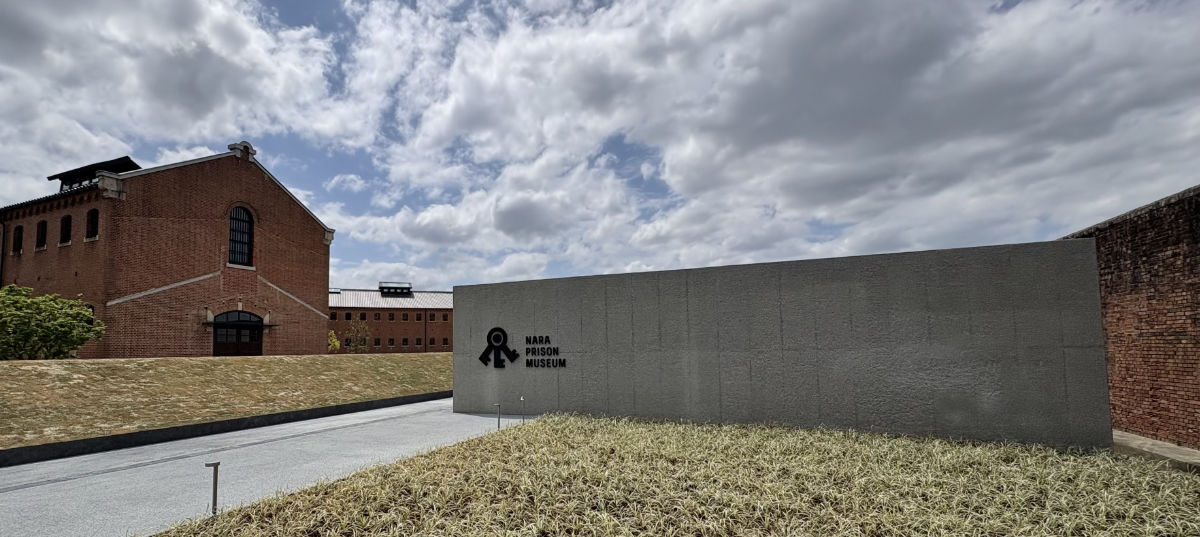
Inside the grounds, the entrance is surrounded by walls and small hills.
The narrow path and lack of visibility ahead create a slightly uneasy feeling—what lies beyond?
Beyond a wall with the museum’s logo is the entrance gate.
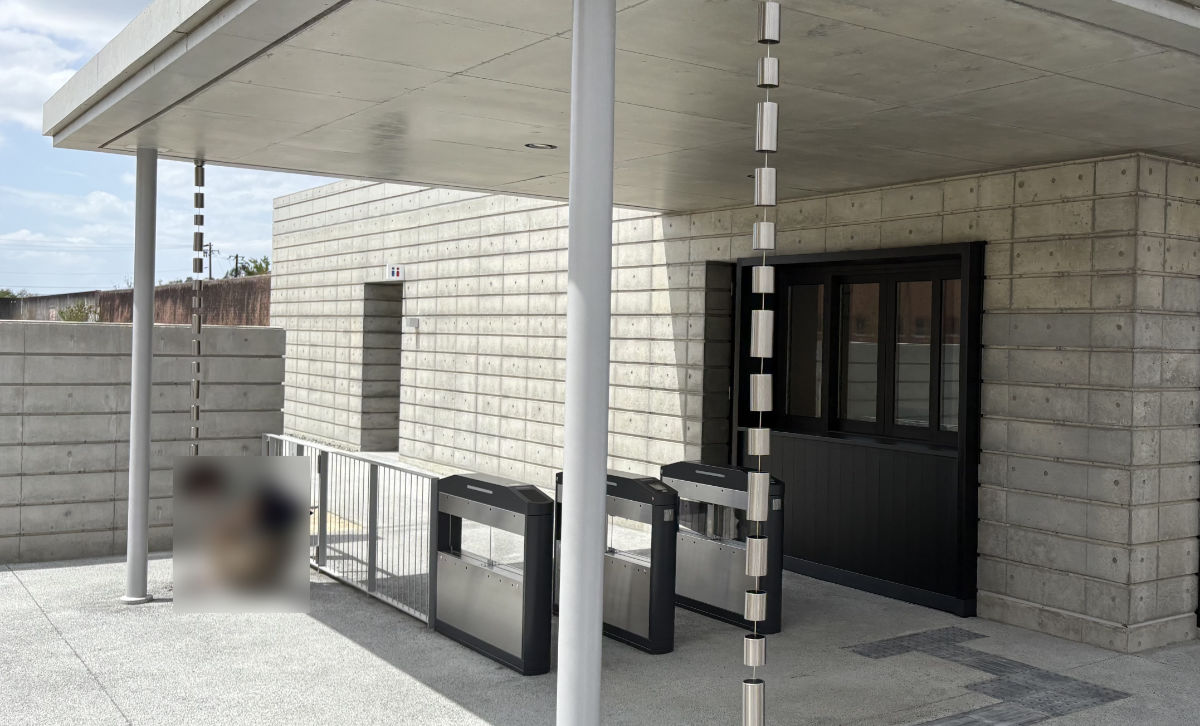
It feels less like a main gate and more like entering through a back door—adding to the unique atmosphere.
A Panoramic View of the Prison Buildings
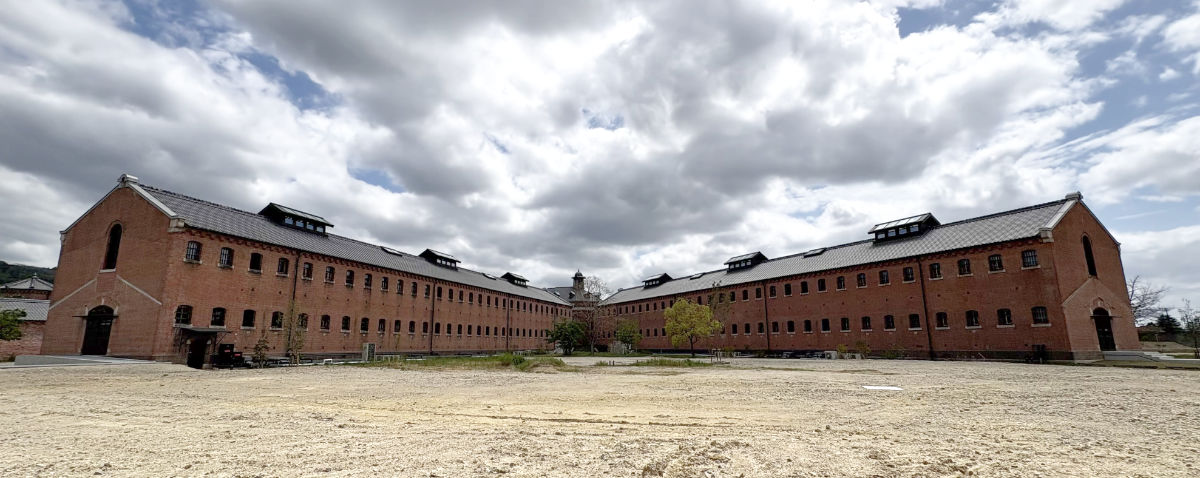
After passing the gate, a vast empty space stretches out before you.
Beyond it, you can see the prison buildings.
With such an open area, any escape attempt would be immediately noticed.
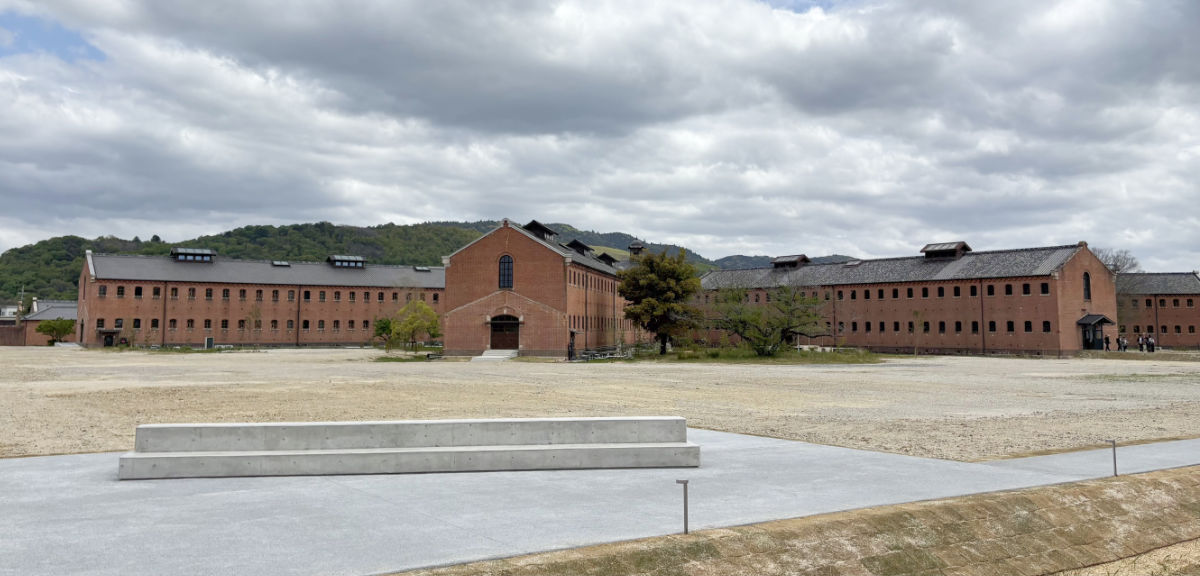
There’s also a photo spot where you can take pictures with the prison buildings in the background.
Of the five radial buildings, three are visible here.
After walking across about a quarter of the vast grounds, you head toward the preserved building where inmates were once housed.
The Beauty of the Cell Blocks
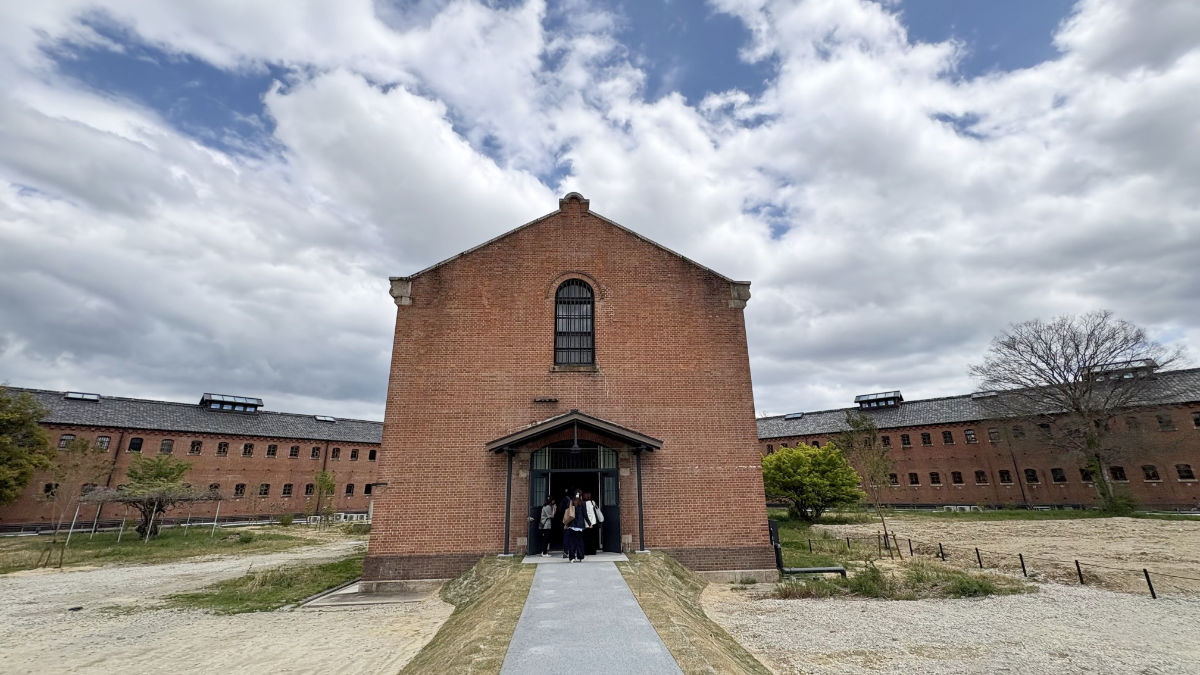
Inside, you’ll be surprised by the long corridor stretching into the distance and the bright, open space with light pouring in from above.
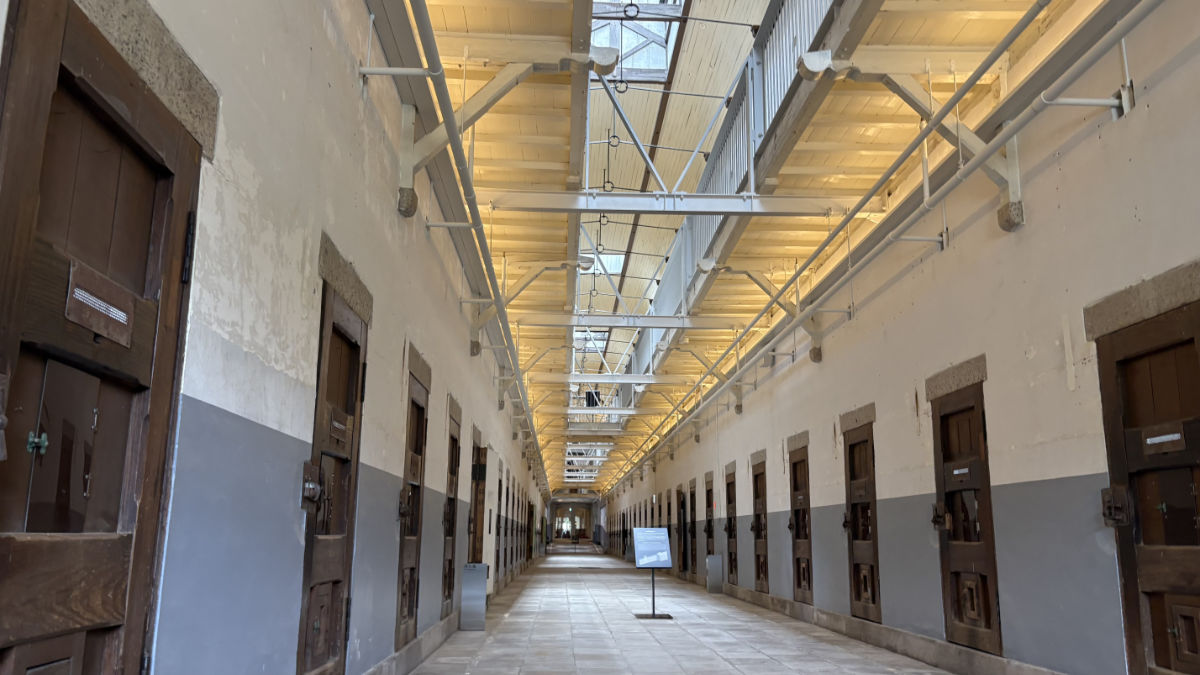
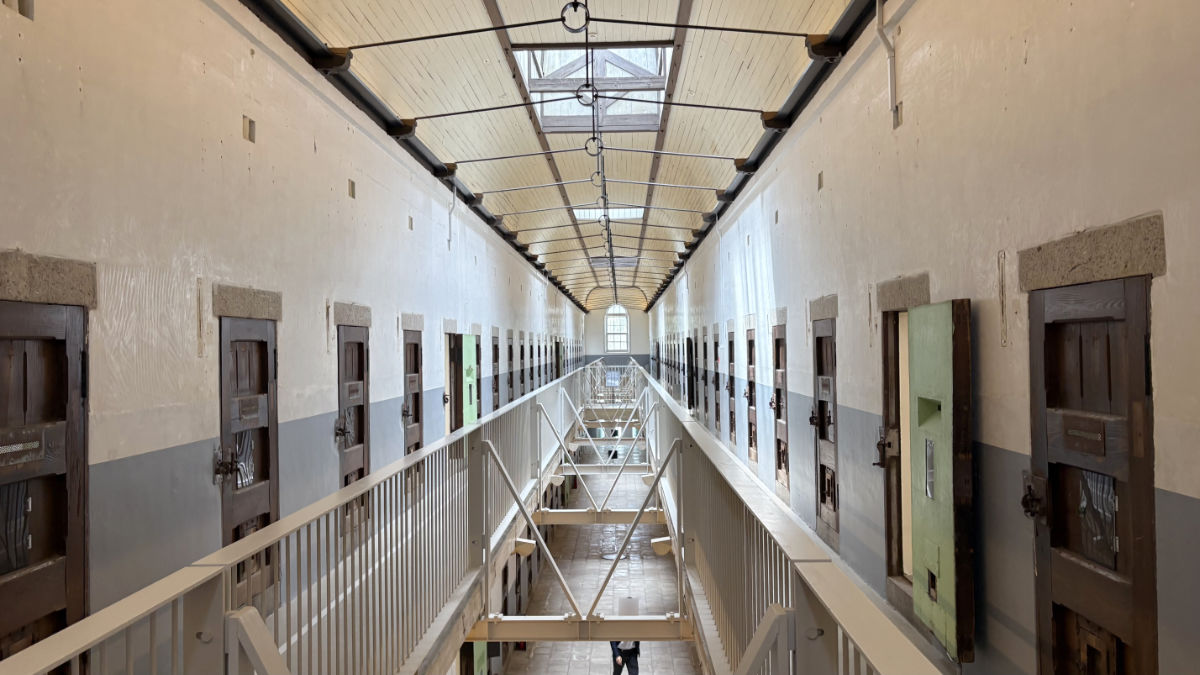
Although prisons are often imagined as dark places, this building is filled with natural light thanks to numerous openings in the roof.
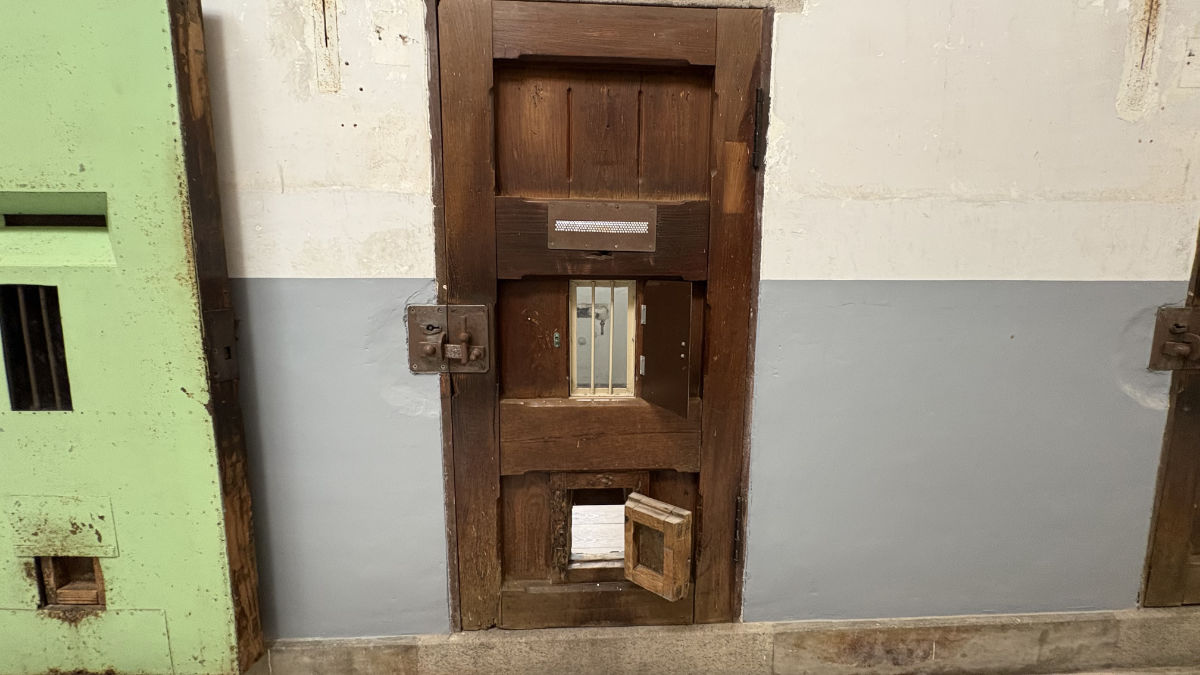
Rows of solitary cells line both sides.
With a total capacity of about 650 inmates, each building contains around 130 cells.
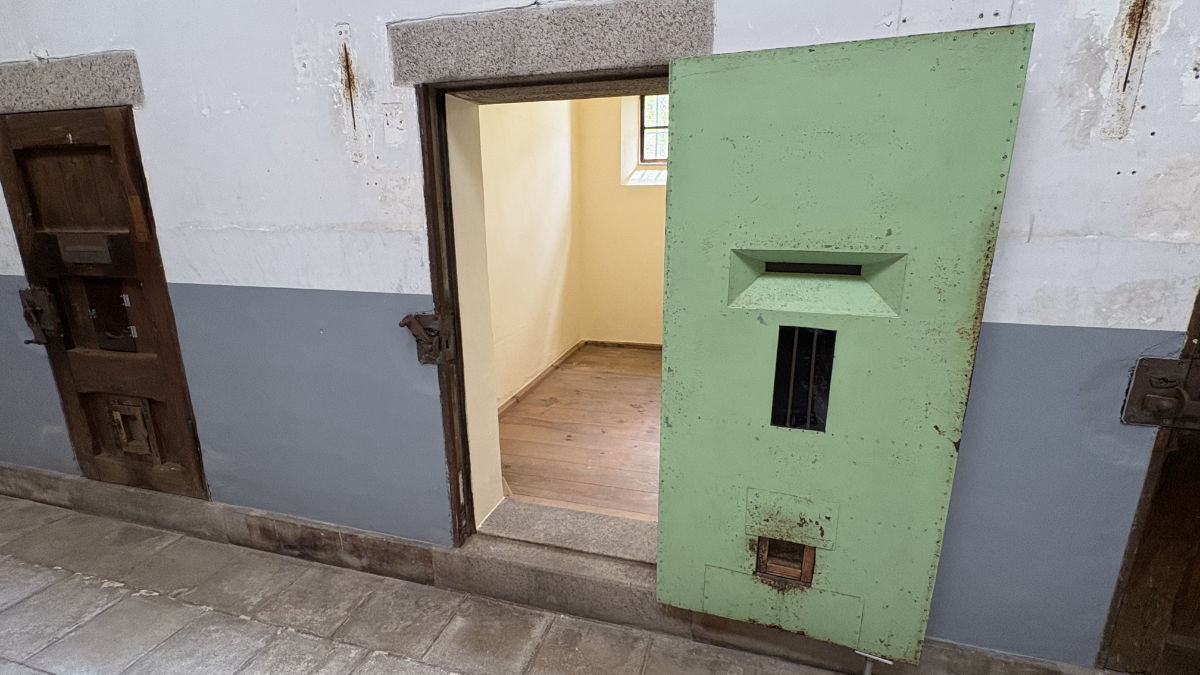
Some cells are open, allowing visitors to step inside.
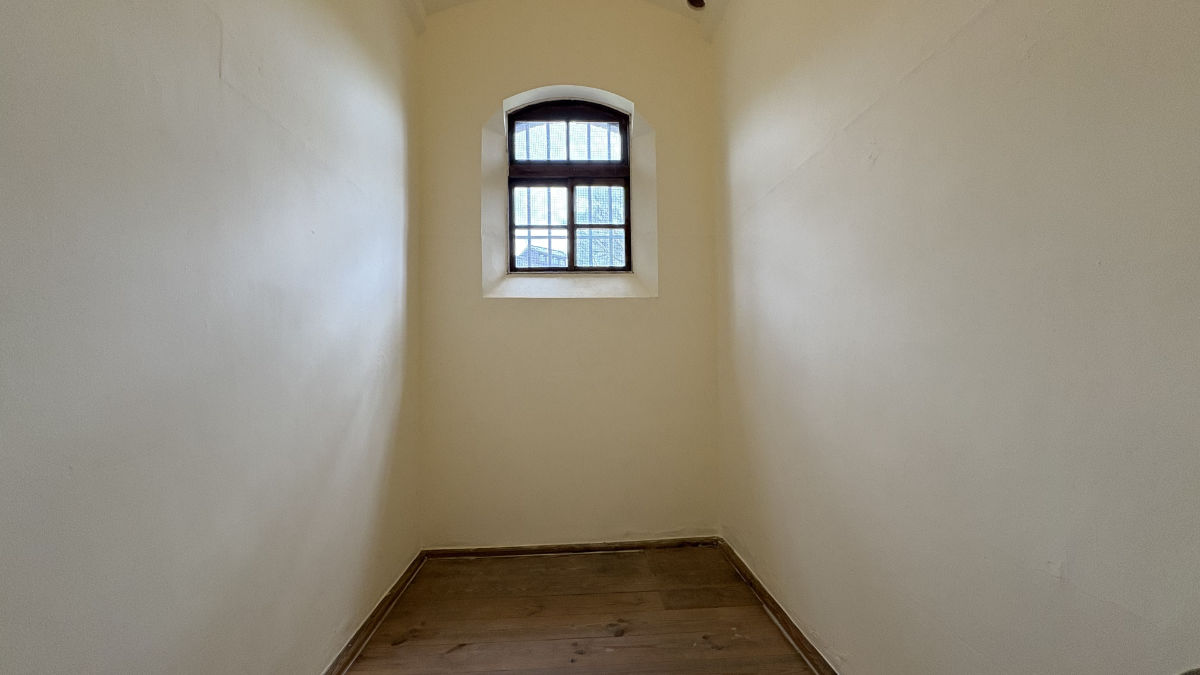
The cells are extremely small.
They have sinks, but toilets and tatami mats have been removed.
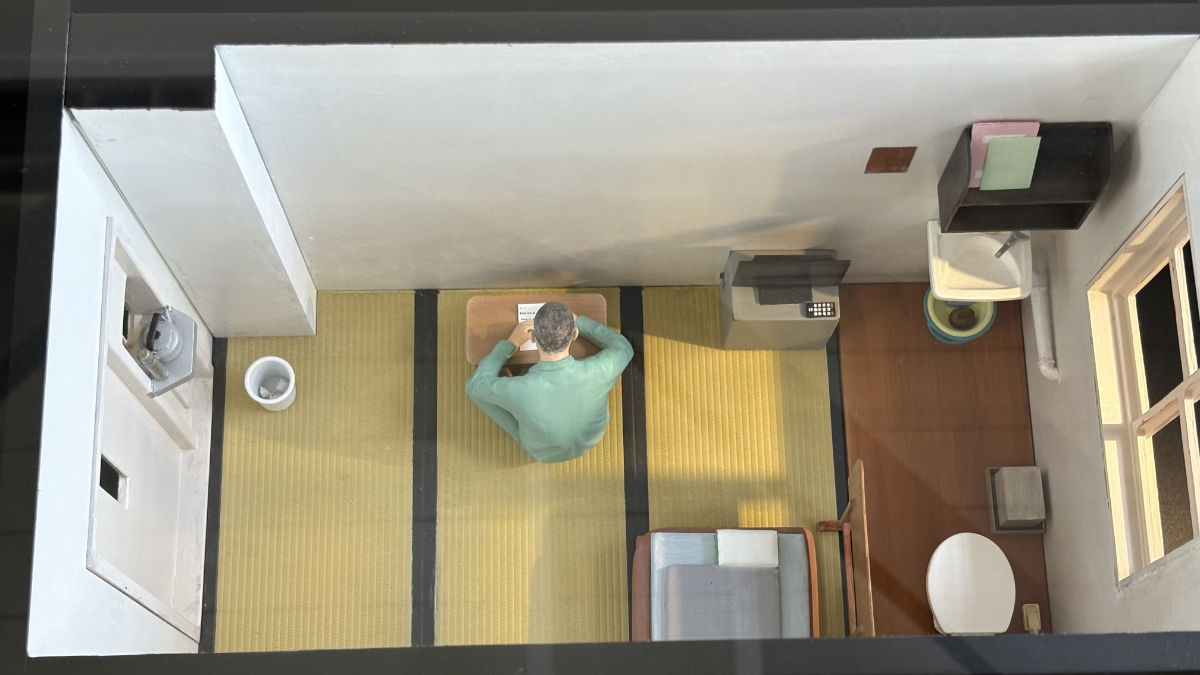
Models in later exhibits show that originally, each cell had about three tatami mats, along with a toilet and sink.
The rooms were designed to allow sunlight in, reflecting considerations for human rights.
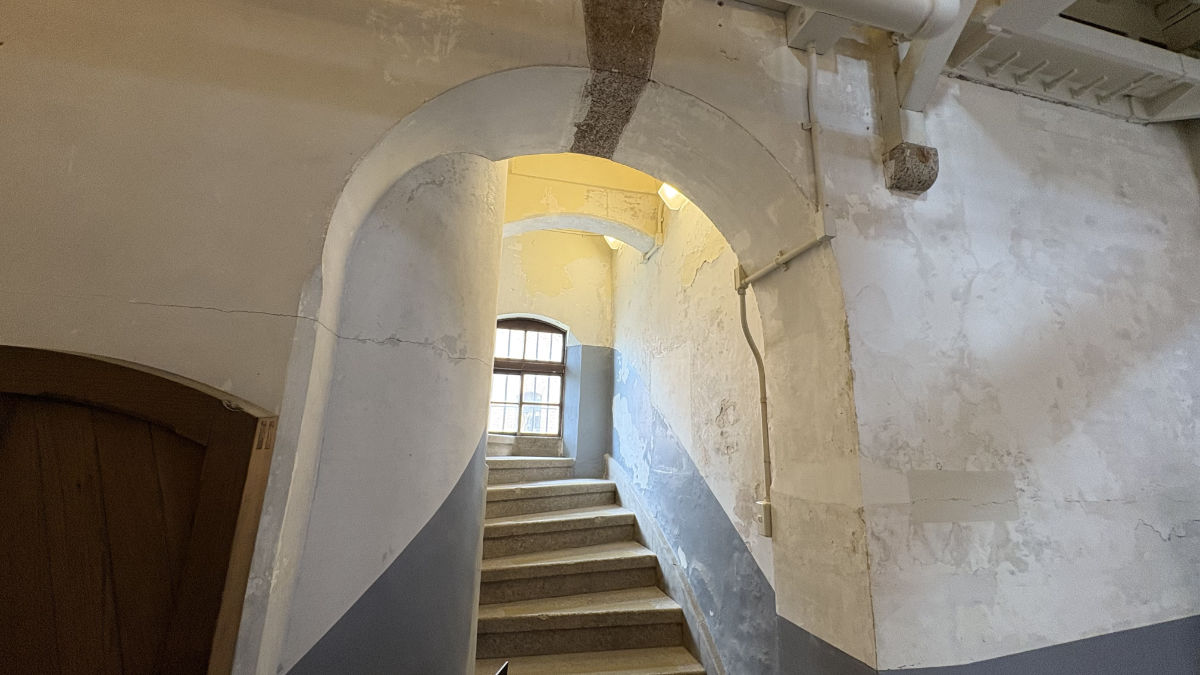
From the second floor, you can look down on the cells and corridor below.
Further inside is the central guard station, accessible only to hotel guests and up to 30 pre-booked visitors per day.
For more details, see this article:
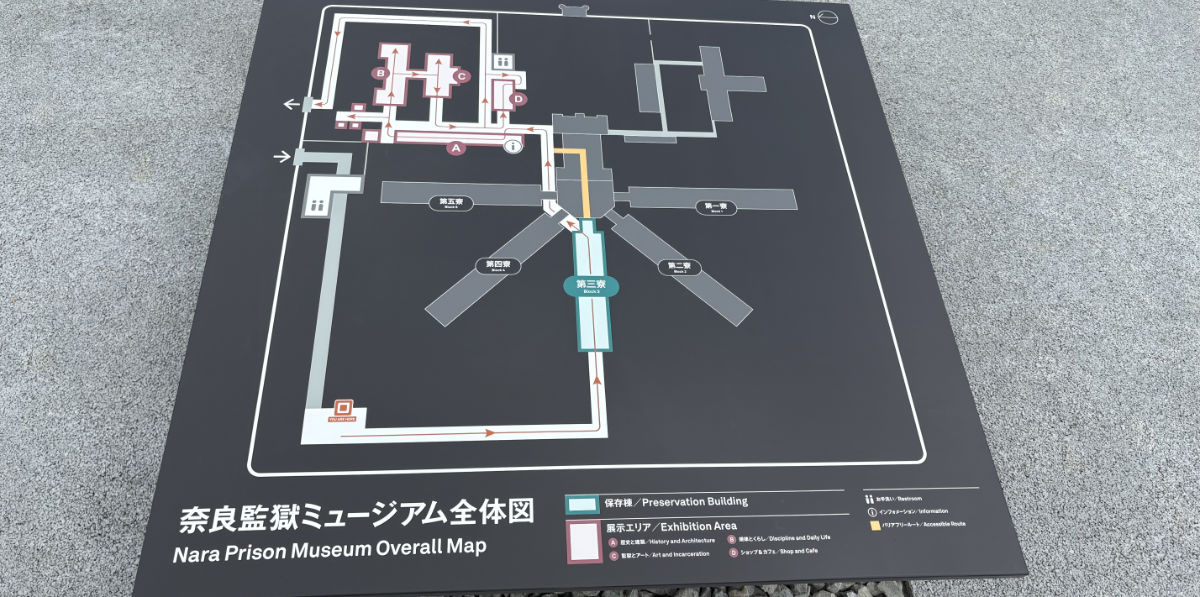
Building A: Learn About the History and Architecture of Nara Prison
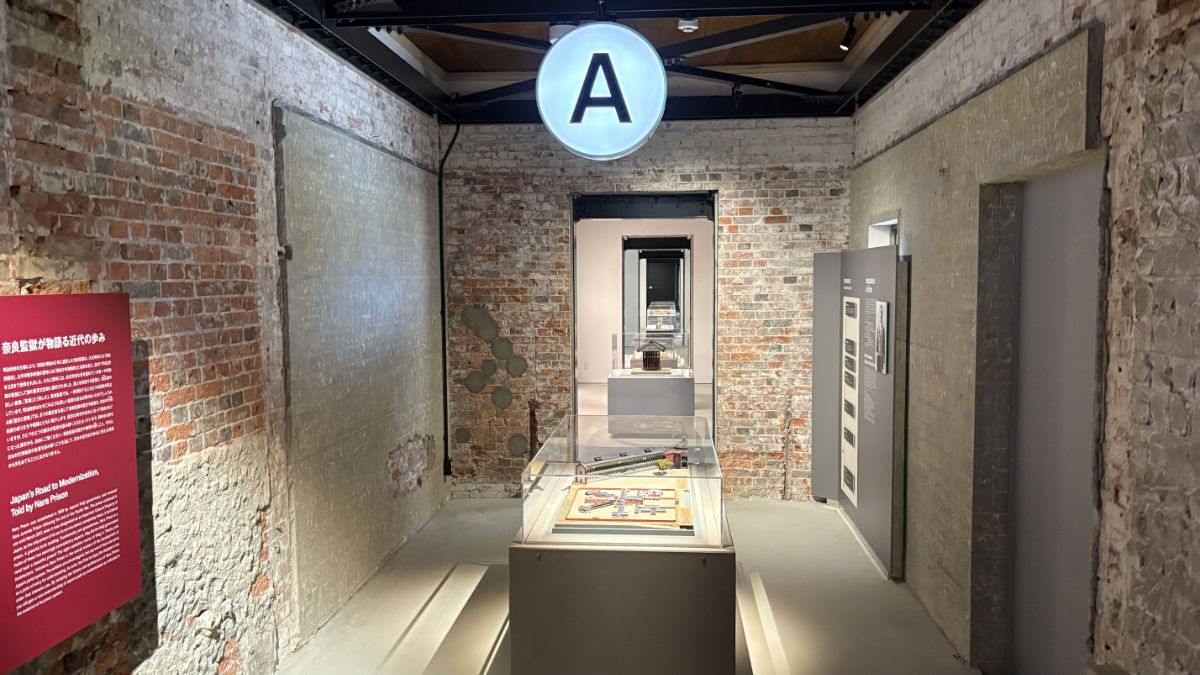
Building A features rooms surrounded by brick walls, where you can learn about the facility’s architecture and the history behind the construction of modern prisons in the Meiji era.
This area was originally used as a visitation room, where inmates met and spoke with outsiders such as lawyers, family members, and acquaintances.
Here are some of the many exhibits:
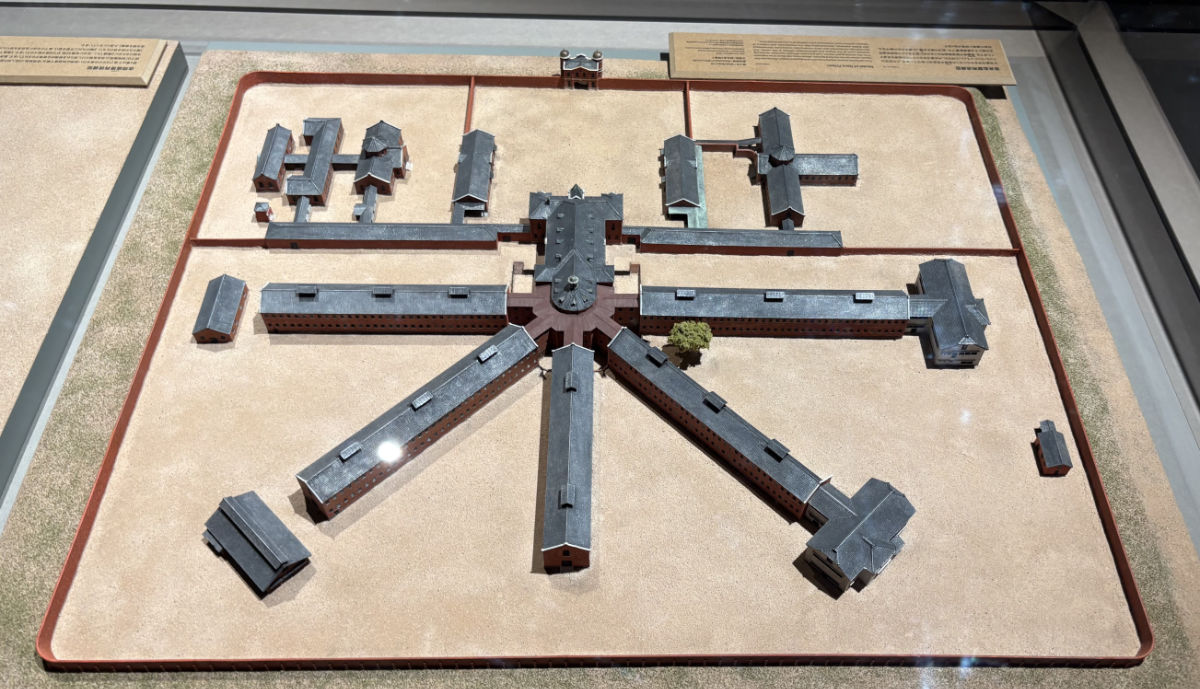
Model of Nara Prison
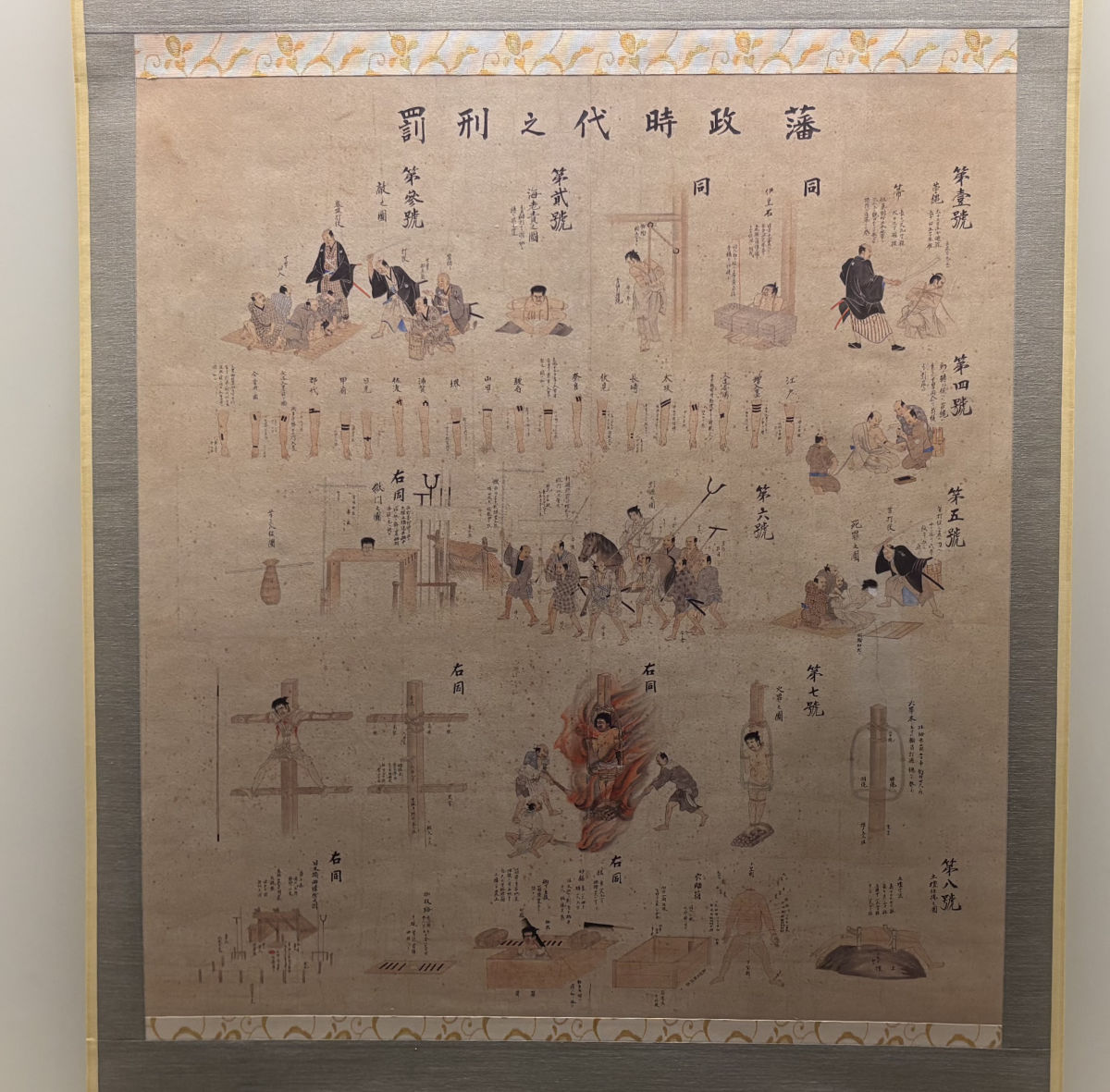
Types of punishments in the Edo period. The markings used to identify criminals differed by region such as Edo, Osaka, and Nagasaki.
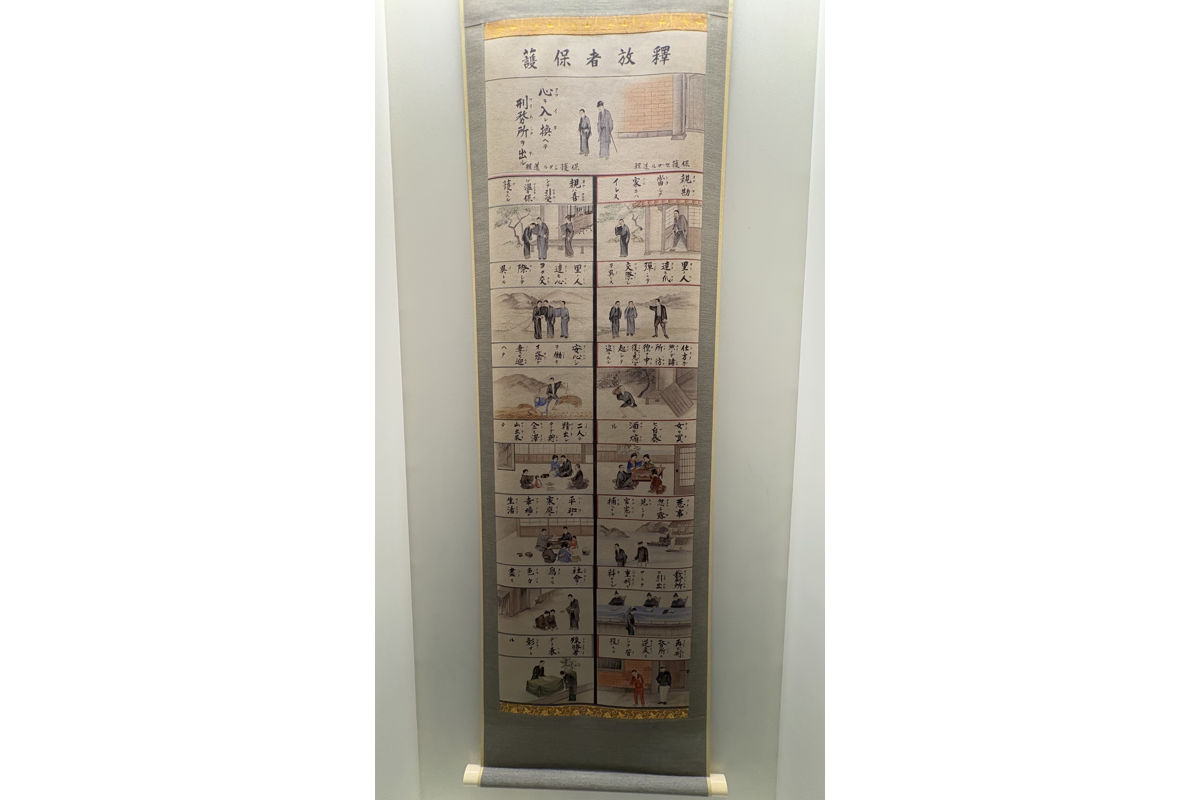
Illustration showing the paths a released prisoner may take.
The right side shows the path to avoid—returning to crime and imprisonment.
The left side shows the ideal path—starting a family, working diligently, and building a peaceful life.
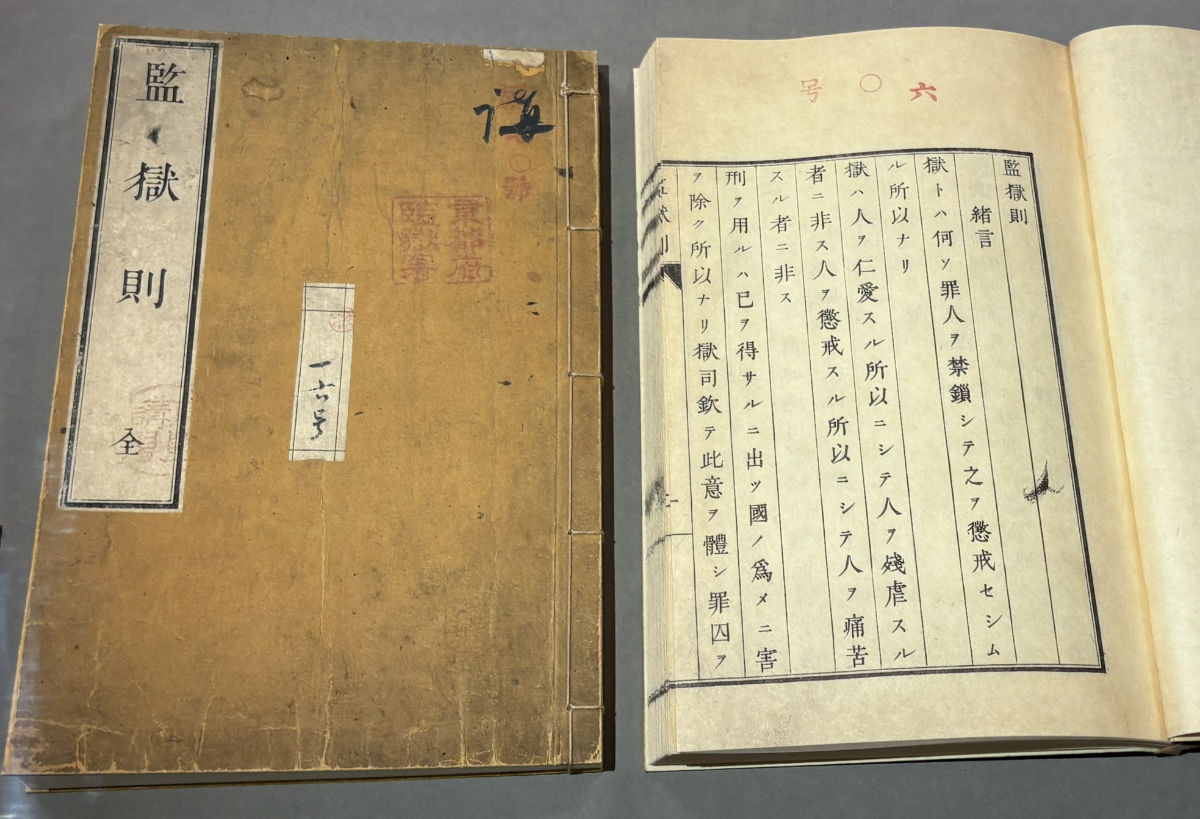
A document from 1872 (Meiji 5) describing humanitarian principles: prisons should treat inmates as human beings and help them rehabilitate, not subject them to cruel punishment.
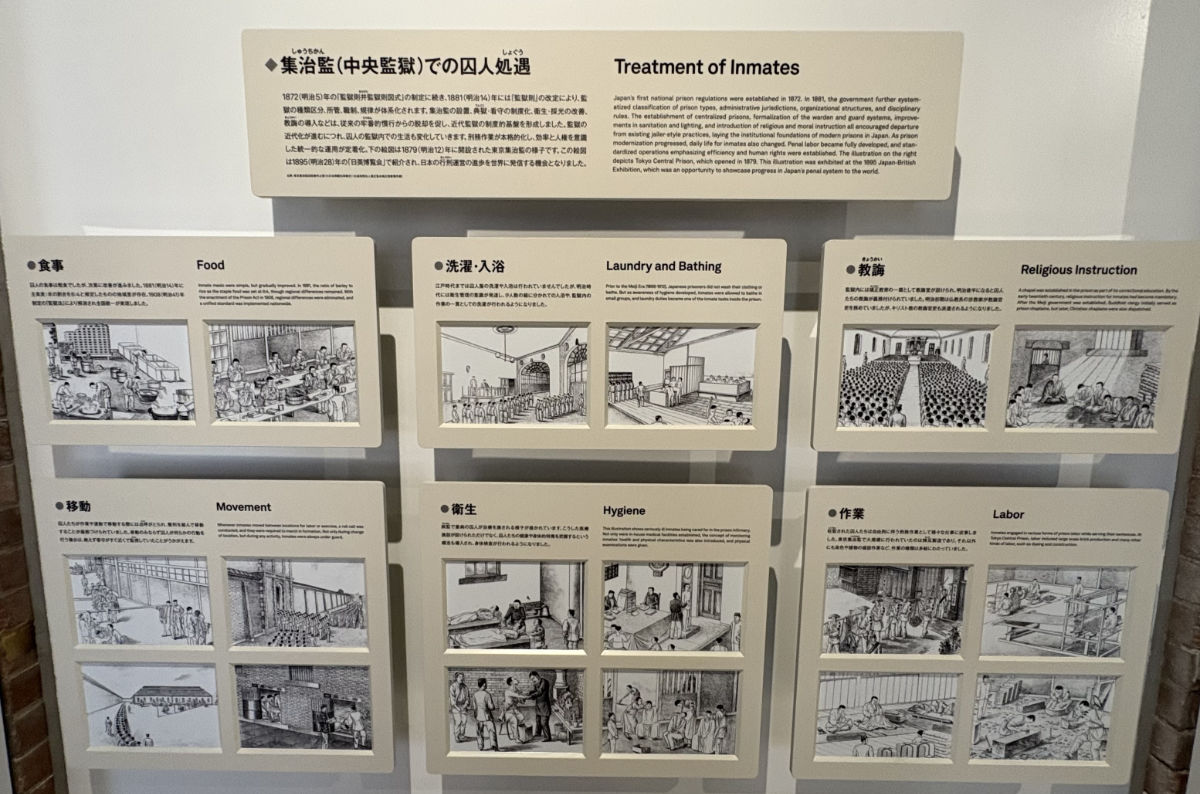
Explanations of prisoner treatment through illustrations and text.
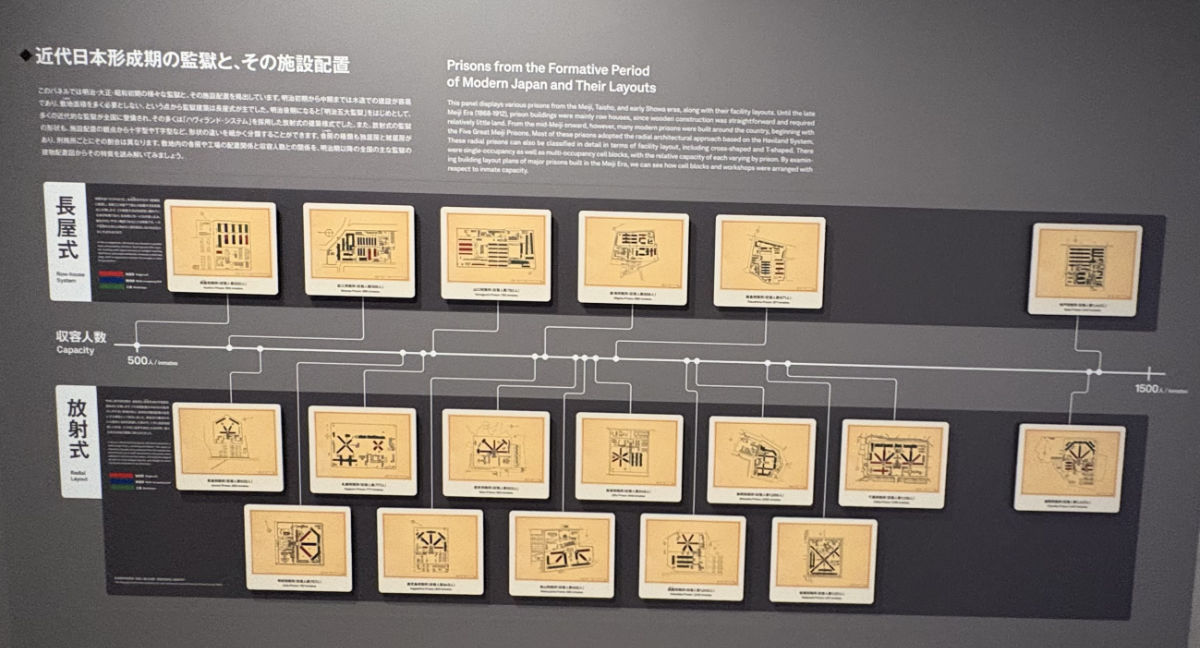
Modern Japanese prison types are broadly divided into two: barracks-style and radial layouts, with explanations of each.
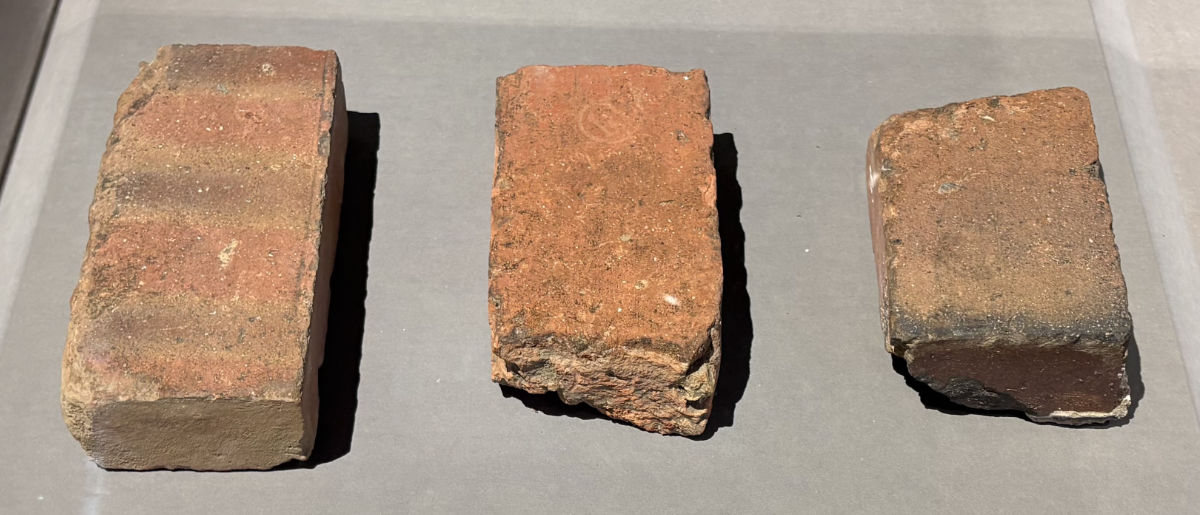
Bricks made by prisoners. To reduce construction costs, inmates produced durable, fire-resistant bricks under the guidance of craftsmen.
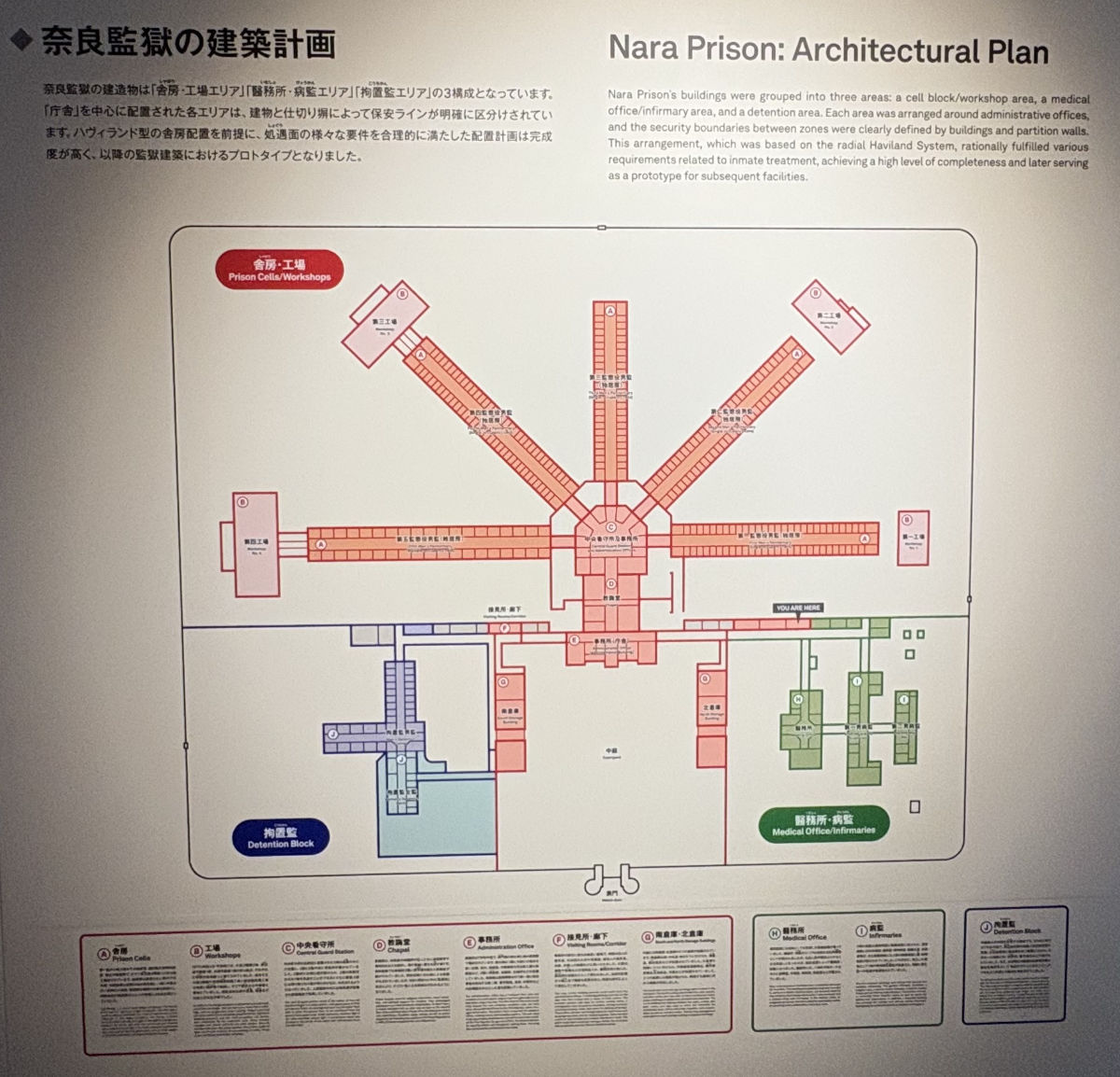
Architectural plans of Nara Prison. Except for the central third building, workshops for inmate labor were located at the ends of the buildings.
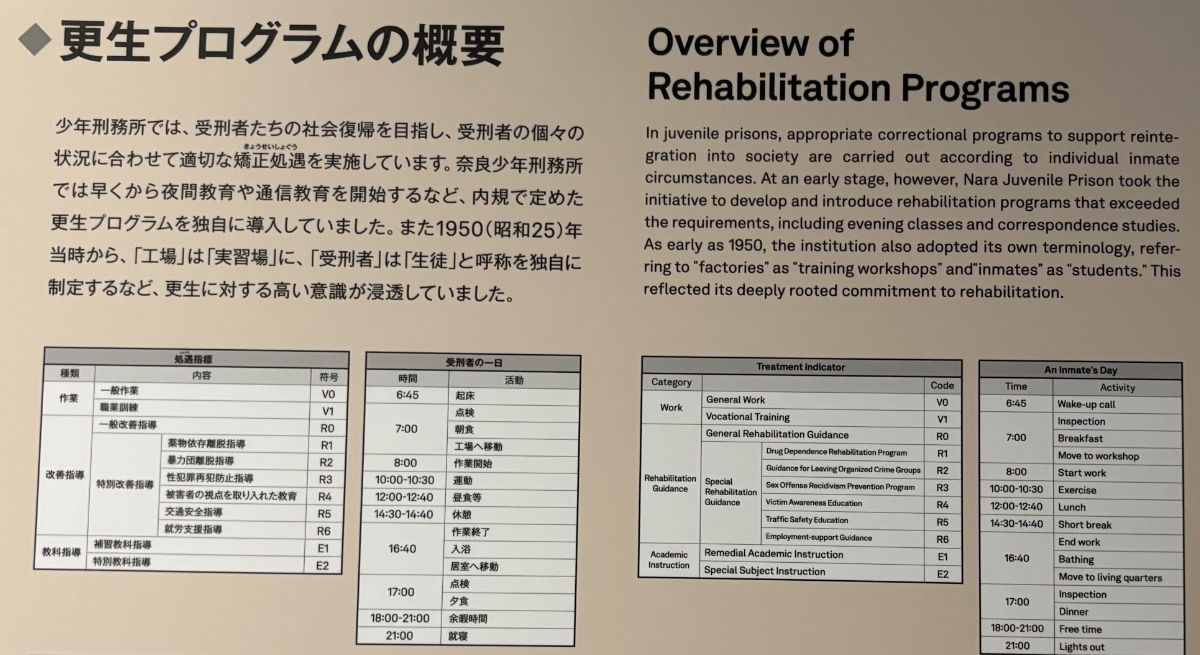
A day in the life of a prisoner: wake-up at 6:45 AM and lights out at 9:00 PM, following a structured routine.
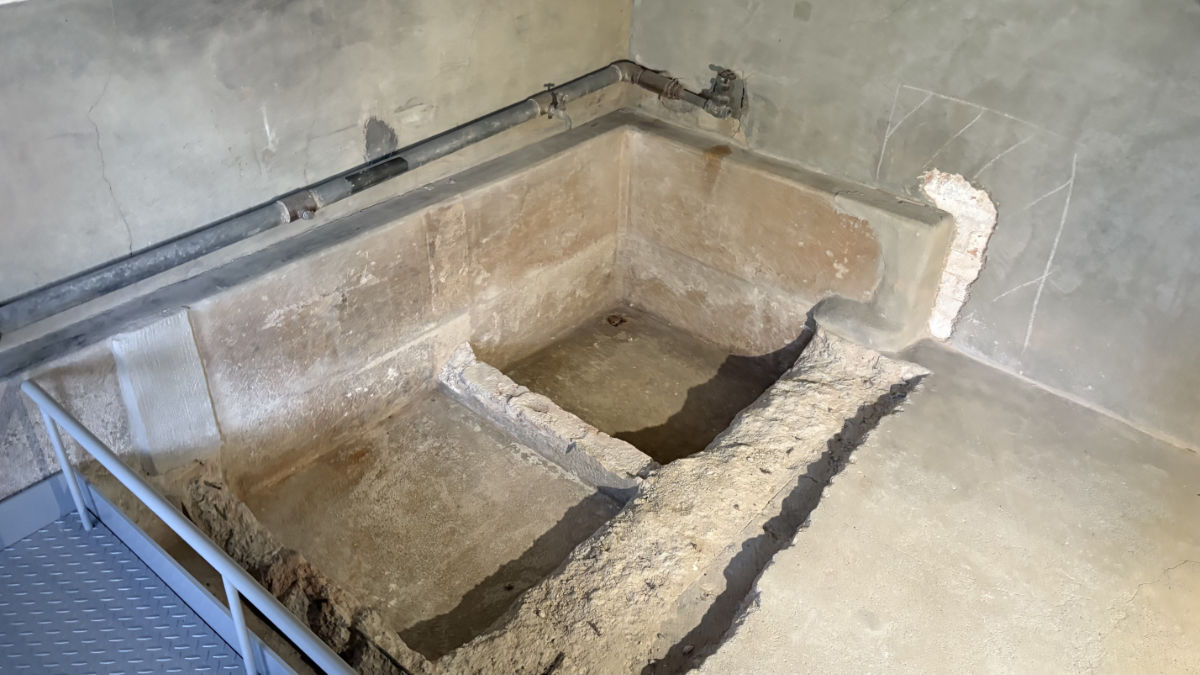
Remains of a bath used by sick prisoners.
Building B: Reflecting on True Freedom Through Prison Life
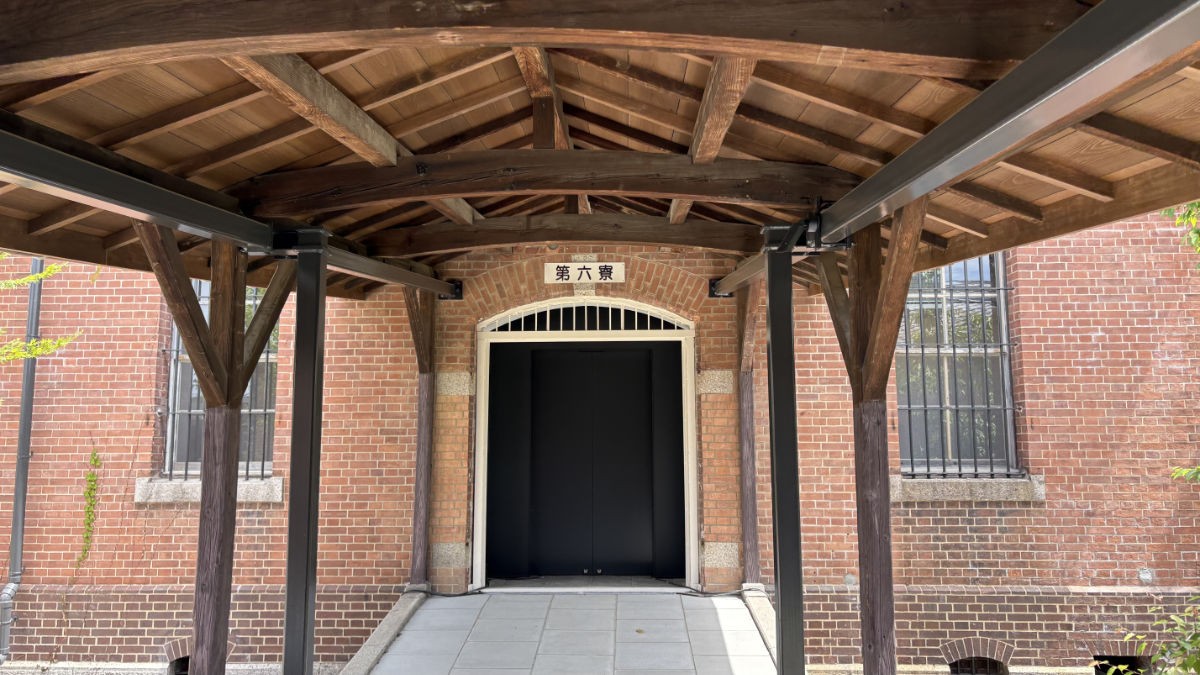
Building B (Dormitory 6) focuses on how inmates live in prison.
Through life in this structured society, visitors are asked: “What is true freedom?”
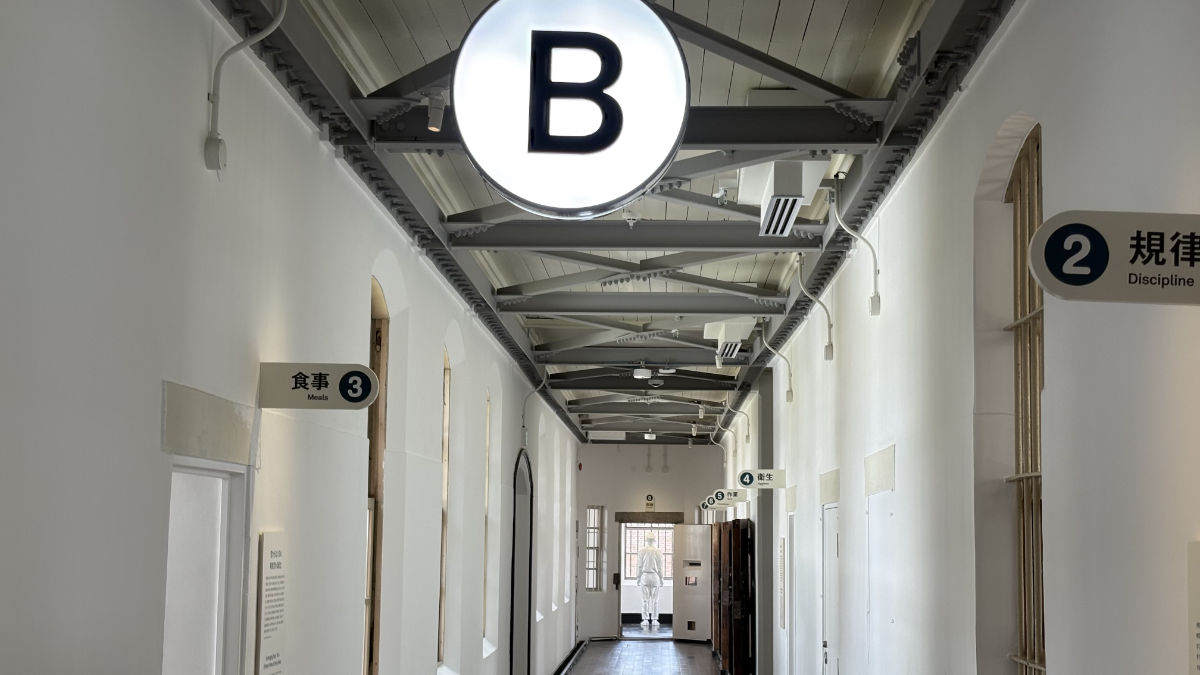
This building was originally a medical ward for sick inmates.
Unlike the darker Building A, it has windows and is filled with natural light, creating a more comfortable atmosphere.
Each room presents themes such as introduction, discipline, meals, hygiene, work, rehabilitation, money, and freedom.
Here are some highlights:
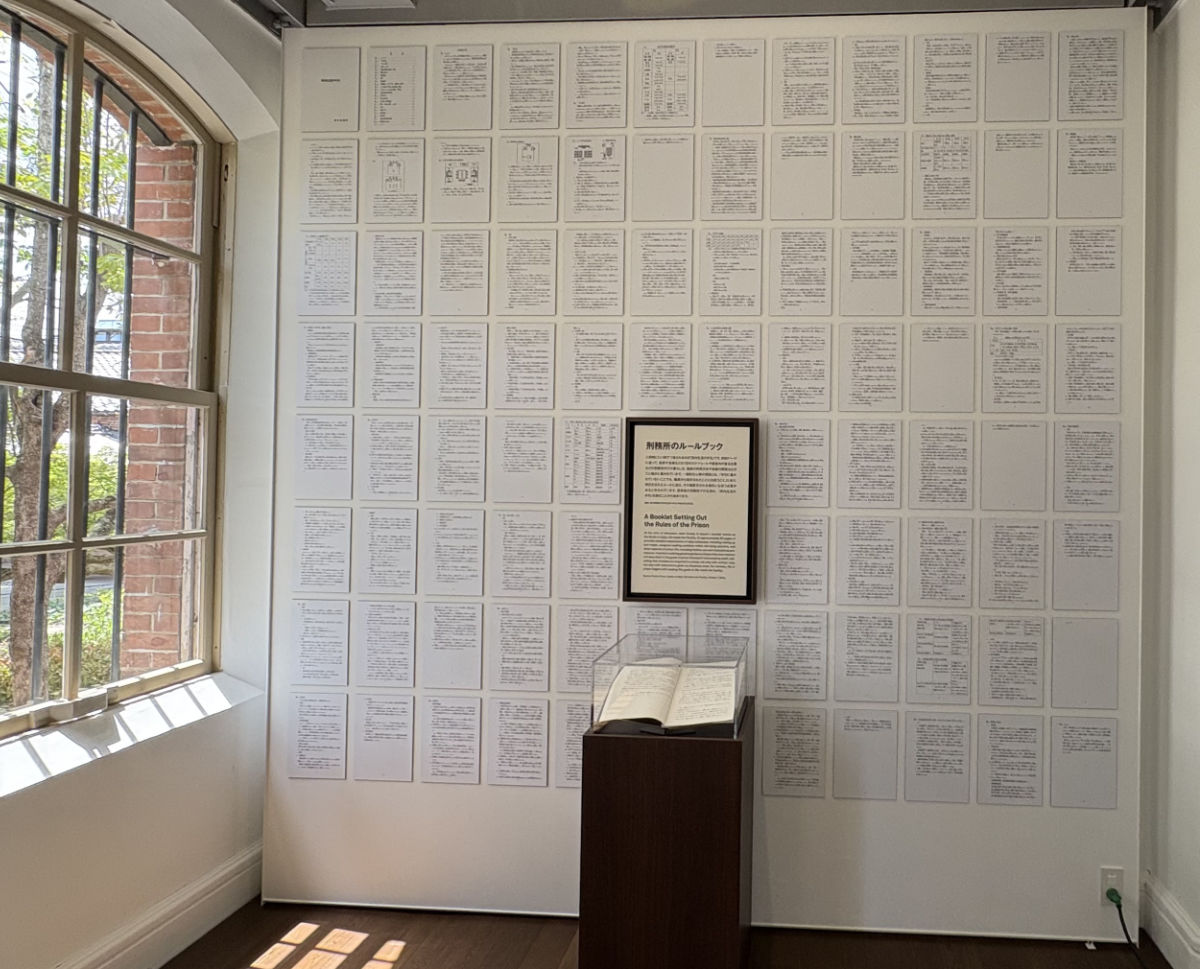
The prison rulebook—an overwhelming number of rules are displayed. All kanji include furigana, which is notable.
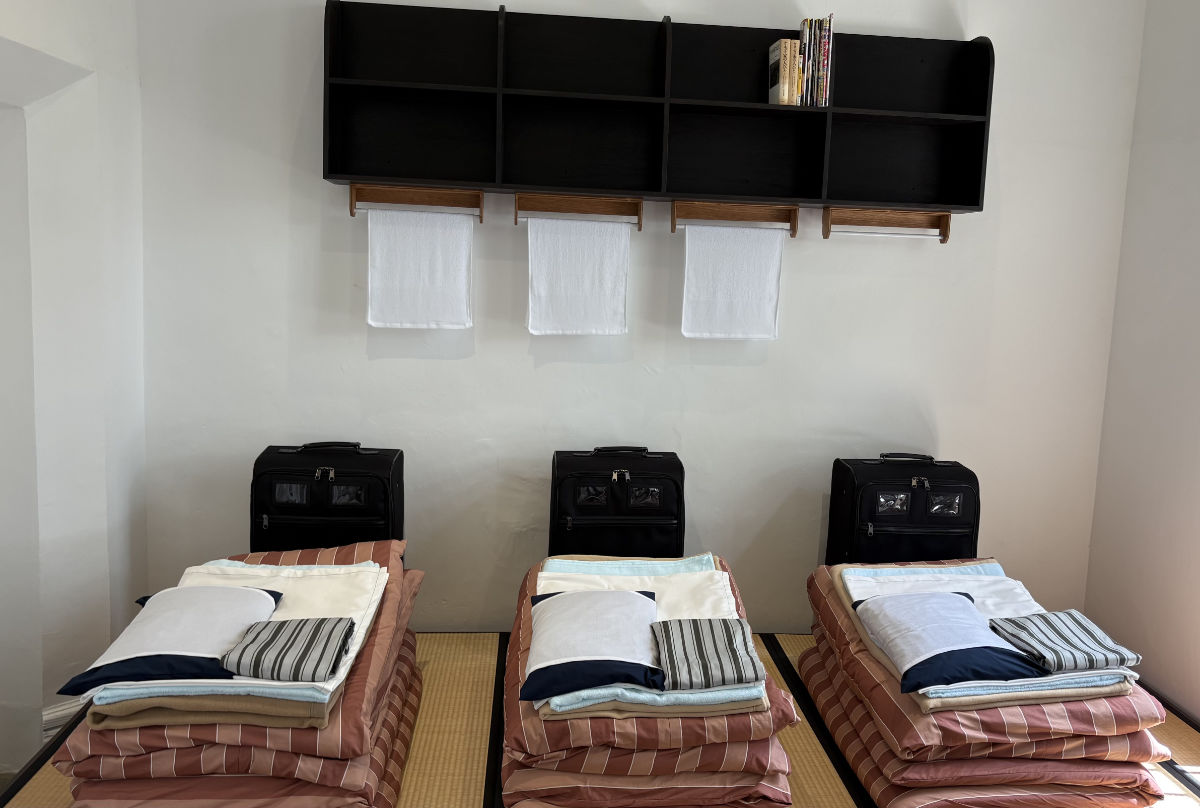
Neatly folded bedding.
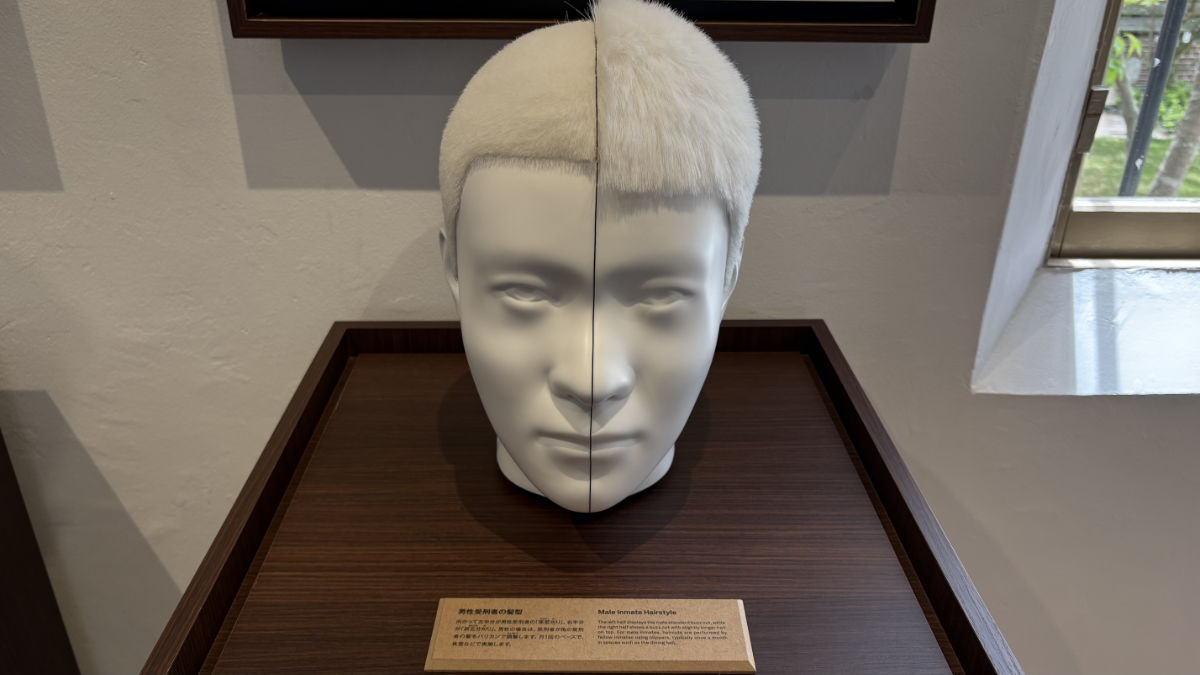
Male inmate hairstyles: half shaved (original style) and short crop.
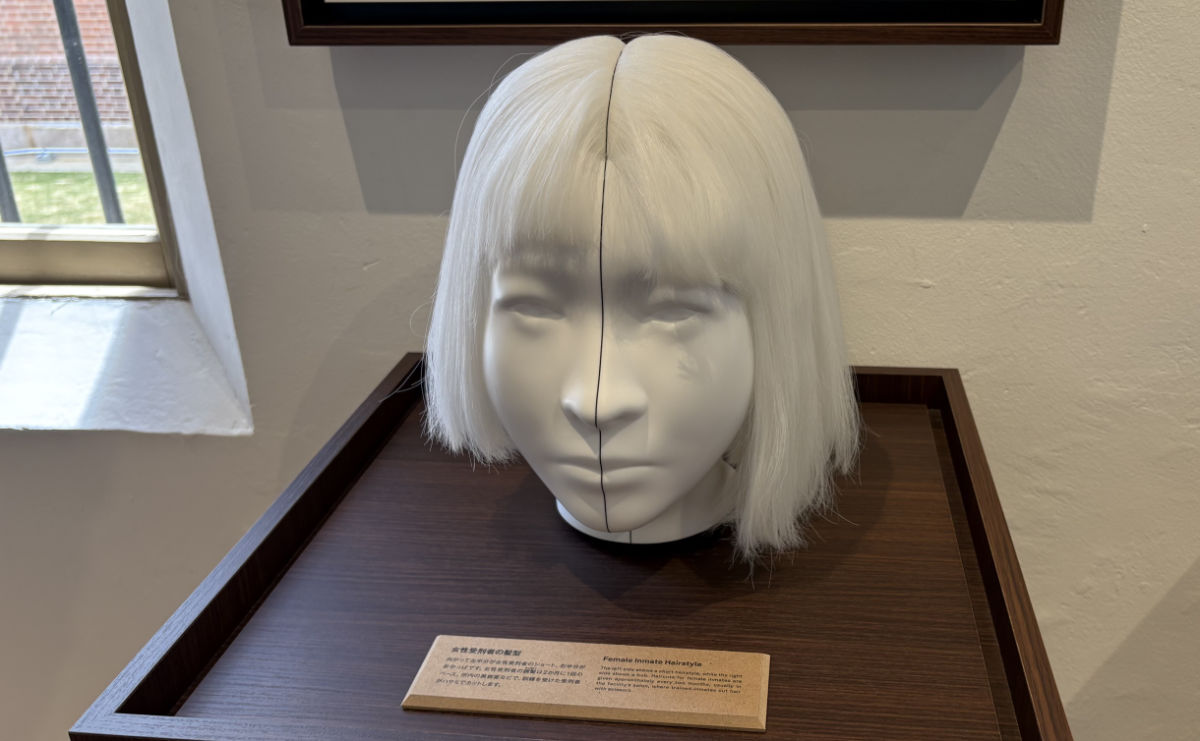
Female inmate hairstyles: short or bob cuts, though long hair is also allowed.
These hairstyles are still used today, and male styles are even sold as novelty items.
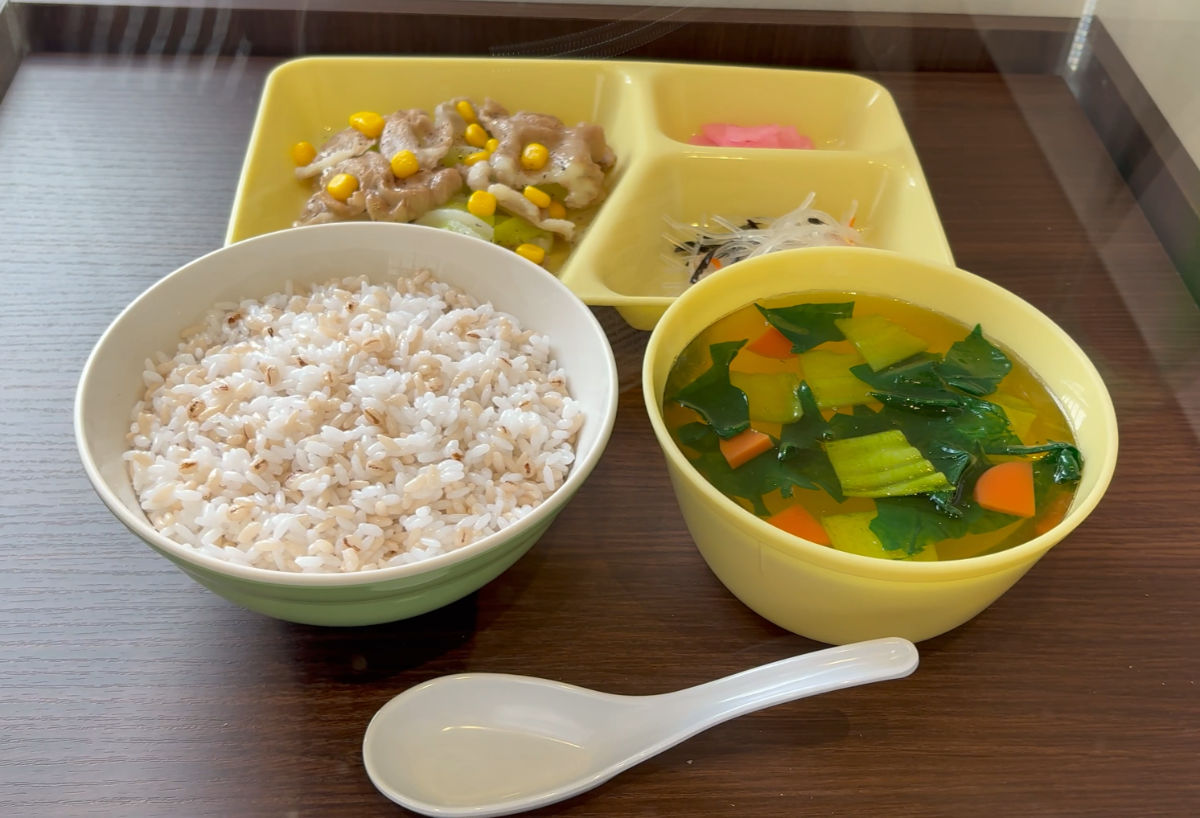
Meals: three daily meals are introduced.
They are vegetable-rich and dinner is served at 5 PM—very healthy.
It makes you wonder if people outside prison might have less balanced diets and later mealtimes.
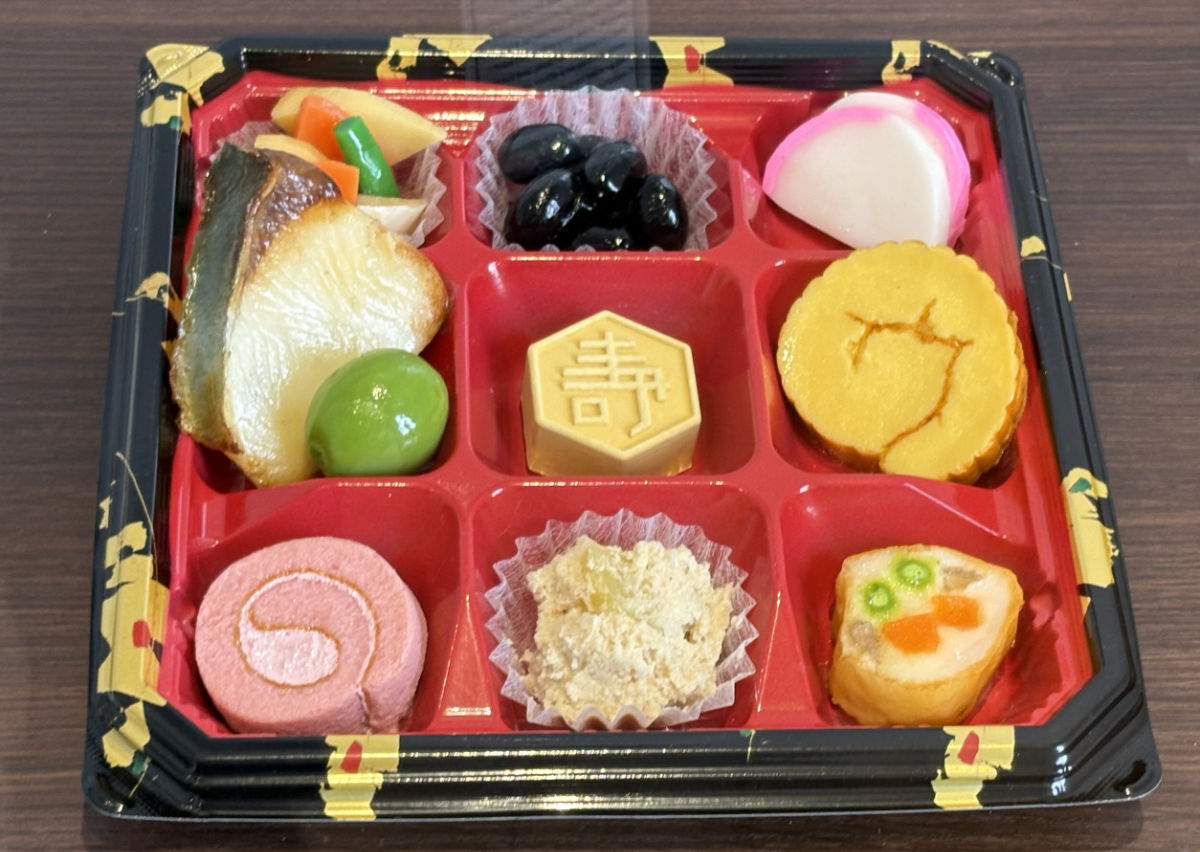
Special New Year’s osechi meals are also served.
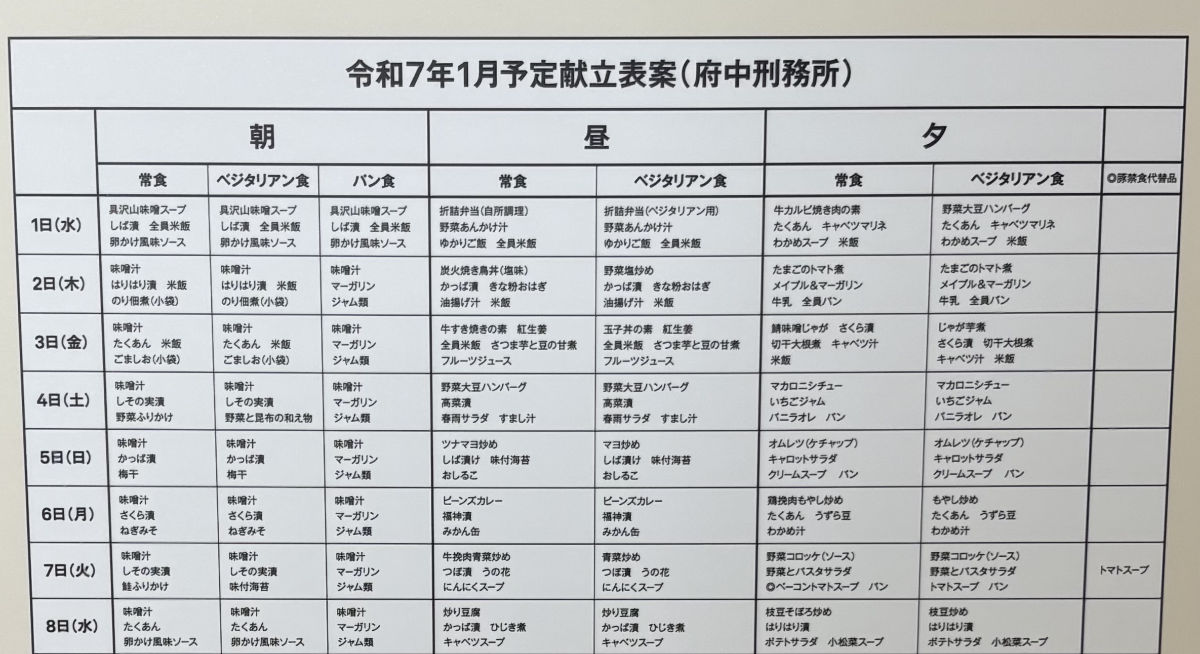
Menu board featuring dishes like miso ramen, curry, stew, and stir-fried chicken and vegetables.
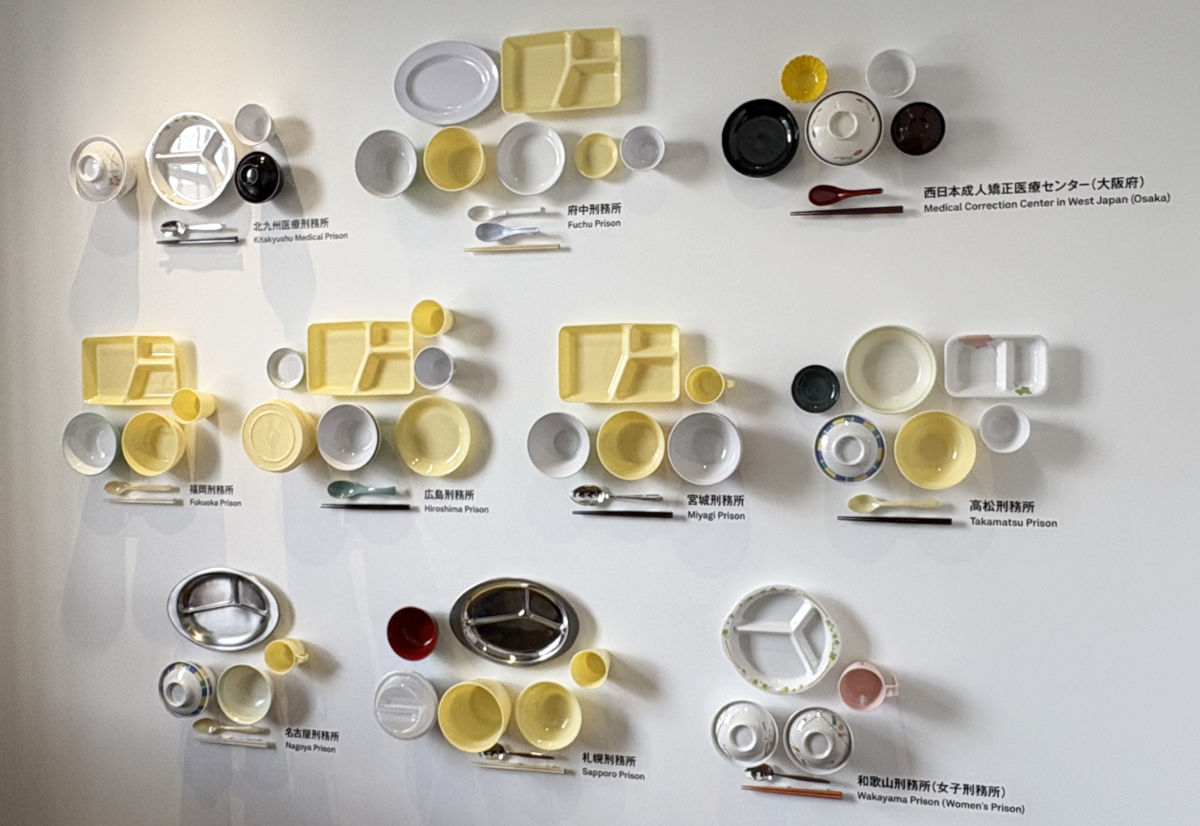
Different types of tableware used in prisons—mainly plastic to prevent use as weapons.
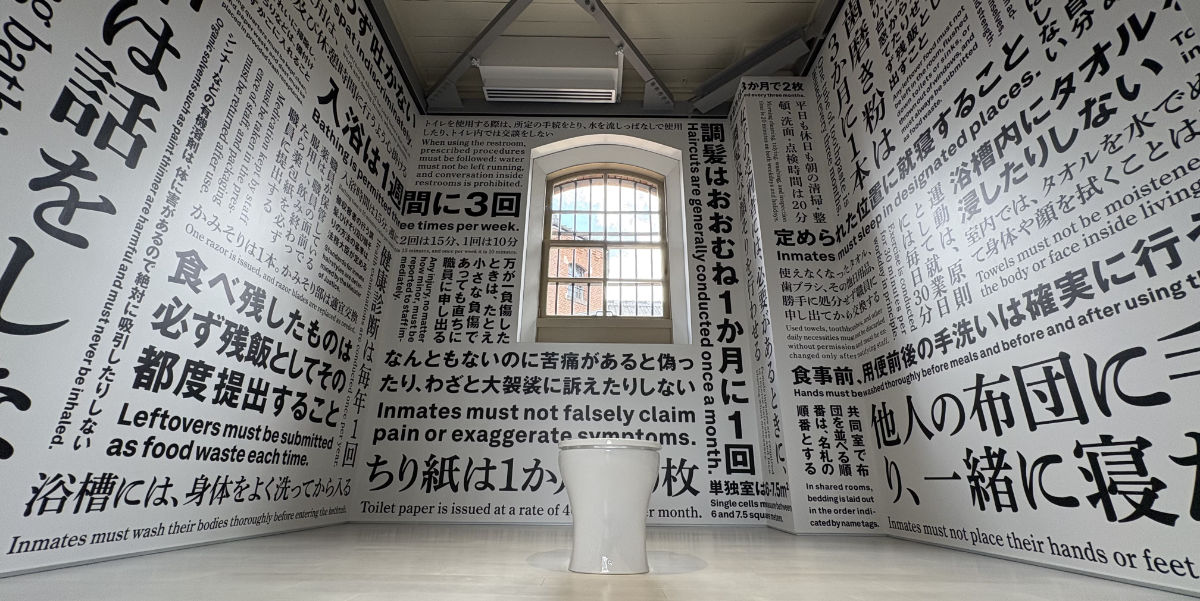
Cleanliness is also a rule.
Bathing is allowed three times a week, with sessions limited to 15–20 minutes.
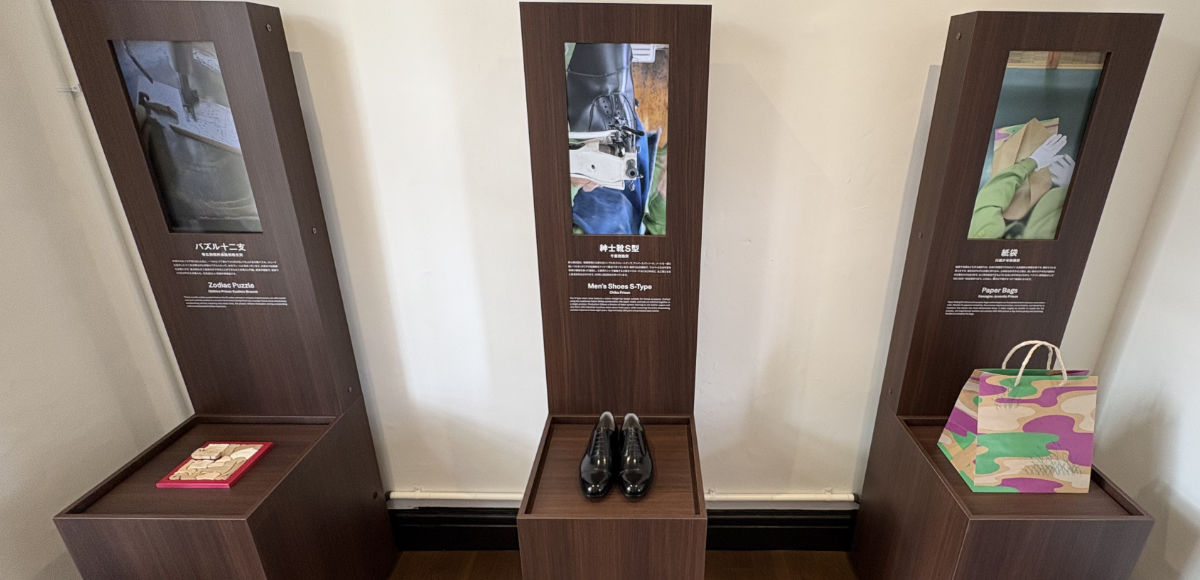
Displays of inmates making shoes and paper bags, along with actual items.
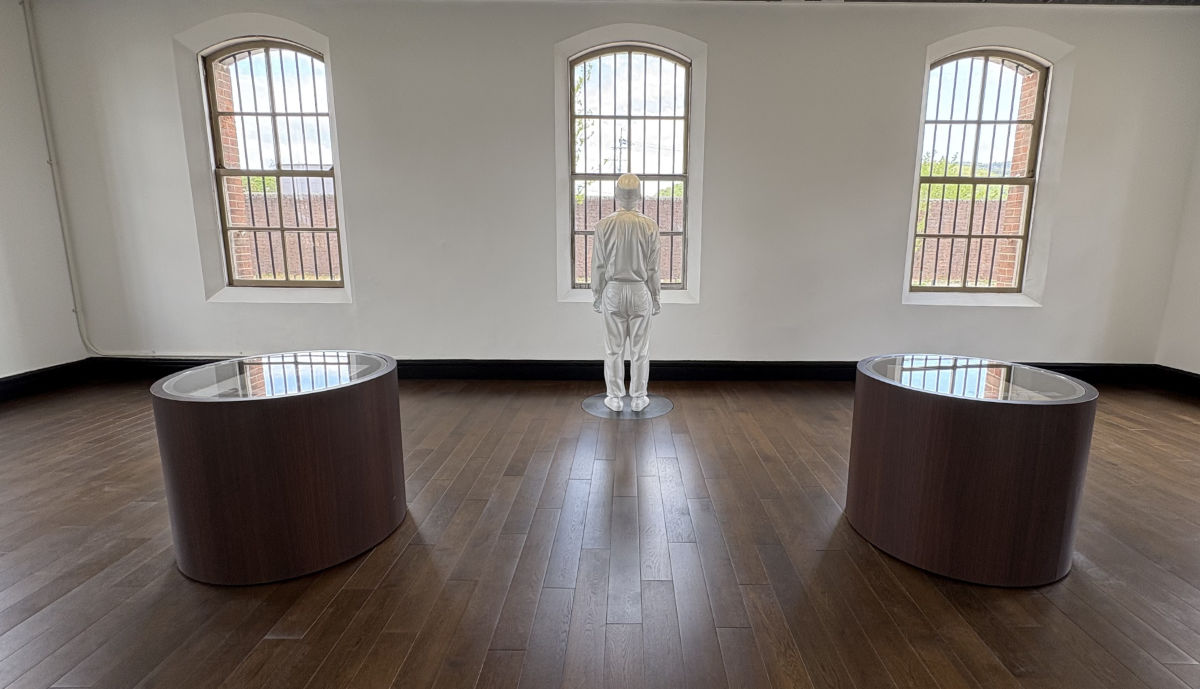
“What is true freedom?”
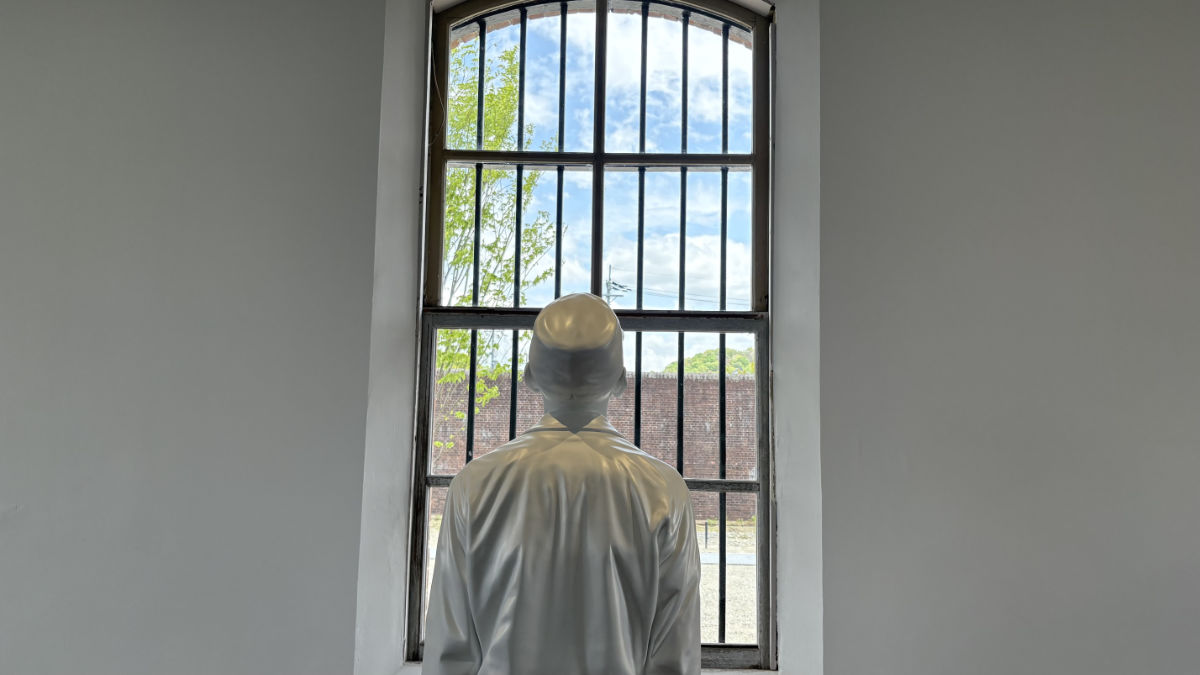
Visitors can stand beside a figure of an inmate and look out over the moat from the same perspective.
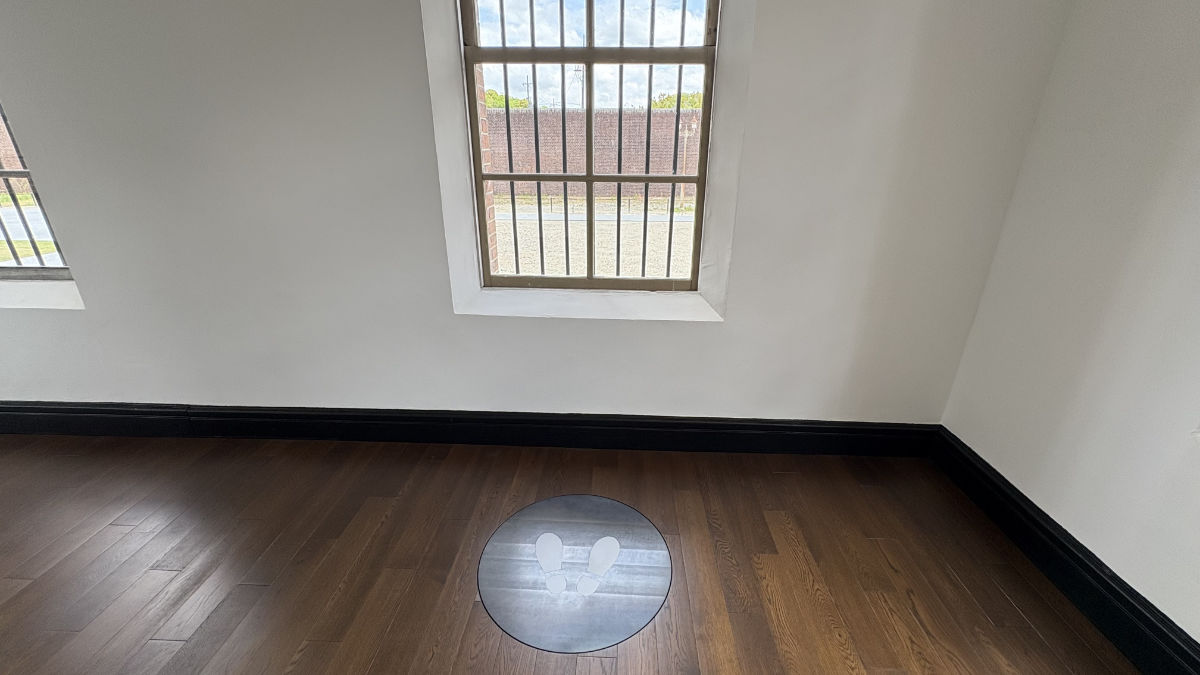
After viewing these exhibits, it may be a good moment to reflect on yourself.
Building C: Crime and Punishment, Time and Life—Prison and Art
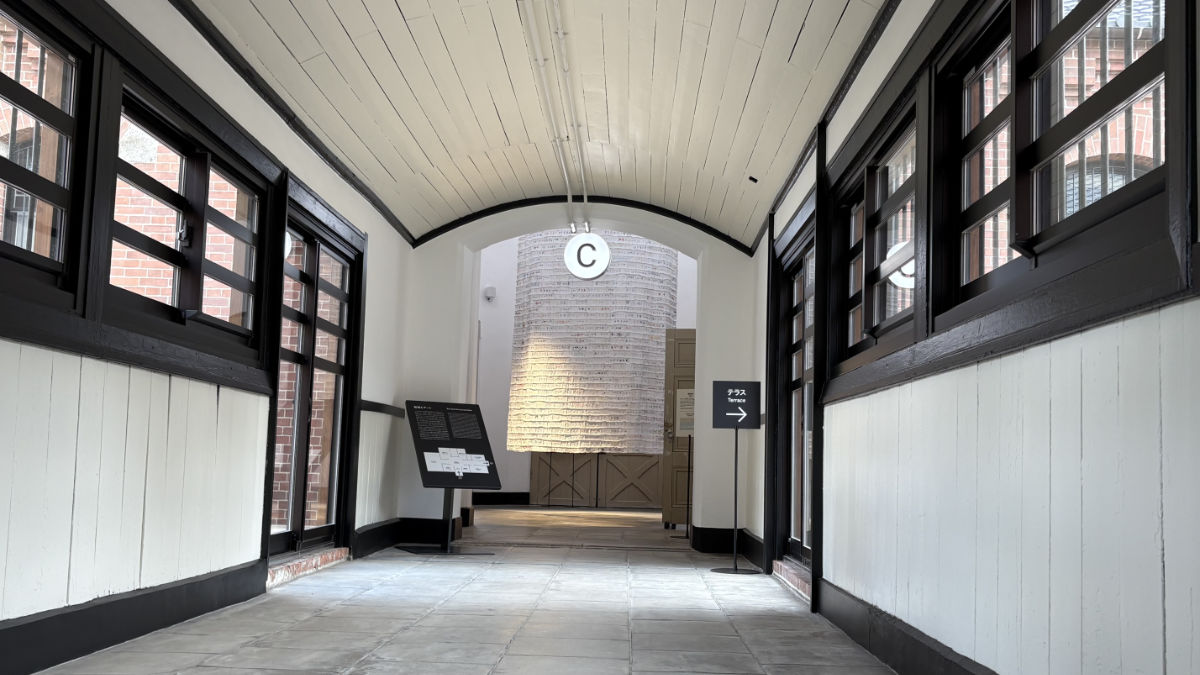
This area displays works by artists and inmates. It was formerly a medical facility.
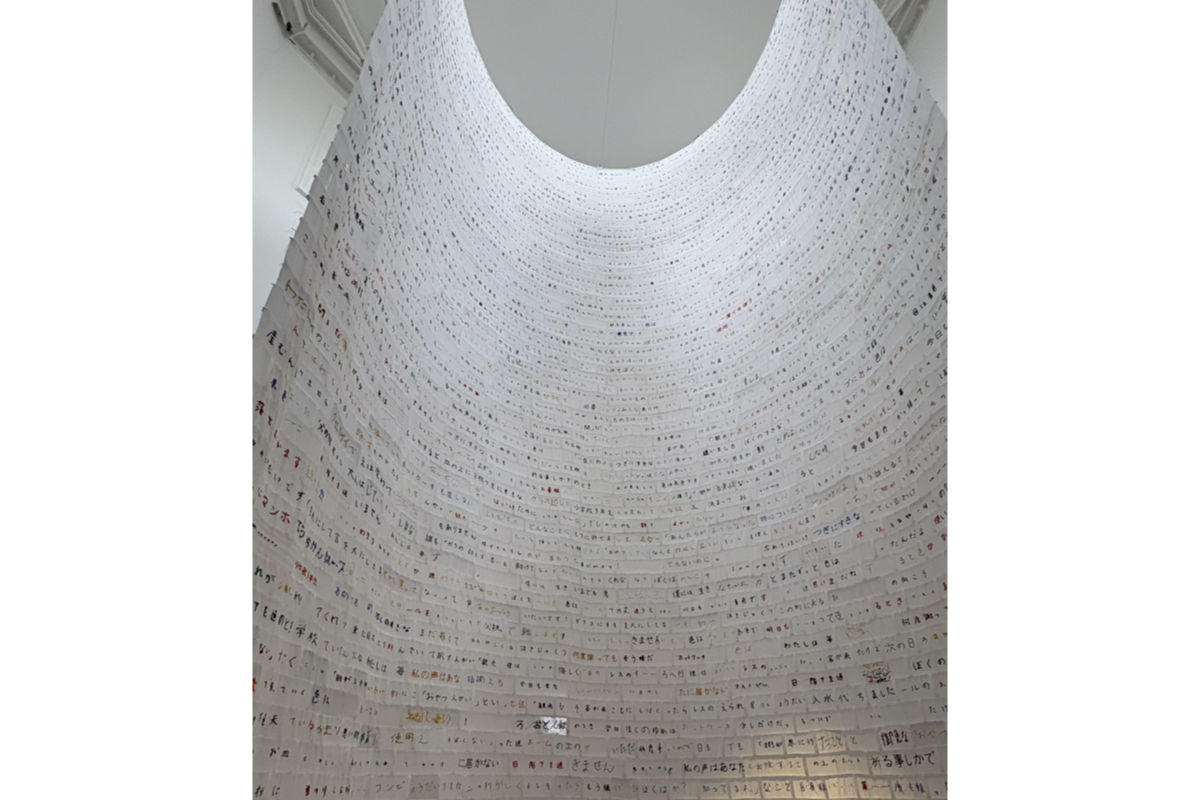
“Sewing Voices” — a piece that weaves together various voices of inmates at random.
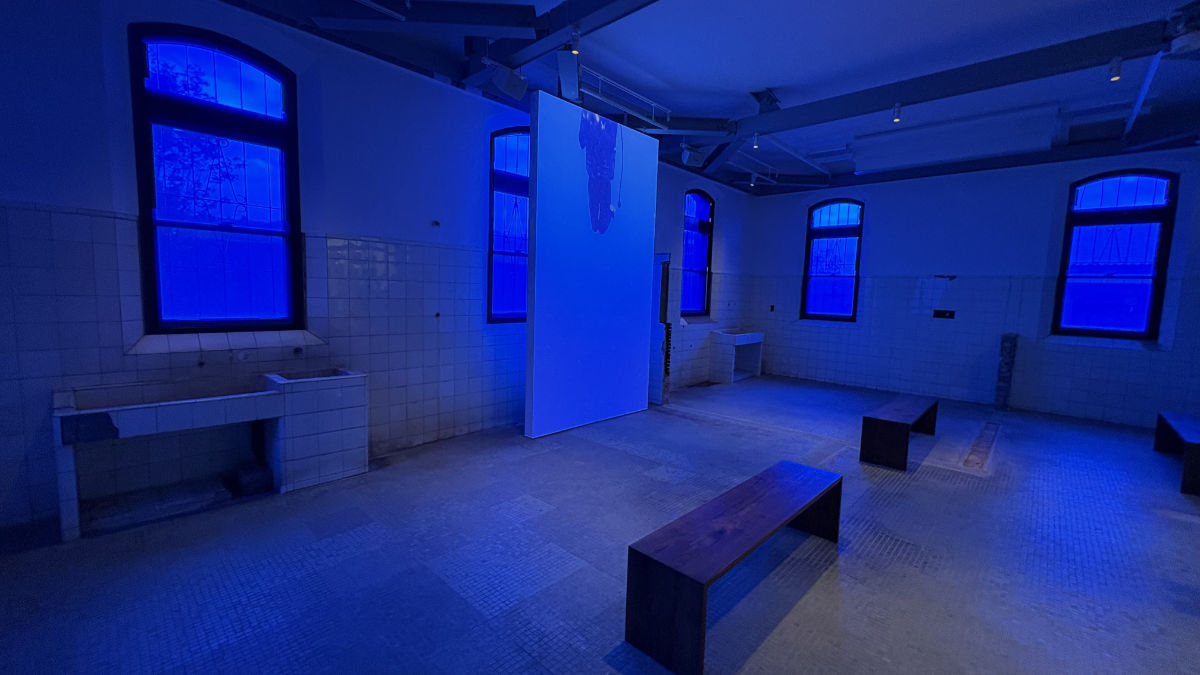
“Dissolving Prayers in the Sea” — a room filled with a pale blue atmosphere.
A video occasionally shows a diver descending while praying:
“Don’t die,” “Be happy,” “May the sea remain blue.”
[Video] Dissolving Prayers in the Sea (from 29 seconds)
This room was originally a bath in the medical ward.
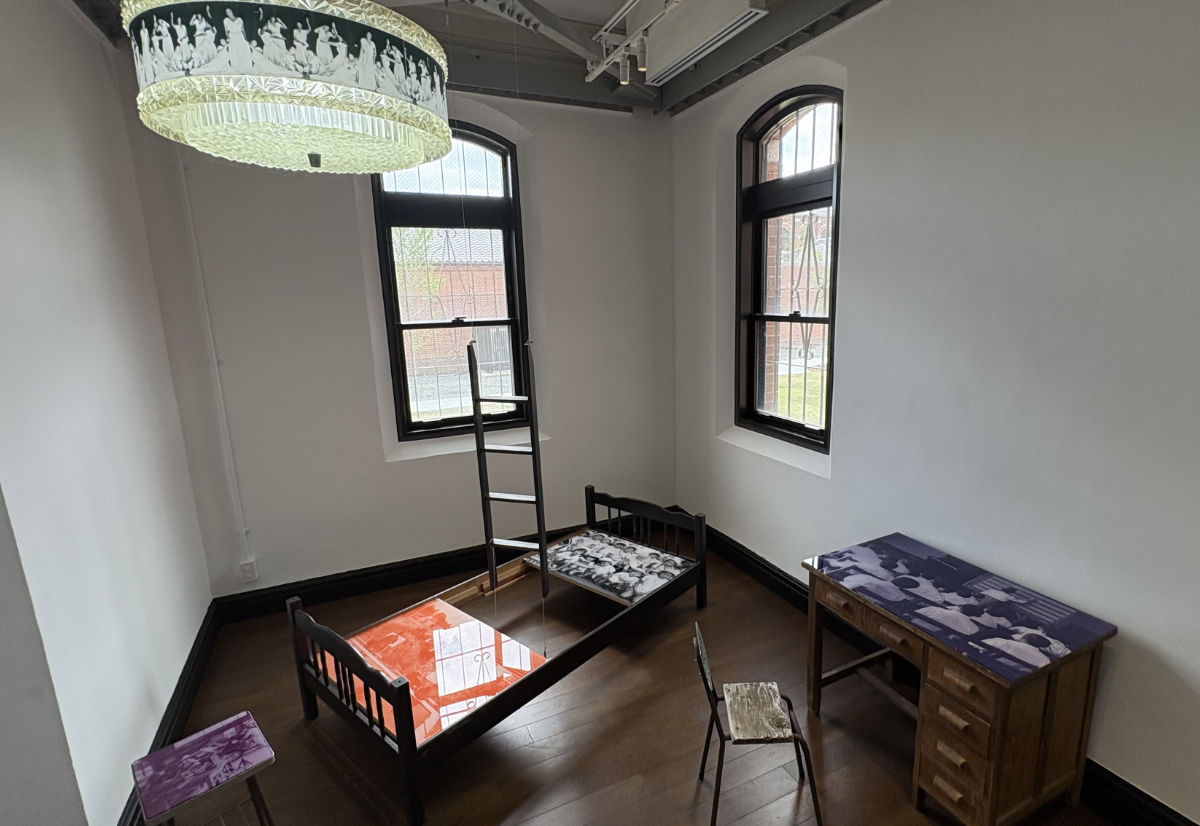
“The Passing Room” — photos are attached to furniture such as tables, beds, and chairs.
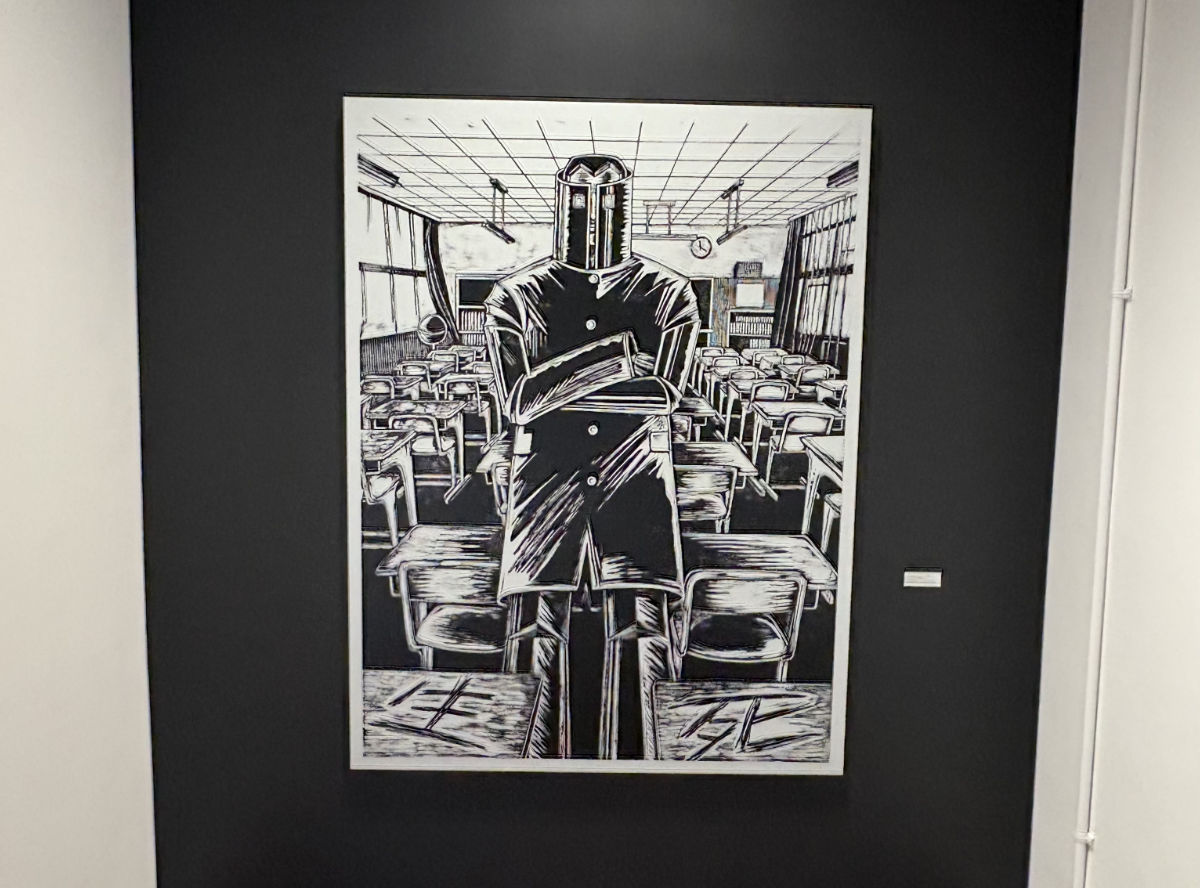
“Order and NEW Us” — a character inspired by Showa-era manga heroes, representing duality: good and evil, order and chaos.
Edo Period Jail
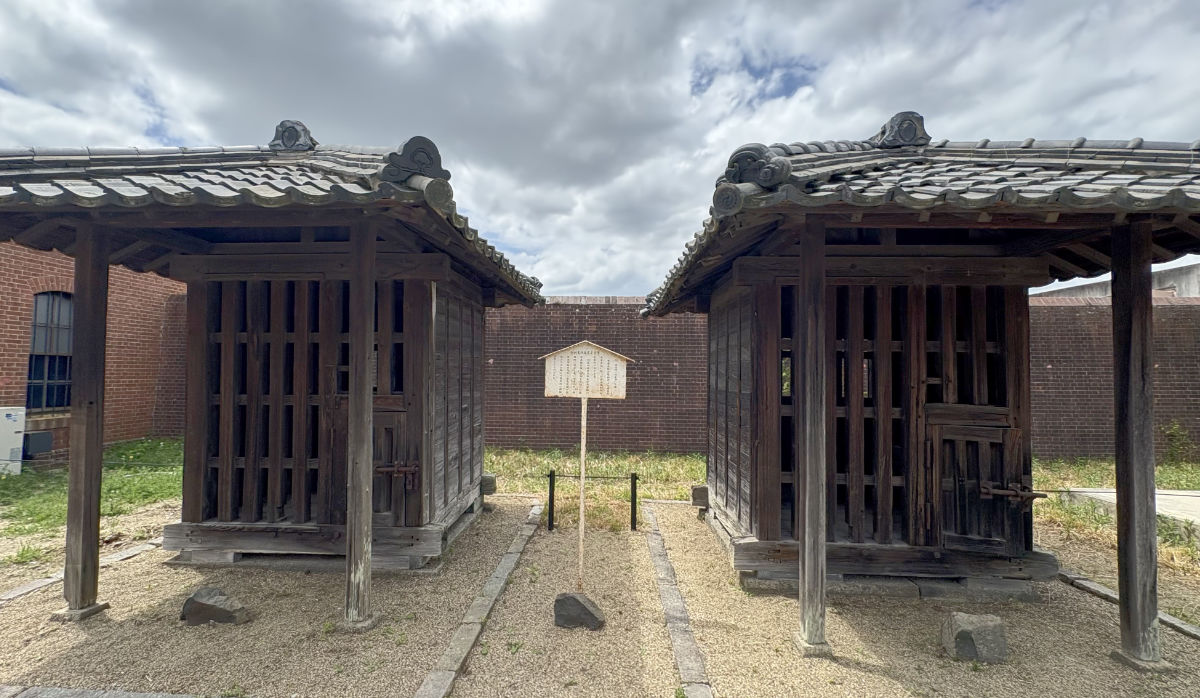
Part of a jail from the Nara Magistrate’s Office in the Edo period.
These small temporary holding cells, about 1.5 tatami mats in size, were called “Gisu-kan” because they resembled insect cages.
After seeing all the exhibits, you can clearly feel the difference between pre-Meiji conditions and the later emphasis on prisoners’ human rights.
Access to Nara Prison Museum
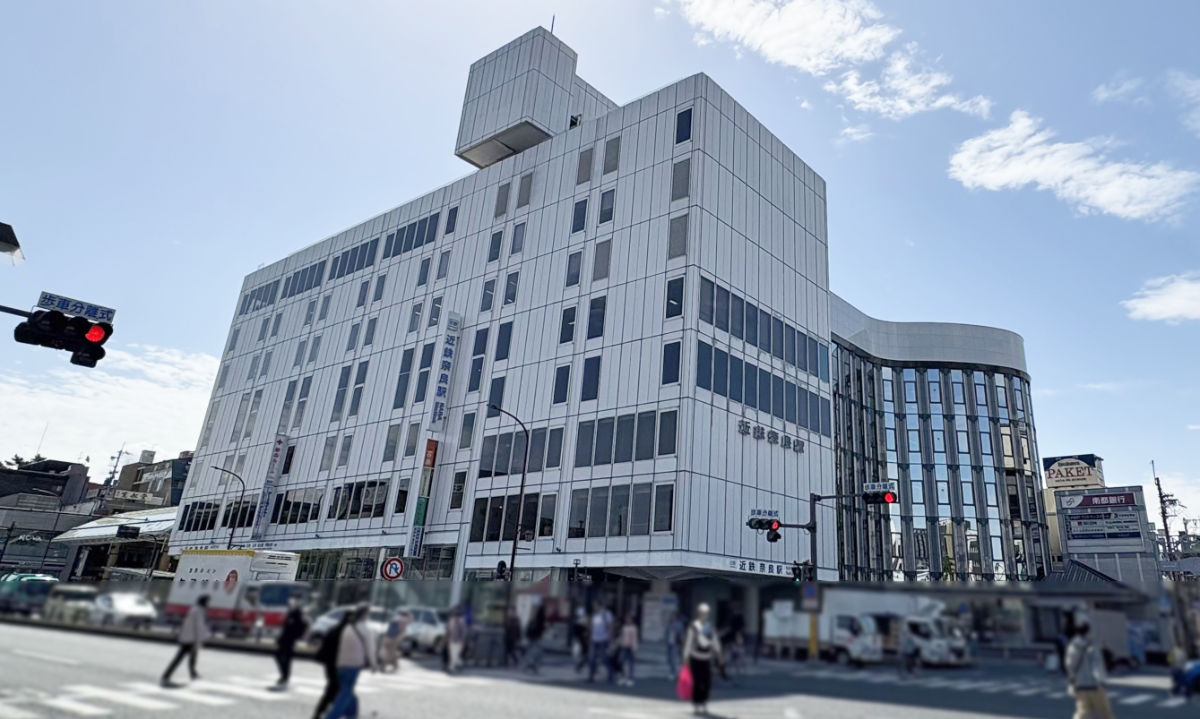
From Kobe (Sannomiya) or Namba, take the Kintetsu train to Kintetsu Nara Station.
You can also access it from Kyoto via JR or Kintetsu lines.
After exiting the west gate of Kintetsu Nara Station and going up to street level, you’ll find the bus terminal right in front.
The same buses serve both JR Nara Station and Kintetsu Nara Station.
You can take a route bus (about 3 per hour) bound for Aoyama Housing and get off at Hannyaji,
or take the direct bus (about once per hour) to “Nara Prison Museum.”
From Nara Station, the bus passes near Nara Park and Todai-ji Temple, then after a short ride, you get off at Hannyaji.
After walking a bit through a residential area, the beautiful building suddenly appears before your eyes.
Purchase tickets for the Nara Prison Museum.

Make the latest USJ and Kansai event updates
easier to find on Google.








![[2026 Latest] USJ Hollywood Dream – The Ride Song List: Fear Level, Wait Times & Backdrop Differences](https://happyell.co.jp/world/wp-content/uploads/2026/07/haridori202501-600x337.jpg.webp)
![[USJ 25th Anniversary Parade] NO LIMIT! Parade ~Discover U!!! Version~: Best Viewing Spots, Stop Locations, and Every Float](https://happyell.co.jp/world/wp-content/uploads/2026/07/nolimitparade2026title-600x338.jpg.webp)