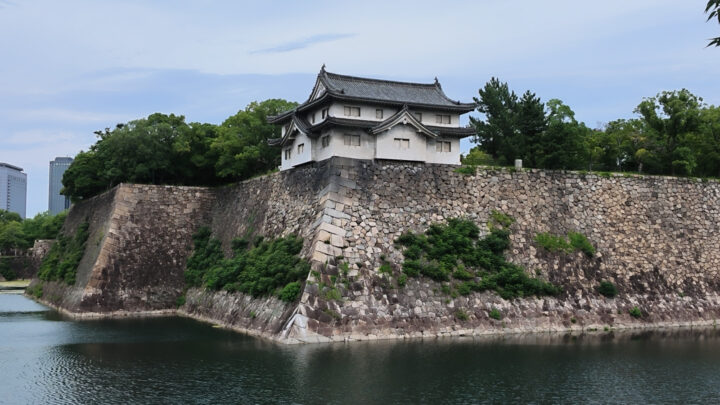
Osaka Castle’s Important Cultural Property, Inui Turret, which is normally closed to the public, will open for a special viewing in summer 2026.
We visited Inui Turret ahead of its public opening. This report takes a detailed look at highlights confirmed on site, including its L-shaped, full two-story layout that cannot be appreciated from outside alone, defensive features such as gun ports and stone-dropping openings, pillars and beams more than 400 years old, and exhibits explaining traditional building techniques.
What You’ll Learn in This Article
- Why Osaka Castle’s Inui Turret was considered a base for counterattacks
- Highlights of the L-shaped, full two-story interior, gun ports, and stone-dropping openings
- Exhibits on drawings, roof tiles, construction techniques, and the history of repairs
- Summer 2026 opening dates, admission fees, and ticket information
- How to enjoy Osaka Castle Main Tower, the Toyotomi Stone Wall Museum, and the digital stamp rally
On-Site Report: Special Opening of Osaka Castle’s Inui Turret
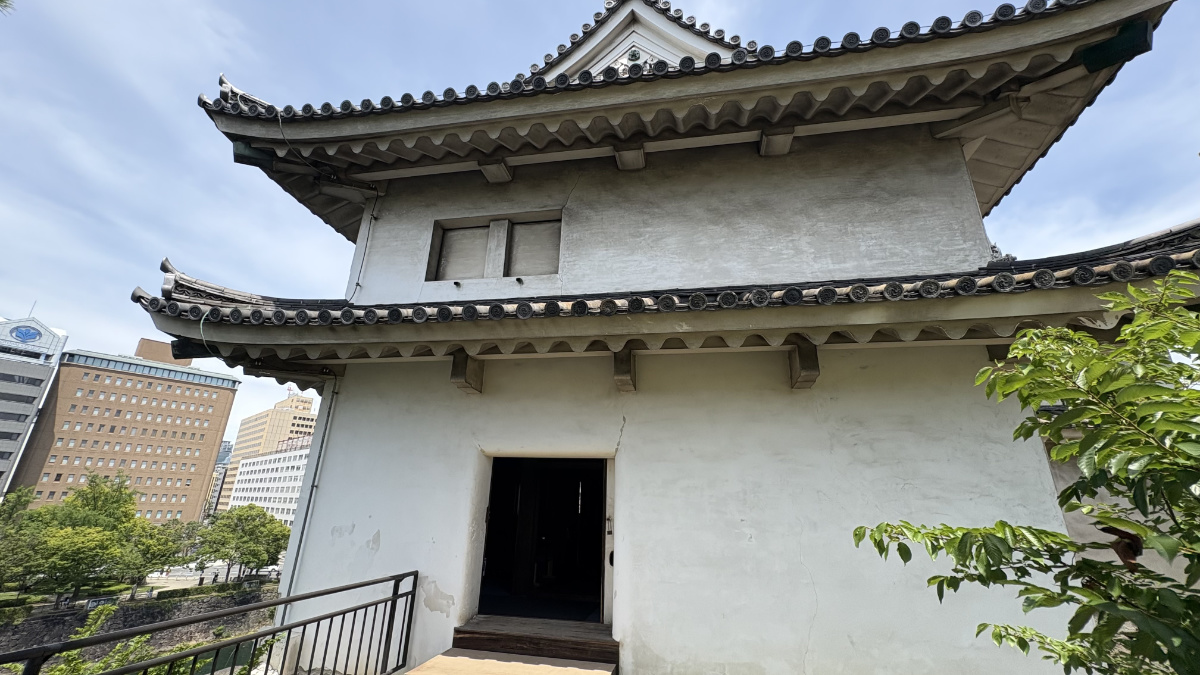
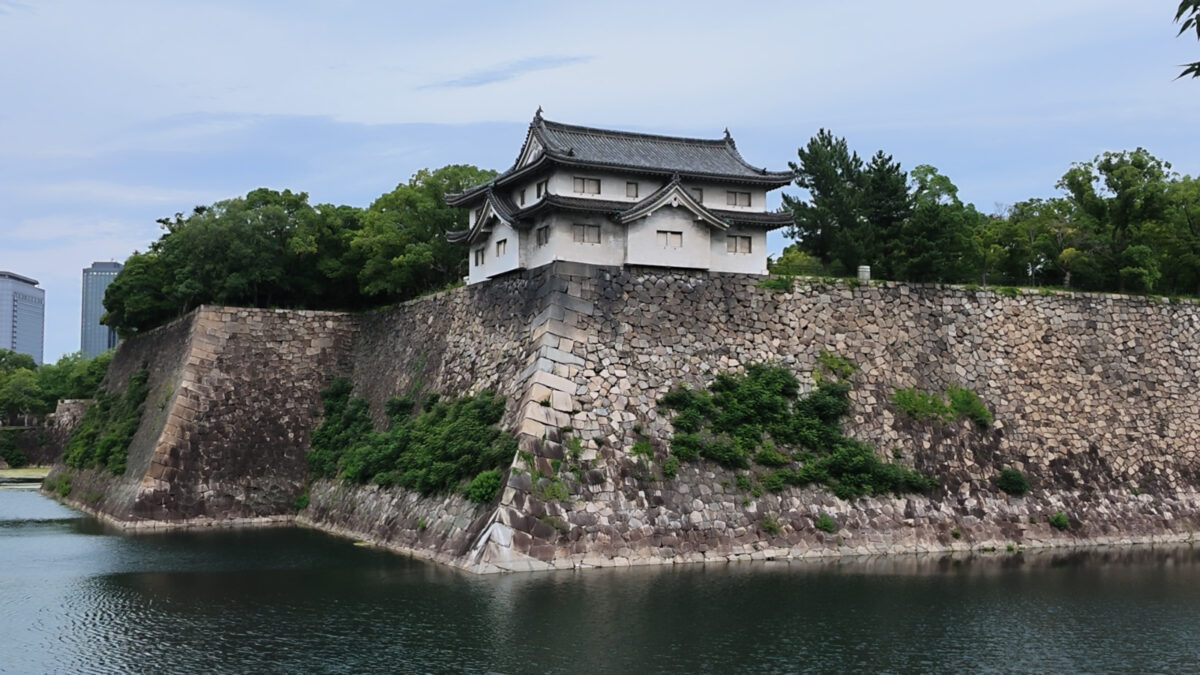
Inui Turret stands at the northwest corner of Osaka Castle’s Nishinomaru Garden. The word “inui” refers to the northwest direction, and the turret was responsible for watching for and repelling enemies approaching the castle from the west and north.
It is introduced as a structure built in Genna 6 (1620), when Tokugawa Hidetada began rebuilding Osaka Castle. One of its greatest attractions is that this early Edo-period wooden building still stands in its original location.
This was five years after the Toyotomi clan was destroyed in the 1615 Summer Siege of Osaka.
The theme of the 2026 special opening is “An Extraordinary Historical Experience at a Base for Counterattacks.” Rather than a building that symbolizes the entire castle like the main tower, Inui Turret lets visitors experience Osaka Castle as a practical military facility designed to watch for enemies and defend against attacks.
Highlights of Inui Turret
A Rare L-Shaped Interior
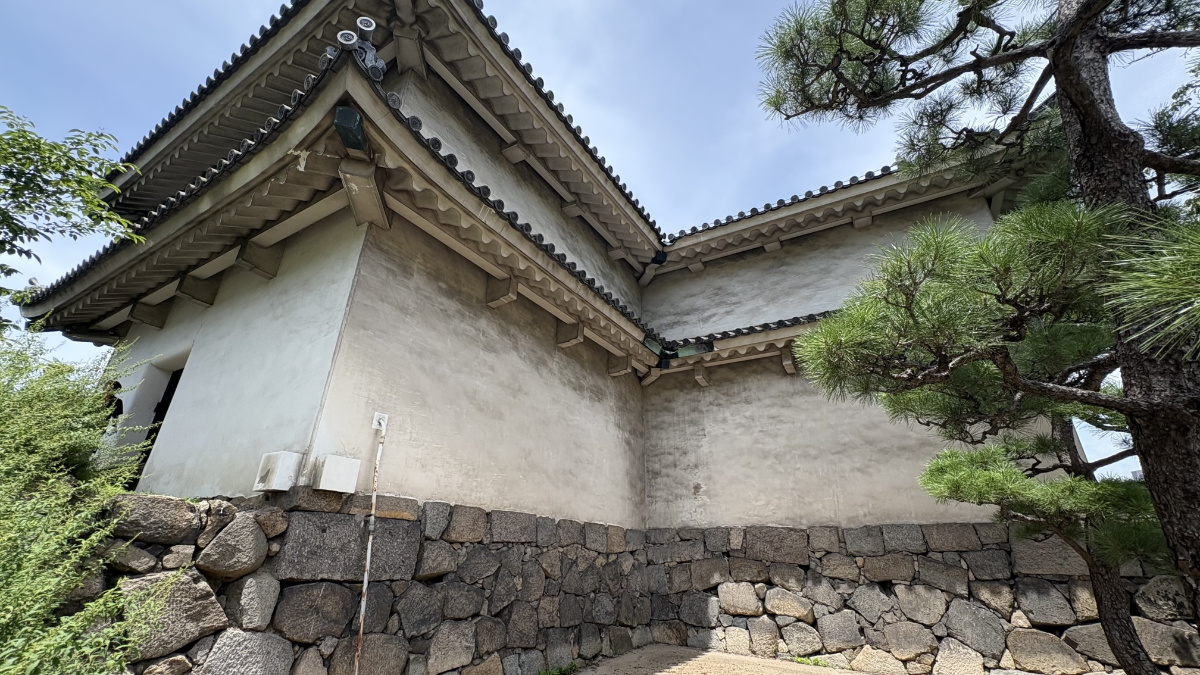
One of Inui Turret’s defining features is its L-shaped floor plan. A wing facing the West Outer Moat connects at a right angle with a wing facing north, creating a structure that could monitor two directions at once.
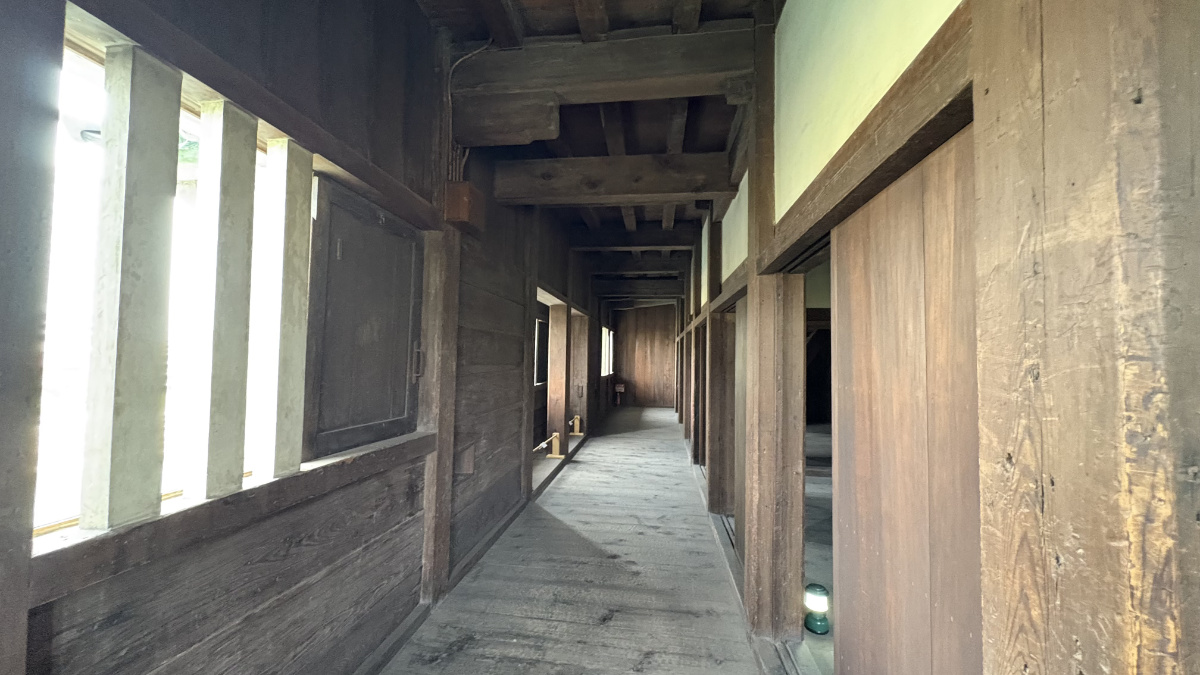
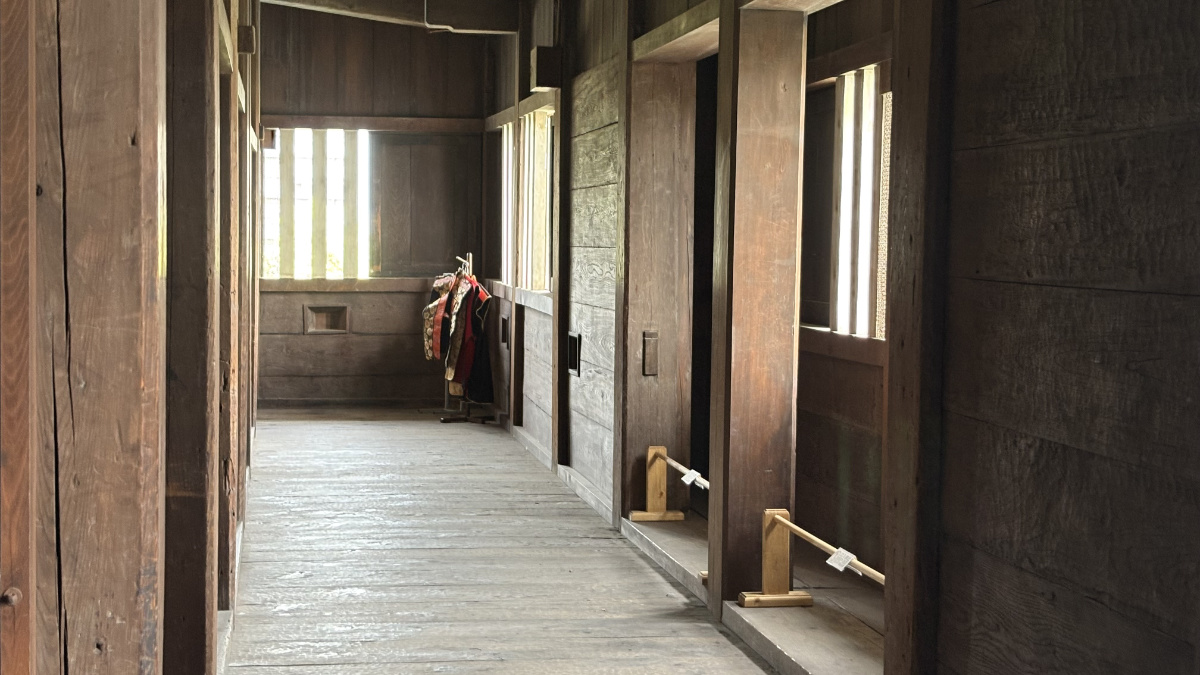
Both wings have first and second floors, forming a full two-story structure. Walking through the interior reveals far more depth than the exterior suggests. Standing at the bend and looking both ways makes it clear that Inui Turret was not merely a lookout, but was designed to defend a broad area to the northwest.
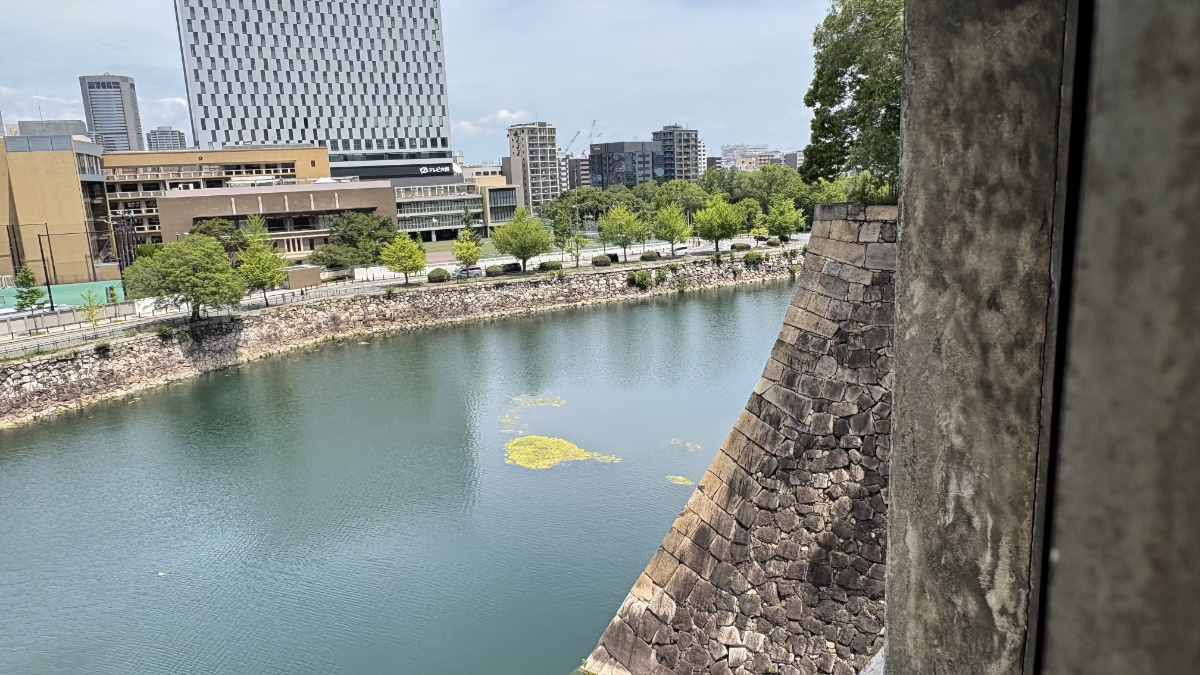
“Combat Architecture” Seen Through Gun Ports and Arrow Slits
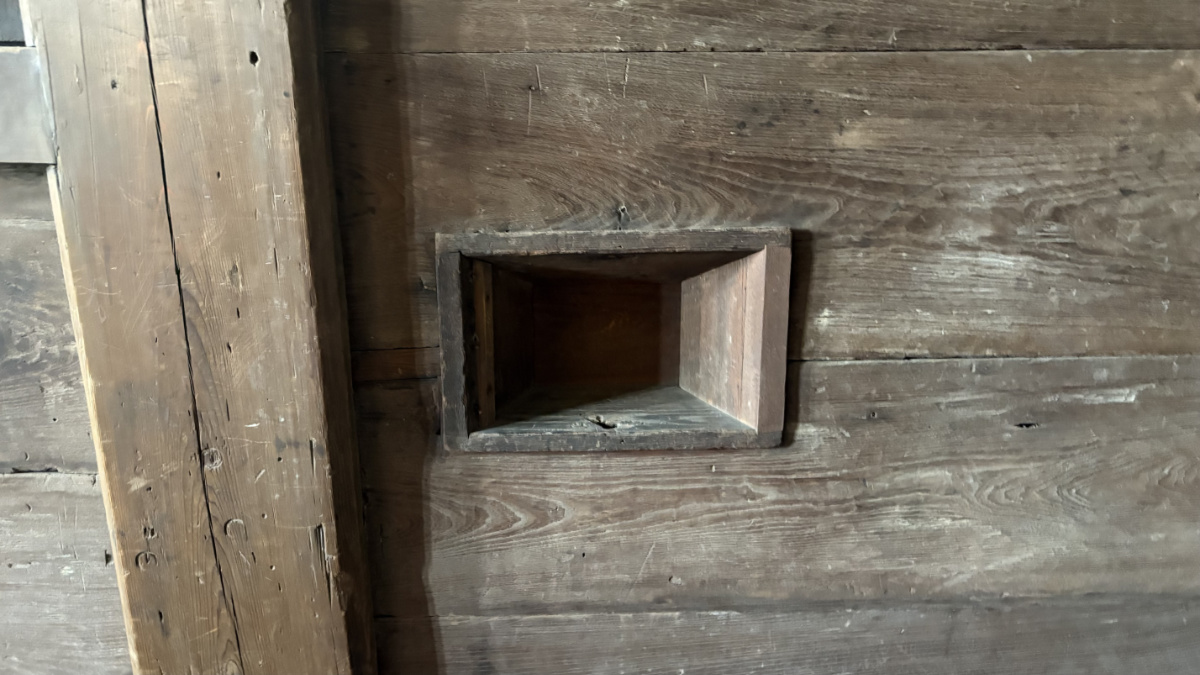
The walls contain gun ports and arrow slits used to attack enemies outside. From the exterior they appear to be small openings, but from inside it becomes easy to understand how they allowed defenders to use matchlock guns and bows while remaining protected from enemy fire.
Pay attention to the direction of the windows and loopholes as well. They are positioned to overlook the West Outer Moat and the northern side, revealing how the turret was designed around the routes from which enemies were expected to approach.
Stone-Dropping Openings for Attacking Enemies Below
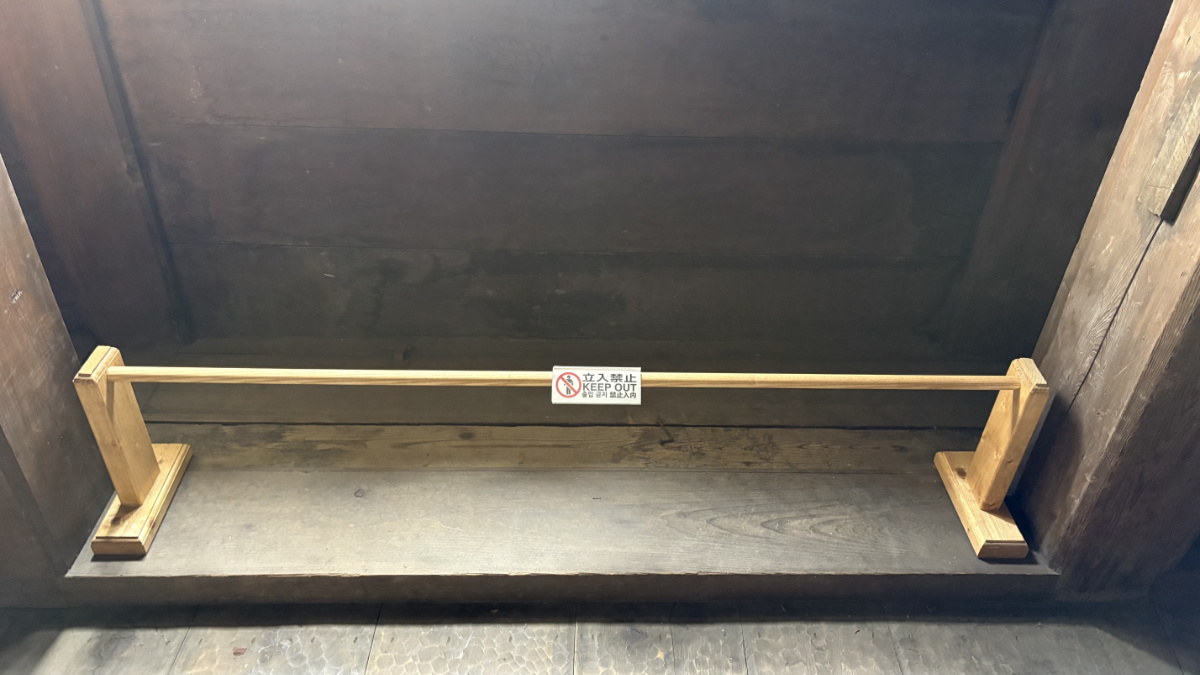
The stone-dropping openings used to attack enemies who had climbed the stone walls and reached the area directly beneath the turret are another key feature demonstrating its role as a defensive stronghold.
Although the name suggests a device for dropping stones, these were openings created to attack enemies directly below. Viewing their actual position and angle from inside shows how the stone walls and turret worked together to defend the castle.
See 400-Year-Old Pillars, Beams, and Roof Framing Up Close
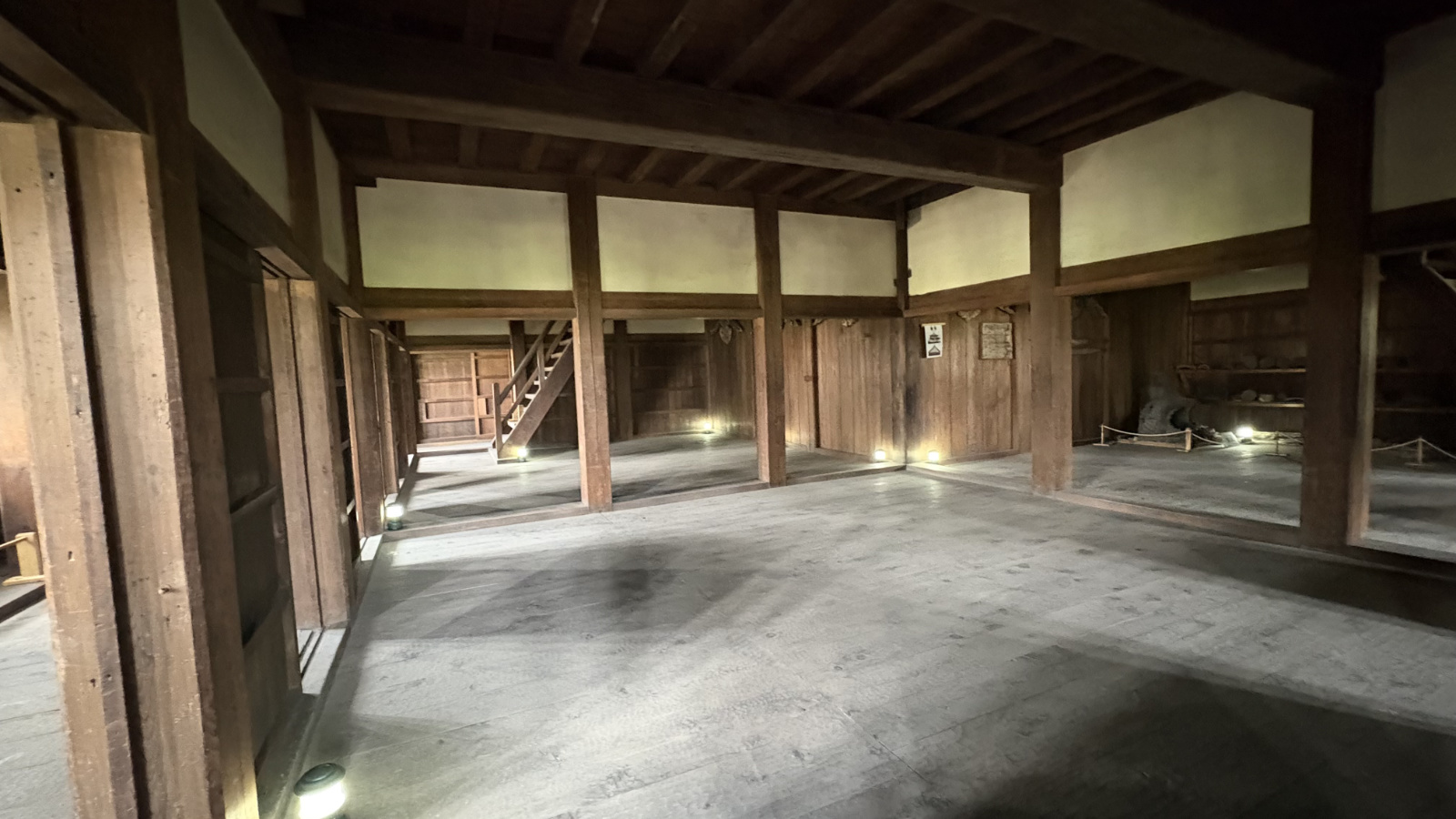
Inside Inui Turret, visitors can closely inspect its thick pillars, beams, girders, and roof trusses. Because structural timbers that are hidden behind finishes in modern buildings remain visible here, the turret offers a three-dimensional view of early Edo-period wooden architecture.
Also look for the joinery used to connect timbers and the wedges that secure structural members—ingenious methods for supporting a large building with limited materials. The aged surfaces of the wood and traces of repairs that have kept the building standing to the present day also convey the skills required to preserve cultural properties for future generations.
Tokugawa Iemitsu Waved a Command Baton from an Inui Turret Window
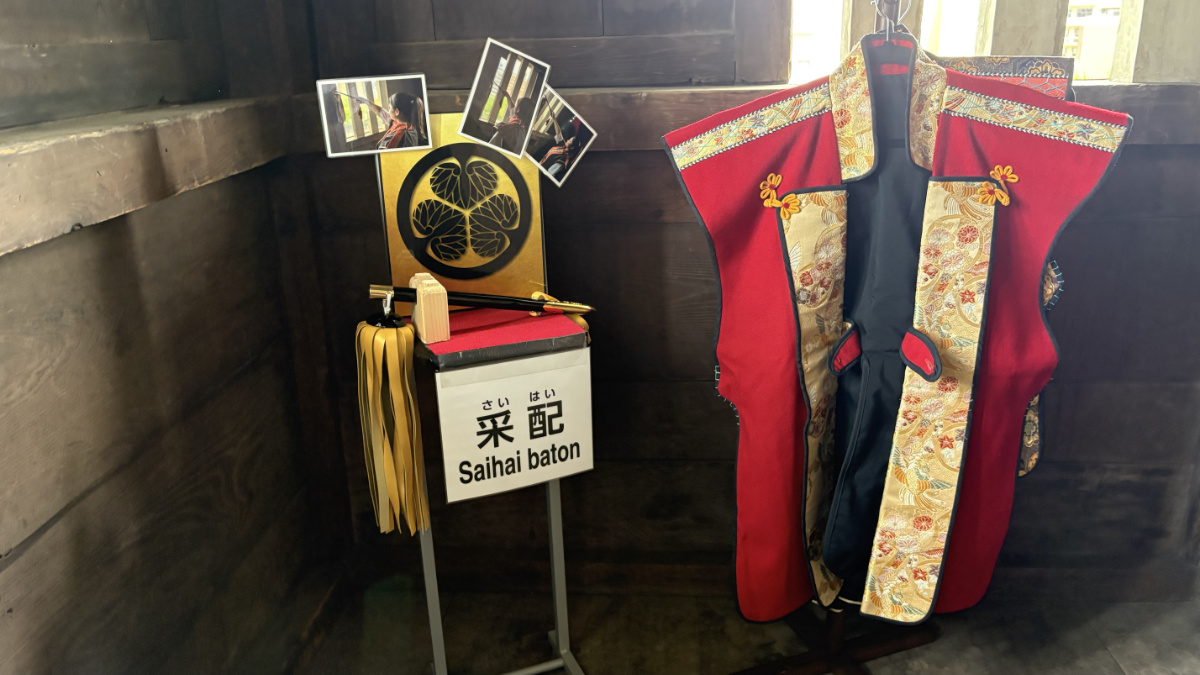
Several years after the reconstruction of Osaka Castle was completed, the third shogun, Tokugawa Iemitsu, visited the castle.
A story records that he waved a command baton from a window of Inui Turret as a sign of his promise to exempt Osaka townspeople from land rent, a charge comparable to today’s property tax.
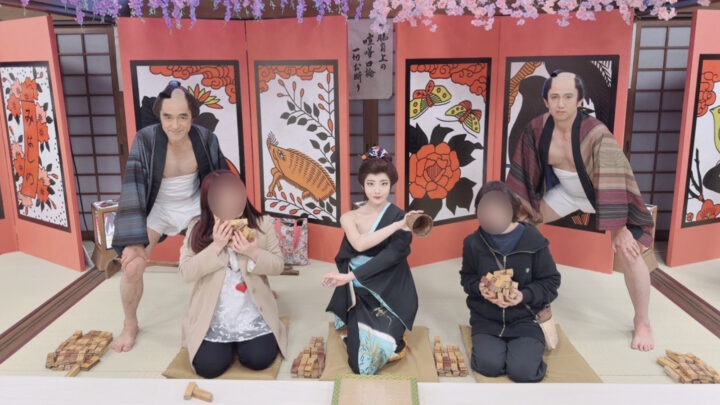
In reference to this episode, the special opening includes a photo opportunity where visitors can dress in costume and pose while “waving a command baton.”
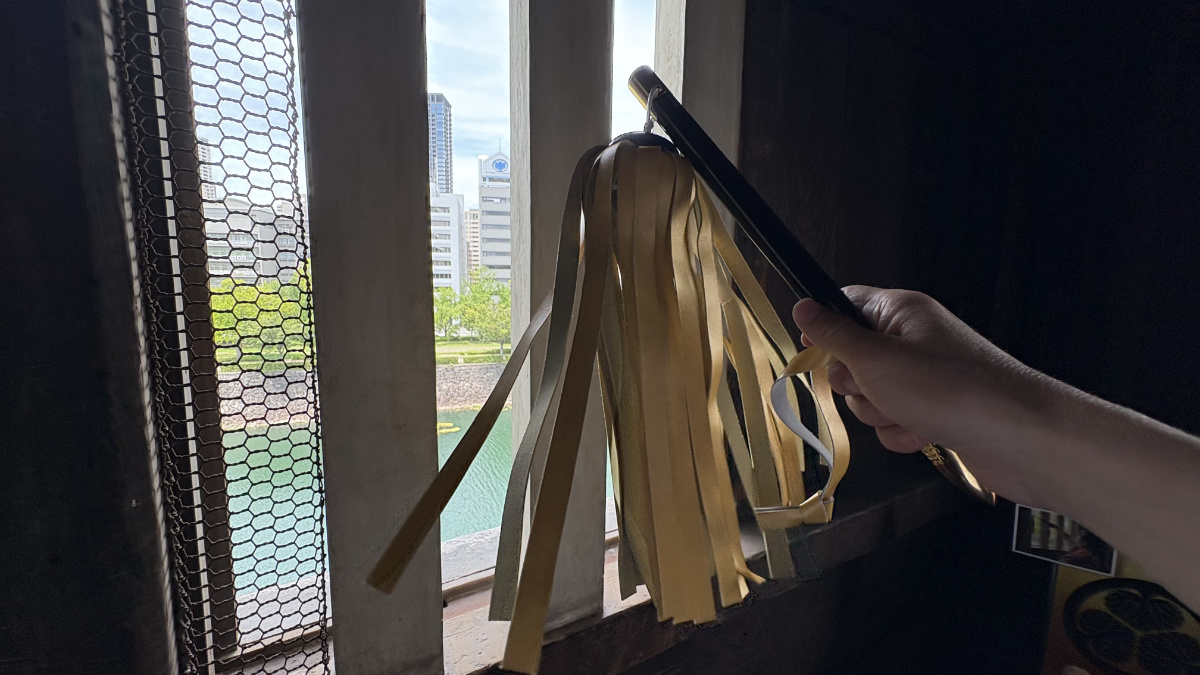
The only Tokugawa shoguns known to have visited Osaka Castle were Tokugawa Iemitsu and the 14th shogun, Tokugawa Iemochi.
Exhibits Inside Inui Turret
Tokugawa Osaka Castle Through Roof Tiles and the Hollyhock Crest
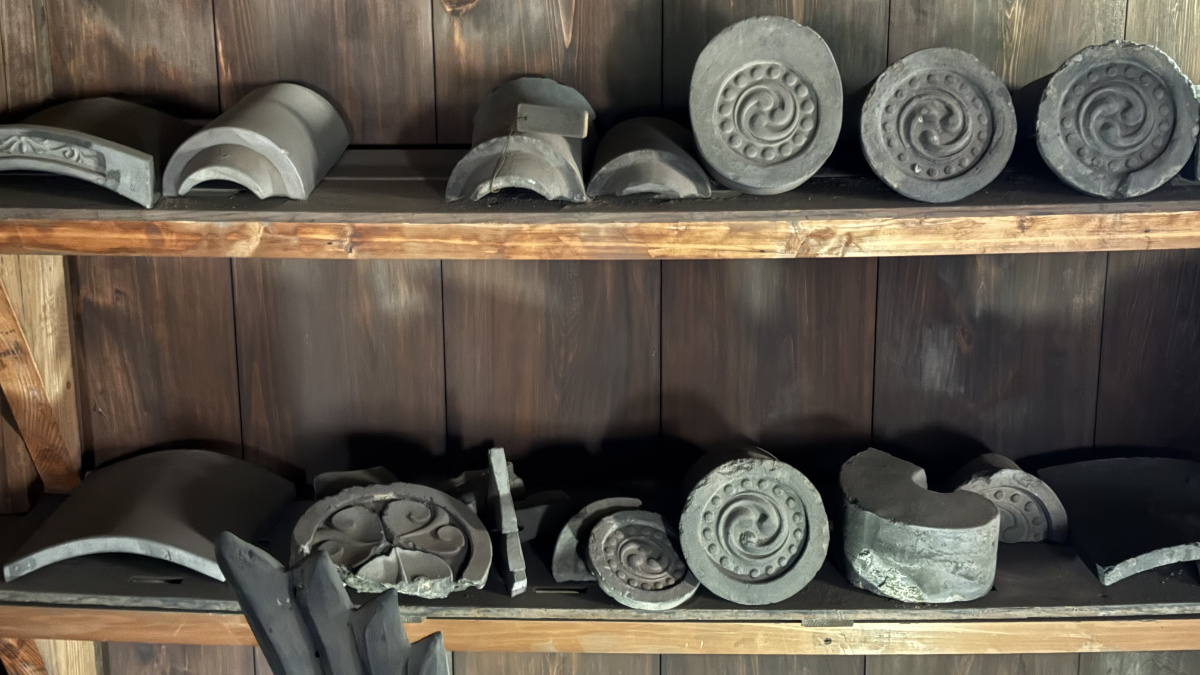
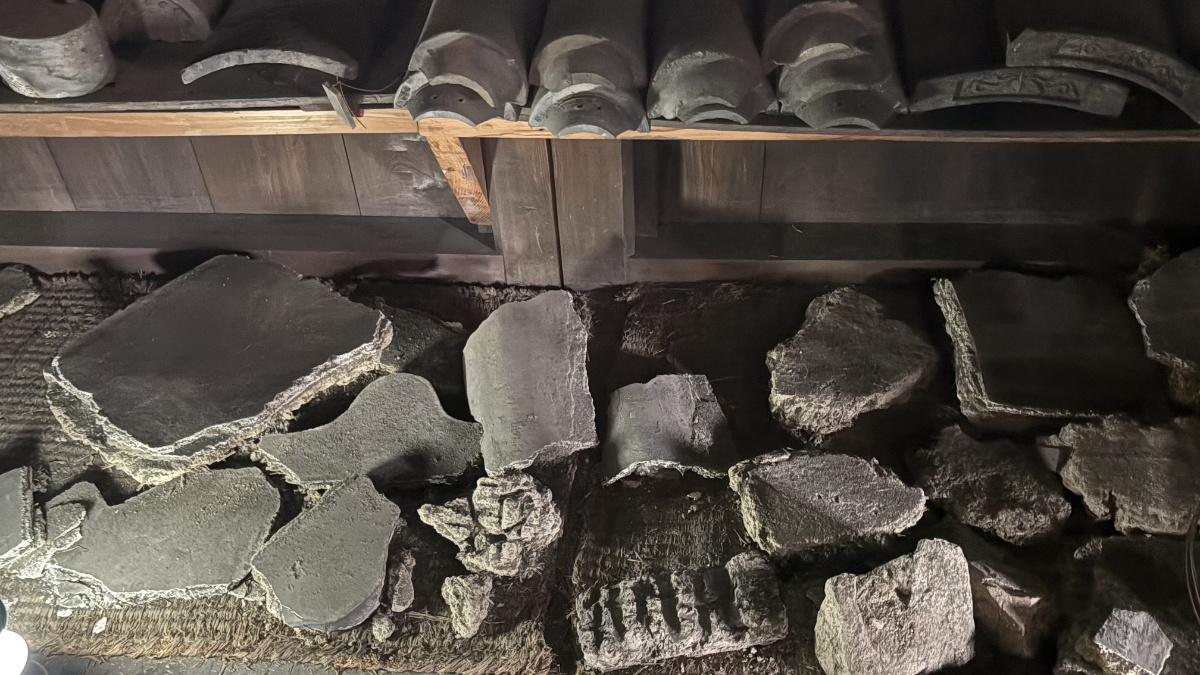
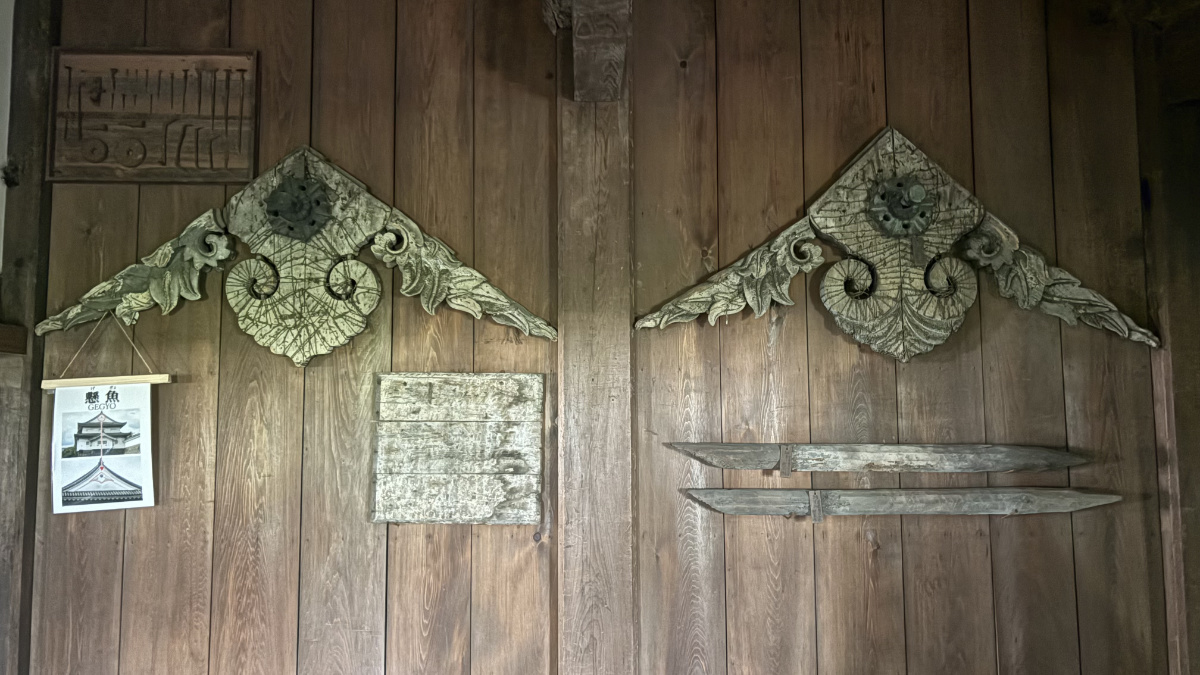
Explanations of the roof tiles, ornamental ridge-end tiles, and the Tokugawa family’s hollyhock crest show that Inui Turret belongs to the Osaka Castle rebuilt by the Tokugawa shogunate.
When viewing the exterior, look beyond the white walls and roofline to the gables and tile designs. They reveal both the prestige of castle architecture and the practical function of a defensive facility.
Use, Repair, and Preservation Since the Meiji Era
The exhibits also cover the modern period, when the Osaka Castle grounds were used by the army, the era of wartime damage, and the subsequent history of repair and preservation.
Many buildings at Osaka Castle were lost in fires during the Meiji Restoration and in air raids during World War II. Learning how Inui Turret survived to the present makes the rare opportunity to enter and inspect an Edo-period building even more meaningful.
What to Look For
The appeal of Inui Turret goes beyond simply entering a building more than 400 years old.
By examining the gun ports, stone-dropping openings, window directions, L-shaped floor plan, and massive pillars and beams one by one, the building’s purposes—watching enemies from here, attacking below the stone walls, and defending two directions at once—come together in the physical space.
Experiencing the tension of an era when castles were military facilities—something that can be difficult to grasp from exhibits in the main tower alone—is unique to the special opening of Inui Turret. Even visitors without extensive historical knowledge can follow the defensive features as a guide to understanding the building.
As a side note, you can see Inui Turret from the outside by getting off at Temmabashi Station on the Osaka Metro Tanimachi Line and walking toward Osaka Castle Park.
Digital Stamp Rally Exploring Traces of Toyotomi Osaka Castle
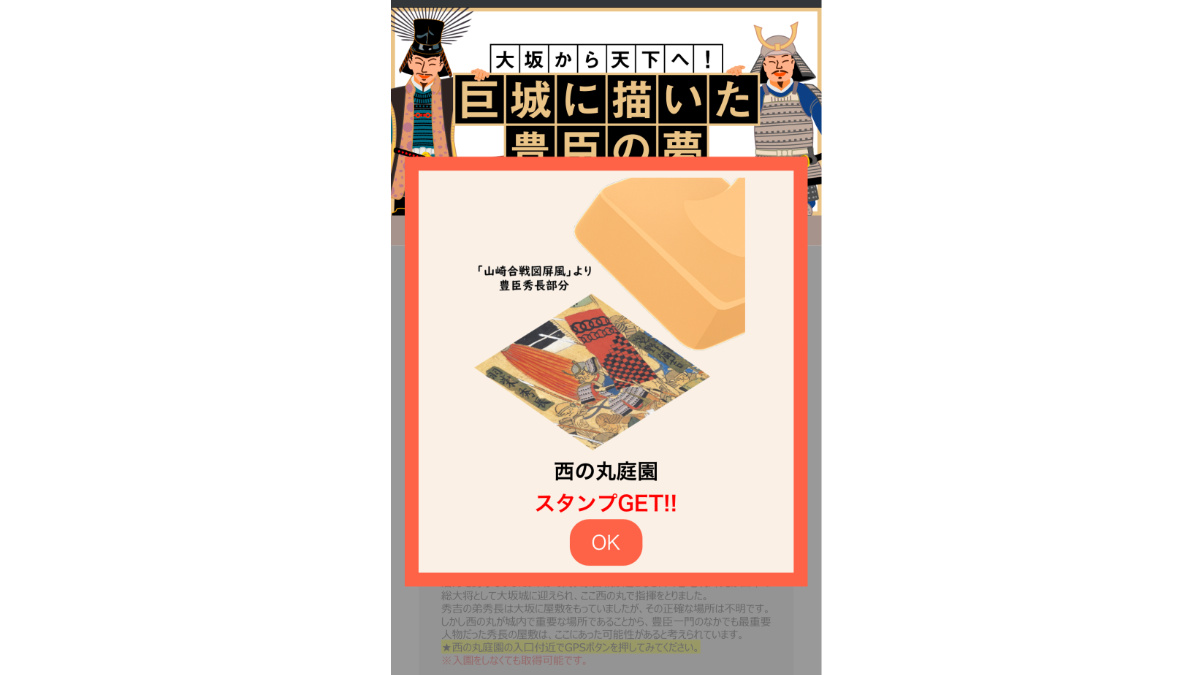
Osaka Castle Park is hosting the “From Osaka to Rule the Realm! The Toyotomi Dream Drawn on a Mighty Castle—Follow the Traces of Toyotomi Osaka Castle! Digital Stamp Rally” from Tuesday, April 14 through Sunday, December 27, 2026.
Participants visit six sites related to Toyotomi Osaka Castle within Osaka Castle Park and collect digital stamps using GPS or on-site QR codes.
Six Stamp Rally Locations
- Nishinomaru Garden (believed to be the site of Toyotomi Hidenaga’s residence)
- Osaka Castle Plum Grove (site of the Ichinomasa Kuruwa compound and the residence of Katagiri Ichinomasa Katsumoto)
- Gokurakubashi Bridge
- Vertical shaft in Osaka Castle’s inner bailey (Toyotomi Osaka Castle stone walls, the Mysterious Stone Wall, and the Nakanodan Stone Wall)
- Osaka Castle Main Tower (the main tower of Toyotomi Osaka Castle)
- Osaka Castle Toyotomi Stone Wall Museum (Toyotomi Osaka Castle stone walls and the Tsume-no-maru Stone Wall)
Admission is required to obtain the stamps at Osaka Castle Main Tower and the Osaka Castle Toyotomi Stone Wall Museum. Admission is US$7.50 for adults and US$3.75 for university and high school students. Admission is free for junior high school students and younger, Osaka City residents age 65 and older, and visitors with a disability certificate or equivalent documentation. University and high school students, as well as visitors eligible for free admission, must present proof of eligibility.
Most people visiting Osaka Castle will also visit the main tower.
Be sure to collect the stamp while you are inside.
At the Toyotomi Stone Wall Museum, the stamp is obtained by scanning the QR code near the entrance.
Collect All Six and Receive a Clear File Folder
The first 5,000 participants who collect stamps from all six locations will receive an original-design clear file folder. One folder is available per device, while supplies last. A bonus image with no quantity limit can also be downloaded.
Prizes can be redeemed at the second-floor office of Osaka Castle Main Tower, the Osaka Castle Toyotomi Stone Wall Museum information desk, the MIRAIZA OSAKA-JO information desk, the JO-TERRACE OSAKA information desk, the Osaka Castle Park Center reception desk, or the Nishinomaru Garden ticket office.
Osaka Castle Main Tower and Toyotomi Stone Wall Museum on the Digital Stamp Rally
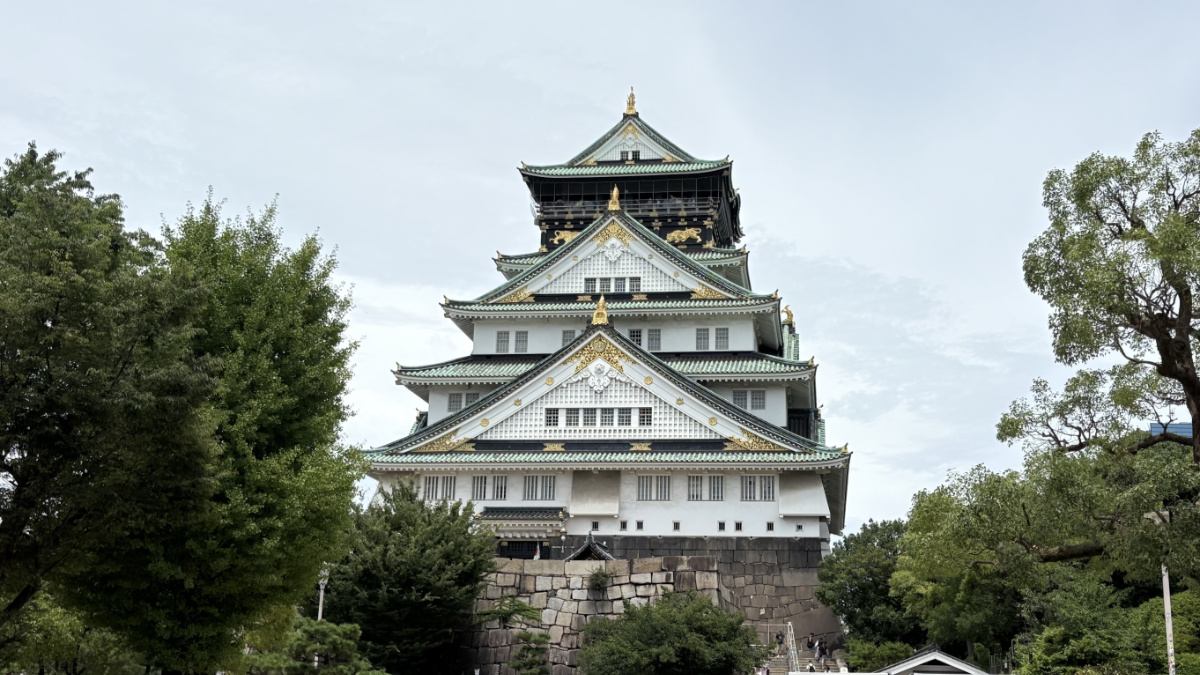
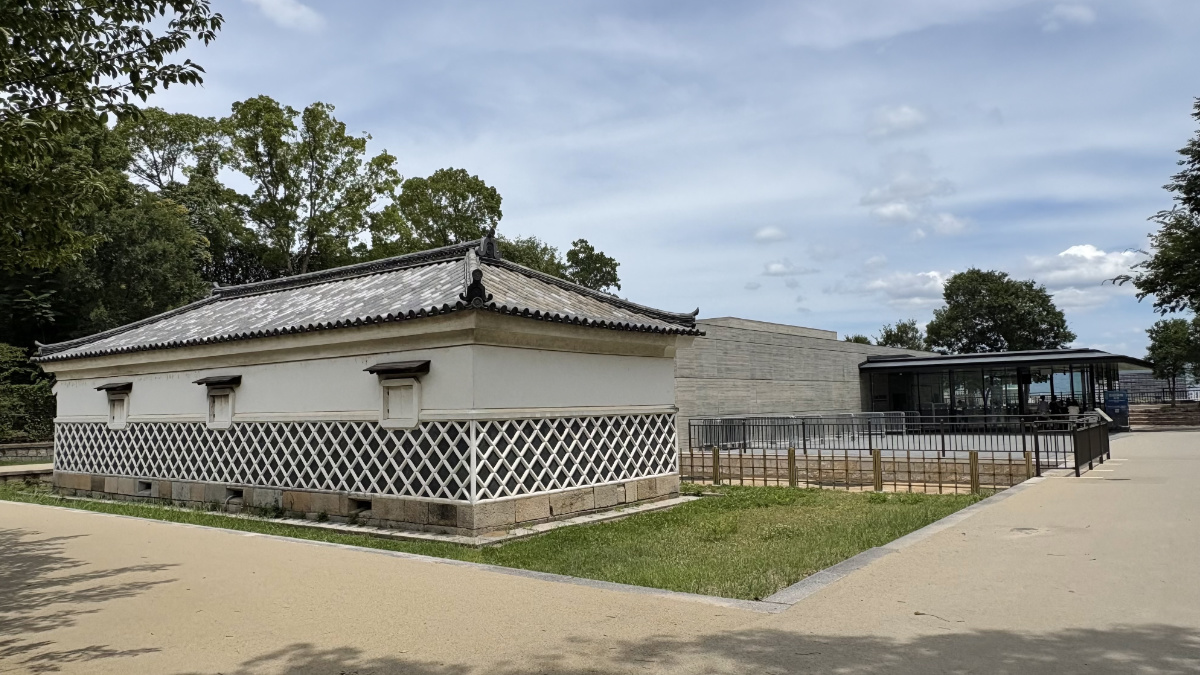
For this report, we entered not only Inui Turret but also Osaka Castle Main Tower and the Osaka Castle Toyotomi Stone Wall Museum.
Inui Turret is an early Edo-period building dating from the start of the Tokugawa shogunate’s reconstruction of Osaka Castle. At the Osaka Castle Toyotomi Stone Wall Museum, meanwhile, visitors can see the stone walls of Toyotomi Osaka Castle that were buried underground during the Tokugawa reconstruction.
Visiting these sites together with the main tower exhibits makes it easier to understand Osaka Castle’s transition from the Toyotomi era to the Tokugawa era through three perspectives: historical materials, architecture, and archaeological remains.
Osaka Castle Main Tower
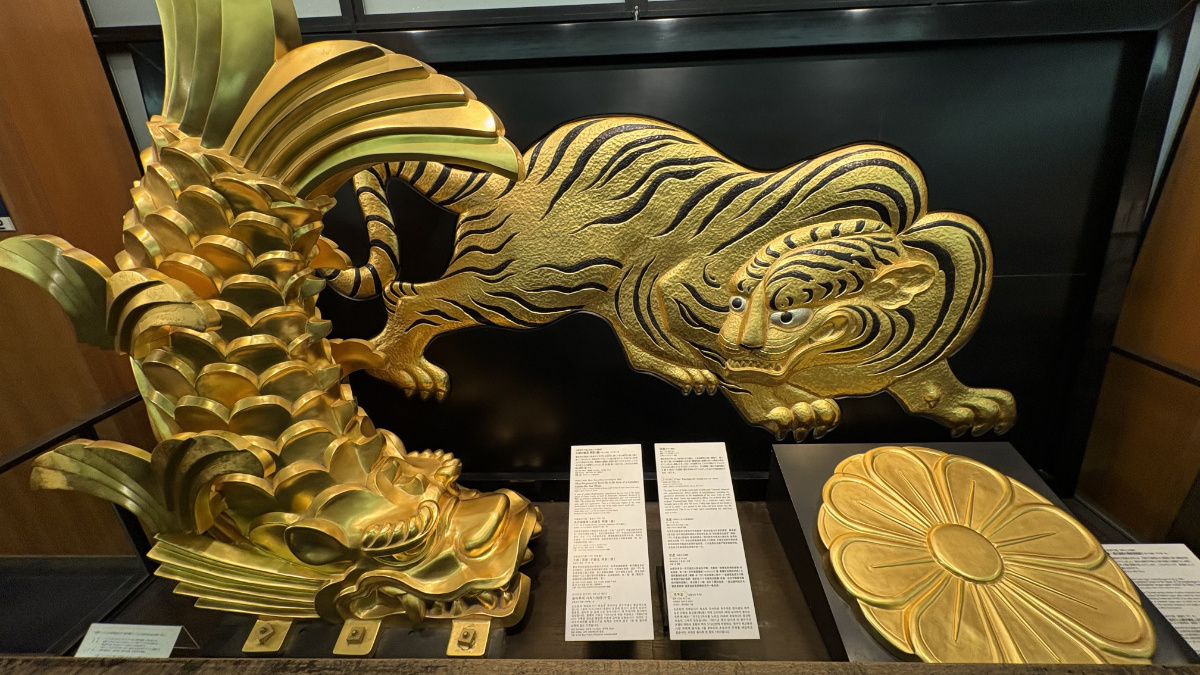
Osaka Castle Main Tower is the third main tower on the site. It was reconstructed in 1931 through donations from local residents and has served as a museum since it opened.
Inside, exhibits include materials associated with Toyotomi Hideyoshi, cultural properties from the Sengoku period, the world depicted in the folding screens of the Summer Siege of Osaka, and reconstructed models of Osaka Castle’s inner bailey in the Toyotomi and Tokugawa eras. The seventh floor presents the life of Toyotomi Hideyoshi, while the eighth-floor observation deck overlooks Osaka Castle Park and the city of Osaka.
Stopping here before or after visiting Inui Turret allows you to review the broad flow of Osaka Castle’s history before seeing the actual building and its defensive features.
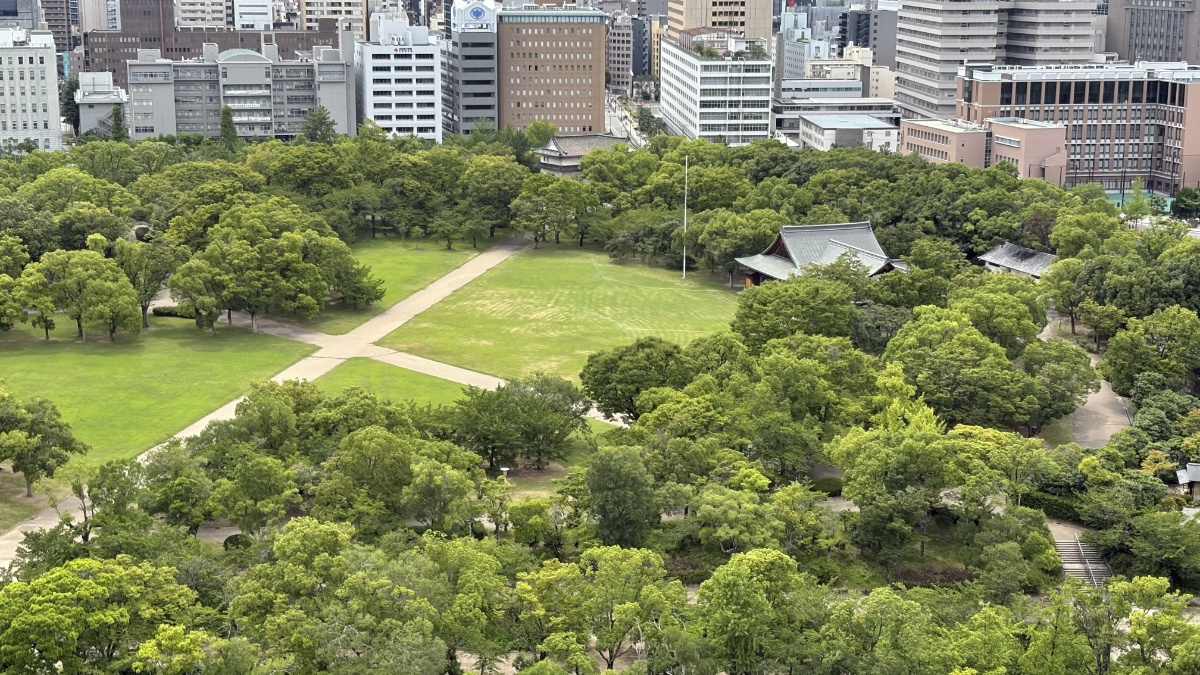
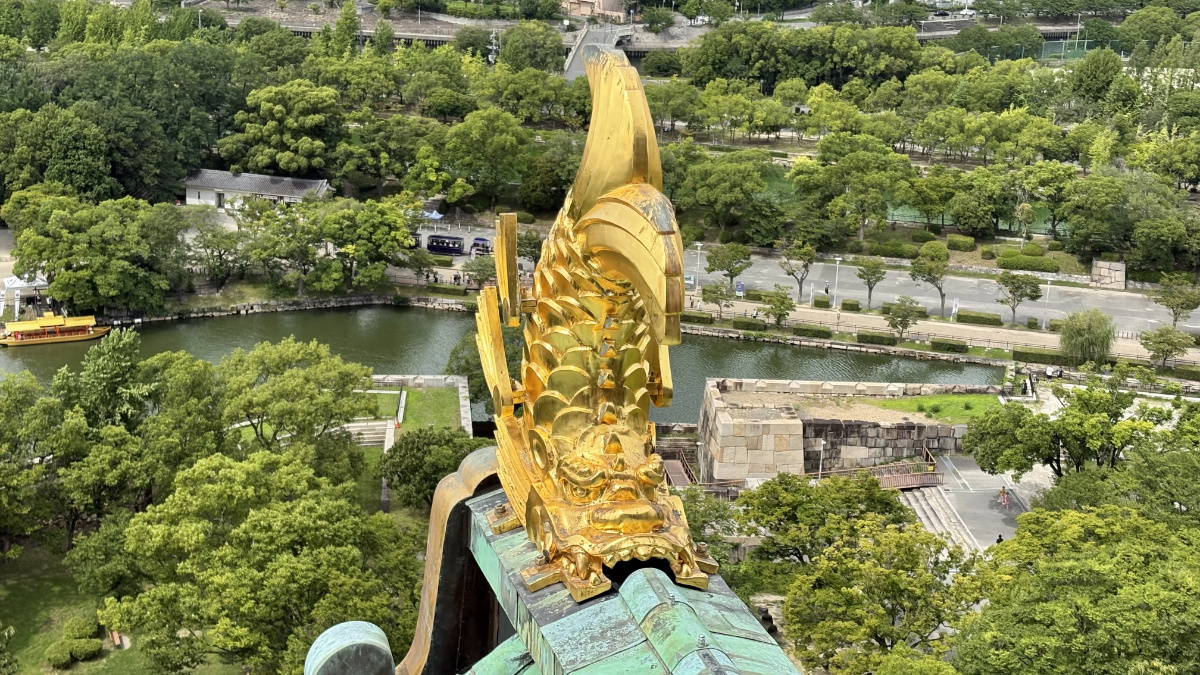
Inui Turret can be seen from the main tower.
Although partly hidden by trees, the view from the main tower shows the modern city spreading beyond the moat.
It also makes clear that Inui Turret stands at the rear of the castle in an area vulnerable to attack.
Osaka Castle Toyotomi Stone Wall Museum
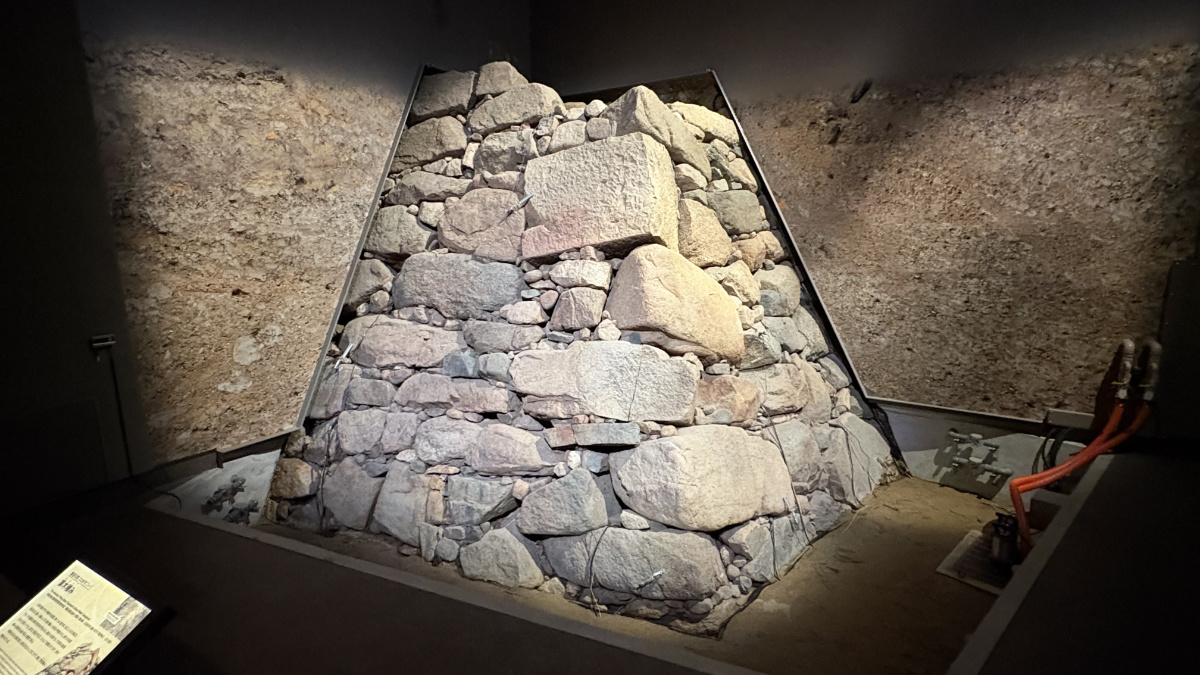
The Osaka Castle Toyotomi Stone Wall Museum opened in 2025. Visitors descend underground to view a stone wall discovered during a 1984 excavation that once defended the Tsume-no-maru compound of Toyotomi Osaka Castle.
Highlights include nozura-zumi masonry, in which natural stones are stacked with almost no shaping; traces of fire from the Summer Siege of Osaka; backing stones packed behind the wall for drainage; and repurposed stones such as foundation stones from ancient temples.
The stone walls, moats, Inui Turret, and other historic structures visible above ground in Osaka Castle Park today date from the Tokugawa era or later. The Toyotomi Stone Wall Museum reveals the remains of Toyotomi-era Osaka Castle farther underground, so visiting it together with Inui Turret makes the differences between the two periods easy to understand.
A separate article will provide a detailed look at the exhibits, recommended route, and on-site highlights of Osaka Castle Main Tower and the Osaka Castle Toyotomi Stone Wall Museum.
| Event Period | Tuesday, April 14, 2026, 9:00 a.m. – Sunday, December 27, 2026, 5:30 p.m. |
|---|---|
| Location | Throughout Osaka Castle Park |
| How to Participate | Visit six locations and collect stamps using GPS or QR codes |
| Participation Bonus | Original clear file folder for the first 5,000 participants and a bonus image |
Official information: Osaka City, “Follow the Traces of Toyotomi Osaka Castle! Digital Stamp Rally”
What to Know Before Your Visit
- Inui Turret is the building open for interior viewing during the summer
- It is open only on Saturdays, Sundays, and public holidays during the event period
- No advance reservation is required; tickets are sold on the day of the visit
- A combination ticket with Osaka Castle Main Tower is also available
- Follow on-site instructions regarding photography areas and the visitor route
- The opening may be suspended due to weather or maintenance conditions in Nishinomaru Garden
2026 Special Opening Information for Osaka Castle’s Inui Turret
| Event Name | Reiwa 8 Important Cultural Property: Osaka Castle YAGURA Special Opening |
|---|---|
| Summer Building | Important Cultural Property: Inui Turret |
| Event Period | Saturdays, Sundays, and public holidays from Saturday, July 18 through Sunday, August 16, 2026 |
| Hours | 10:00 a.m.–4:30 p.m. (ticket sales end at 3:30 p.m.; last admission at 4:00 p.m.) |
| Venue | Inui Turret in Nishinomaru Garden, Osaka Castle |
| Admission | Turret common ticket: adults (high school age and older) US$5.63; children (junior high school age and younger) US$1.88. Preschool children and visitors with a disability certificate or equivalent documentation are admitted free |
| Main Tower Combination Ticket | Adults US$12.50; high school and university students US$8.75 |
| Tickets | Sold on the day at the Nishinomaru Garden reception desk. Main tower combination tickets are also sold at the Osaka Castle Main Tower ticket gate from 9:00 a.m. to 2:30 p.m. |
| Address | 2 Osakajo, Chuo Ward, Osaka City, Osaka Prefecture |
Summary: Experience Osaka Castle’s Defensive Design at Inui Turret
At the special opening of Osaka Castle’s Inui Turret, visitors can explore the L-shaped, full two-story interior and see gun ports, stone-dropping openings, and pillars and beams from the early Edo period in their original setting.
Together with exhibits on drawings, construction techniques, roof tiles, and the history of repairs, the visit provides a three-dimensional understanding of how Inui Turret served as a “base for counterattacks” protecting the northwest side of Nishinomaru.
This limited summer opening is a rare opportunity to enter an Important Cultural Property that is normally visible only from the outside. Experience the castle’s original defensive functions and more than 400 years of preserved wooden architecture—features that are difficult to appreciate from Osaka Castle Main Tower alone.
Exchange rate used: US$1 = ¥160.

Make the latest USJ and Kansai event updates
easier to find on Google.





![Osaka Temperatures by Month | What to Wear at USJ for Morning-to-Night Temperature Swings [Women & Men]](https://happyell.co.jp/world/wp-content/uploads/2026/08/usj-osaka-temperature-clothingtitle-600x338.jpg)