The Girl Who Leapt Through Time might have been his last film.
The Girl Who Leapt Through Time 20th Anniversary: Mamoru Hosoda: Origins — Osaka
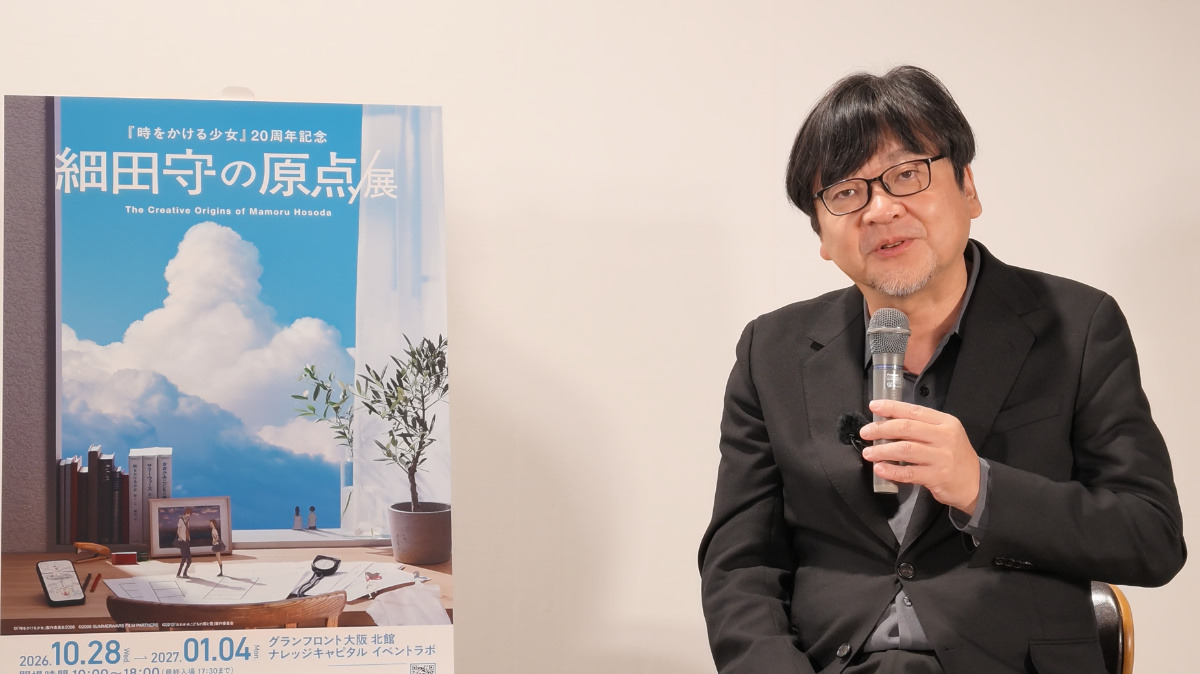
The exhibition “The Girl Who Leapt Through Time 20th Anniversary: Mamoru Hosoda: Origins” opens on October 28, 2026 (Wednesday), at Grand Front Osaka in Umeda. It explores the creative beginnings of director Mamoru Hosoda, known for The Girl Who Leapt Through Time, Summer Wars, and Wolf Children.
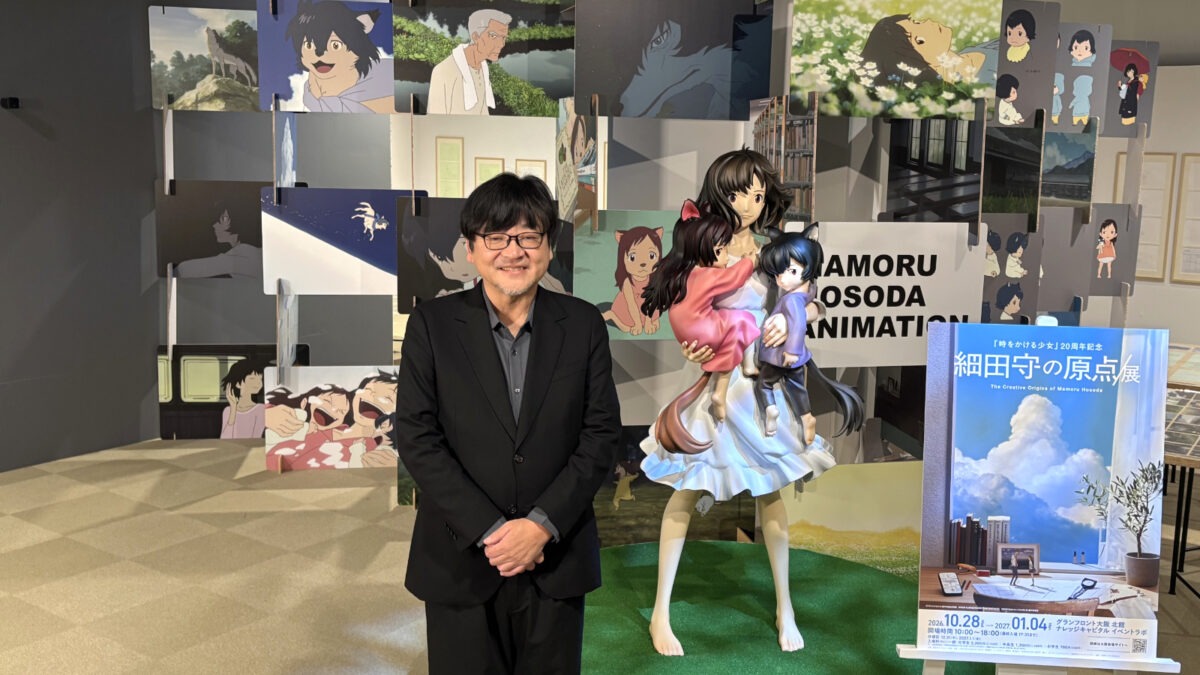
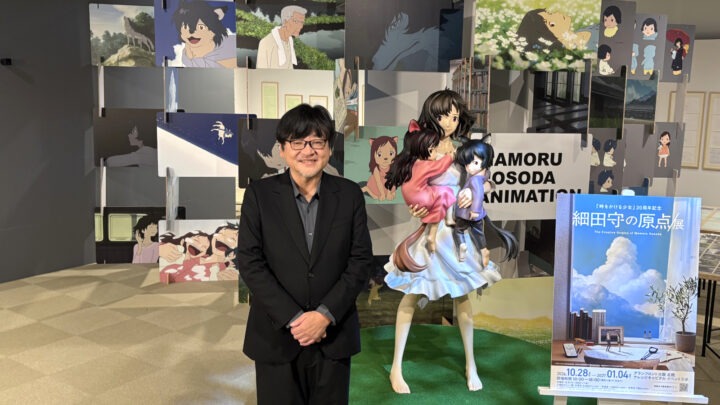
On October 27 (Tuesday), the day before opening, Hosoda appeared in conversation with host Takuto Onuki. He discussed a time when he feared he might never make another film, a valuable early story outline newly added at the Osaka venue, and the meaning of the towering summer clouds that recur in his movies.
Based primarily on Happyell’s coverage of the talk, here are the exhibits and details worth watching for during your visit.
©「時をかける少女」製作委員会2006
©2009 SUMMERWARS FILM PARTNERS
©2012「おおかみこどもの雨と雪」製作委員会
©細田守の原点/展
The Girl Who Leapt Through Time might have been his “last film”
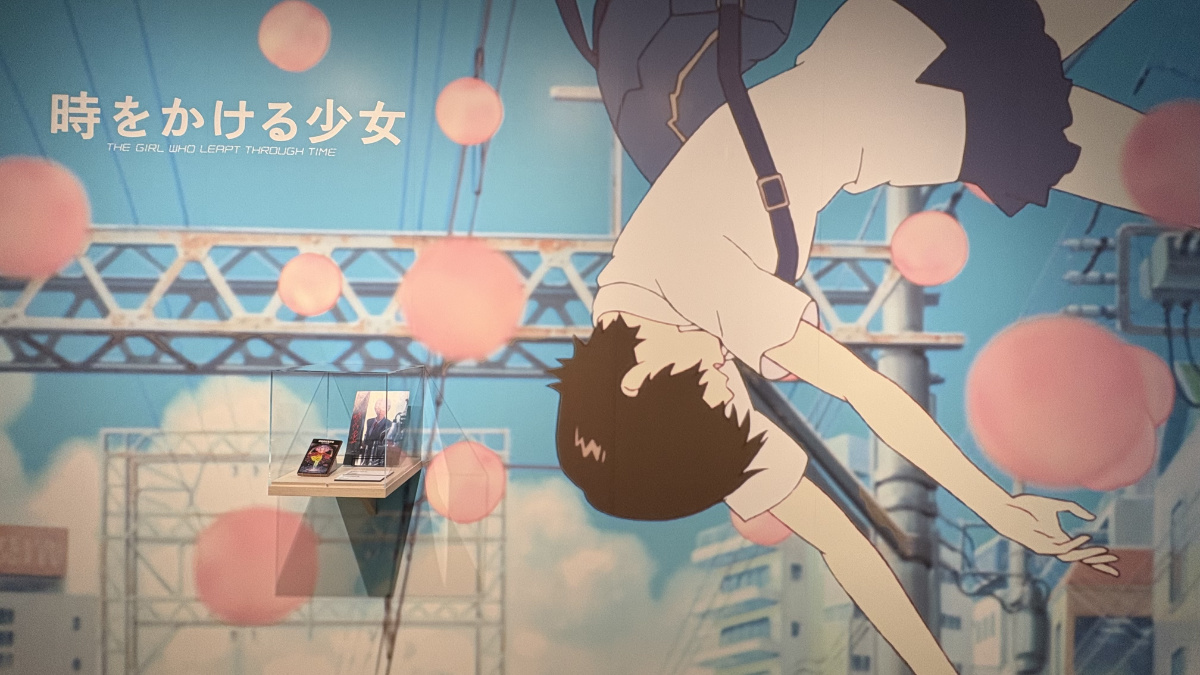
Released in 2006, The Girl Who Leapt Through Time remains one of Hosoda’s best-loved works, even 20 years later. But making it was far from a smooth experience for the director.
An earlier film project he had been developing fell through partway, leaving him wondering whether he would ever get another chance to make a movie.
In that difficult period, people at a studio reached out and invited him to work together. Their support made The Girl Who Leapt Through Time possible.
While Makoto runs energetically across the screen, the director behind her was working with the thought that this could be the last movie he ever made.
From just six theaters to an audience that kept growing
Hosoda recalled that the film initially opened in only six theaters. It was such a small start that recouping the production costs seemed difficult.
Yet people who saw the film told others how much they enjoyed it and supported it, helping its audience gradually expand.
The director reflected that cinema offers not only the joy of creating something, but also a mysterious power: audiences can share a work and help it reach others.
With that story in mind, Makoto’s determined dash toward the future in The Girl Who Leapt Through Time may look a little different the next time you watch it.
New in Osaka: The Wolf Children story took shape in three hours at Starbucks!
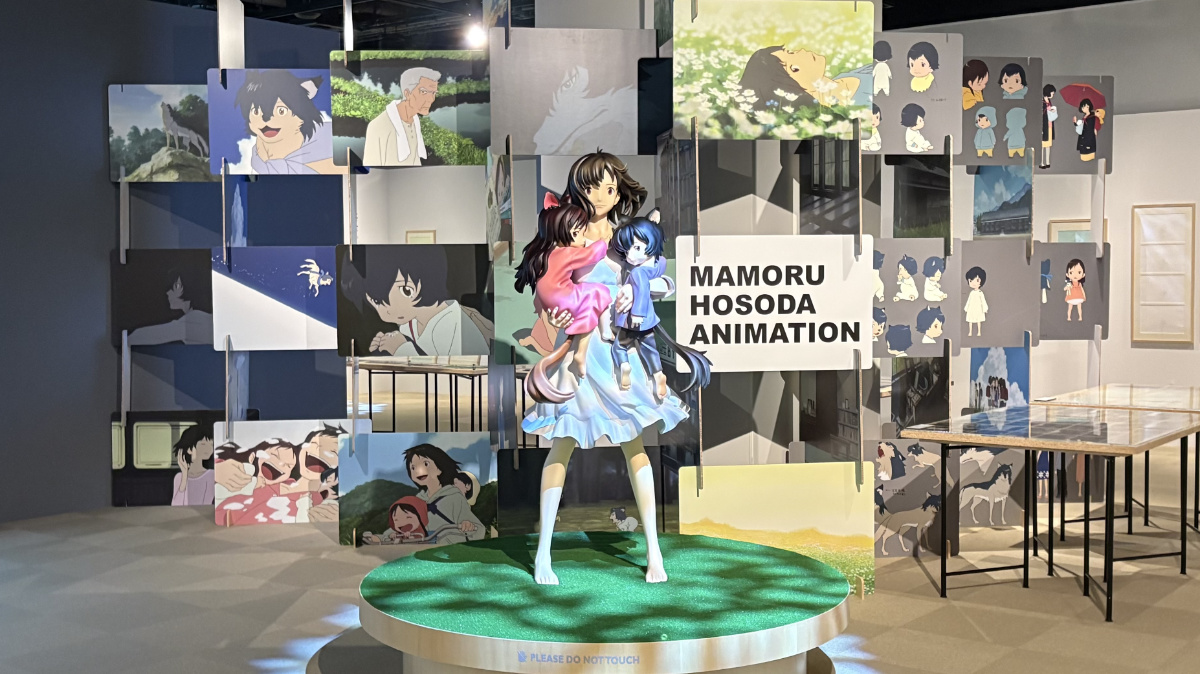
What can visitors see in Osaka that was not previously on display? In response to a question from Takuto Onuki, Hosoda pointed to an early story outline for Wolf Children that captures the film’s first conception.
The setting was a Starbucks near Inokashira Park in Kichijoji, Tokyo. There, Hosoda says he wrote approximately seven pages of a short story in about three hours.
Looking back, he found that its contents were almost identical to the eventual film.
Writing a film story in just three hours sounds astonishing. But before that breakthrough, he had spent a long time struggling with and revisiting the idea. At one point, the overall structure suddenly came into focus and he was able to put it into words all at once.
According to Hosoda, a story does not always take shape from beginning to end. Sometimes he first sees the whole picture and then turns it into language. On other occasions, when that overall vision eludes him, he can struggle for months.
When you read this early outline at the Osaka exhibition, try imagining which moments became scenes in the finished film.It offers a fascinating glimpse of how one idea grows into a feature-length movie.
Were the clouds in The Girl Who Leapt Through Time inspired by Hokuriku, not Tokyo? The meaning behind the towering clouds
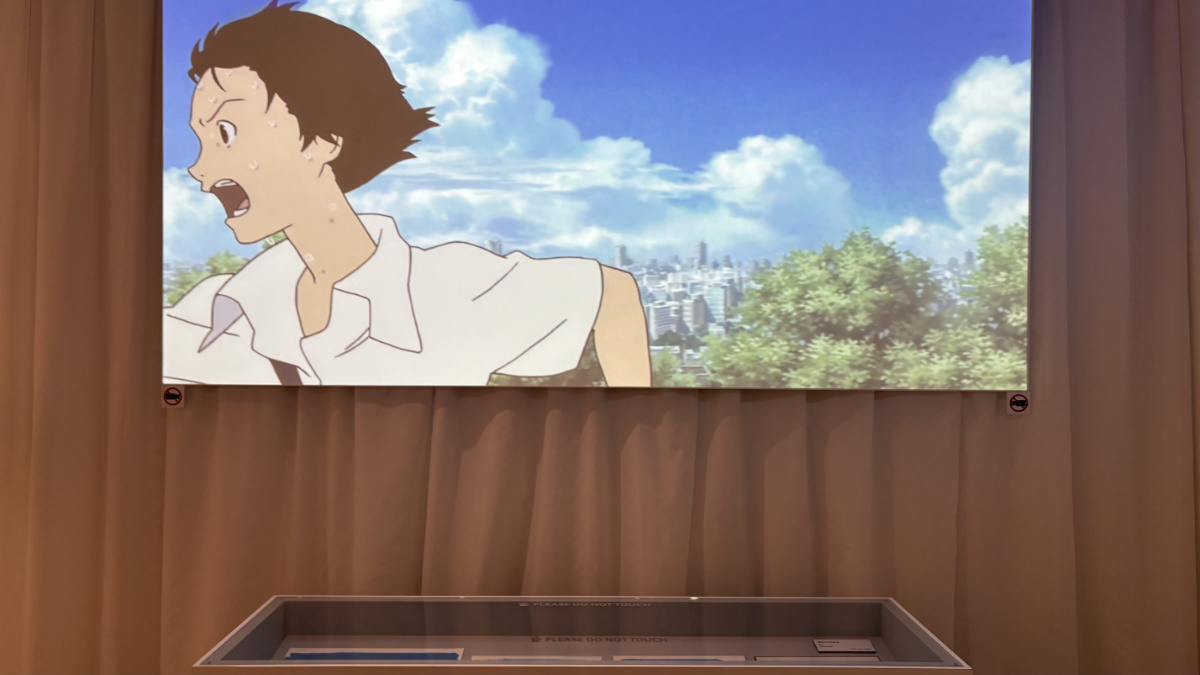
Think of The Girl Who Leapt Through Time or Summer Wars and you may picture huge, billowing clouds rising into a bright blue sky.
Hosoda said he once wondered why these towering summer clouds appeared so often in his films. He came to think that clouds growing higher and higher might mirror his protagonists growing up over the course of a summer.
The visual inspiration also comes from his hometown in Toyama. Growing up on the Sea of Japan coast, he had watched enormous, substantial summer clouds since childhood.
One particularly interesting detail: although The Girl Who Leapt Through Time is set in Tokyo, its clouds were imagined from Hosoda’s memories of those in the Hokuriku region.
He also spoke of wanting to express, through clouds large enough to gaze up at, a young person’s yearning to travel far beyond familiar places.
When you come across painted skies and background art in the exhibition, take a close look at the shapes and scale of the clouds. You may discover a new meaning in familiar scenes.
“I want to be an animation director,” he wrote in his elementary school graduation booklet
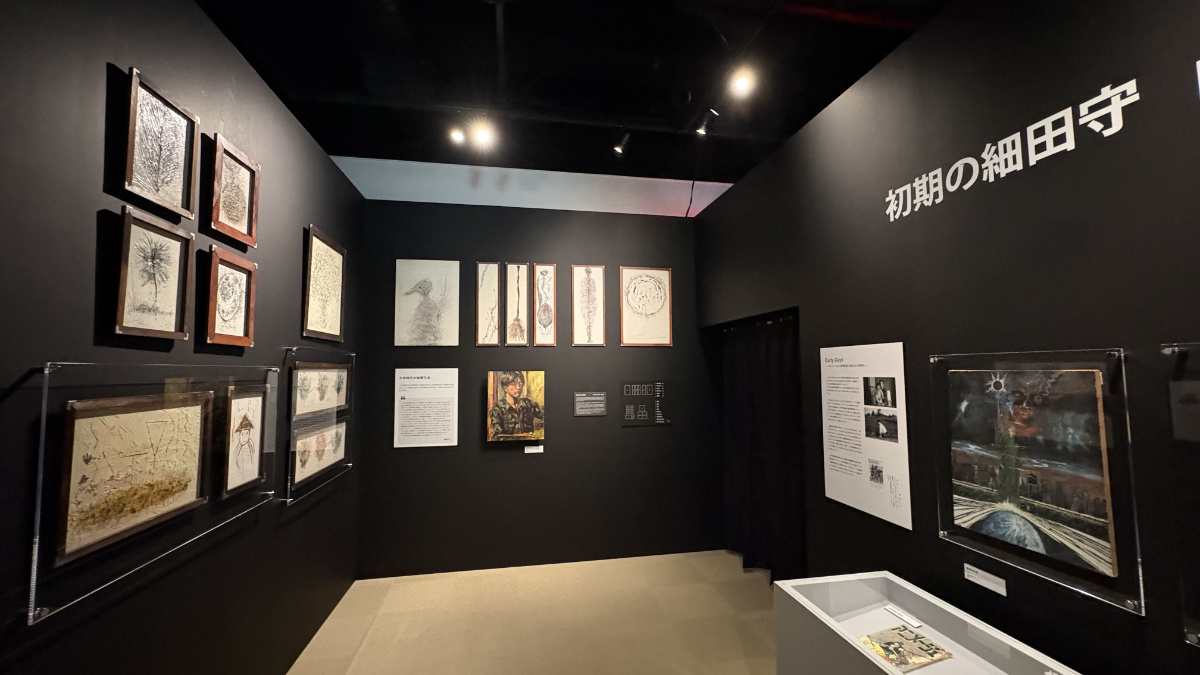
At Mamoru Hosoda: Origins, visitors can also discover the boy he was before he made his celebrated films.
One item discussed during the talk was his elementary school graduation booklet, in which he wrote that his ambition was to become an animation director.
His inspiration came from two movies he saw in 1979: Galaxy Express 999 in the summer and Lupin III: The Castle of Cagliostro in the winter.
Encountering two such exciting films within a short period sparked a powerful desire to make animation himself. At the time, however, he did not believe that dream would actually come true.
A childhood dream eventually became films seen around the world. The graduation booklet is one of the exhibits that makes the word “origins” in the exhibition title feel particularly meaningful.
What Hosoda rediscovered after nearly 20 years without revisiting his films
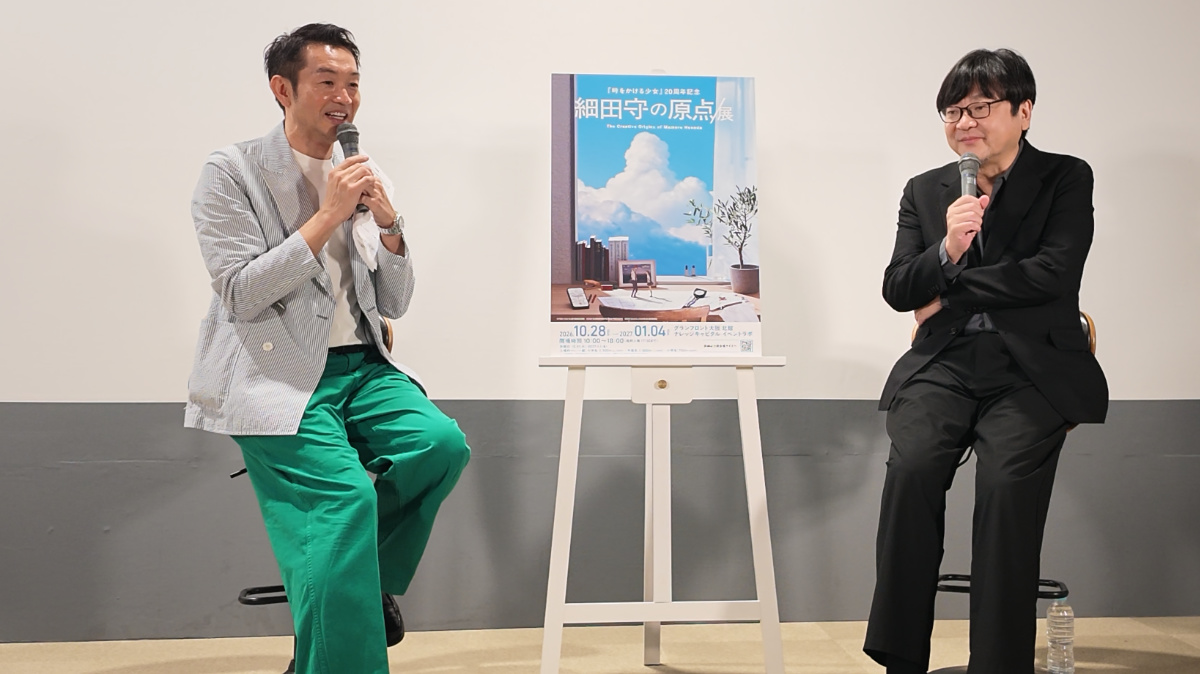
Hosoda explained that once he finishes a movie, he tries to forget about it as soon as possible and move on to the next one. He has continued working in that way for roughly two decades.
But looking through old materials for this exhibition reminded him how persistently he had worked with the abilities and resources available to him at the time.
For The Girl Who Leapt Through Time, he recalled repeatedly fine-tuning details because even a single change in camera timing could alter the emotional tone of a scene.
He also realized that, despite changes in his films and the times, the things he loves and values have remained surprisingly consistent.
Perhaps the exhibition has allowed not only fans, but the director himself, to reconnect with the origins of his creative work.
Are the lives of Hosoda’s characters connected to his own?
During the talk, Takuto Onuki noted how characters in Hosoda’s films grow through encounters and choices, and asked whether that development might reflect the director’s own life.
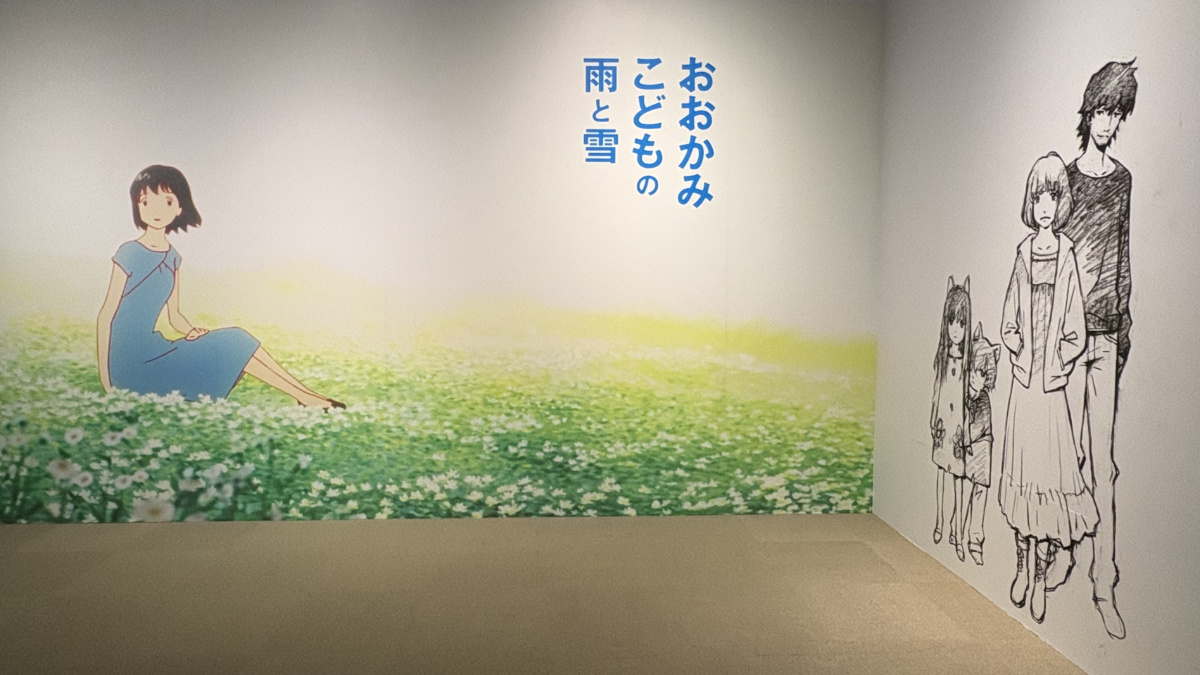
Hosoda looked back on his own mistakes and varied experiences, explaining that some directors are directly influenced by their personal lives, while others are not.
He said he tends to belong to the former group, drawing considerable influence from what he has experienced himself.
What he learned from colleagues and senior filmmakers, the people he met, and the experience of having children and wishing for their growth have all informed the emotions and themes he portrays on screen.
The next time you watch Wolf Children, you may find yourself imagining the personal experiences behind those feelings.
A message to young people: “Maybe I’ll try making something, too”
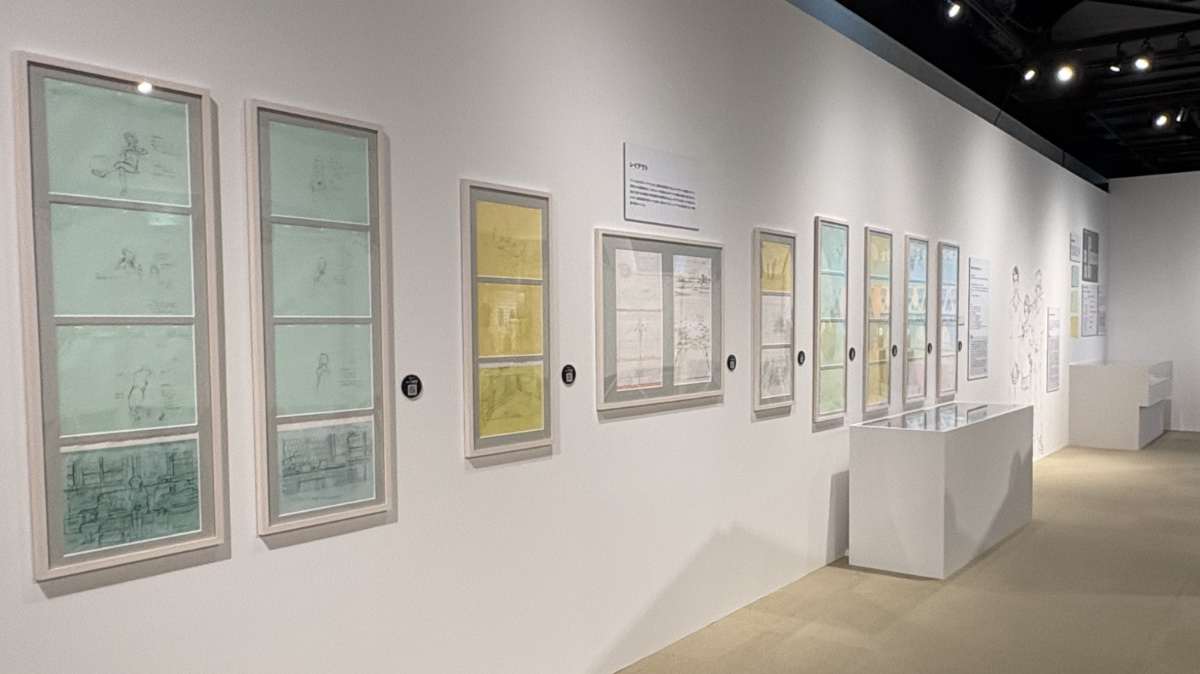
Hosoda said he would be happy if young people pursuing their dreams could look at his early trials, errors, and unfinished materials—not just the completed films—and feel encouraged to try something themselves.
He also hopes longtime viewers will enjoy recalling who they were when they first encountered his movies.
The exhibition is therefore not only a place to learn about films, but perhaps also a chance to revisit the person you were when you found a favorite one.
Exhibits to look for at Mamoru Hosoda: Origins in Osaka
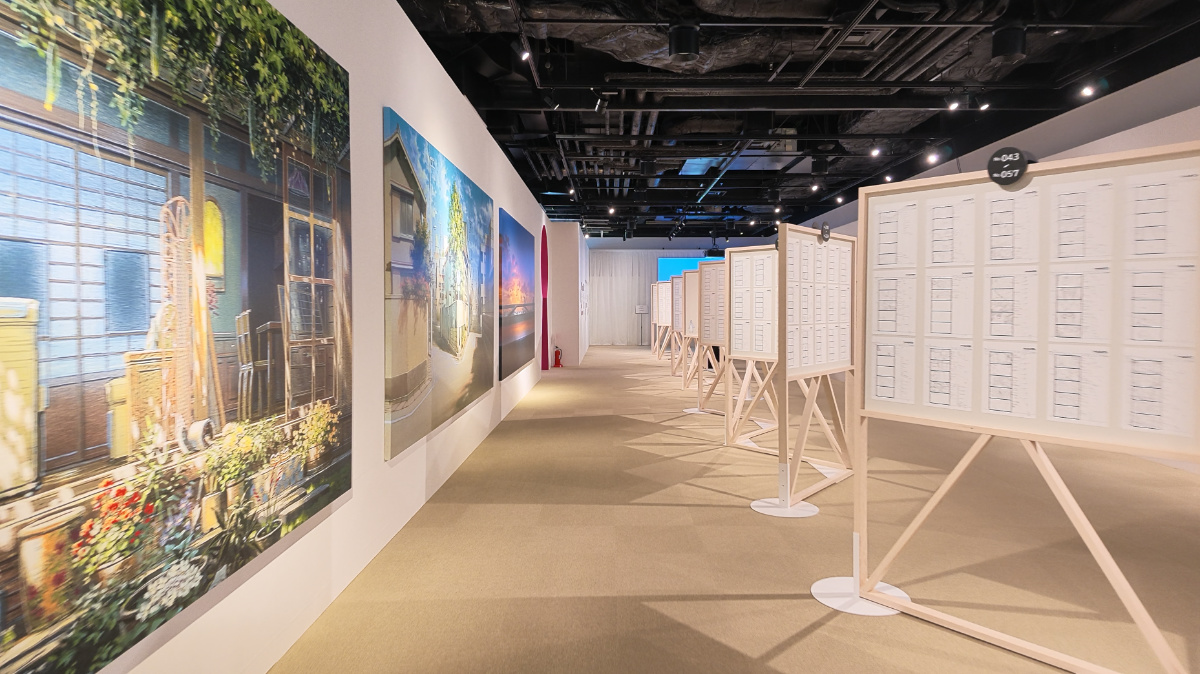
Focusing on The Girl Who Leapt Through Time, Summer Wars, and Wolf Children, the exhibition brings together more than 300 production materials, including storyboards, original drawings, layouts, and background art.
There are also projects from Hosoda’s earlier career as a director, an independent animation he made in junior high school, and live-action films and oil paintings from his years at Kanazawa College of Art. Together, they trace his path toward becoming a film director.
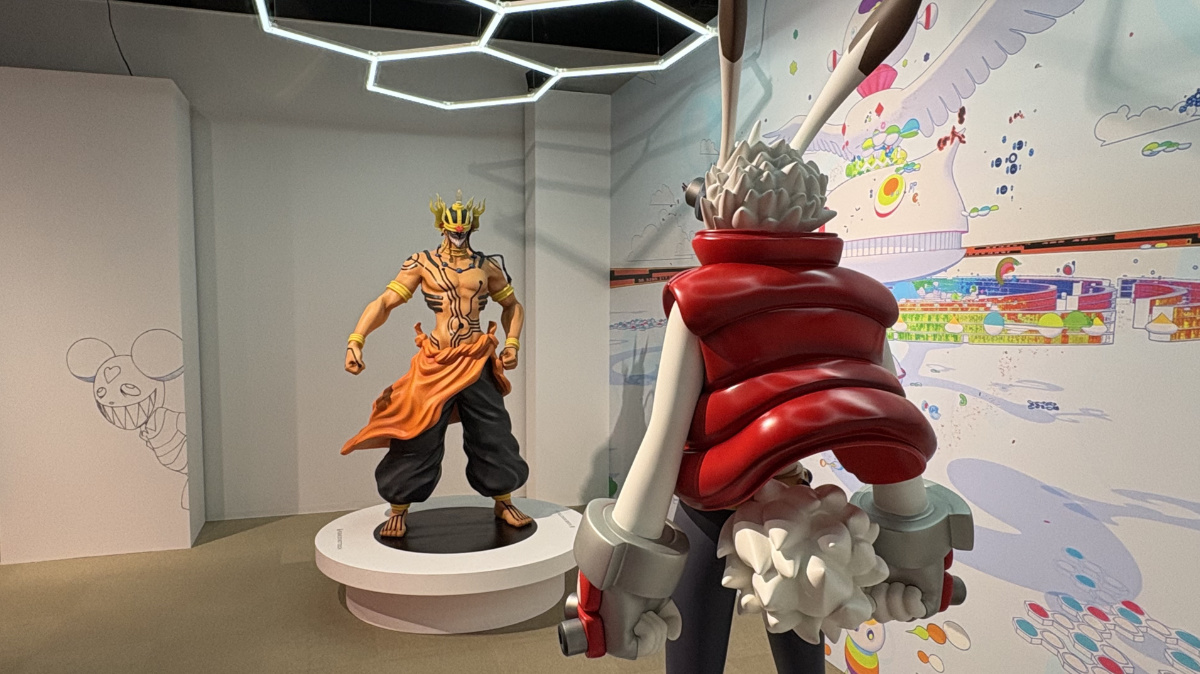
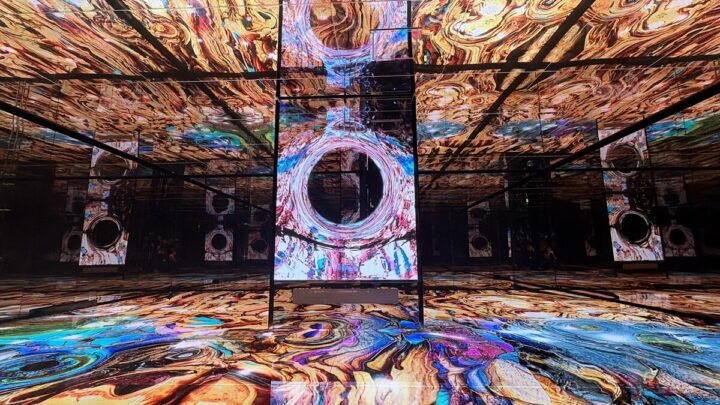
Other highlights include an installation where visitors can experience OZ, the virtual world of Summer Wars, and life-size figures of King Kazma and Love Machine.
Three things to look for after hearing the director’s talk
- Study the storyboards and directing materials for The Girl Who Leapt Through Time to see the attention paid to movement and timing
- Compare the early Wolf Children outline in your mind with the story that ultimately reached the screen
- Look at the skies and towering clouds in the background art and consider their connection to the scenery of Hosoda’s native Toyama
Fans can focus on how scenes they know from the finished movies were created. First-time visitors can follow the displays from his childhood onward to experience the evolution of his creativity.
Mamoru Hosoda: Origins Osaka — dates, venue, and ticket prices
Exhibition:The Girl Who Leapt Through Time 20th Anniversary: Mamoru Hosoda: Origins
Dates:October 28, 2026 (Wed) – January 4, 2027 (Mon)
Venue:Knowledge Capital Event Lab, North Building, Grand Front Osaka (3-1 Ofukacho, Kita-ku, Osaka)
Hours:10:00 a.m.–6:00 p.m. (last admission 5:30 p.m.)
Closed:December 31, 2026 (Thu), and January 1, 2027 (Fri)
Same-day tickets:Adults and university students ¥2,300 / junior and senior high school students ¥1,300 / elementary school students ¥700
Preschool children:Free (must be accompanied by a guardian aged 18 or older)
All same-day ticket prices include tax. Junior and senior high school students must present a student ID upon entry. Check the official information for the latest ticket conditions.
Mamoru Hosoda: Origins — official exhibition details
Final thoughts: An exhibition that will make you want to revisit Hosoda’s films
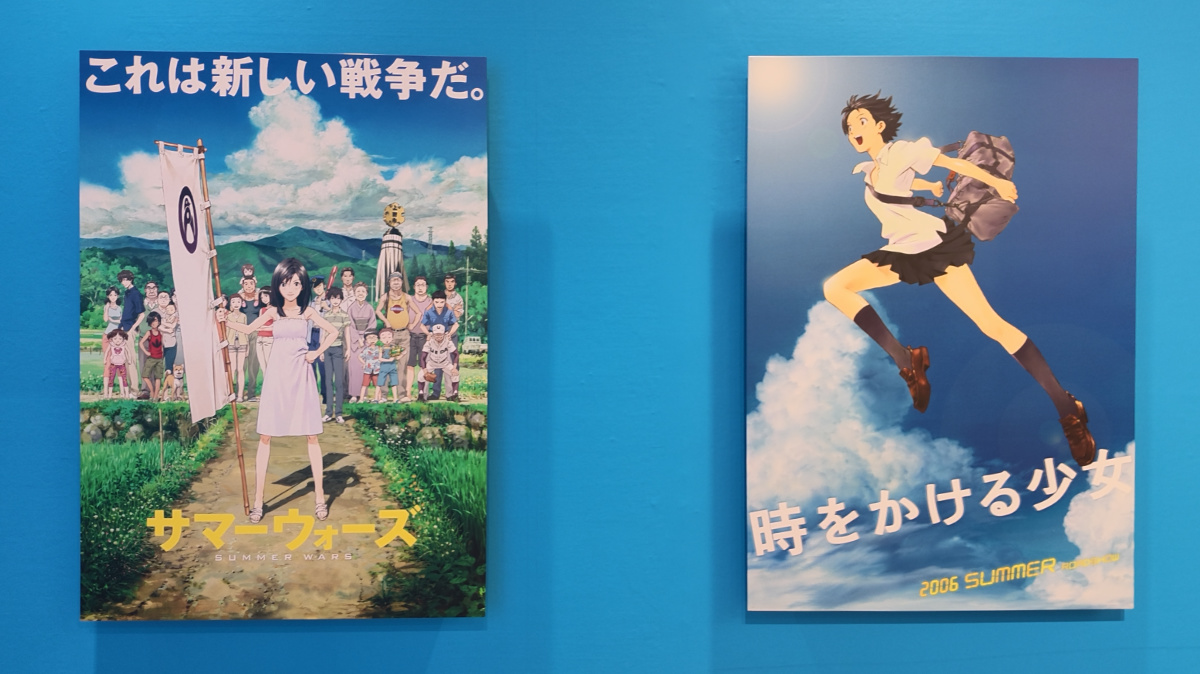
The Girl Who Leapt Through Time began in just six theaters. After a long period of experimentation, an early Wolf Children outline came together in three hours. The towering clouds draw on memories of Toyama, Hosoda’s hometown.
Hearing the director’s words brings new discoveries to familiar moments from his movies.
At Mamoru Hosoda: Origins, take time to examine the original drawings, storyboards, and student-era work behind those stories. Rewatching a favorite film before your visit could make the experience even more rewarding.

Make the latest USJ and Kansai event updates
easier to find on Google.