What You’ll Learn
- World-first fossil displays and dramatic full-body skeletons at the Great Extinction Exhibition in Osaka
- How to enjoy the venue, including Masaharu Fukuyama’s audio guide and the Great Extinction Sphere
- Event details and exclusive collaboration merchandise with 551 Horai and Sumikko Gurashi
The special exhibition “The Great Extinction Exhibition—The Big Five in the History of Life” is being held at the Osaka Museum of Natural History from Friday, July 17, through Monday, October 12 (public holiday), 2026.
Life first emerged around 4 billion years ago.
Focusing on the five mass extinctions known as the “Big Five,” this exhibition traces the history of life’s evolution through the latest research and valuable specimens from around the world.
The much-talked-about exhibition, which drew about 500,000 visitors in Tokyo, has now arrived in Osaka!
On-Site Report: Highlights of the Great Extinction Exhibition
◇Trace the Five Mass Extinctions That Changed the History of Life
Rather than presenting extinction only as a negative event, the exhibition also highlights its positive side: new forms of life flourished afterward, ultimately shaping the living world we know today!!
The causes of the five mass extinctions, along with the worlds of life before and after each event, are introduced across five chapters.
A sixth chapter then explores the changes that followed the final extinction, extending through the present day.
From the end-Ordovician extinction around 444 million years ago, to the K-Pg boundary around 66 million years ago when the dinosaurs died out, and on to the Cenozoic Era that leads to the present, the exhibition introduces the environmental changes and biological evolution of each age. The galleries are designed to be easy to understand even for visitors unfamiliar with these periods.
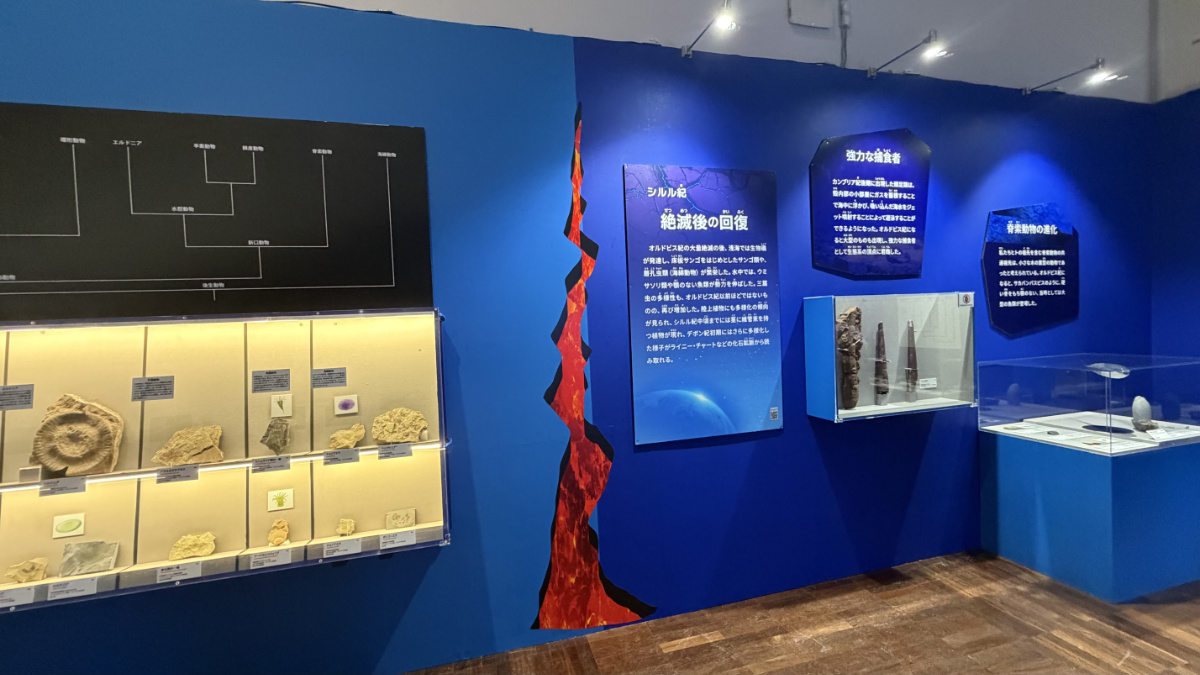
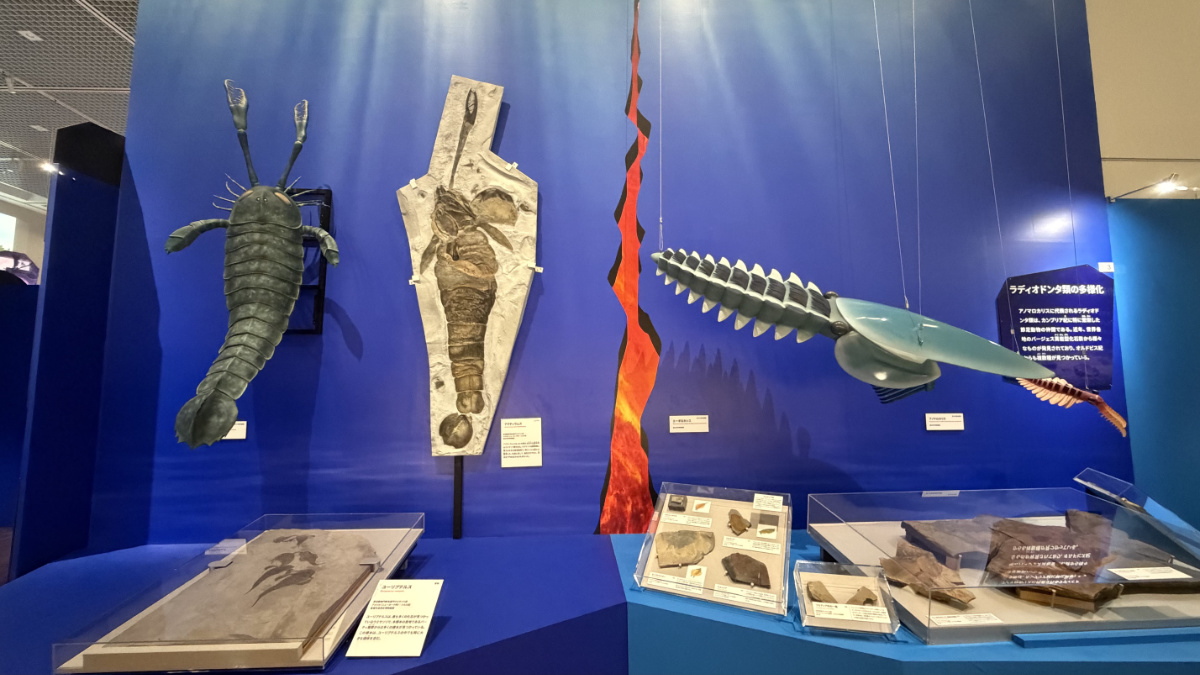
As shown here, the transition between the world before an extinction and the new age of life that emerged afterward is marked by an effect resembling cracks filled with red magma, making the sequence easy for anyone to follow.
Through full-body skeletons, fossils, video displays, and more, visitors can learn how extinction helped drive the later diversification of life.
◇Impressive Full-Body Skeletons Beyond the Dinosaurs
When people hear about extinction or the ancient world, many picture gigantic, powerful dinosaurs—but dinosaurs are not the only creatures with an impressive presence.
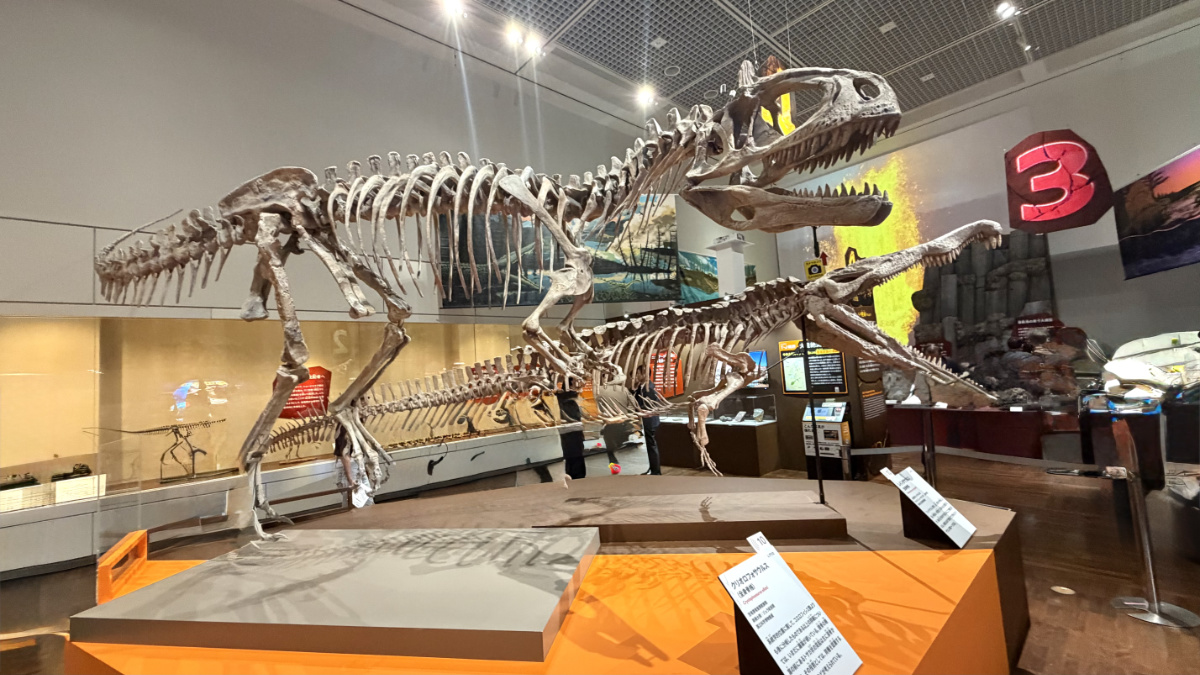
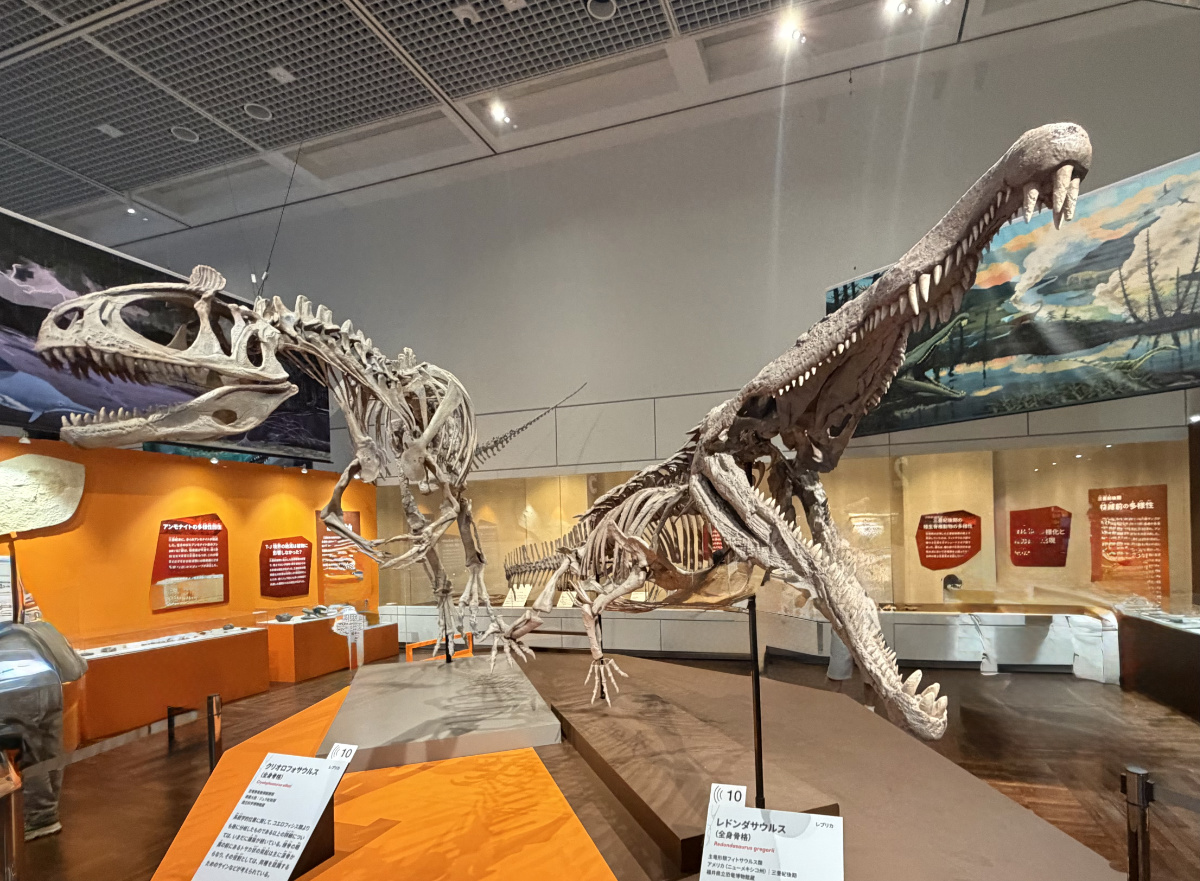
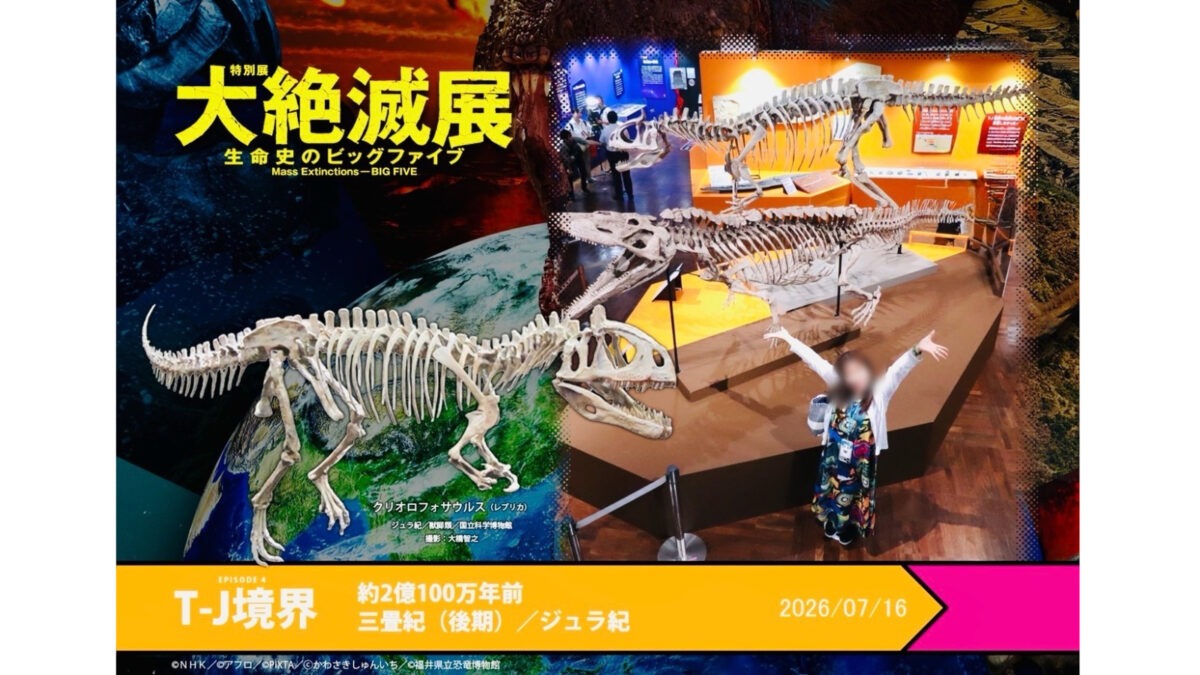
Here, beside the full-body skeleton of Cryolophosaurus, a Jurassic dinosaur, is the full-body skeleton of Redondasaurus, a large crocodile-like carnivorous reptile that lived in North America around 205 million years ago.
Dinosaurs often steal the spotlight, but these non-dinosaur creatures are displayed with just as much impact. One of the exhibition’s strengths is the chance to slow down and examine other forms of life from a different perspective.
Be sure to explore the world of reptiles that set the stage for dinosaurs to rise to prominence.
◇And of Course, Dinosaurs!
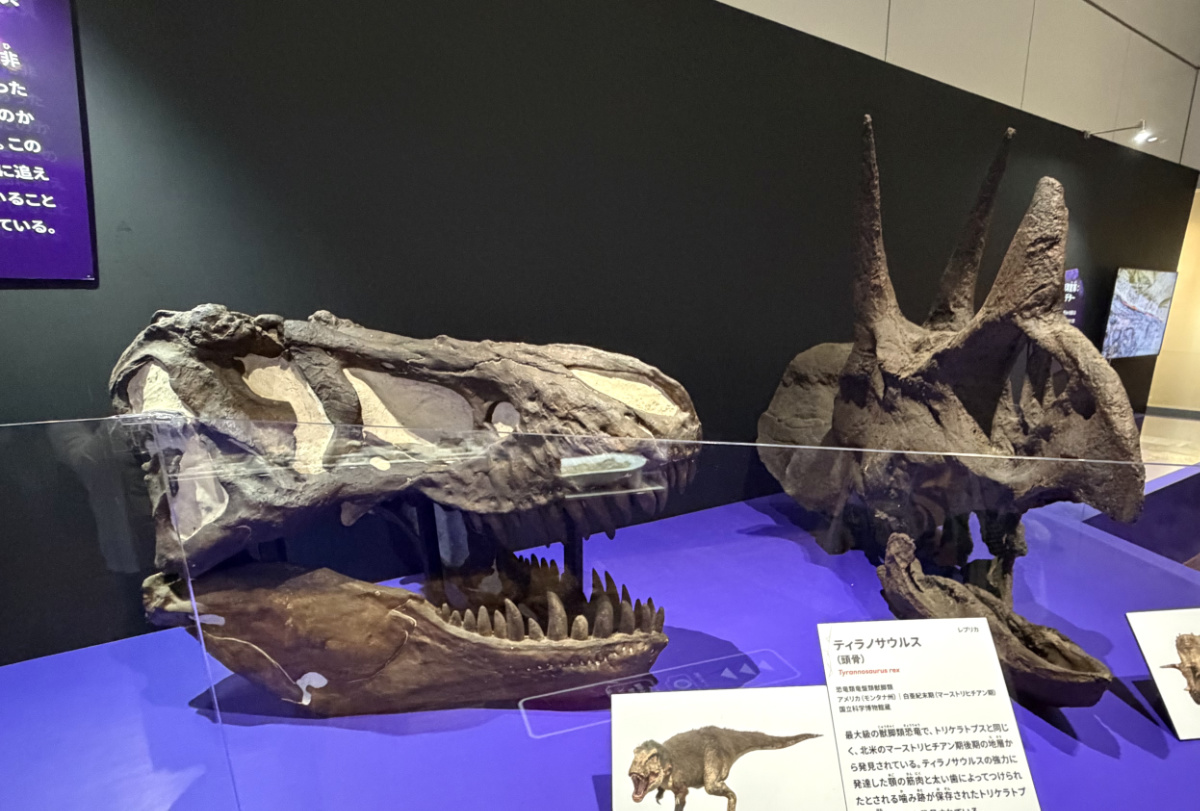
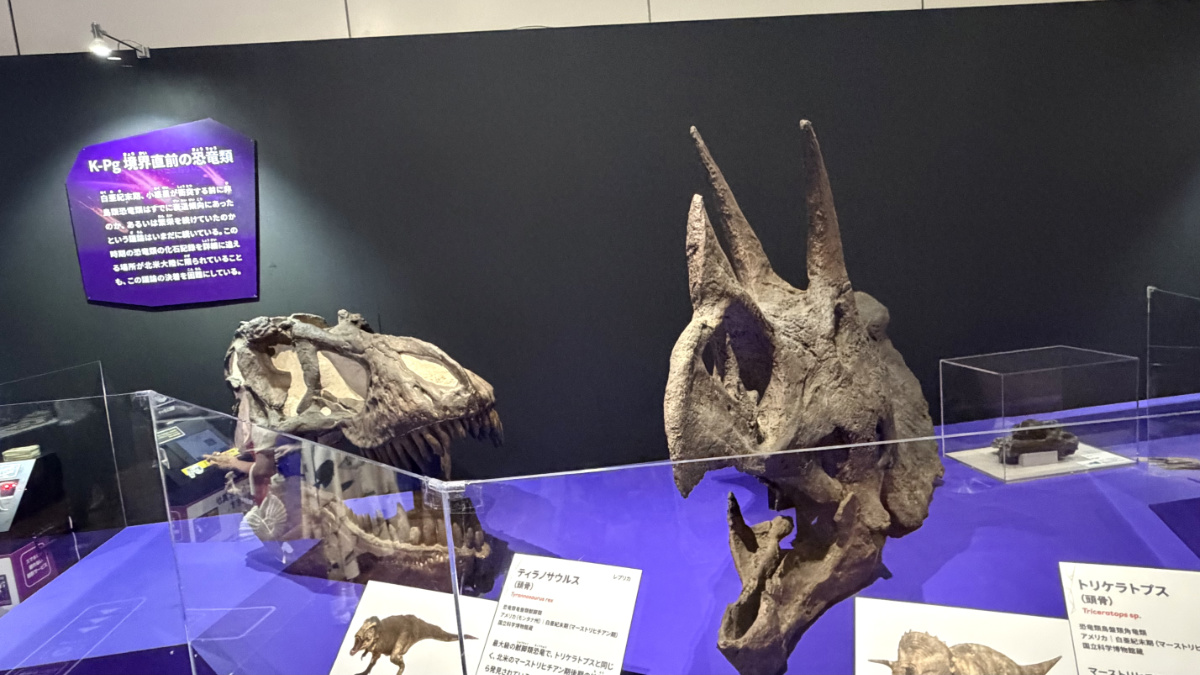
Naturally, there are dinosaur displays too!!
The head displays of the ever-popular Tyrannosaurus and Triceratops are overwhelming in scale.
They are replicas, but visitors can experience their power up close—something sure to delight children.
◇World-First and Japan-First Specimens
One of the major highlights is the collection of rare specimens gathered from Japan and overseas.
Especially noteworthy is:
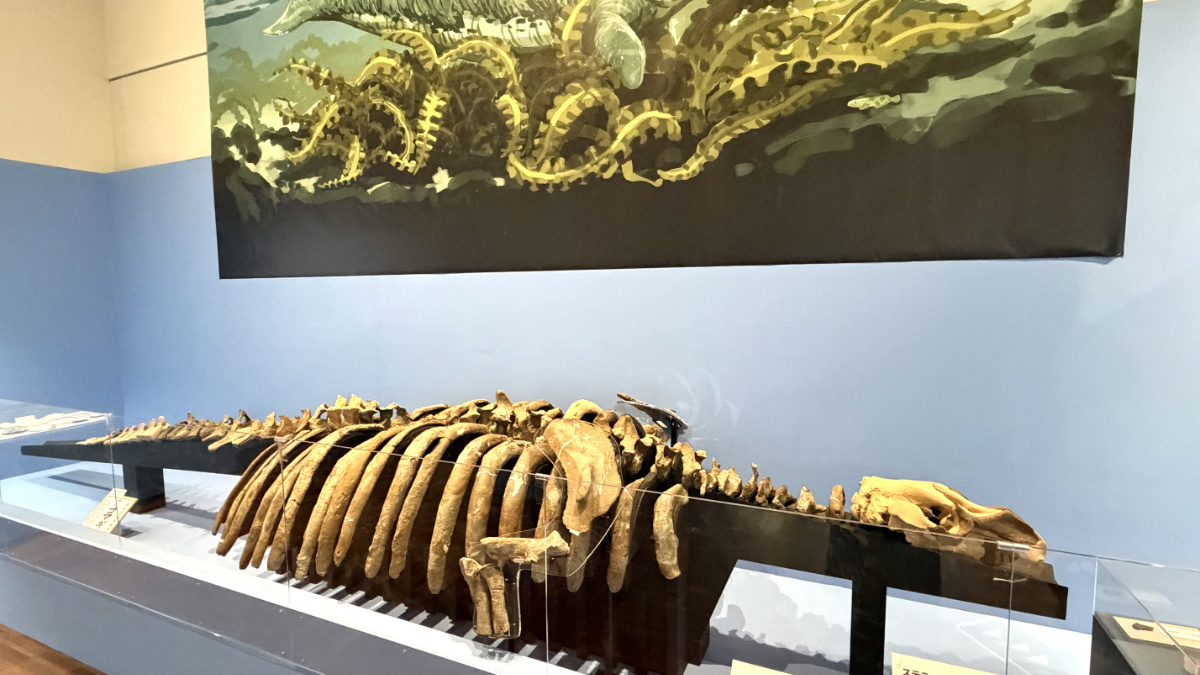
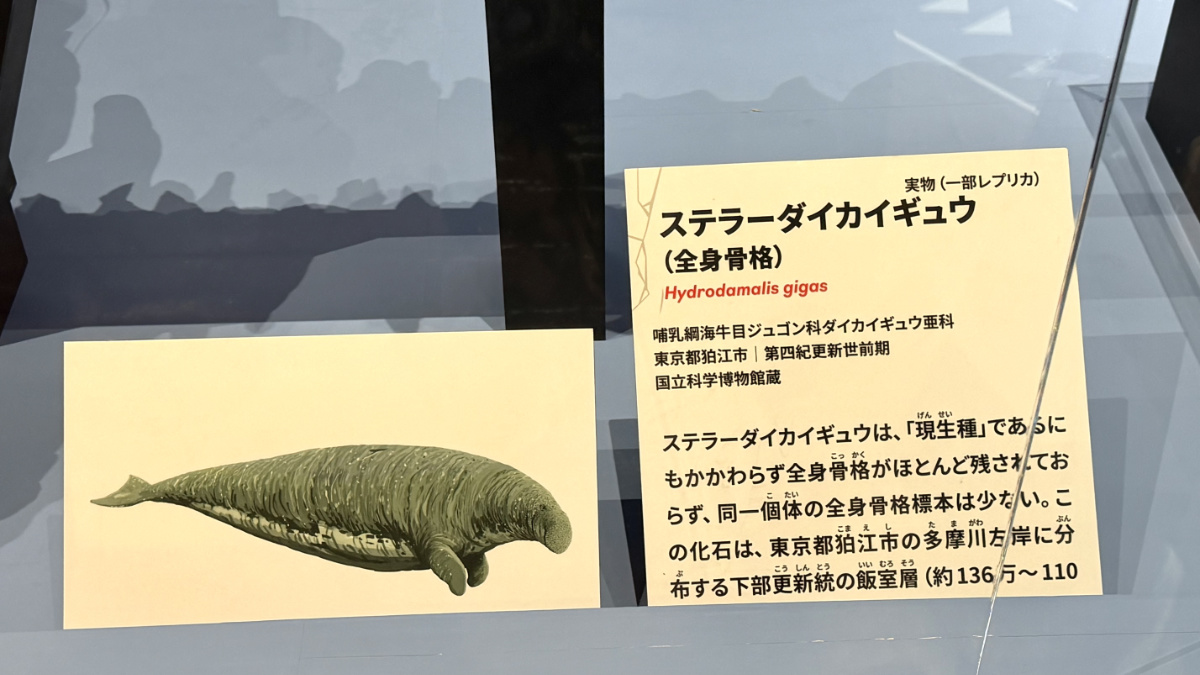
A genuine, full-body Steller’s sea cow fossil measuring about 6 meters long, displayed publicly for the first time in the world!!
This world-first genuine fossil comes from a member of the dugong family and resembles a dugong in appearance.
It was a large, seaweed-eating mammal that lived in the North Atlantic, and this fossil is the oldest known specimen of the species.
Be sure to see it up close and take in its immense size.
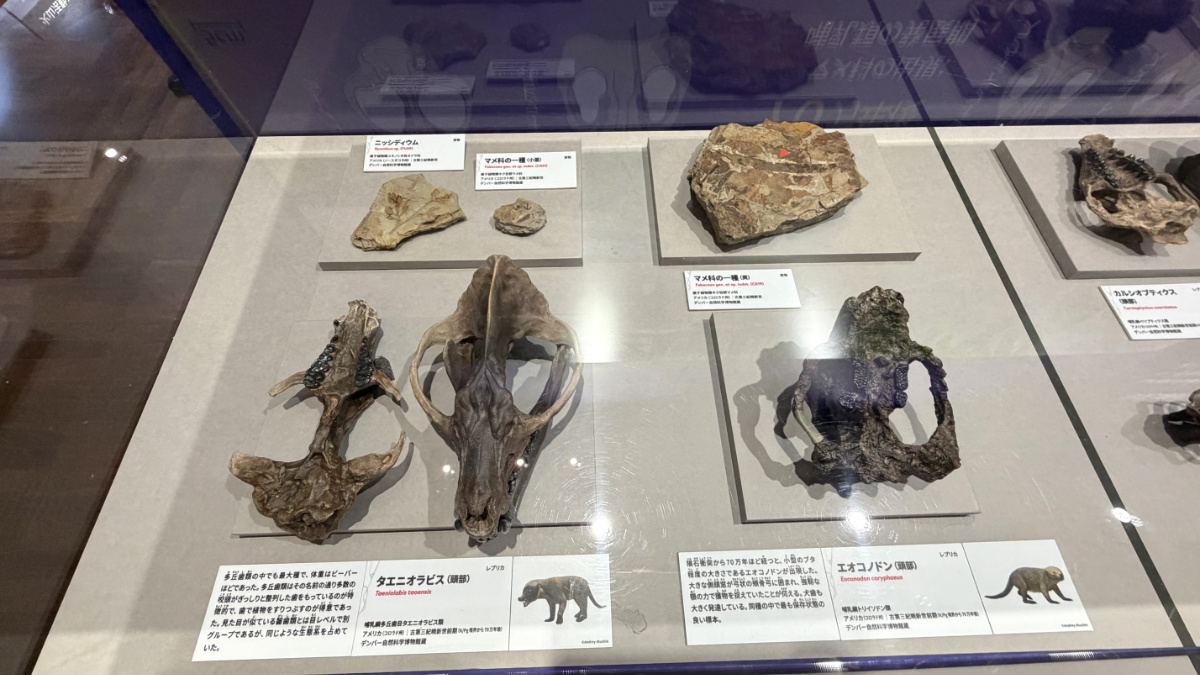
There are also many specimens from the Denver Museum of Nature & Science being shown in Japan for the first time, making this a rare opportunity to see them here.
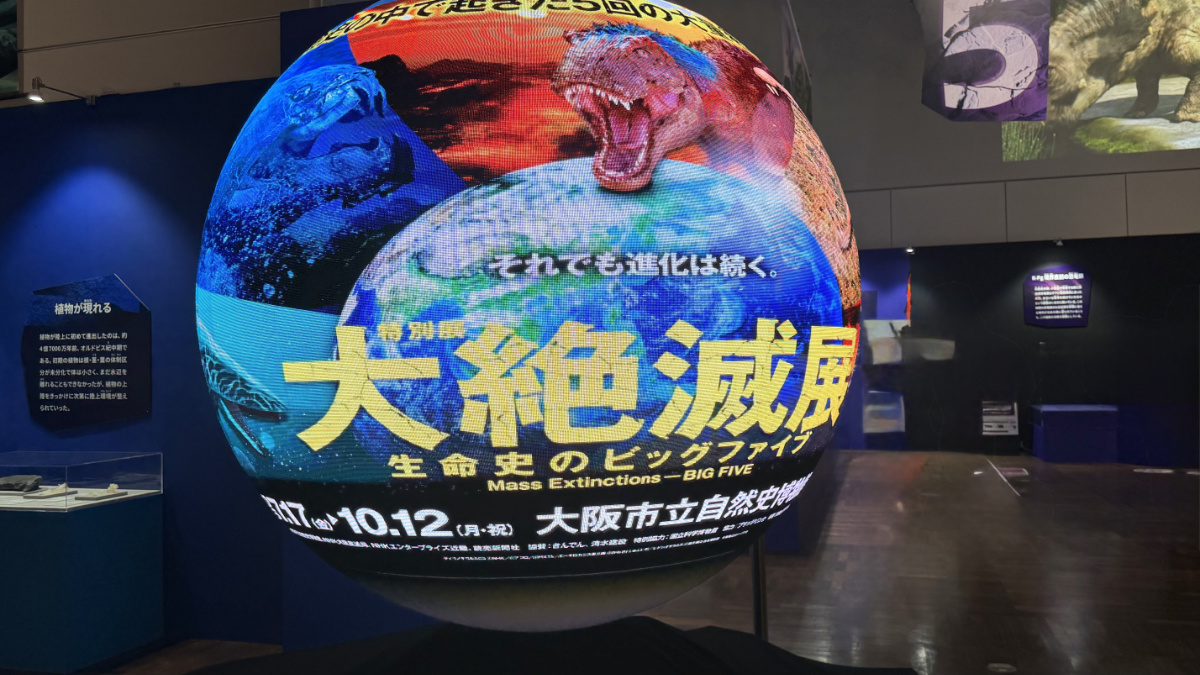
A giant globe-shaped video installation called the “Great Extinction Sphere” welcomes visitors and introduces the “Big Five” in Earth’s history.
It is also a photo spot, so be sure to capture a memorable picture♪
◇Masaharu Fukuyama as Special Exhibition Navigator
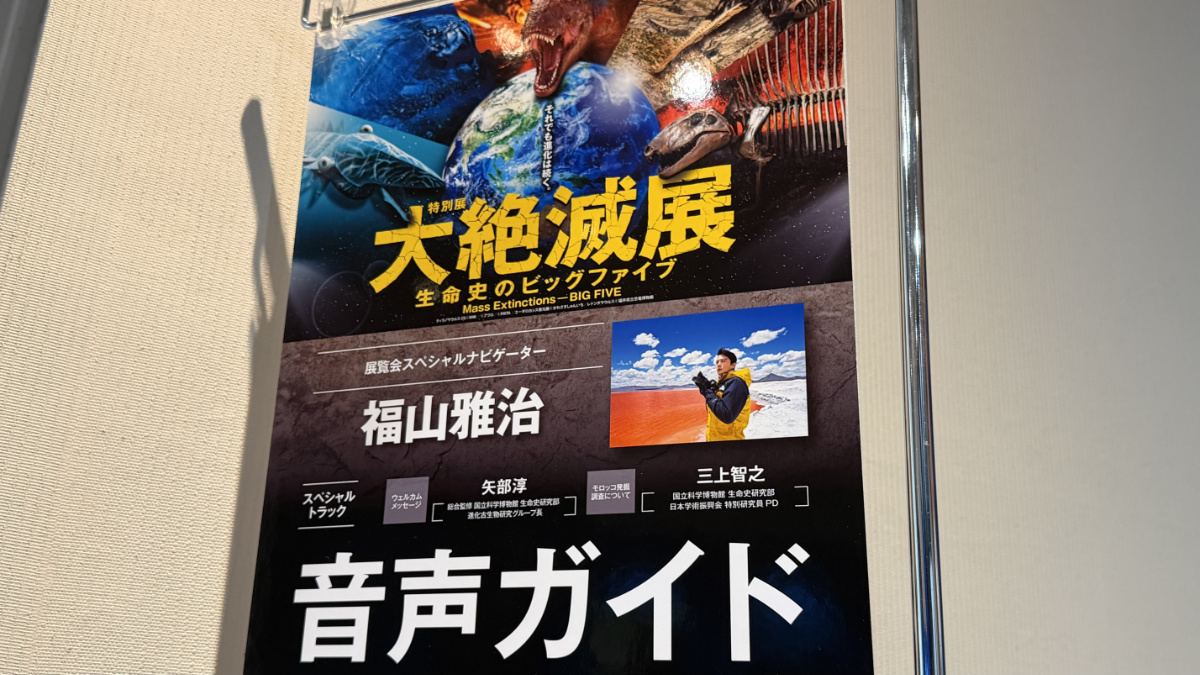
Masaharu Fukuyama serves as the special navigator for this exhibition.
Through exhibit commentary and the audio guide, he leads visitors through the story of mass extinction and the evolution of life.
It is recommended not only for fans: listening to the audio guide as you explore will help you gain a deeper understanding.
The rental device costs US$4.06, while the app version costs US$5.00.
□A Great Selection of Merchandise, Including 551 Horai and Sumikko Gurashi Collaborations
At the museum shop, you’ll find:


Sumikko Gurashi collaboration merchandise,
Photos 15, 16, 17, 18, and 19
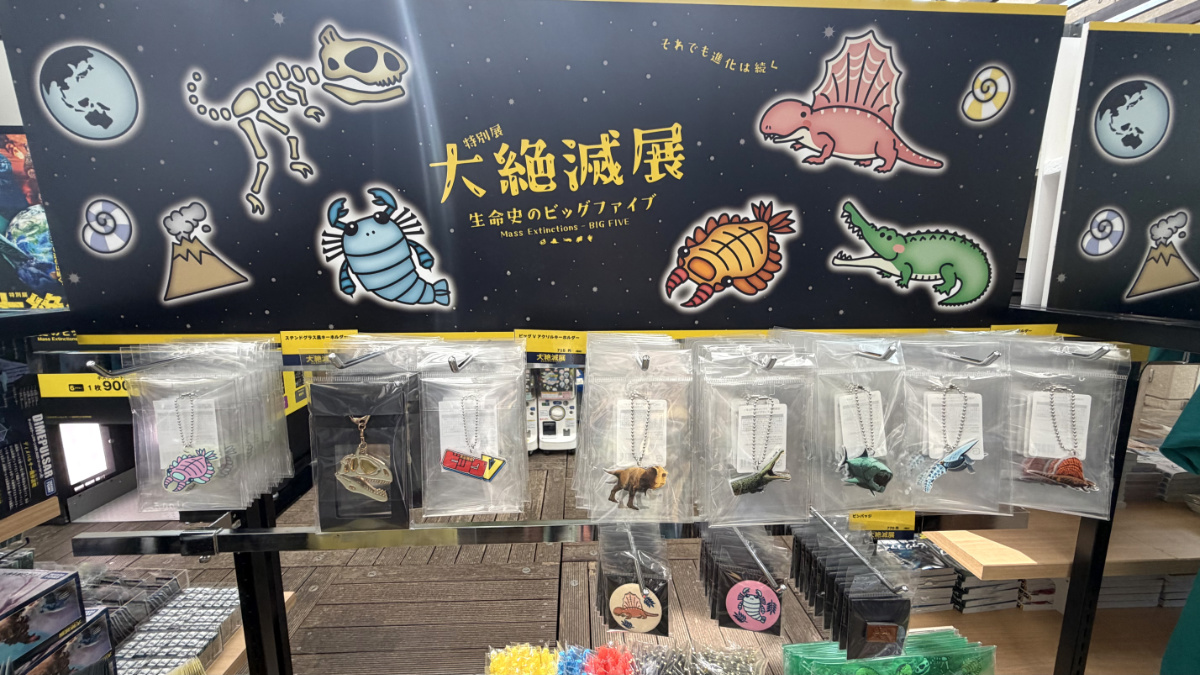
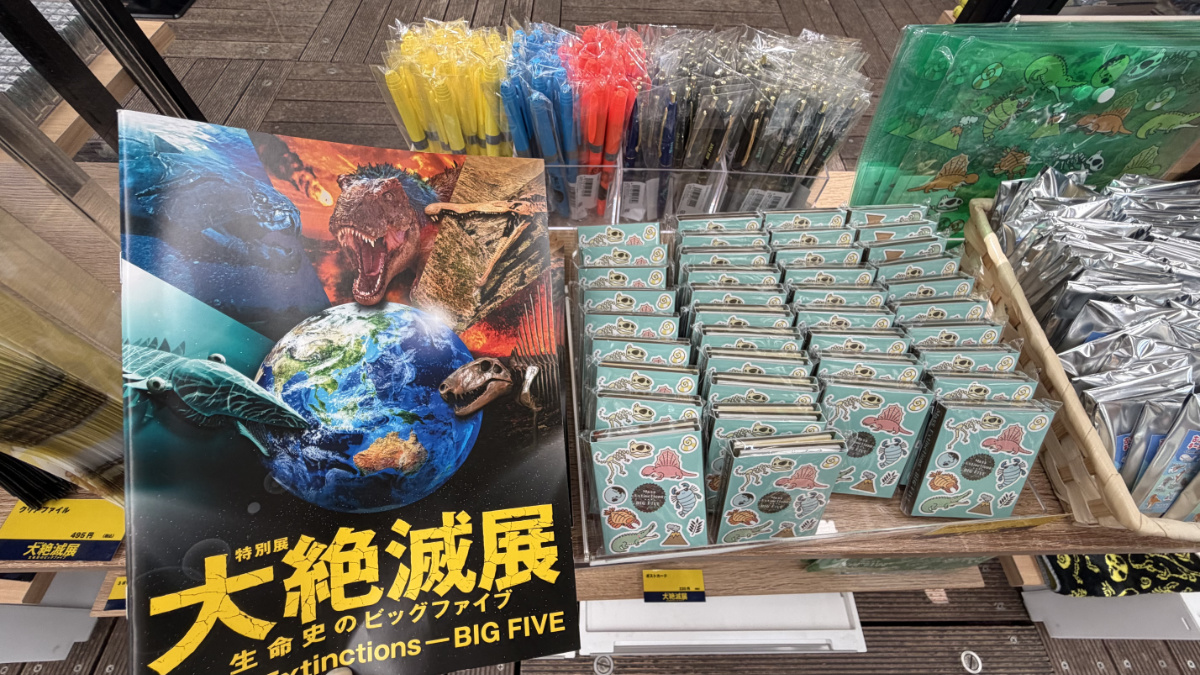
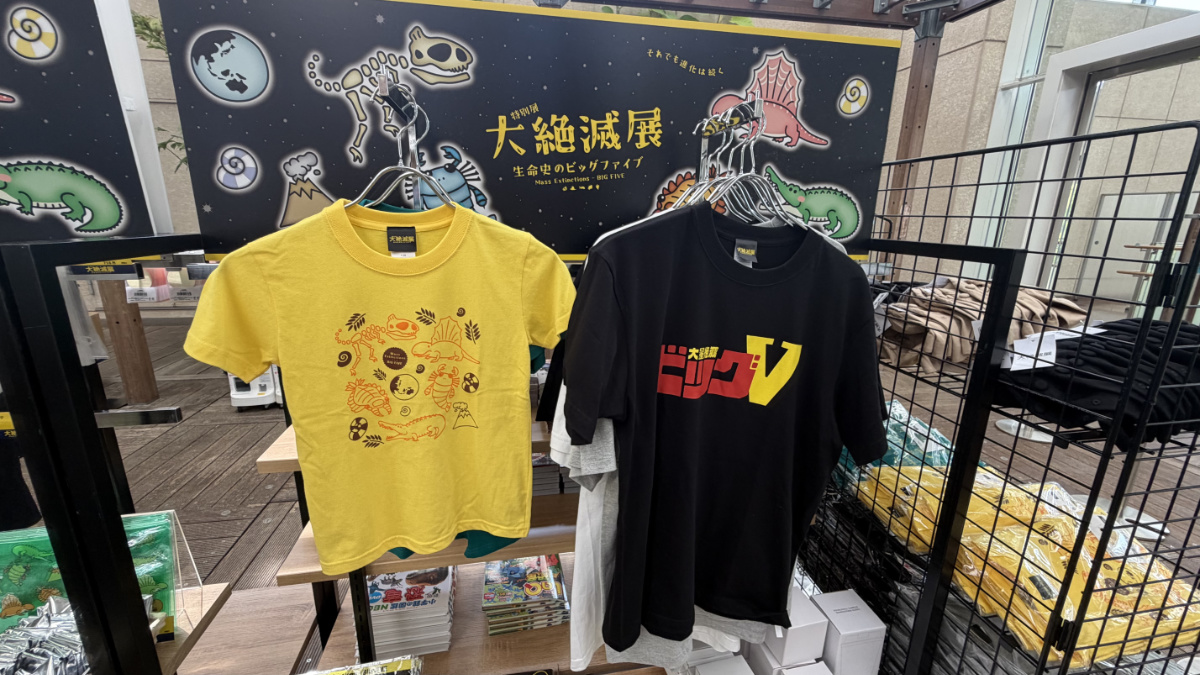
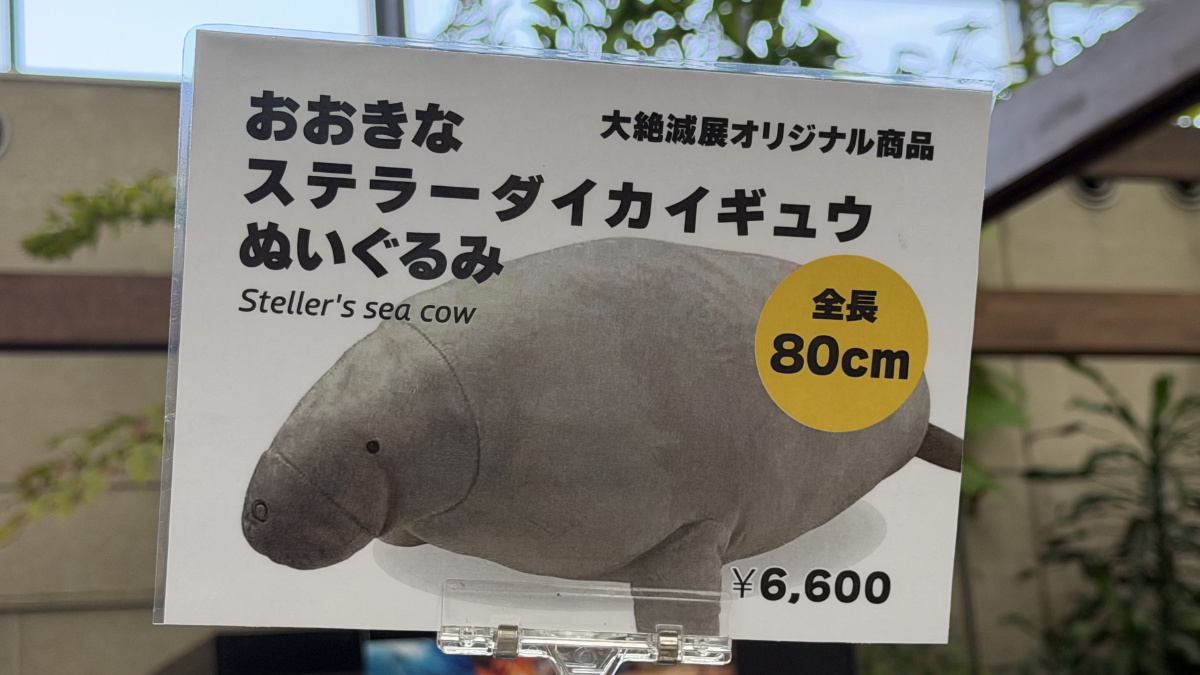
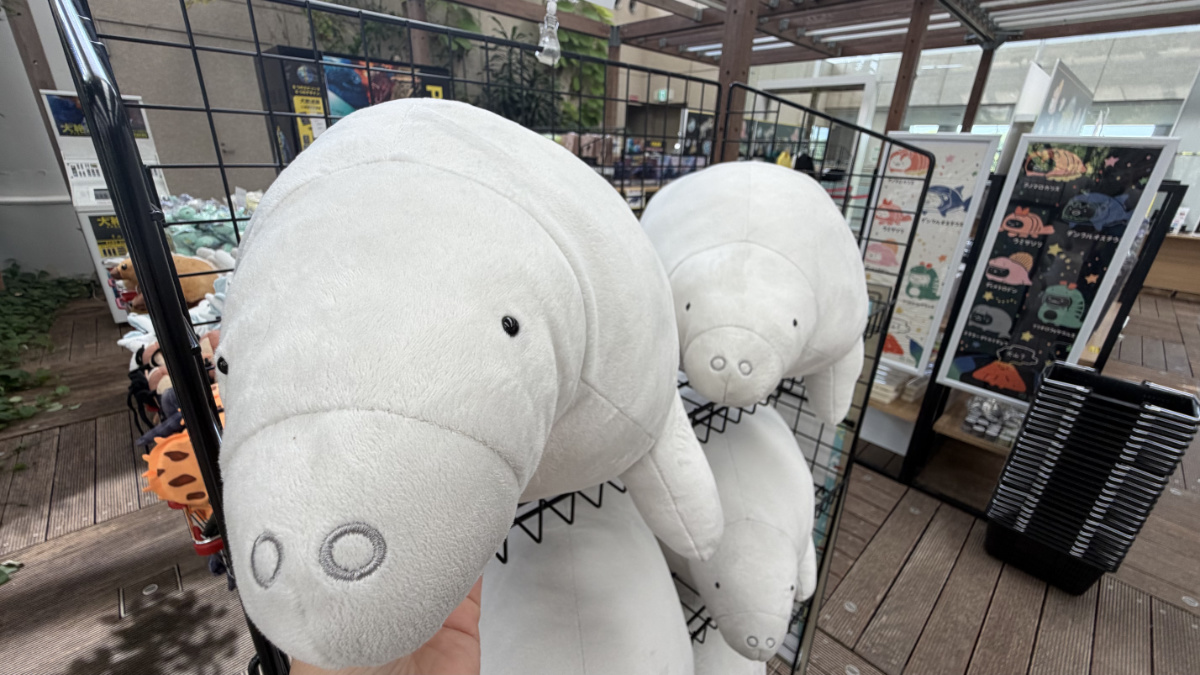
Original merchandise available only here,

as well as Osaka-exclusive collaboration T-shirts and tote bags with 551 Horai, plus many other unique original items.
With plenty of products that appeal to adults as well as children, be sure to find a favorite to take home.
□Event Information
Special Exhibition “The Great Extinction Exhibition—The Big Five in the History of Life”
Dates: Friday, July 17–Monday, October 12 (public holiday), 2026
Venue: Nature Hall, Osaka Museum of Natural History
Hours: 9:30 a.m.–5:00 p.m. (last admission at 4:30 p.m.)
Admission: Adults US$12.50; high school and university students US$8.13; elementary and junior high school students US$3.13
For details, visit the official website below:
https://daizetsumetsu.jp/outline_osaka.html
Buy on Asoview: Great Extinction Exhibition
Currency conversions use the fixed rate of US$1 = ¥160.

Make the latest USJ and Kansai event updates
easier to find on Google.