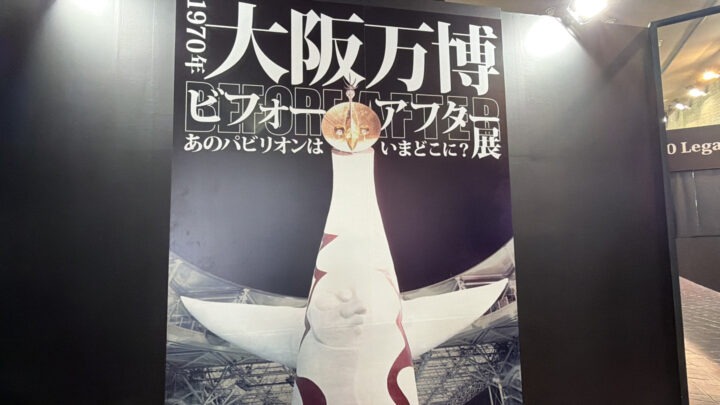
After the Expo: Where Are Those Pavilions Now? A Special Exhibition Tracing What Happened After EXPO ’70
Now that we have experienced Expo 2025 Osaka, Kansai, the 1970 Osaka Expo feels more intriguing than ever.
What happened to the pavilions built for that event?
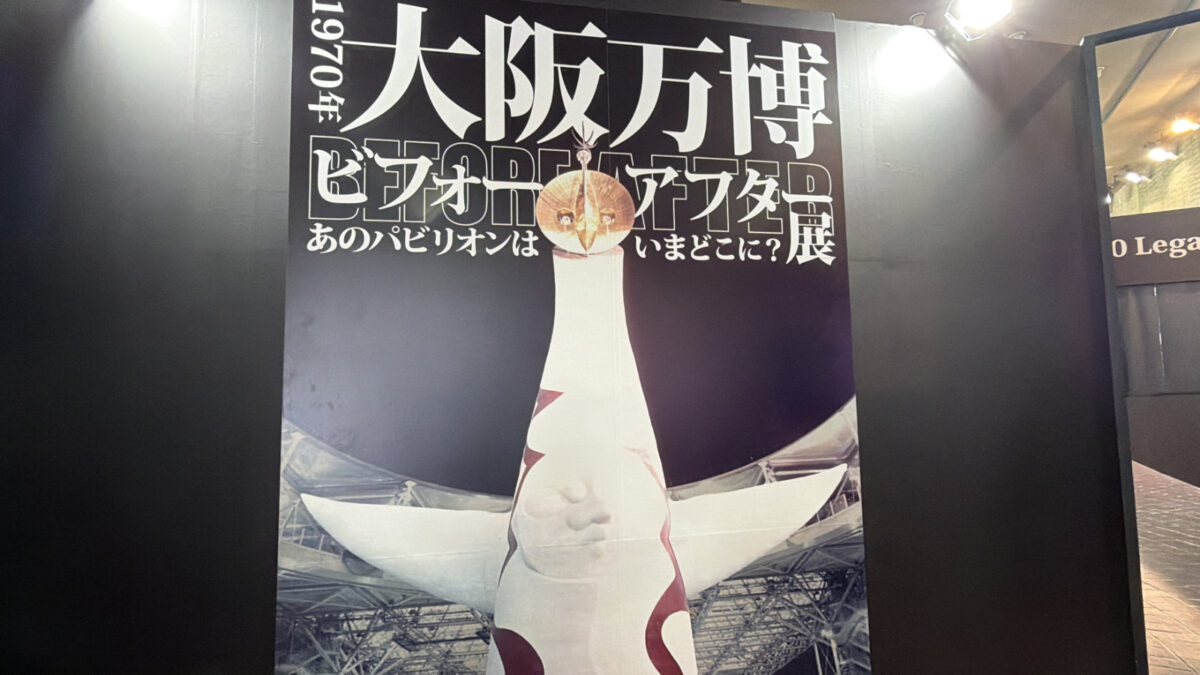
The special exhibition “Osaka Expo 1970 Before and After: Where Are Those Pavilions Now?” answers that question at Expo ’70 Commemorative Park.
◇Expo Memories Preserved Across Japan
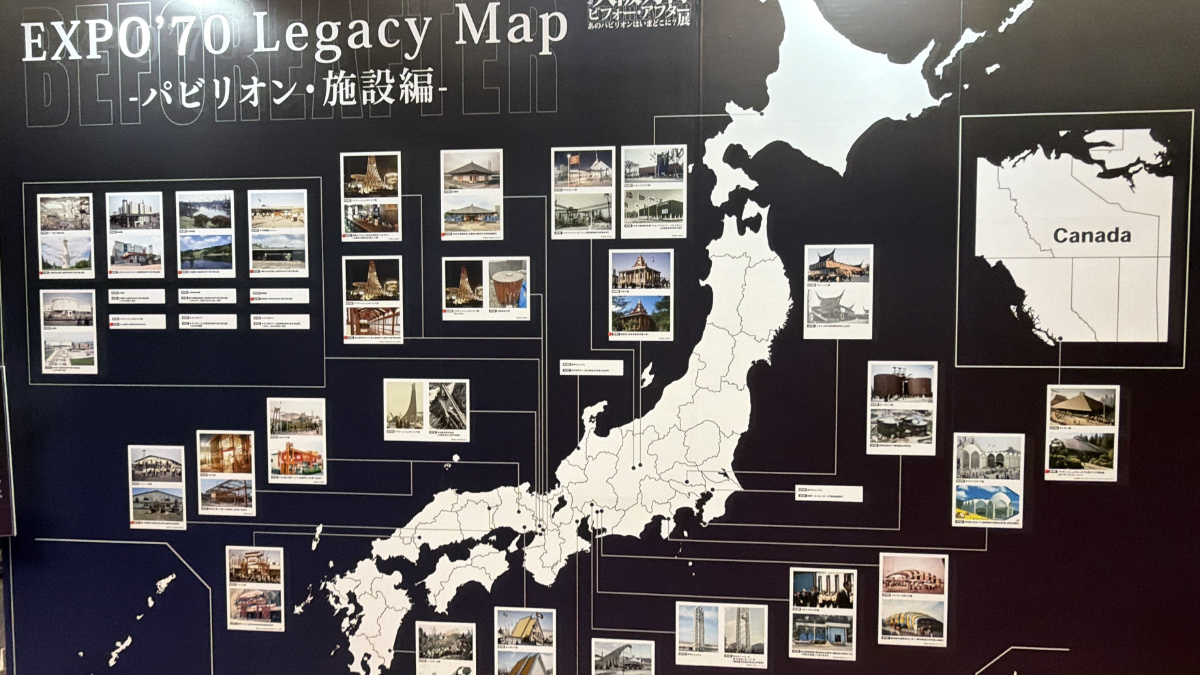
One of the most striking displays is a map of Japan showing the current locations of pavilions built for the 1970 Expo.
Before-and-after photos explain where each structure was relocated and how it is being used today.
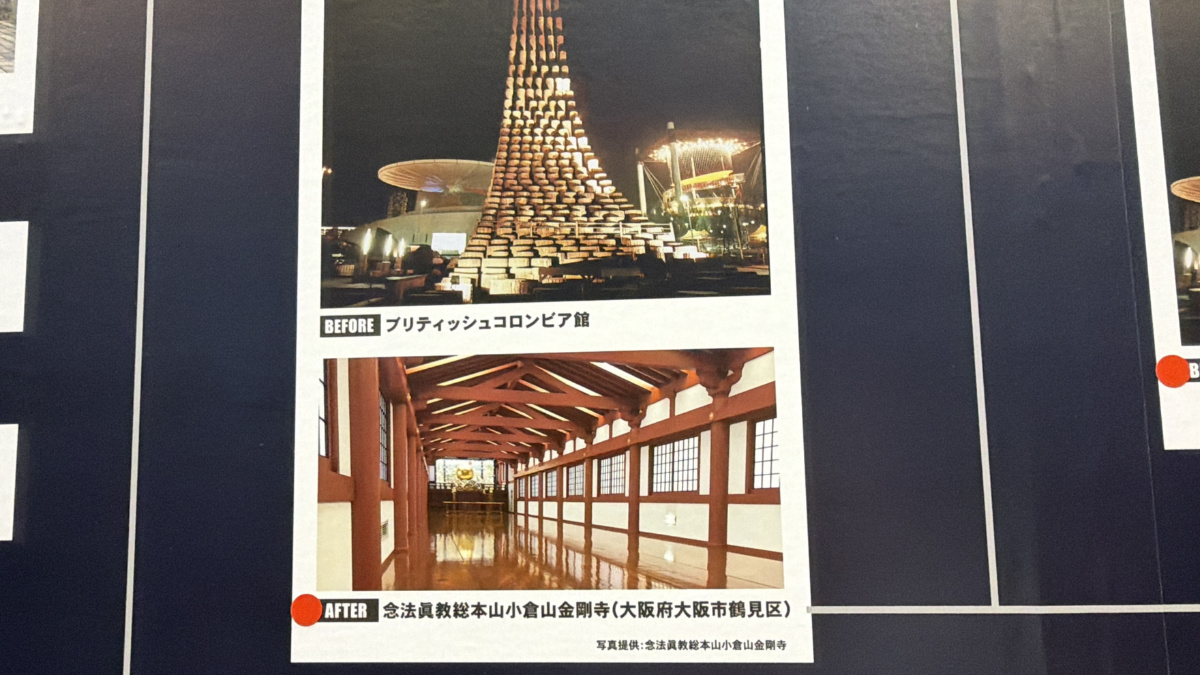
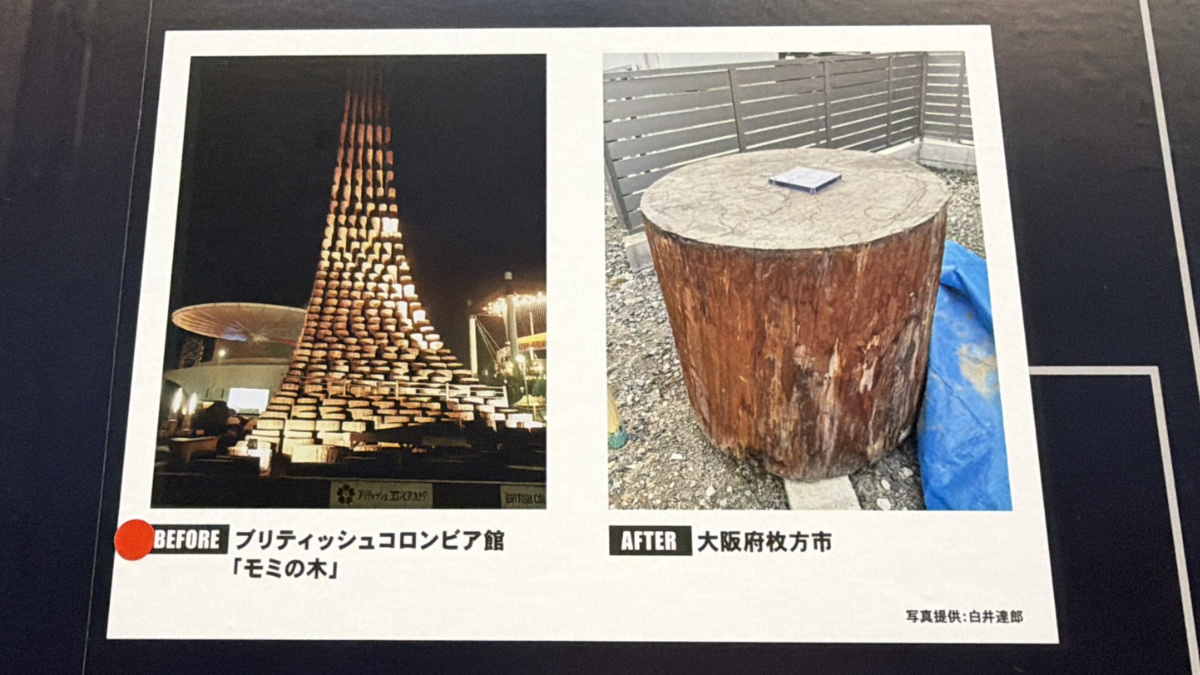
It is surprising how many facilities still survive, and the display makes you realize that memories of the Expo remain alive throughout Japan.
This perspective goes beyond a museum exhibition and may even inspire new travel destinations.
After Expo 2025 Osaka, Kansai, parts of its pavilions have been dispersed across Japan and even around the world, and visiting them has already become a favorite activity for many fans.
Examples include part of the Sumitomo Pavilion going to the Sen-Oku Hakukokan Museum in Kyoto and a Myaku-Myaku statue going to Expo ’70 Commemorative Park. Following these traces after the Expo can lead you to unfamiliar places, new encounters, and truly meaningful travel experiences.
◇There Is Also a Theater
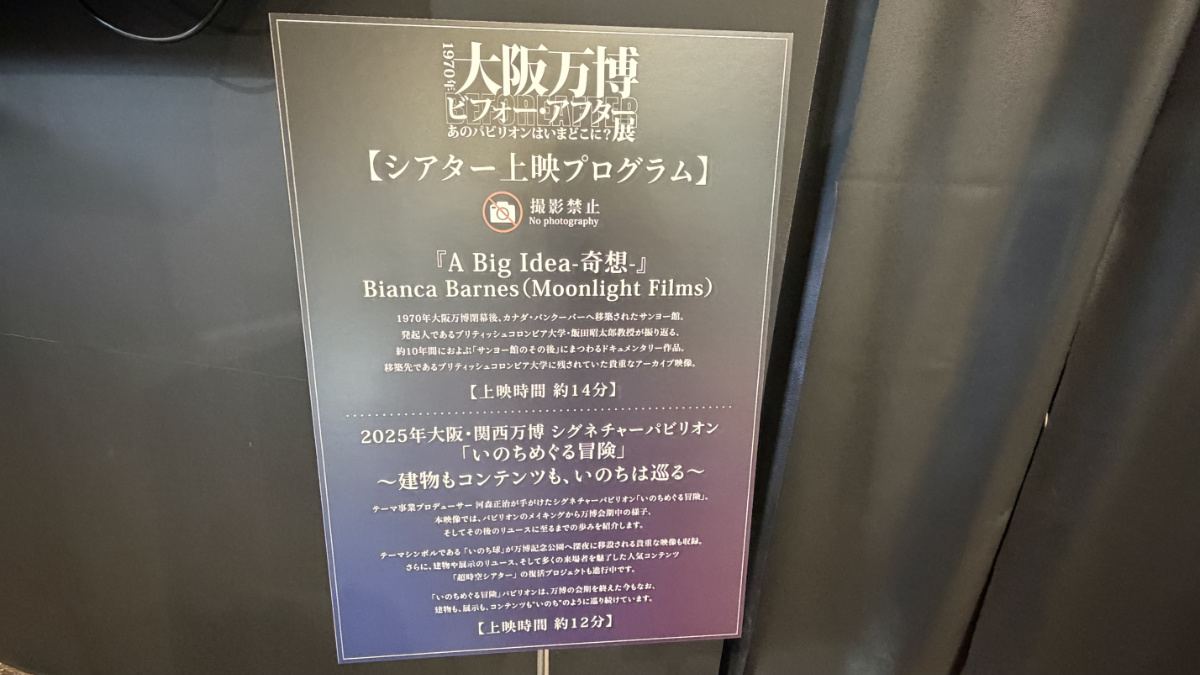
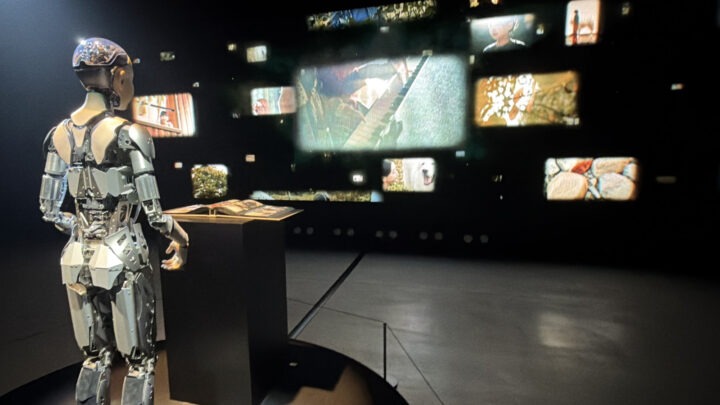
◯A documentary about the Sanyo Pavilion, which was relocated to Vancouver, Canada, and the roughly ten years that followed.
The approximately 14-minute film features valuable archival footage from the time.
◯The story of the “Adventure of Life” Pavilion, from its making and operation during the Expo to its later reuse.
This pavilion was so popular at Expo 2025 Osaka, Kansai that reservations were extremely difficult to secure!
The approximately 12-minute film looks back on its journey.
◇Rare Exhibits That Convey the Excitement of the Era
The venue also displays valuable artifacts from the period as part of the “EXPO ’70 Donated Items Collection.”
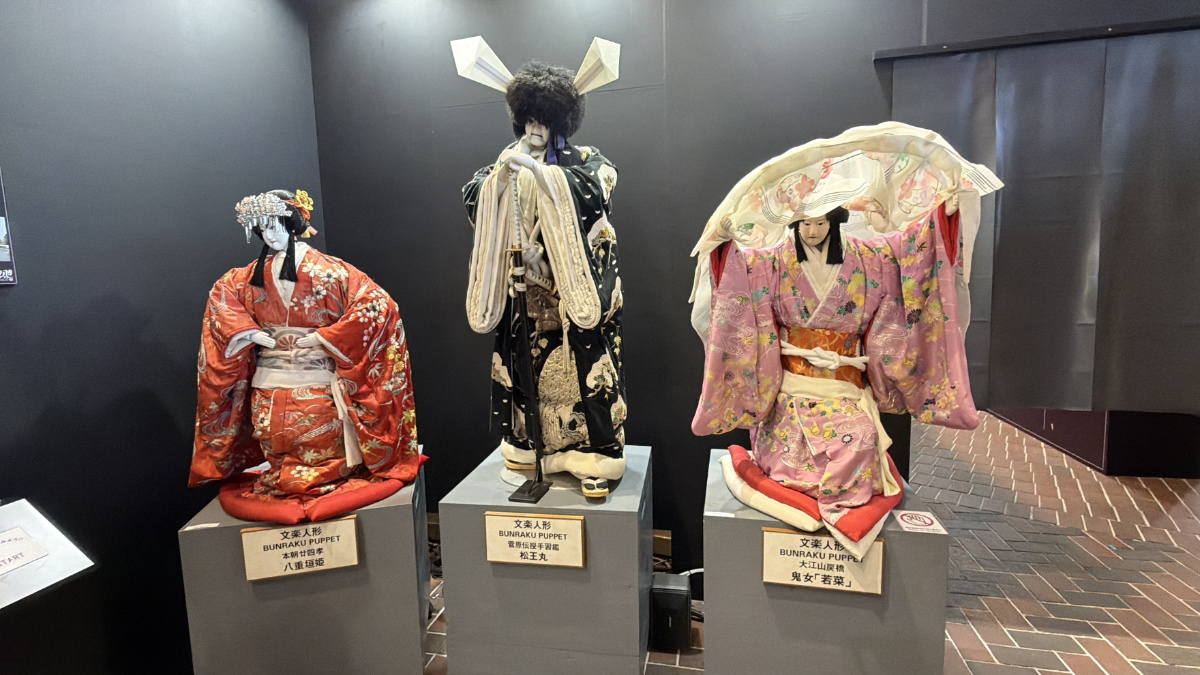
Do not miss the delicate movements of the Bunraku puppet, which still operates today at the push of a button.
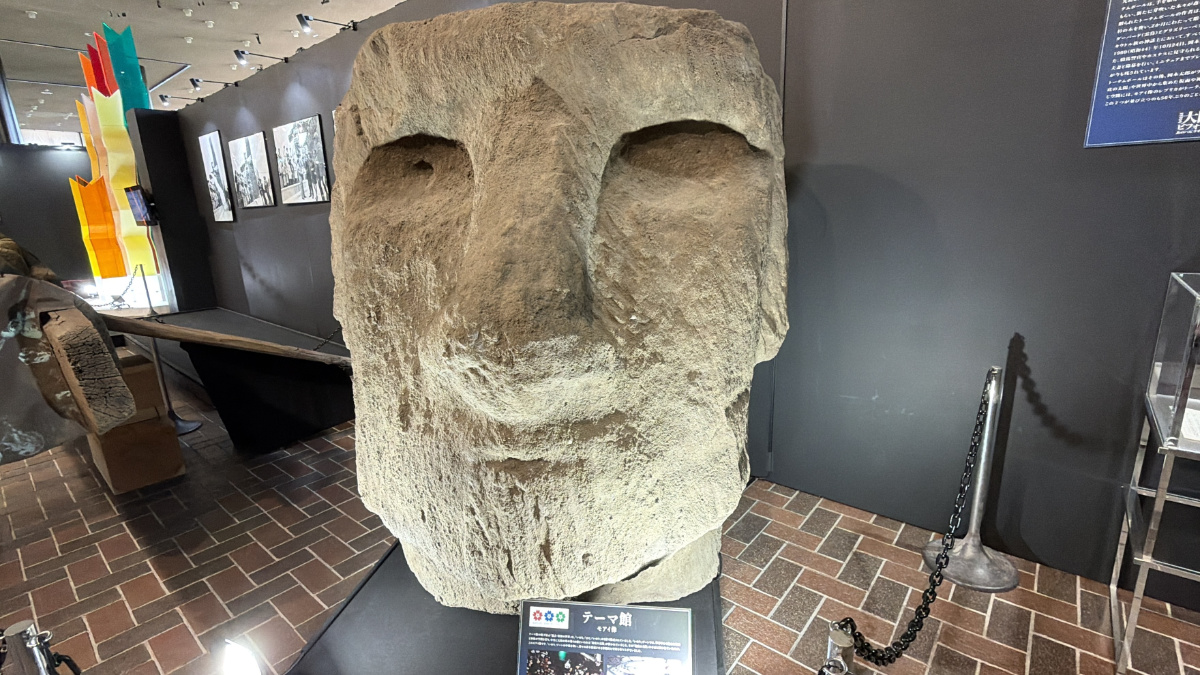
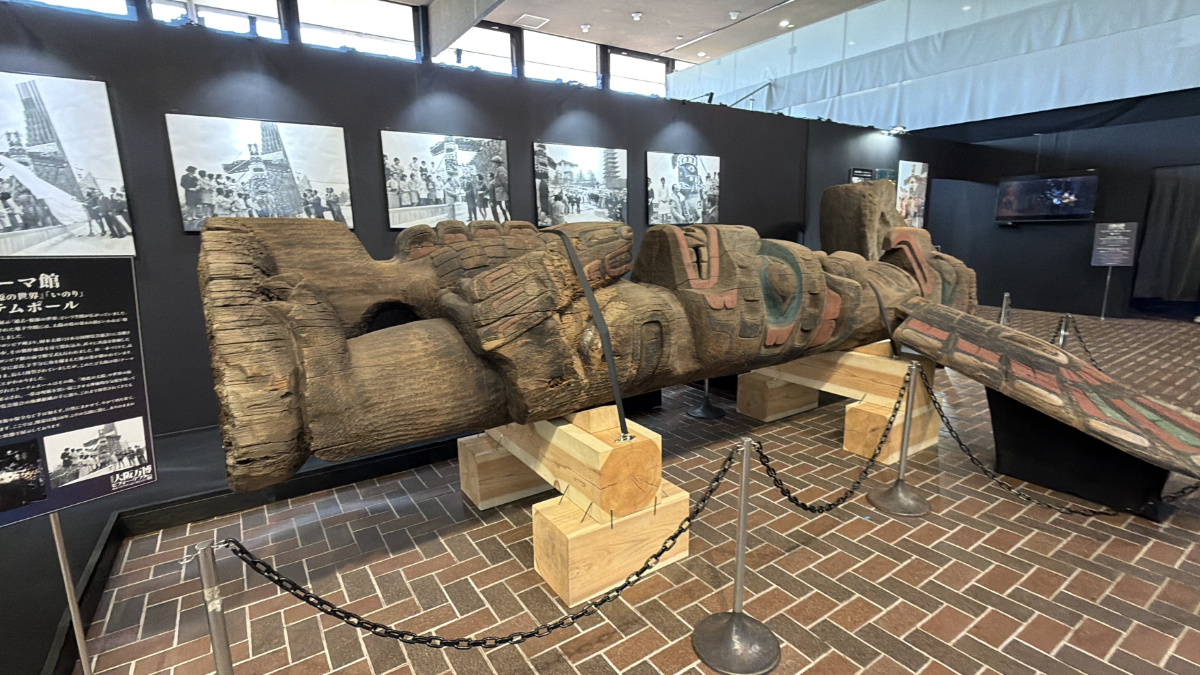
A giant moai statue and a reclining totem pole once displayed in the Theme Pavilion are among the many exhibits with a powerful visual impact.
Many displays reward close observation and help visitors sense just how grand the Expo grounds were.
◇Costume Corner
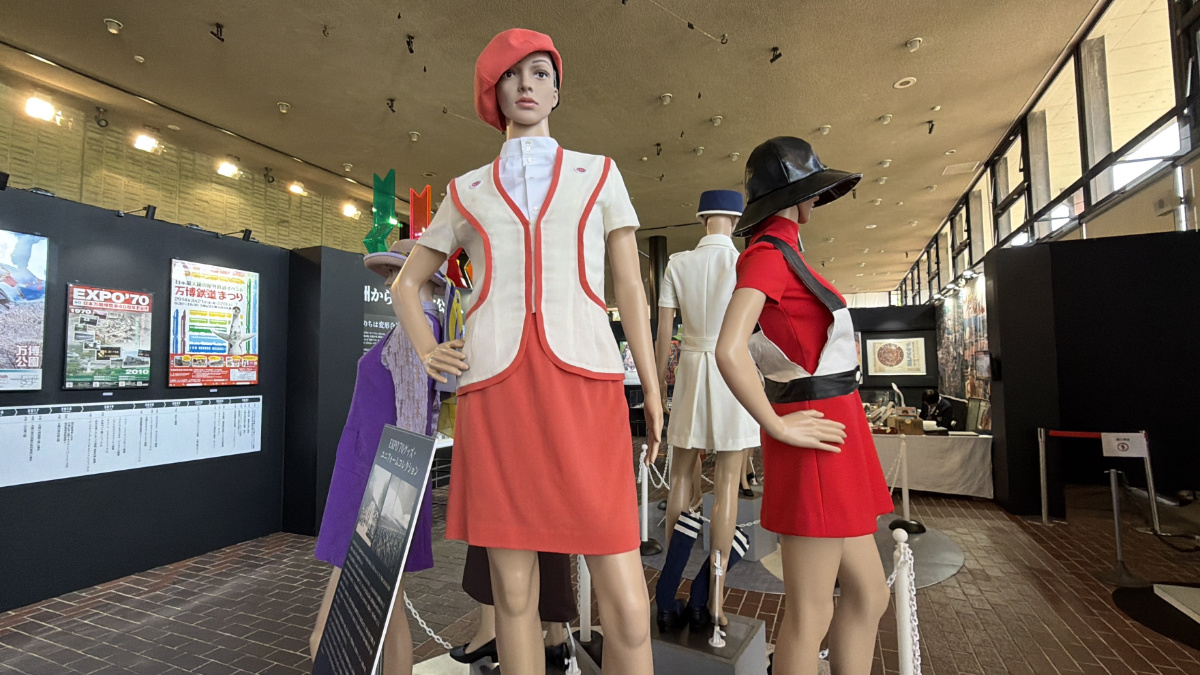
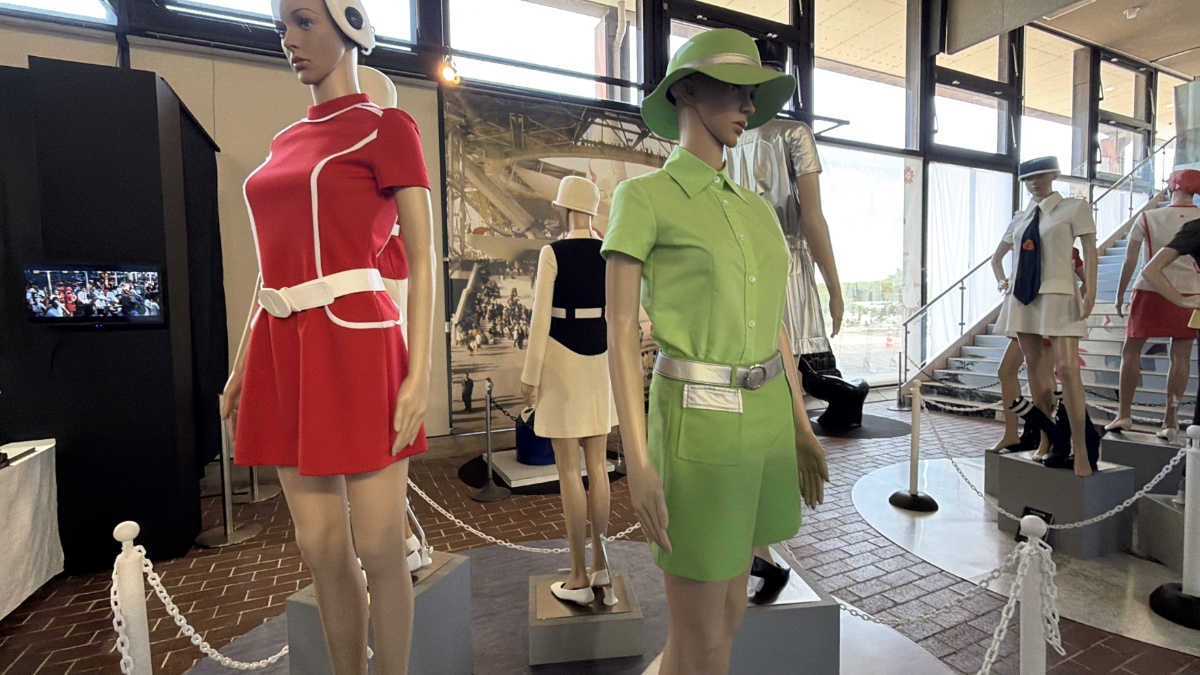
Attendant costumes from a variety of pavilions are on display.
Every outfit has a short hemline, making it clear that miniskirts were in fashion. I could not hide my surprise as I looked at them.
The colors are also remarkably vivid and beautiful.
With so many highly saturated primary colors, these costumes must have energized visitors at the time♪
◇Photo Spots
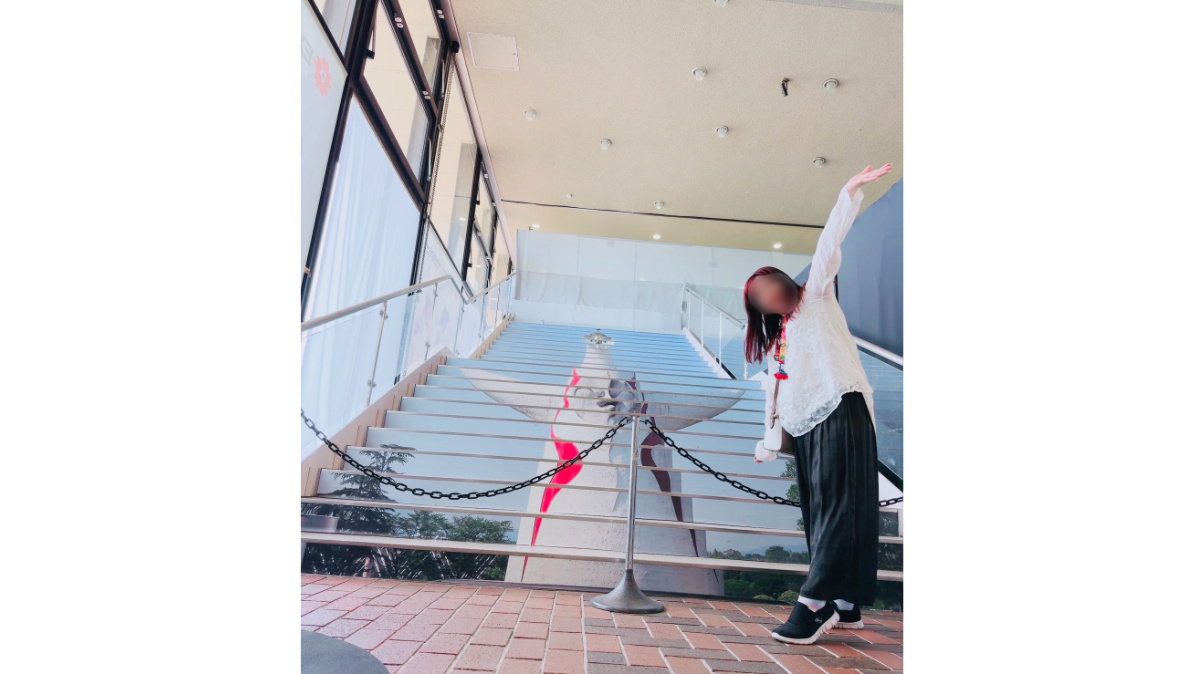
The Tower of the Sun is printed across a staircase, creating a photo spot where you can capture the structure from an especially good angle.
The real Tower of the Sun, of course, stands prominently inside Expo ’70 Commemorative Park, but this perspective is charming too!
This photo was taken from below, and you can also get a great shot from above, so be sure to try both angles.
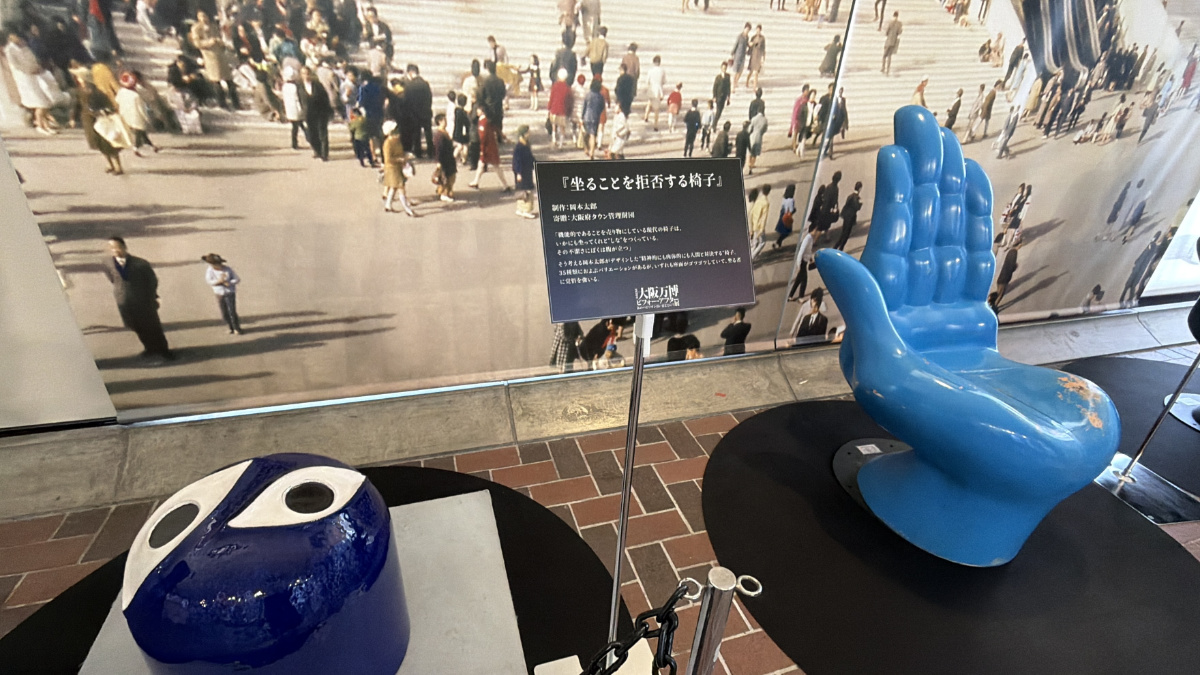
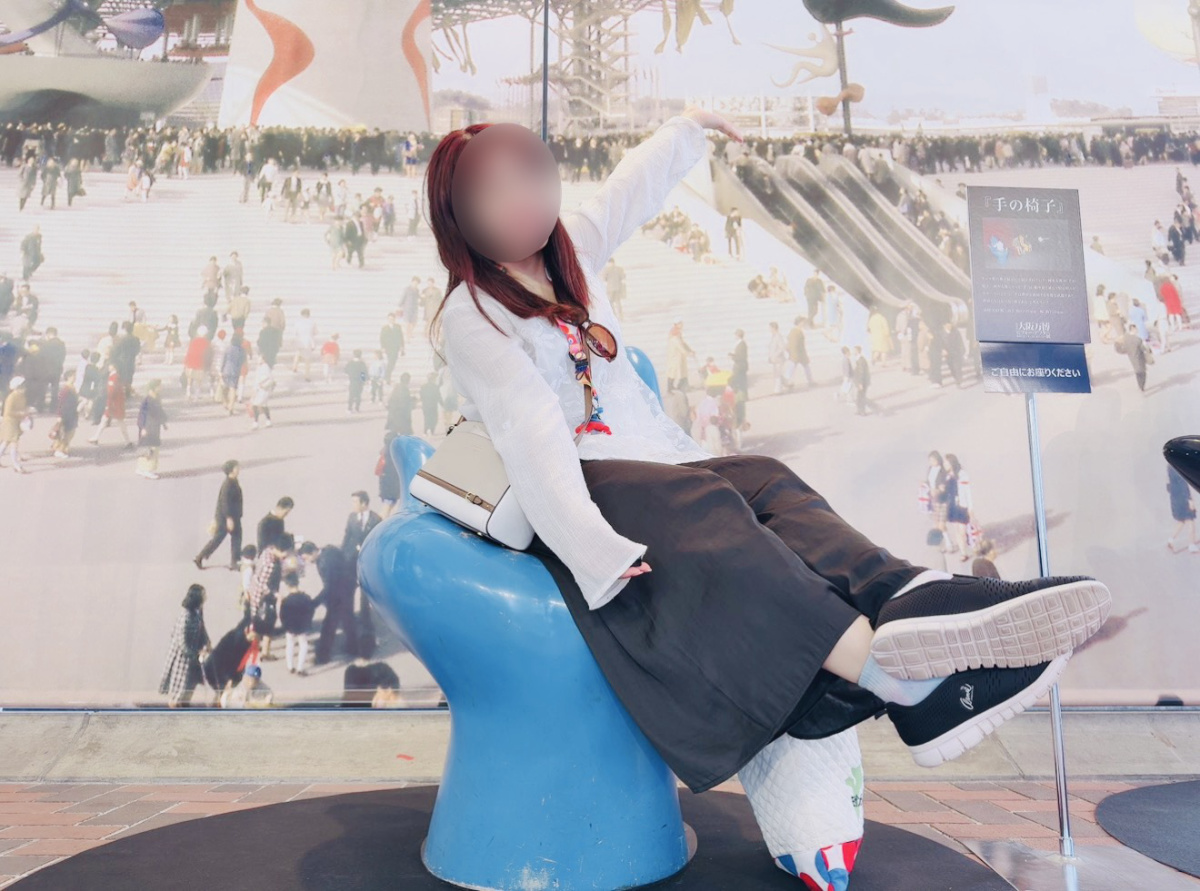
This “Hand Chair” by Taro Okamoto was displayed in the underground exhibition area of the Theme Pavilion.
Visitors can actually sit in it.
The backdrop behind the chair recreates the Expo as it appeared at the time, allowing you to take a photo that feels like a trip back in time.
However, once someone sits down, the chair’s hand shape becomes hard to see, so pay attention to the angle when taking your picture.
◇A Shop Filled with Retro Charm
The shop lets you take a piece of the exhibition experience home with you.
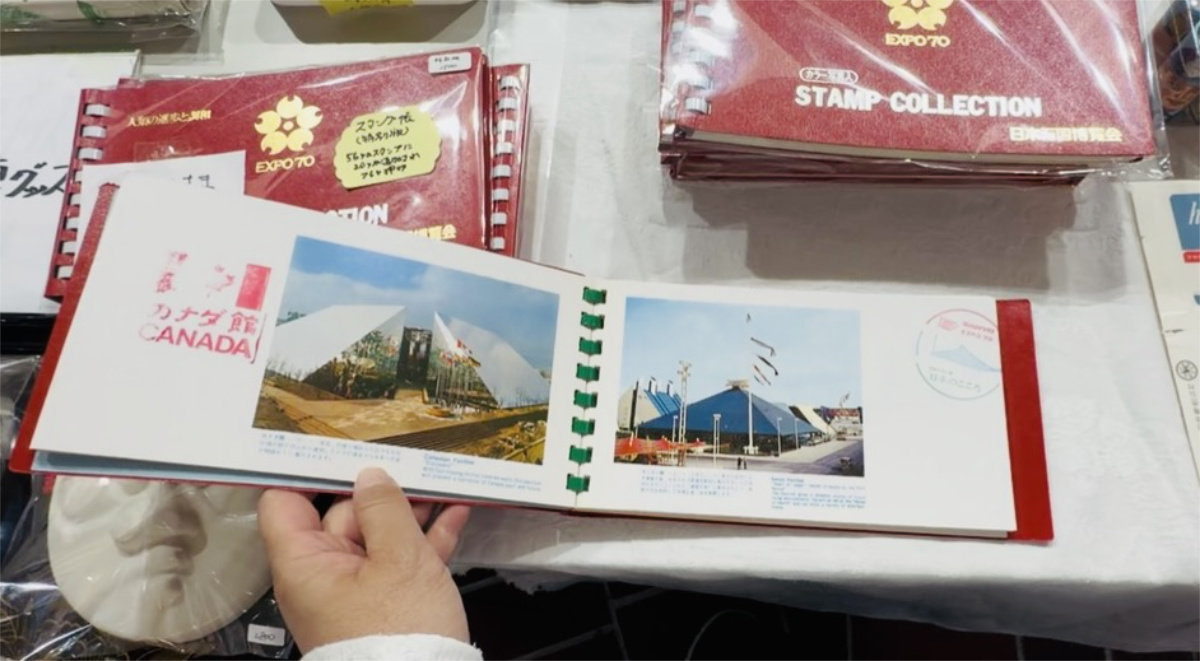
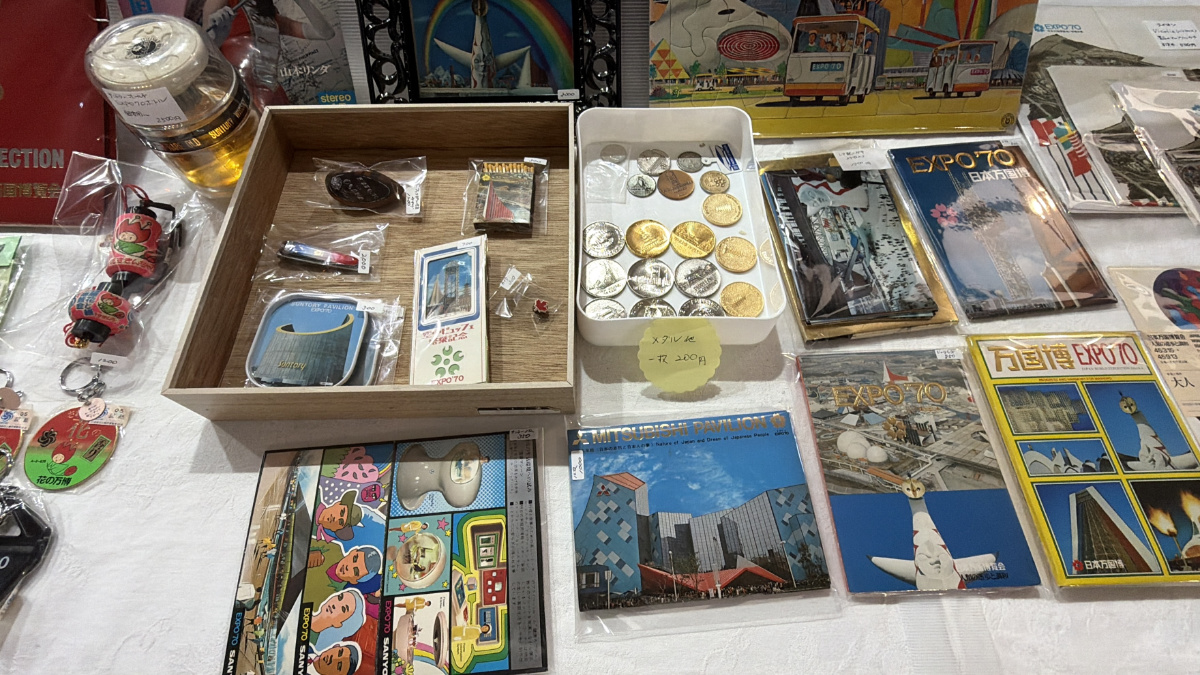
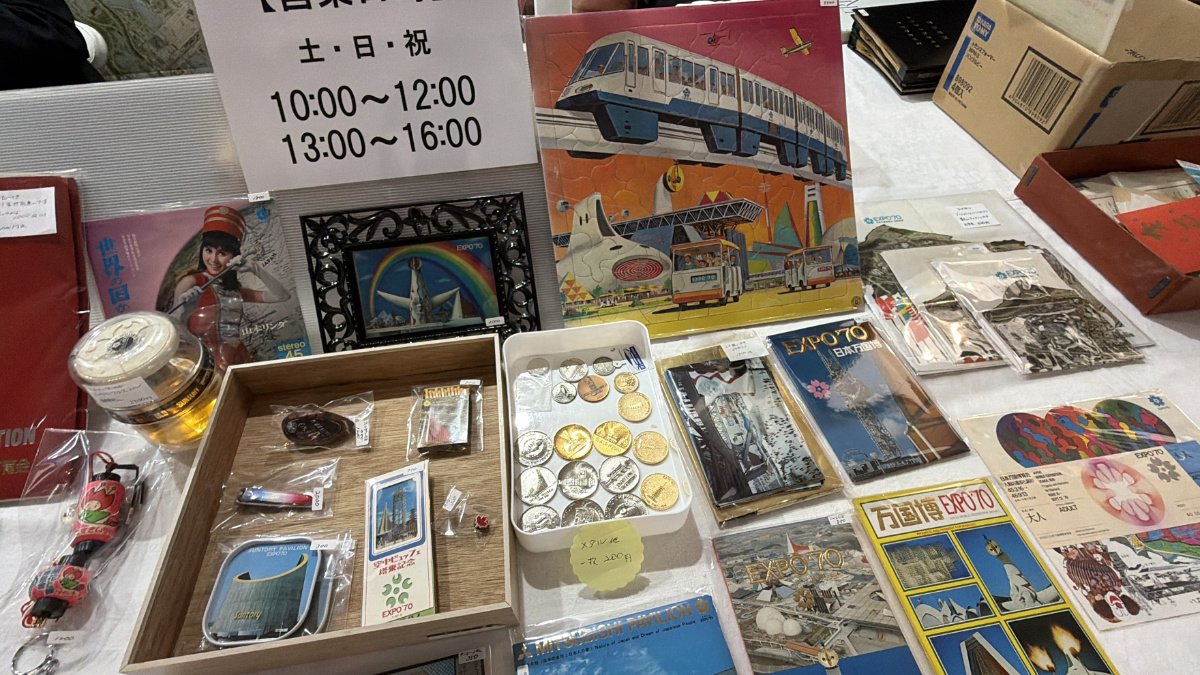
The selection evokes the era of EXPO 70, with stamp books still bearing stamps from the event and a variety of reproduced and related merchandise.
Many visitors are drawn in by the retro designs and historical value and cannot help but stop for a closer look. I was one of them.
Because I was not yet born at the time, everything felt fresh to me. Being able to buy items preserved in such beautiful condition felt like hunting for treasure.
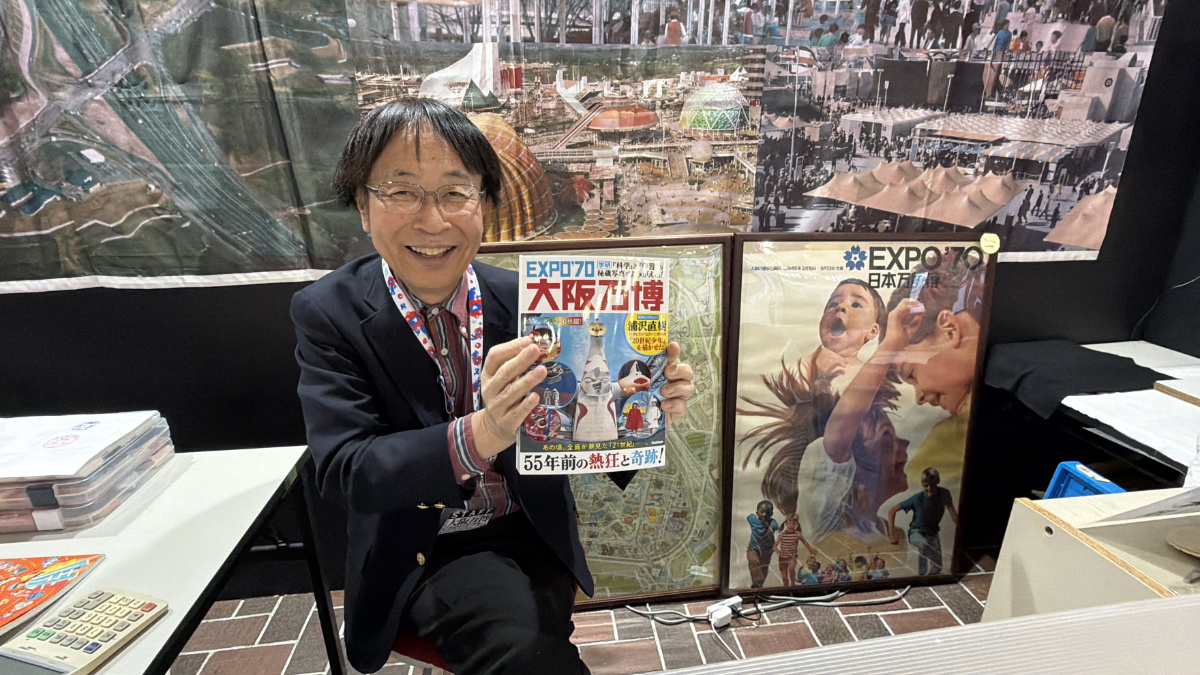
Many items are difficult to understand just by looking at them. I was deeply moved to meet Expo collector Tatsuro Shirai here, learn about the period from him, and hear his valuable stories.
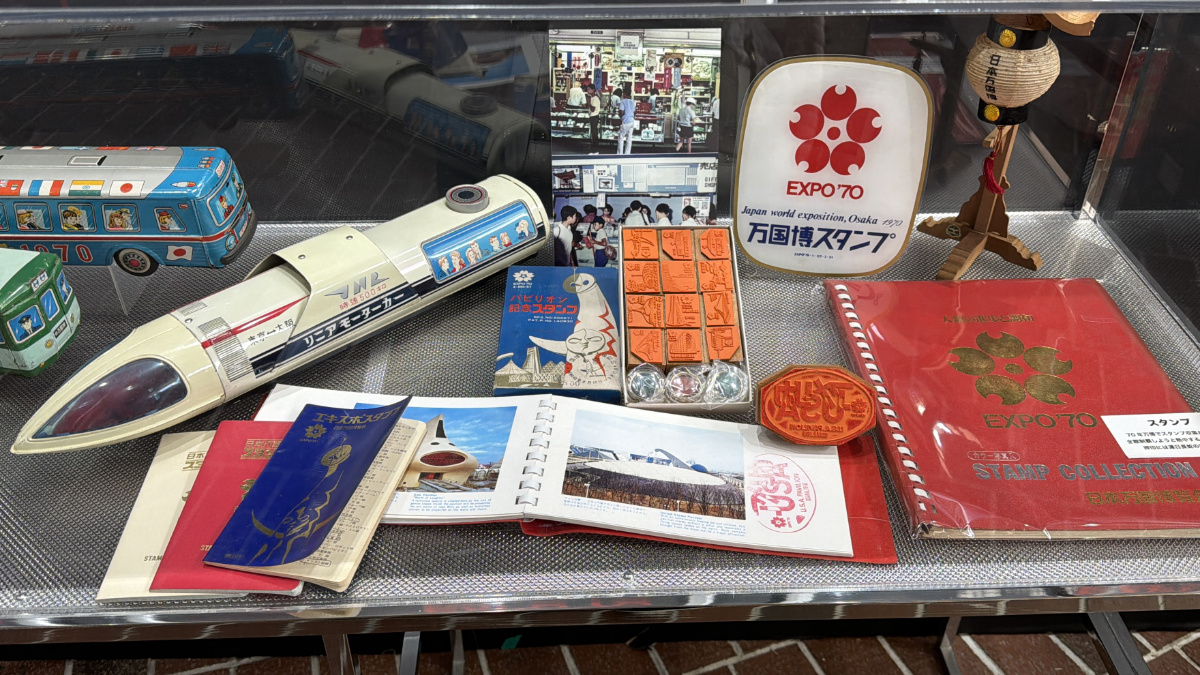
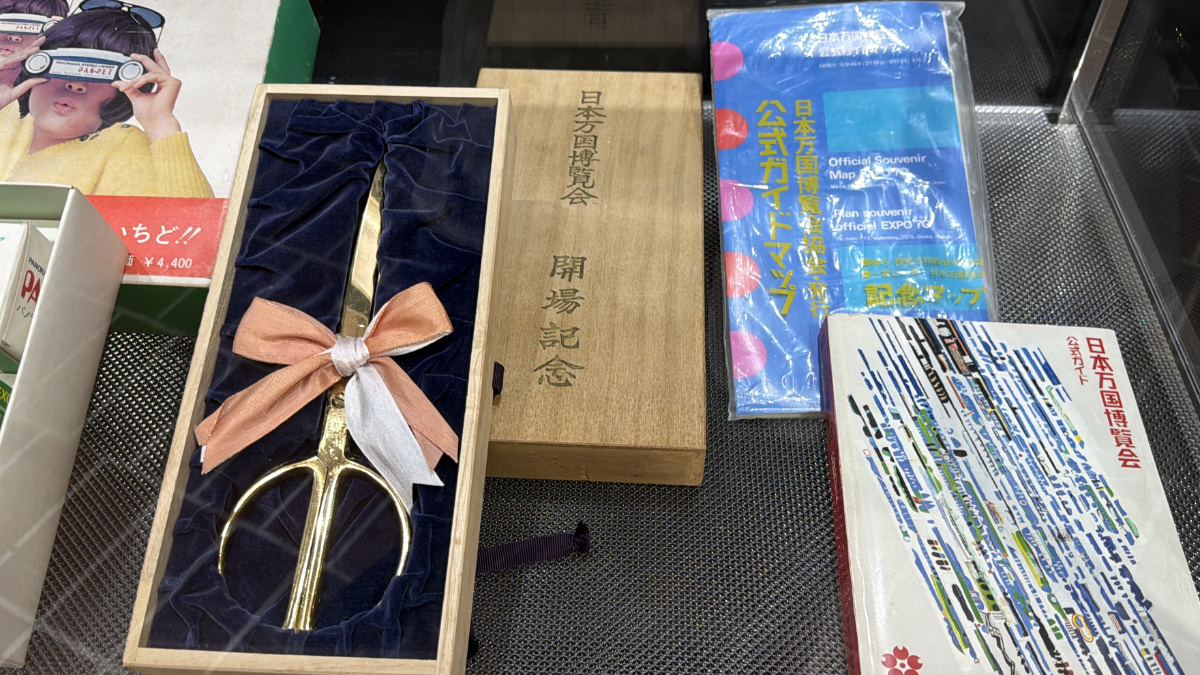
Many items from Mr. Shirai’s prized collection are also on display.
The shop is open only on weekends, and I was able to have this encounter because I entered first thing in the morning when almost no one else was there. I recommend visiting early on a Saturday or Sunday.
◇An Expo Is Not Just the Past—It Connects Across Time
The 1970 Osaka Expo and Expo 2025 Osaka, Kansai.
Although the eras are very different, this exhibition reveals the continuity between them.
It shows that an Expo is not a one-time event, but something passed down through the culture and cities that follow, as well as through people’s memories.
◇Exhibition Information
This exhibition runs through February 28, 2027.
Admission to the special exhibition only is $7.50 including tax.
A combined ticket covering the special exhibition and permanent exhibition is also available for $9.38 including tax.
The combined ticket offers a deeper look at Expo history, so it is recommended for first-time visitors.
Be sure to allow plenty of time.
The permanent exhibition is quite extensive.
This exhibition is well worth visiting as a way to discover what happens after an Expo.
Those who became interested in Expos through Expo 2025 Osaka, Kansai may find that exploring earlier Expos opens up their world and leads to exciting new opportunities.
Exchange rate used: US$1 = ¥160.

Make the latest USJ and Kansai event updates
easier to find on Google.





![Osaka Temperatures by Month | What to Wear at USJ for Morning-to-Night Temperature Swings [Women & Men]](https://happyell.co.jp/world/wp-content/uploads/2026/08/usj-osaka-temperature-clothingtitle-600x338.jpg)