What You’ll Learn in This Article
- How to read the upper and lower sections of the Nijo Castle Imperial Visit Screens and highlights among the 3,226 figures
- How to enjoy standout exhibits such as the oldest surviving junihitoe court costume and padded-fabric pictures
- Dates, admission, display periods, and a recommended viewing order for history beginners
A historical painting of a grand procession of an emperor and shogun 400 years ago may sound a little intimidating.
But the Nijo Castle Imperial Visit Screens at the Sen-Oku Hakukokan Museum become more intriguing the closer you look: “What is this person doing?” “Is that a banquet happening here?” New scenes keep catching your eye.
An astonishing 3,226 people are depicted. Not only the emperor and shogun, but also crowds of Kyoto residents who gathered to watch the procession fill the screens.
We attended a press preview of the special exhibition “The Kan’ei Imperial Visit and the Cultural Figures of the Flower Capital,” commemorating the 400th anniversary of the Kan’ei Imperial Visit, opening at the Sen-Oku Hakukokan Museum on September 5, 2026.
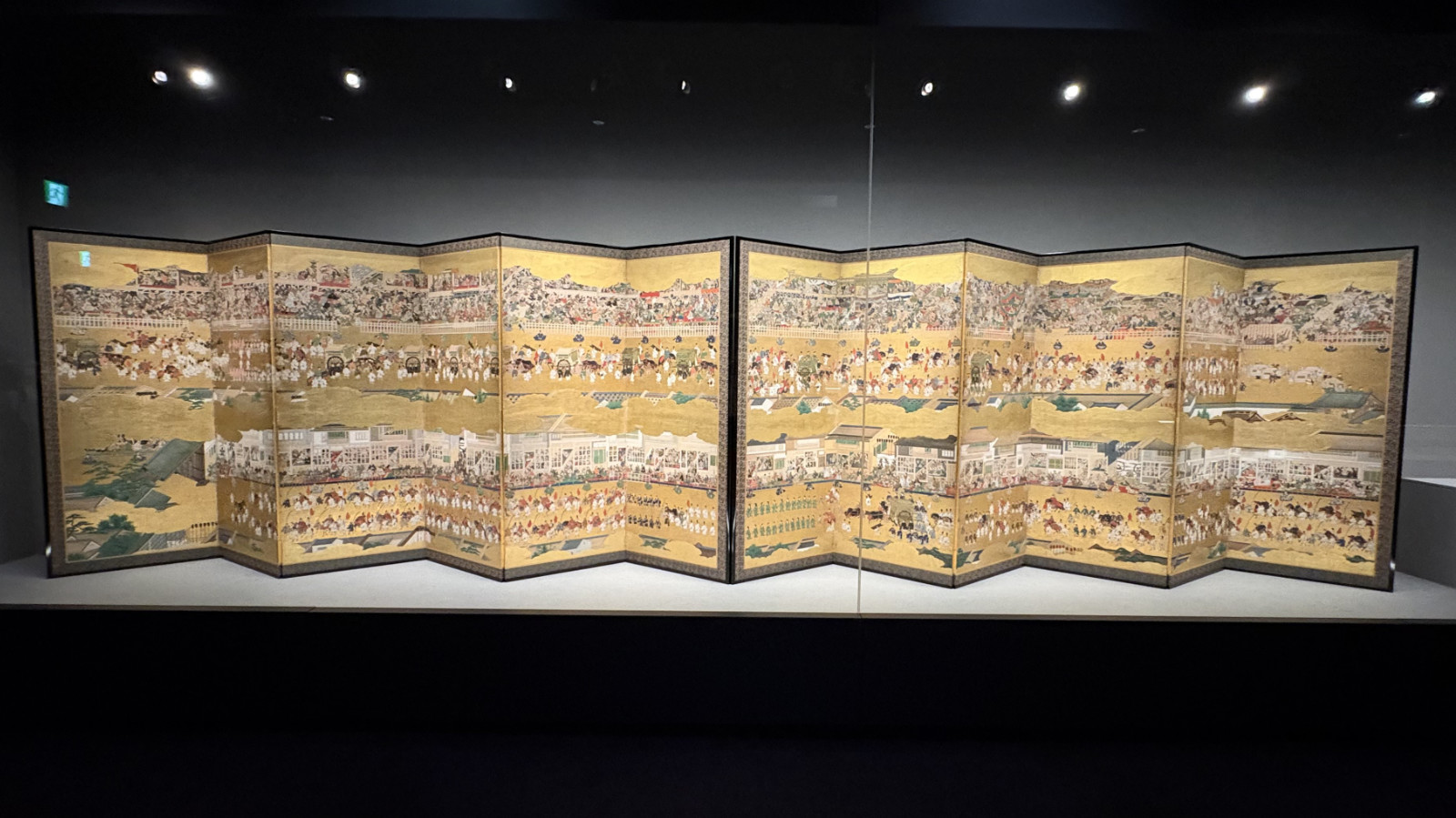
What makes the Sen-Oku Hakukokan exhibition “The Kan’ei Imperial Visit and the Cultural Figures of the Flower Capital” so interesting?
In Kan’ei 3 (1626), Emperor Go-Mizunoo traveled to Nijo Castle in Kyoto at the invitation of retired shogun Tokugawa Hidetada and Shogun Tokugawa Iemitsu.
This event is known as the “Kan’ei Imperial Visit.”
The imperial family and court nobles, the shogun, and daimyo gathered from across Japan proceeded through Kyoto, followed by five days of lavish hospitality at Nijo Castle.
Although it was a major political event 400 years ago, the appeal of this exhibition is that it does not focus only on political history.
You also encounter the Kyoto residents watching the procession, the finest clothing and furnishings, tea, waka poetry, crafts, and cultural figures who interacted across social ranks.
The two central themes highlighted by the museum are the Sen-Oku Hakukokan’s Nijo Castle Imperial Visit Screens and Tofukumon-in (Tokugawa Masako).
Using these two as anchors makes the story easy to follow even if you know little about the early Edo period.
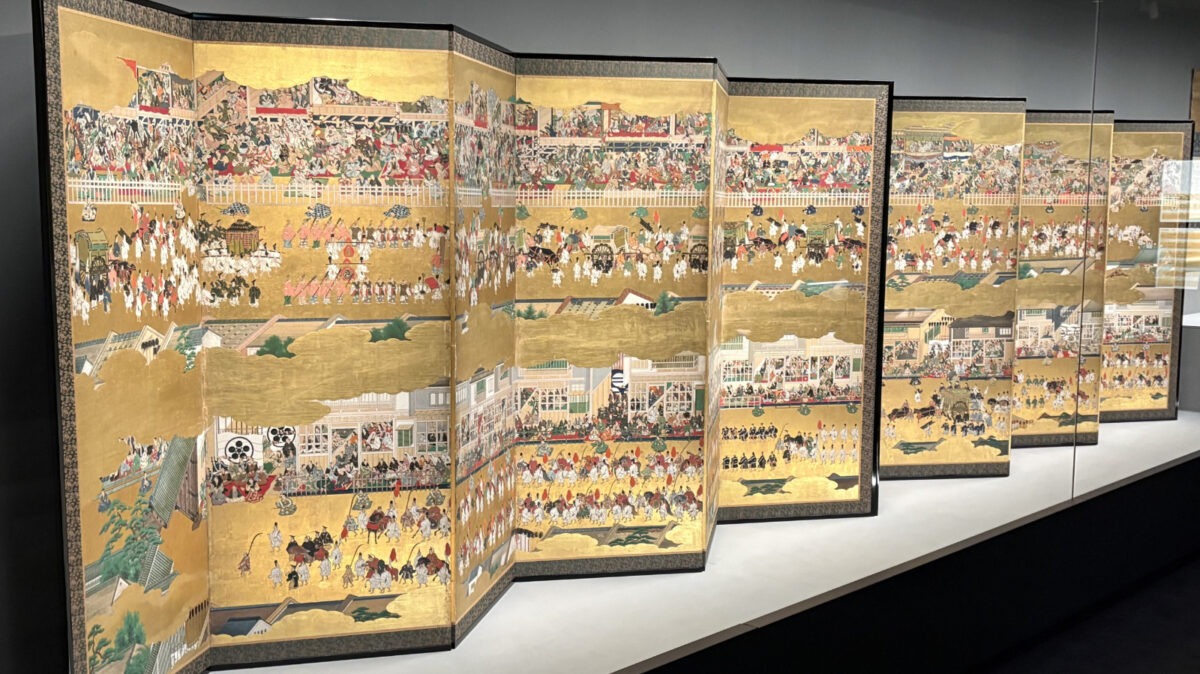
First, view the Nijo Castle Imperial Visit Screens from a distance: the procession moves in opposite directions above and below
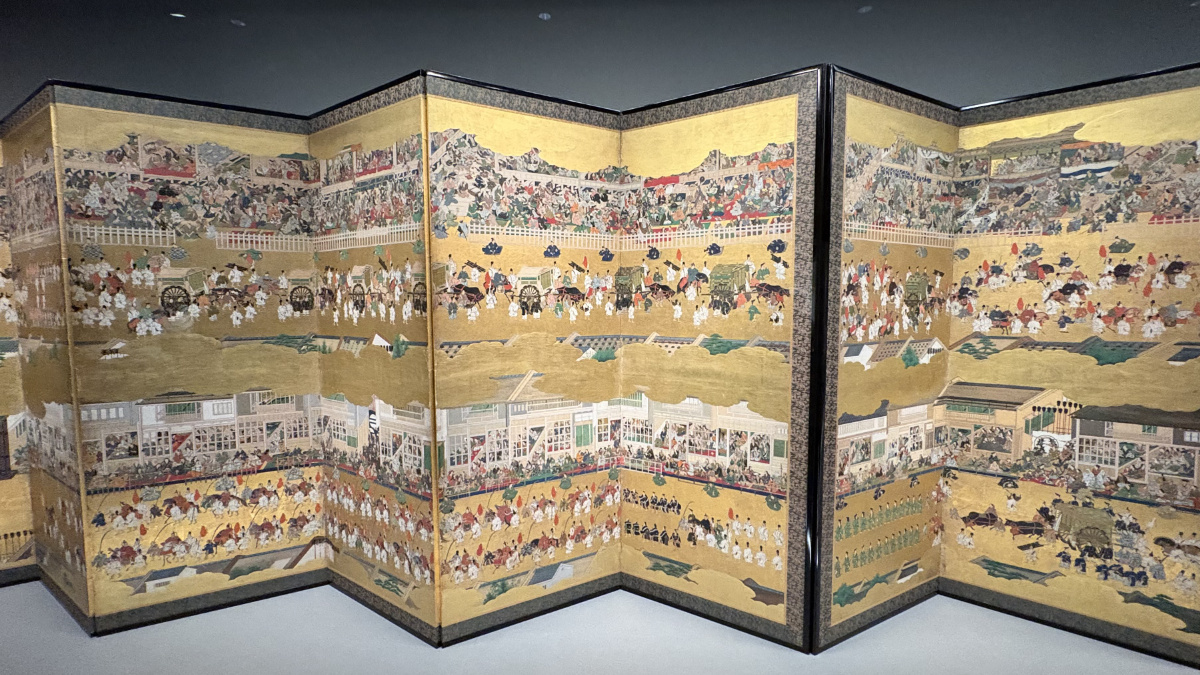
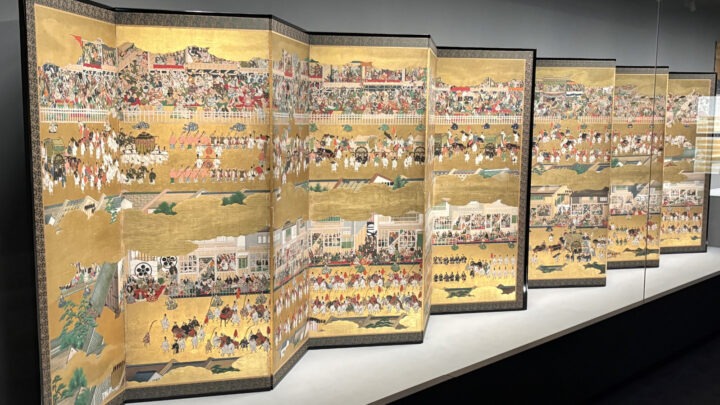
The Nijo Castle Imperial Visit Screens form a large pair of six-panel folding screens.
Rather than moving straight into the details, step back first and look at the whole composition. You can see that the picture is divided into upper and lower bands.
* A “pair of six-panel folding screens” means a set of two folding screens, left and right, each made of six connected panels.
Upper section: Emperor Go-Mizunoo’s party heads to Nijo Castle
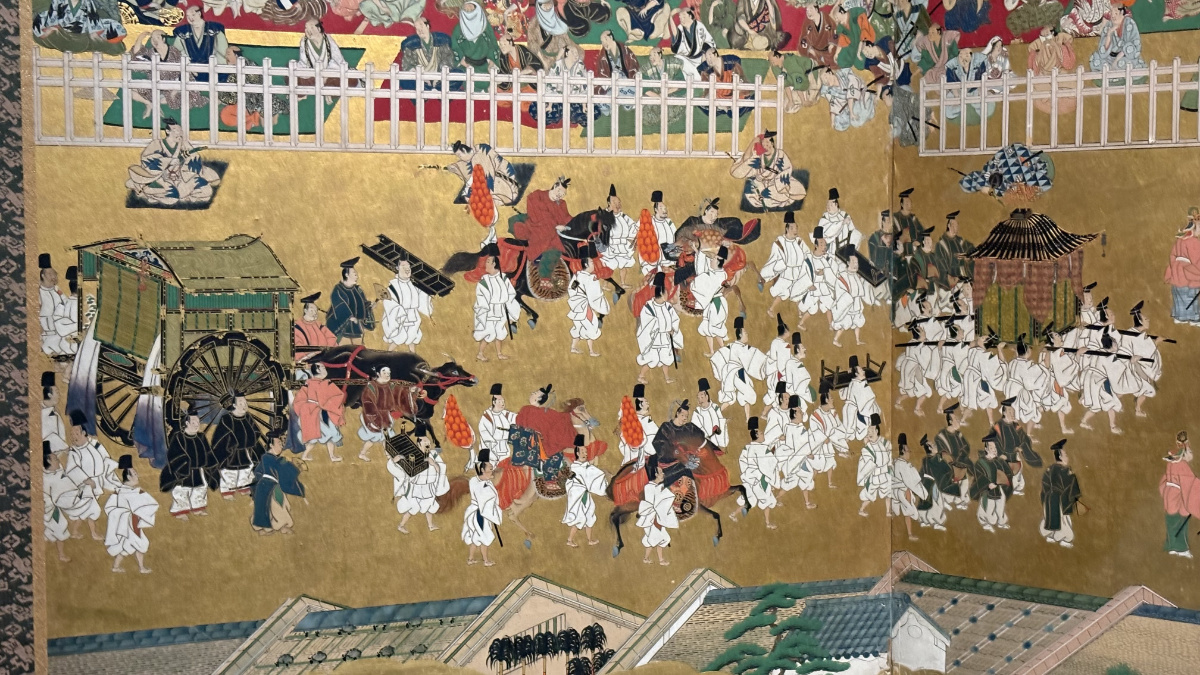
In the upper section, people move toward the right side of the picture.
Their destination is Nijo Castle.
A vast imperial procession continues toward the castle, centered on Emperor Go-Mizunoo and including Tofukumon-in, members of the imperial family, and court nobles.
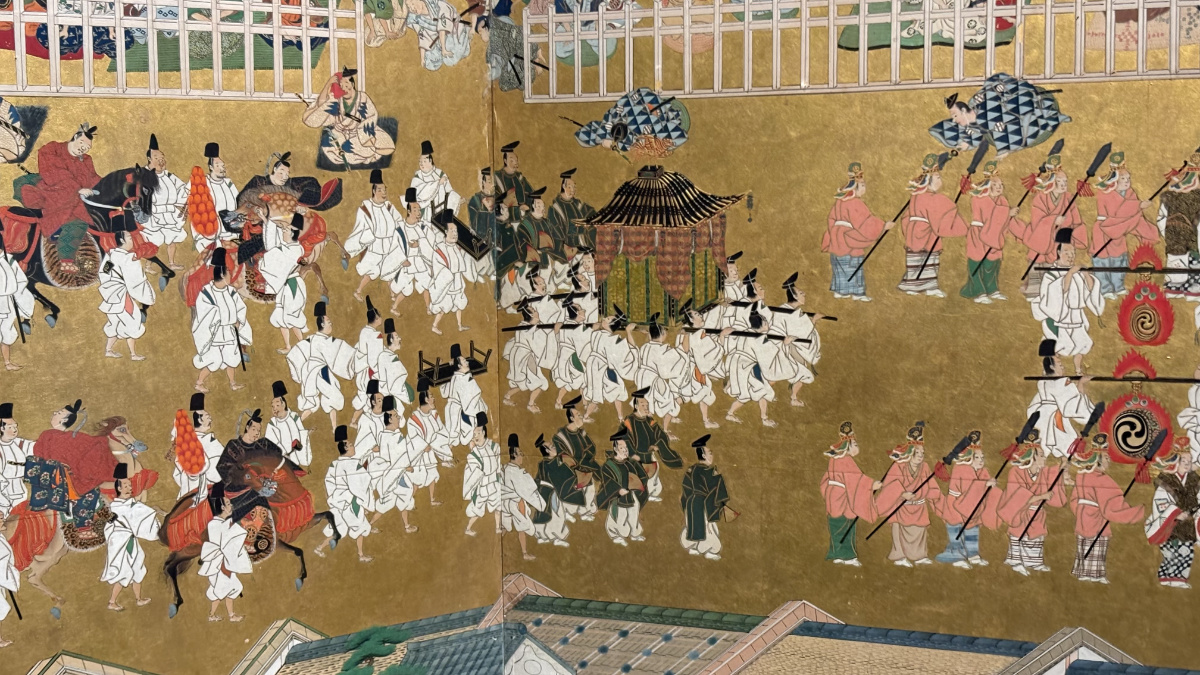
Once you find the phoenix palanquin carrying Emperor Go-Mizunoo, let your eyes move ahead of and behind it.
The procession was reportedly so long that even after the front had entered Nijo Castle, the rear had not yet left the Imperial Palace. The wide format of the screens conveys that extraordinary scale.
Lower section: Tokugawa Iemitsu heads to the Imperial Palace
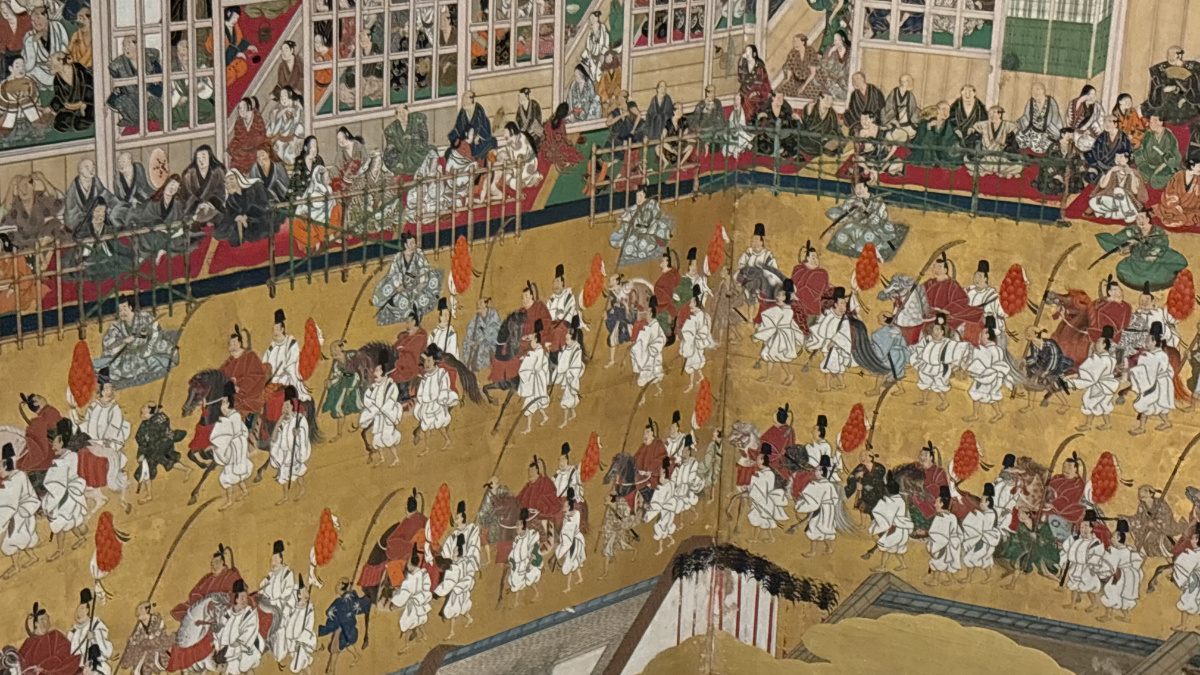
The procession in the lower section, by contrast, moves to the left.
This scene takes place before the imperial visit: Shogun Tokugawa Iemitsu, accompanied by daimyo from across Japan, heads to the Imperial Palace to welcome Emperor Go-Mizunoo.
In other words, the screens distinguish vertically between “the imperial party heading to Nijo Castle” and “the shogun’s party heading to the Imperial Palace to receive them.”
Knowing this basic structure makes it much easier to keep your bearings across the enormous composition.
3,226 people in the Nijo Castle Imperial Visit Screens—just finding the main figures is fun
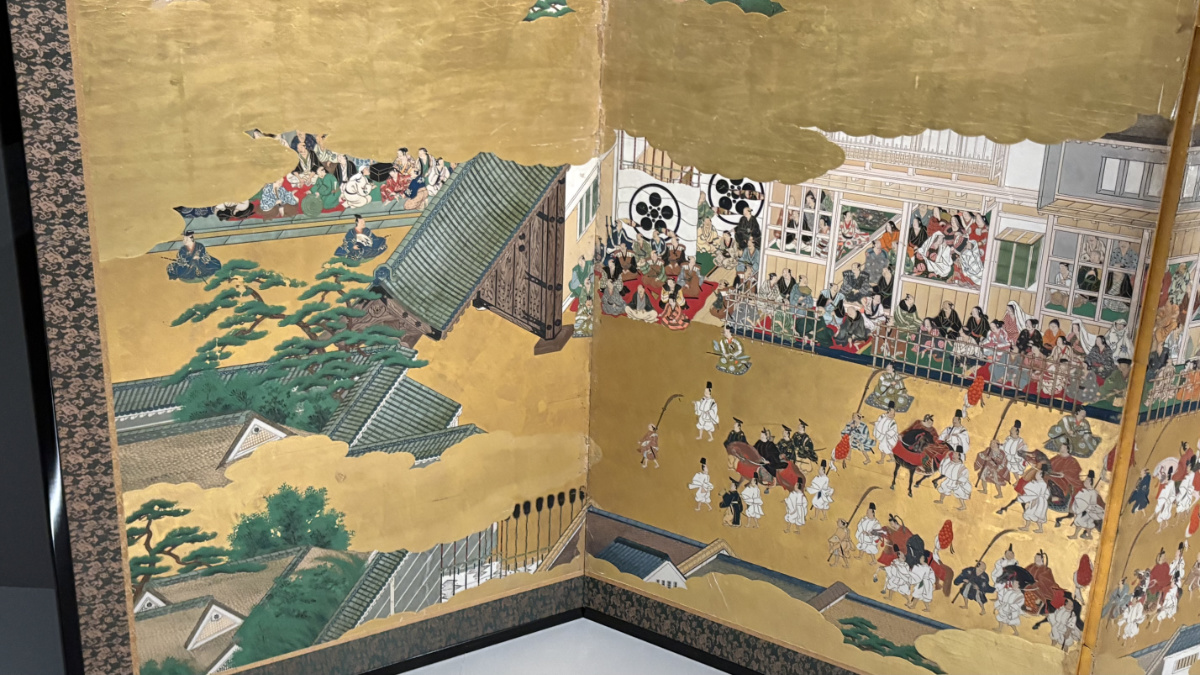
A total of 3,226 people are depicted on these screens.
Although the work records a major historical event, you can also enjoy it like a “people-finding” picture by following individual figures one by one.
Find Emperor Go-Mizunoo’s phoenix palanquin
In the upper section, one thing to look for is Emperor Go-Mizunoo’s phoenix palanquin.
The emperor himself is not shown as a large, obvious figure. Instead, once you know who is riding in which vehicle, the central figures of the procession begin to emerge.
Musicians and other attendants surround it, extending the court’s splendid procession.
Find Tofukumon-in Masako’s ox-drawn carriage
Next, look for Tofukumon-in Masako.
She was the daughter of Tokugawa Hidetada, the younger sister of Iemitsu, and the consort of Emperor Go-Mizunoo.
Remembering those relationships makes the costumes and padded-fabric pictures later in the exhibition much easier to connect.
The Nijo Castle Imperial Visit Screens also depict Tofukumon-in’s ox-drawn carriage.
Once you think of the woman in that carriage as someone “born into the Tokugawa shogunal family who became the emperor’s consort at the imperial court,” it becomes much more than simply spotting a vehicle.
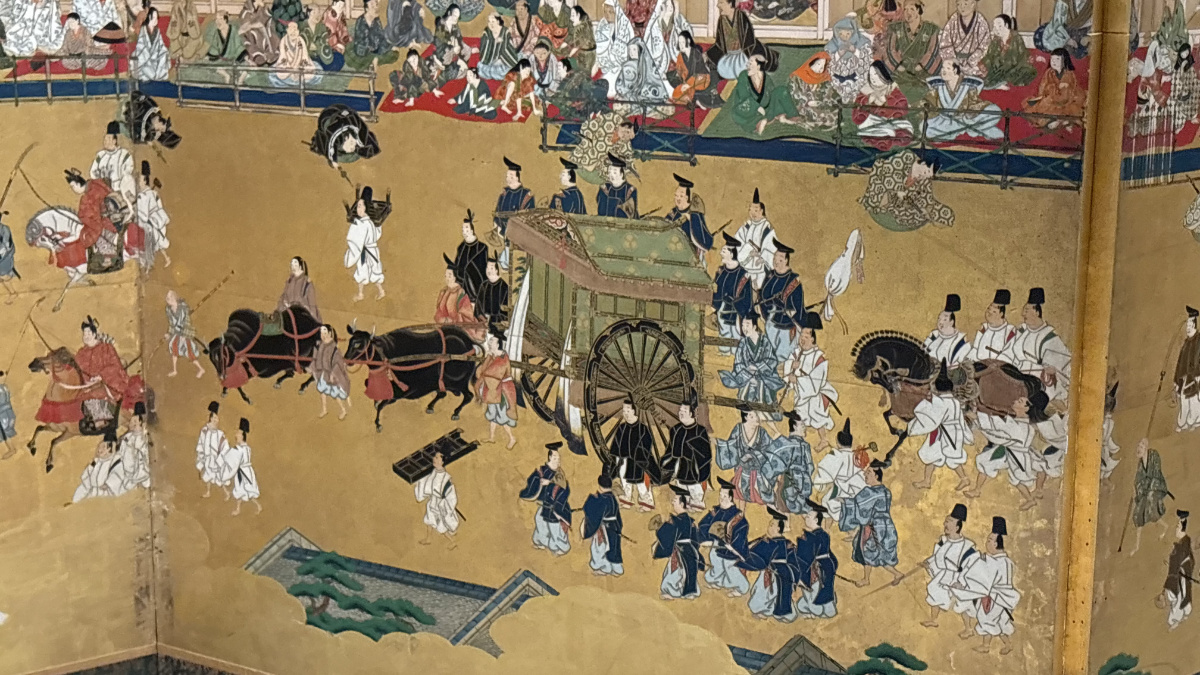
For Tokugawa Iemitsu, look not only for his ox-drawn carriage but also an “unridden horse”
In the lower section, try finding Shogun Tokugawa Iemitsu’s ox-drawn carriage.
Even more intriguing is an unridden horse depicted nearby.
At the Sen-Oku Hakukokan Museum, it is introduced as a horse for the shogun.
Its full harness decorations use a special color unlike those of the other horses.
By looking not only at the people but also at the tack, you can read rank and status into the scene—one of the pleasures of these screens.
More interesting than the procession? The roadside spectators are remarkably uninhibited
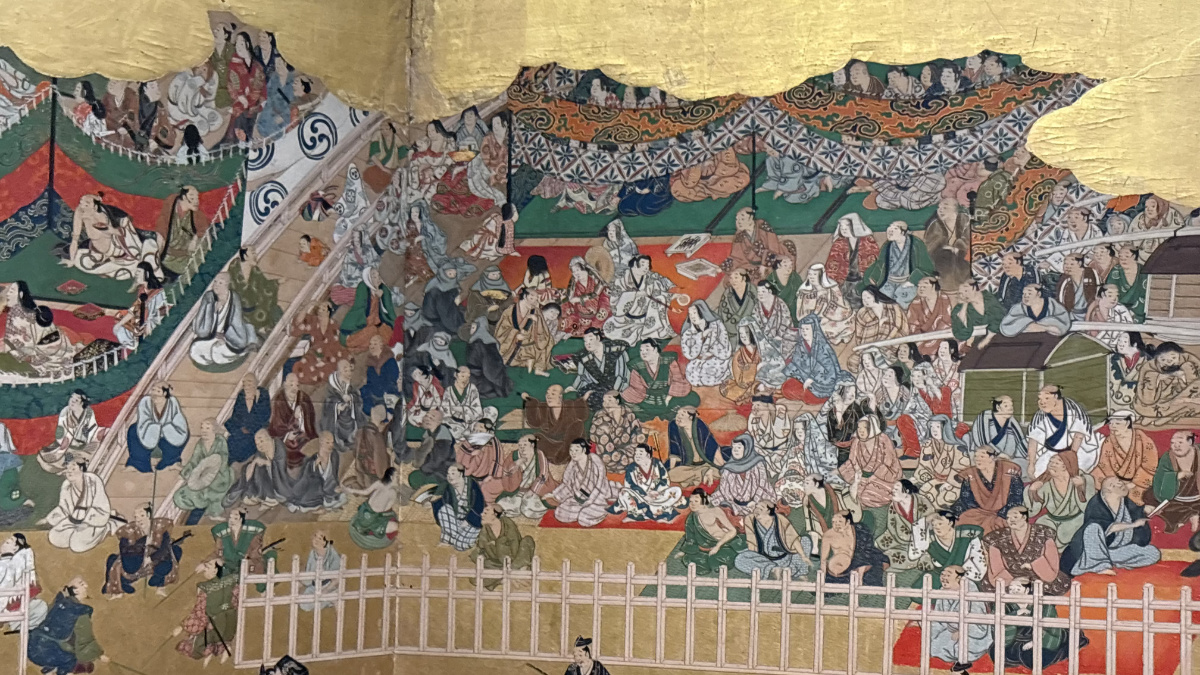
When looking at these screens, the people who make me want to stop the longest are the spectators.
In a typical painting of an imperial procession, attention naturally goes to the main parade, but this work depicts the roadside audience with extraordinary density.
People appear everywhere—on viewing platforms, in front of shops, and more.
During the press explanation, we were told that written records also describe crowds gathering from the night before the visit and the excitement becoming quite a commotion.
Even 400 years ago, people arrived early to secure a good spot for a major event.
Viewing stands built along the Horikawa River
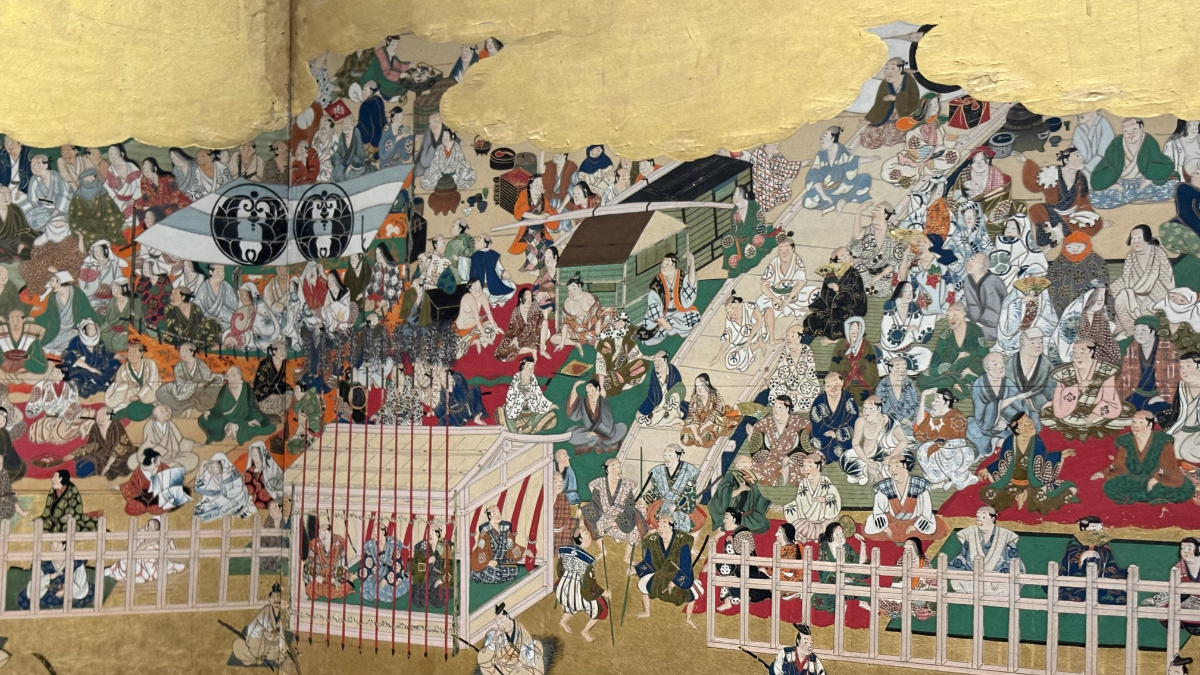
Look beneath the spectators’ feet in the upper section and you can see viewing platforms built along the Horikawa River.
The river had a larger flow than today’s Horikawa might suggest, and viewing areas were set up on both sides.
The tightly packed crowds make the occasion feel less like a solemn state ceremony and more like a huge event that had all of Kyoto buzzing.
Look for people enjoying tea—and people enjoying a meal
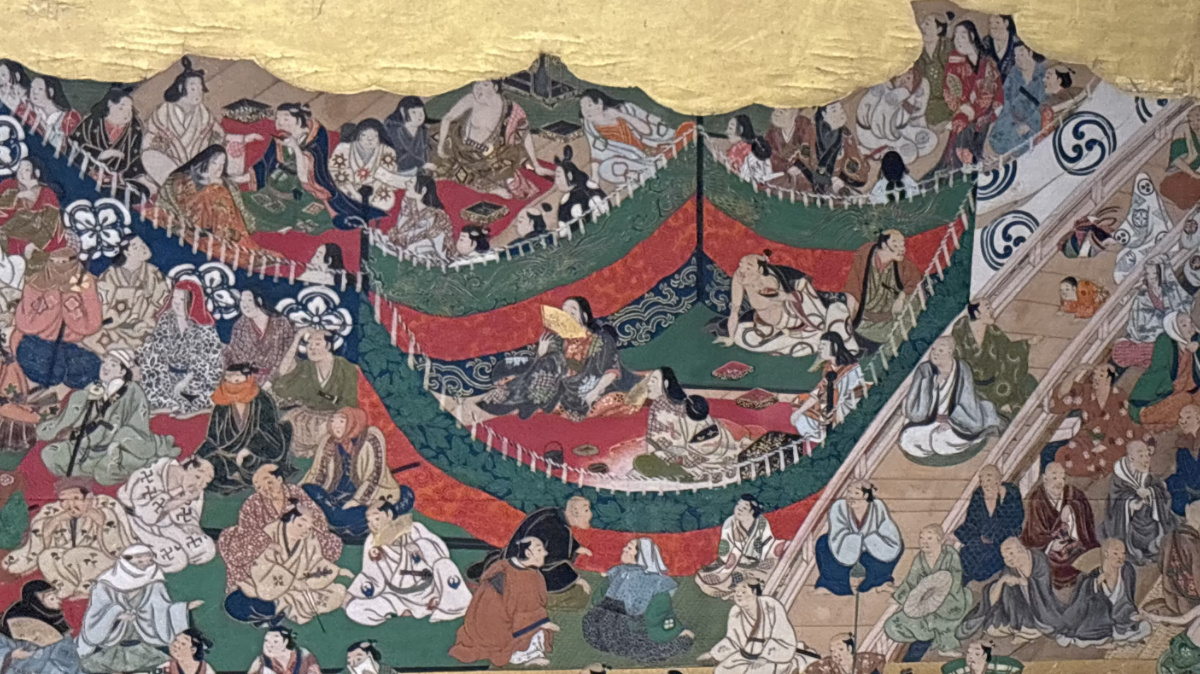
Look closely at the spectators and you will see that not everyone is simply sitting and waiting for the procession.
Some people are enjoying tea, while others have brought equipment and are shown eating elaborate meals.
It is fascinating to see “the day of watching the emperor’s procession” treated almost like a special, all-day leisure outing.
Small dramas unfold throughout the scene, including groups relaxing behind curtains.
Notice that every person’s clothing pattern is different
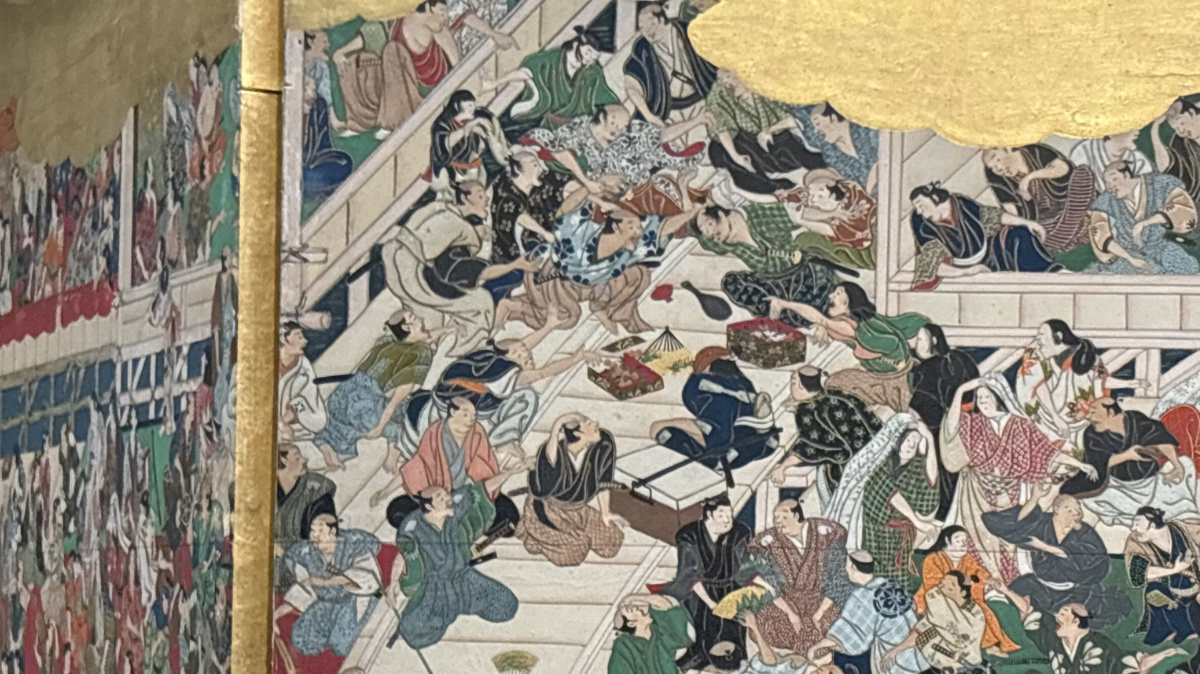
Zoom in further and the spectators’ clothing is another surprise.
Rather than treating them as a uniform crowd, the artist gives individuals different patterns and styles of dress.
Although the screens depict an imperial visit, they can also be enjoyed as a source for looking at fashion in the early Edo period.
Perhaps some people wondered, “It’s a special day—what should I wear?”
Thinking along those lines suddenly makes the people of 400 years ago feel much closer.
Where is Date Masamune? The horse decorations offer a clue
Among the 3,226 figures are details that make viewing feel almost like solving a historical puzzle.
In the line of daimyo following the shogun, one mounted figure is thought possibly to represent Date Masamune.
The clue is not his face, but the decorations on his horse.
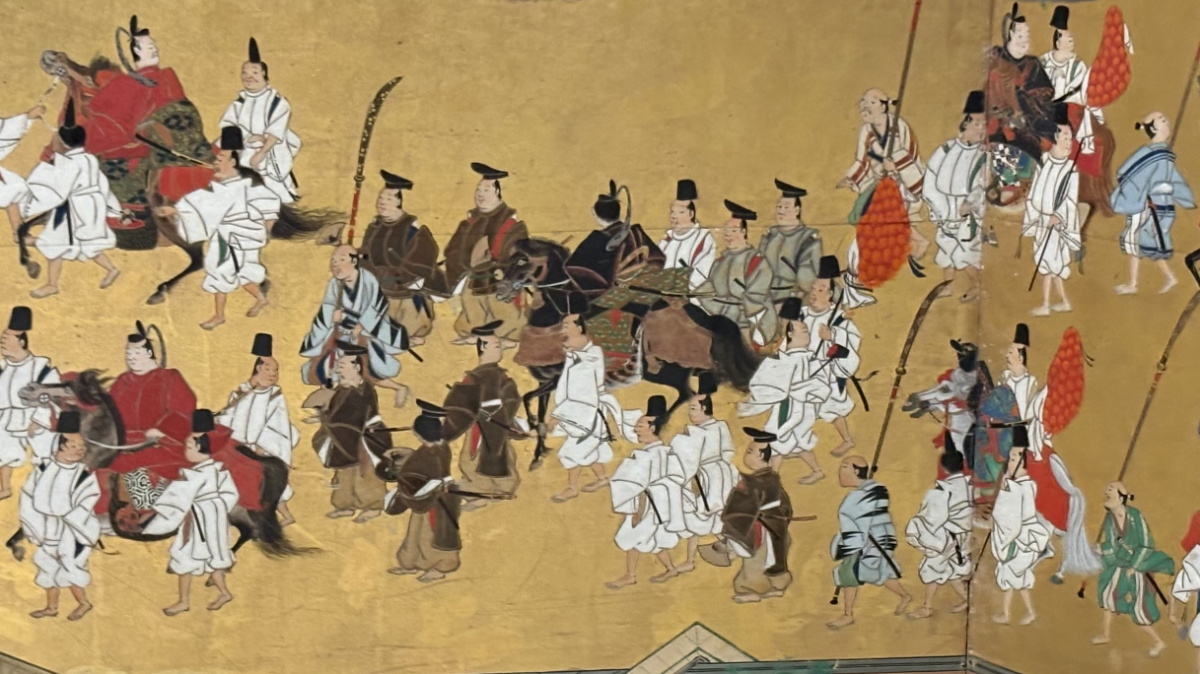
While many horses wear bright decorations in similar tones, this figure’s horse alone has a more subdued, distinctive full set of ornaments that resembles the shogun’s horse.
During the press explanation, a record stating that Masamune used special horse decorations normally reserved for someone of shogunal rank was introduced as a clue to the figure’s identity.
The mounted figure cannot be definitively identified as Date Masamune. However, the order of a warrior procession was strictly determined by rank, and Masamune—one of the leading outside daimyo and a senior great lord who held the high court rank of Chunagon and Junior Third Rank—would be a plausible figure at the front, guarding or leading immediately before or after the third shogun, Tokugawa Iemitsu, and retired shogun Tokugawa Hidetada.
Comparing the painting with the documentary record while thinking “What if this is Masamune?” is part of the fun.
Zoom into details invisible to the naked eye with high-resolution images
It is difficult to follow all 3,226 people on the actual screens alone.
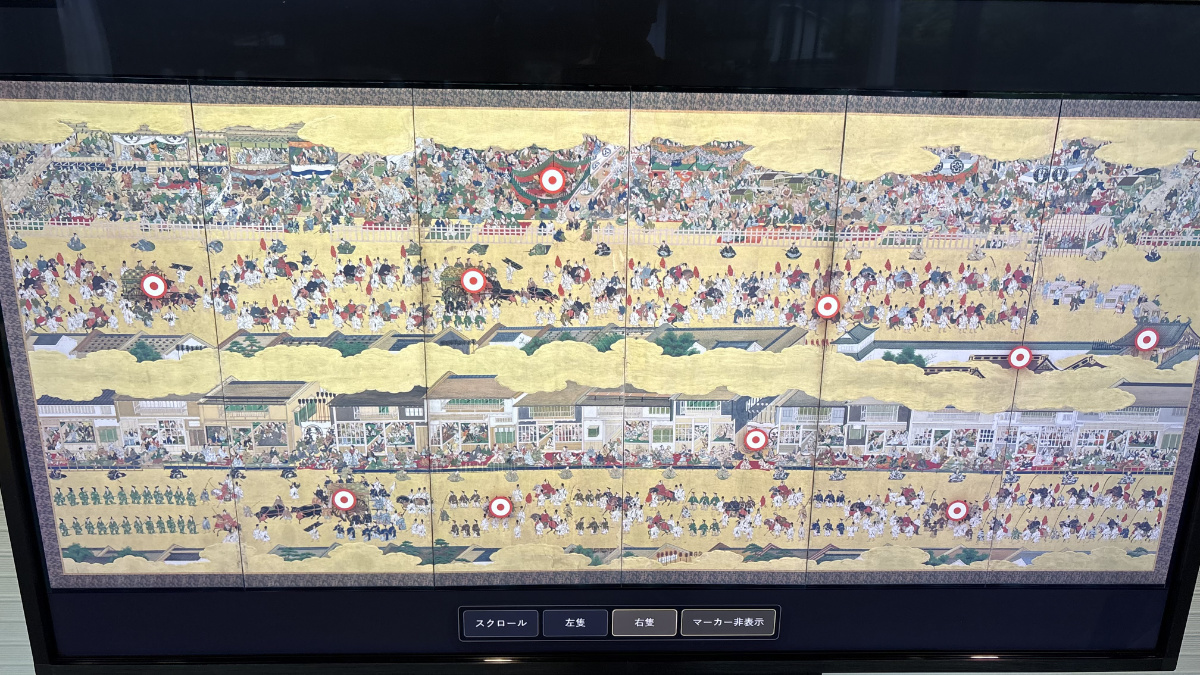
The exhibition also provides high-resolution images that let visitors enlarge and inspect small details.
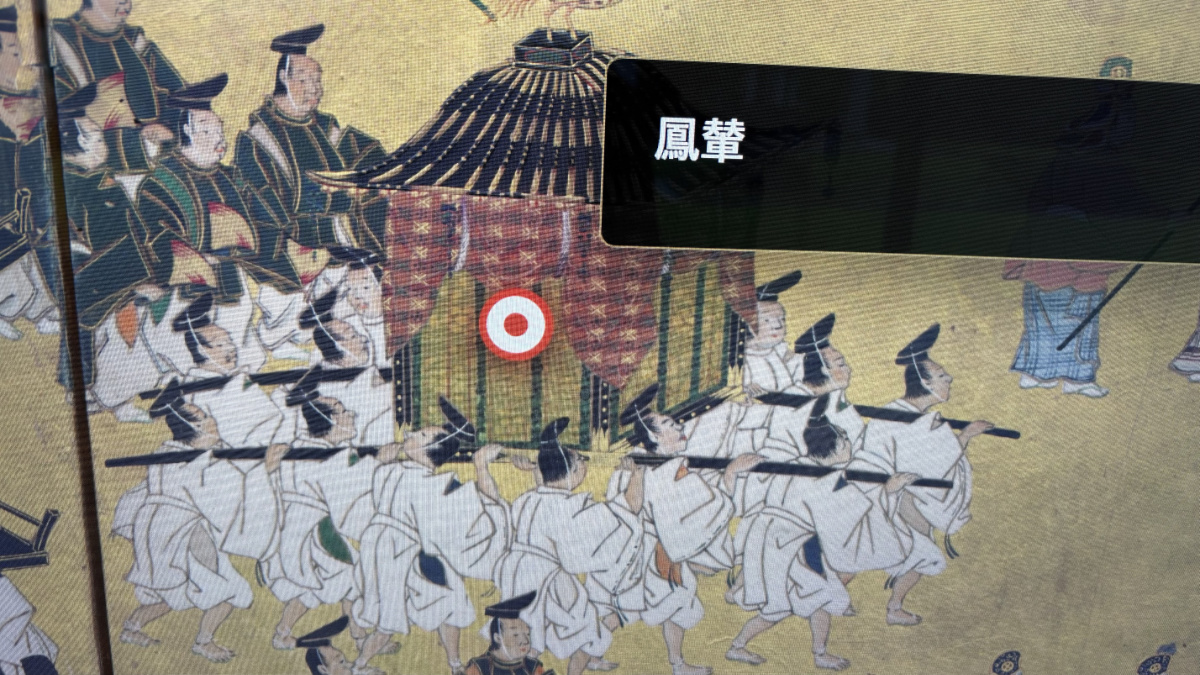
You can follow costumes, gestures, horse tack, and spectators that are too small to see clearly with the naked eye. A rewarding sequence is to first experience the scale of the original screens, then enlarge the areas that caught your attention.
Move around the image as if searching for “your own favorite interesting figure,” and you can spend a long time with this work.
What happened at Nijo Castle? The “lost imperial-visit palace” and the finest hospitality
Once the procession reached Nijo Castle, five days of grand hospitality followed.
Nijo Castle was extensively prepared for the occasion, and the gorgeous wall paintings in the surviving Ninomaru Palace still convey something of the atmosphere of the period.
Buildings were also prepared at the time to receive Emperor Go-Mizunoo and his party.
Rooms were said to have been filled with paintings by the Kano school and decorated with furnishings made with gold and silver.
Very little, however, survives to show exactly what the imperial-visit palace and its furnishings looked like.
At the press preview, it was explained that many lavish objects made of pure gold were later melted down.
The exhibition therefore uses first-class Tokugawa wedding furnishings and other objects from a somewhat later period to help visitors imagine the craftsmanship and aesthetic sense of the time.
The luxury was not simply about using gold.
Even on small tea utensils, artisans reproduced details as subtle as the thread-cut marks left when pottery was formed, using other materials to imitate them. The effort extended even to places that were hard to see.
First public display: a small tobacco pouch said to use fabric from the edging of blinds in the imperial-visit palace
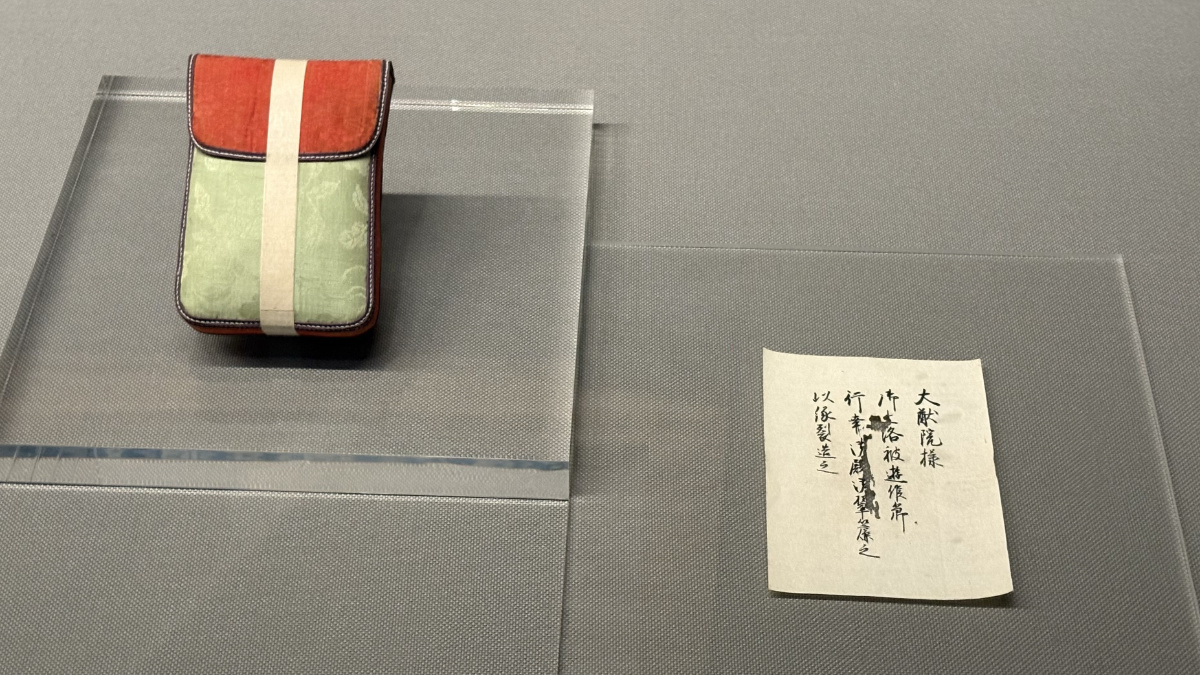
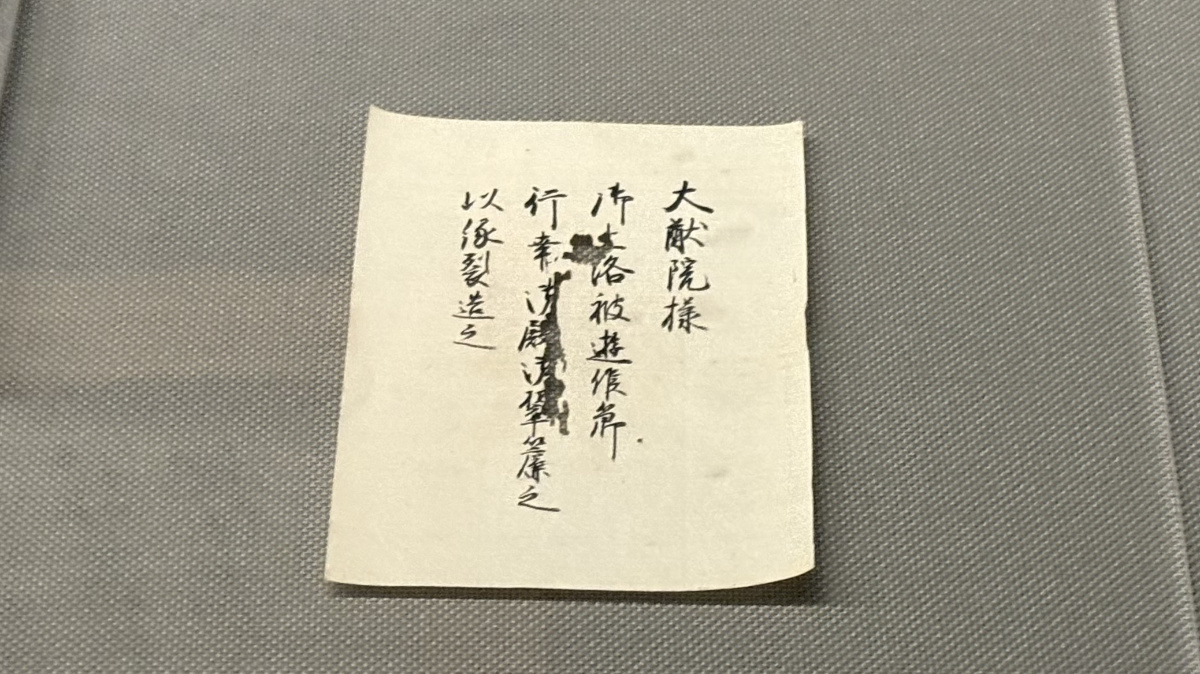
Precisely because the grand building itself has not survived, one particularly interesting object in this exhibition is a small tobacco pouch handed down in the Ii family of Hikone Domain.
During the press explanation, an inscription on the box was said to identify it as a gift from Tokugawa Iemitsu to Ii Naotaka, while the fabric used in the pouch is traditionally believed to have come from the edging of blinds in the imperial-visit palace.
Ii Naotaka played an important role in the Kan’ei Imperial Visit.
It has also been suggested that the gift may have been a reward for his service.
The enormous and magnificent imperial-visit palace itself has disappeared.
But the red and green fabric preserved in this palm-sized object allows us to imagine the colors of the building that welcomed Emperor Go-Mizunoo 400 years ago.
Rather than passing it by because it is small, this is an object worth approaching again after learning its background.
Who was Tofukumon-in Masako? Remember just three relationships
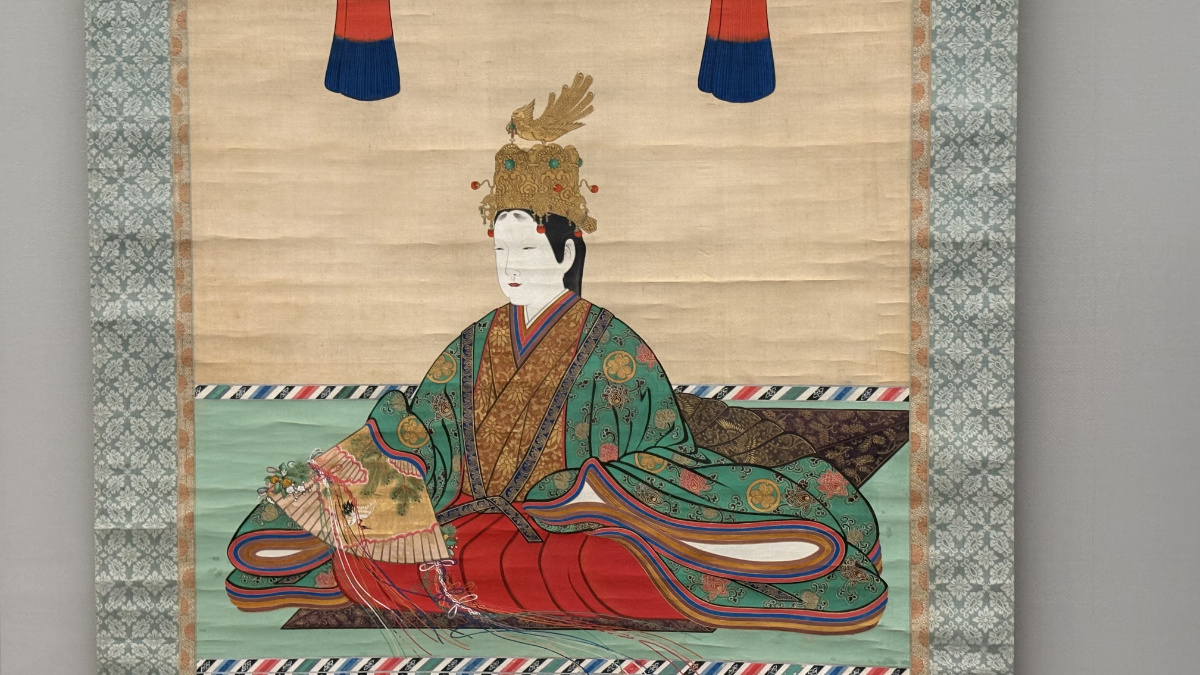
Before moving into the second half of the exhibition, it helps to organize Tofukumon-in Masako’s family relationships.
Younger sister of Tokugawa Iemitsu.
Consort of Emperor Go-Mizunoo.
The official exhibition materials describe her as the only woman in Japanese history “born into a shogunal family who married an emperor.”
In other words, Tofukumon-in stood at a point connecting the Tokugawa family at the summit of the warrior class with the center of the imperial court.
You do not need to memorize the full political background of the Kan’ei Imperial Visit. Thinking of her as “a person who lived in both the Tokugawa and imperial worlds” makes the meaning of the exhibits much easier to grasp.
The oldest surviving junihitoe: colors and embroidery that hardly look 400 years old
One object that immediately makes Tofukumon-in feel real is the Karaginu and Uwagi from Tofukumon-in’s wardrobe.
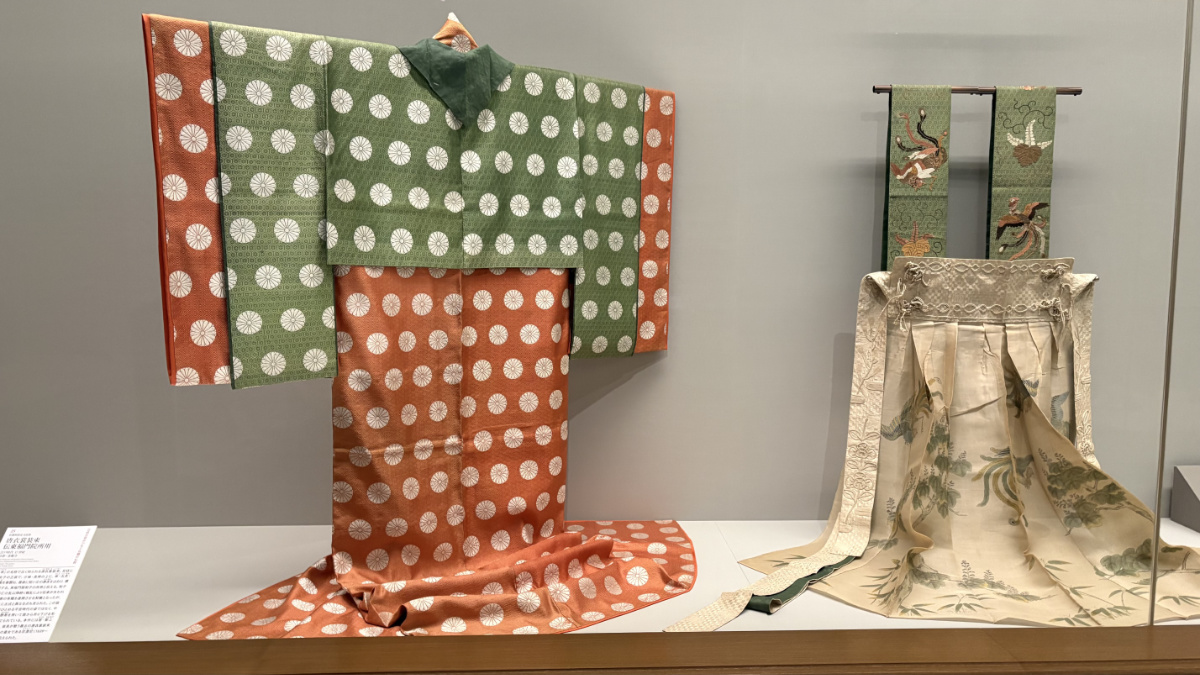
Official materials introduce this as the oldest surviving junihitoe court costume, making it an exceptionally valuable garment.
Its colors remain astonishingly vivid for something around 400 years old, and even the cords and sash are decorated with fine embroidery.
Rather than viewing it only as “an old costume,” look closely at the chrysanthemum motifs, the color combinations, and the delicacy of the embroidery.
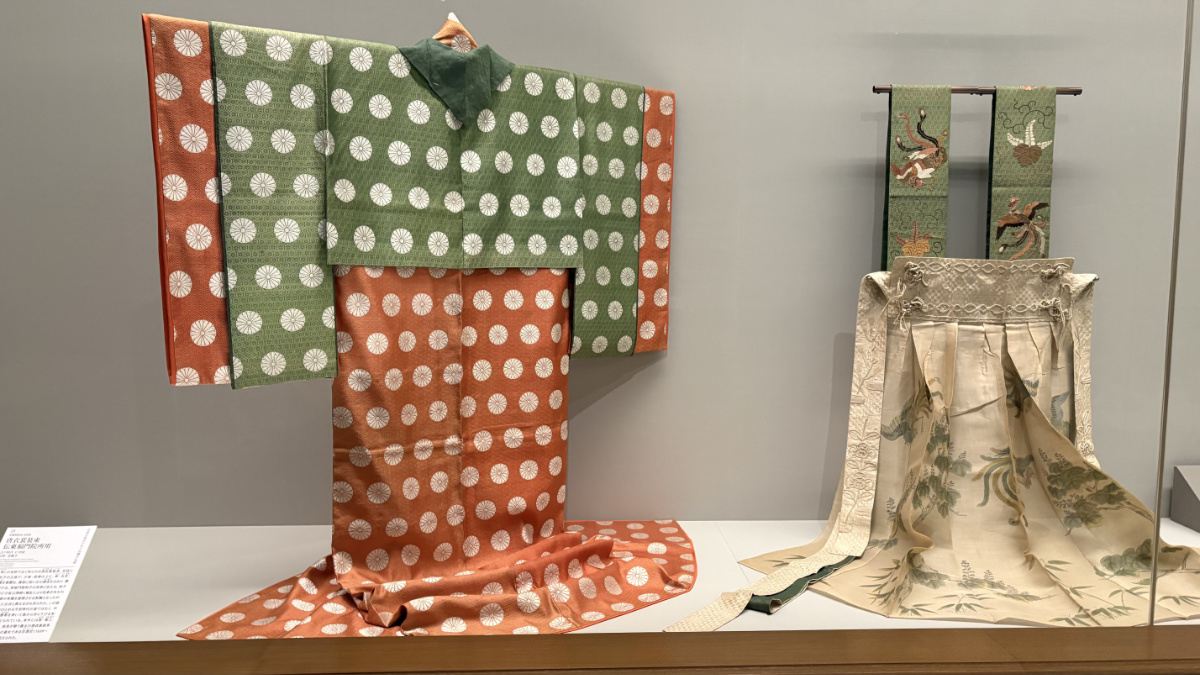
The garment also evokes the splendor of the period when Tofukumon-in entered the imperial court from the Tokugawa family and became empress consort.
This work is on display from September 5 through September 27, 2026.
If the junihitoe is a major reason for your visit, it is best to go during the first half of the exhibition.
Chrysanthemum and hollyhock together: reading Tofukumon-in’s life through crests
When viewing objects connected with Tofukumon-in, pay attention to the chrysanthemum and hollyhock crests.
The chrysanthemum evokes the imperial court, while the hollyhock is associated with the Tokugawa family.
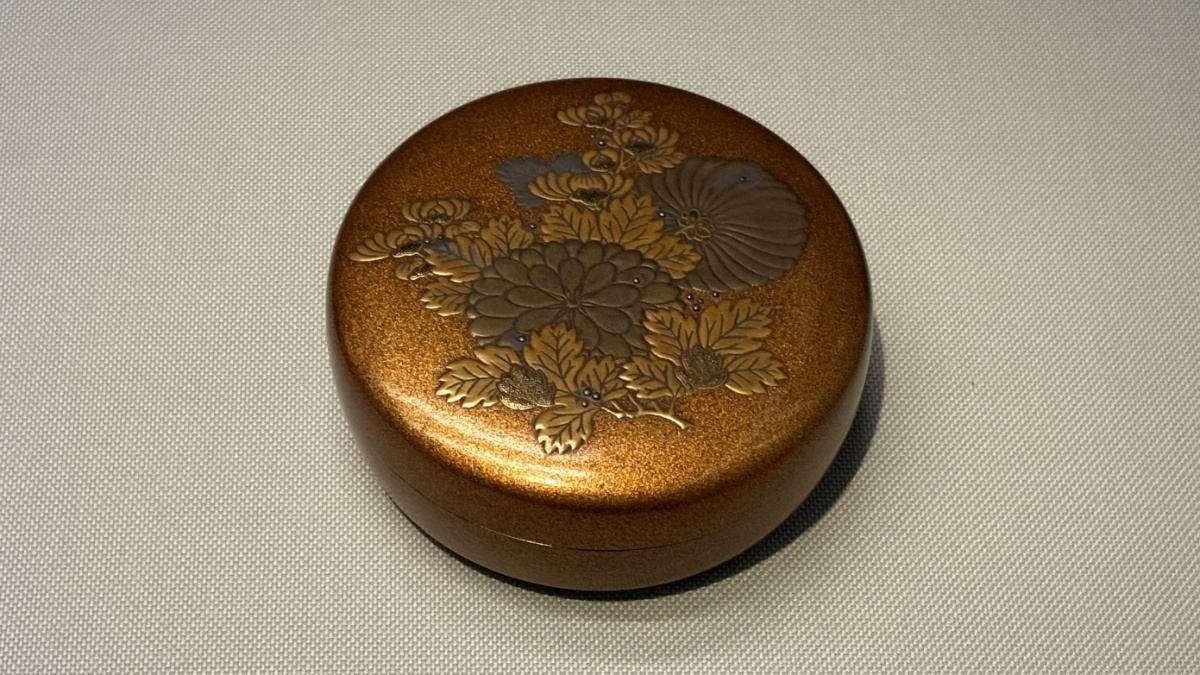
At the press preview, objects introduced included the Branch Chrysanthemum Maki-e Incense Container (ohaguro box), which reveals both chrysanthemum and hollyhock when the lid is opened, and a Buddhist reliquary pagoda on whose base both crests appear, an object before which Tofukumon-in prayed.
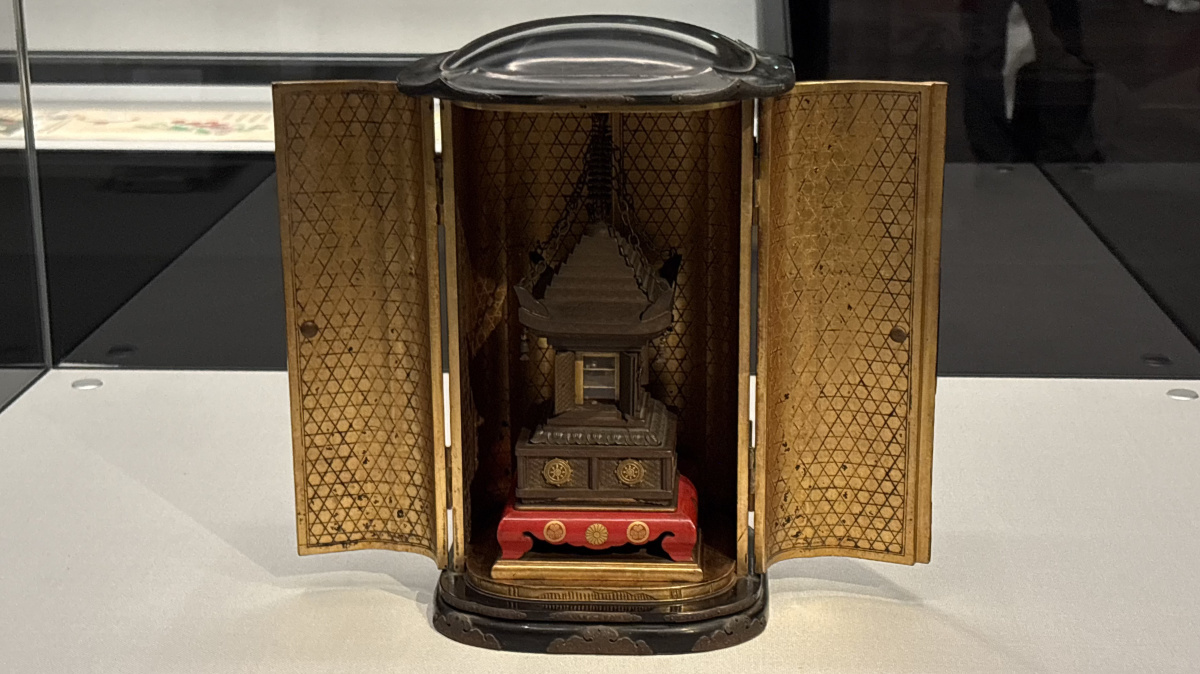
Seen not only as splendid crafts, these objects seem to embody her two positions: “daughter of the Tokugawa” and “consort of the emperor.”
Once you know who Tofukumon-in was, the crests cease to be mere decoration.
Tofukumon-in was not just an owner of art—she was someone who “made and gave” it
What makes Tofukumon-in especially interesting is not only that she possessed the finest clothing and furnishings.
She also participated in making works and gave them to people important to her.
A representative example is oshie, padded-fabric pictures.
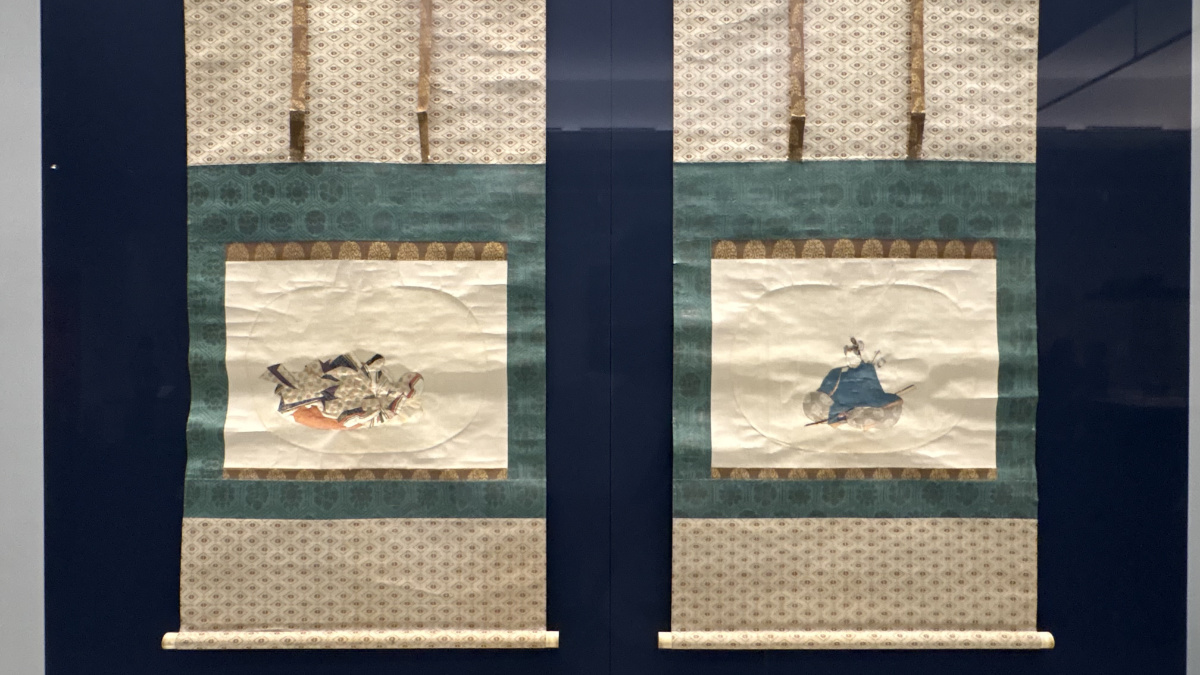
Pieces of fabric are cut and layered together to depict people and scenes from Noh like a picture.
Look for even the thin purple lining in Tofukumon-in’s oshie of the Noh play “Yang Guifei”
One of the major works highlighted in the official exhibition materials is Tofukumon-in’s Oshie of the Noh Play “Yang Guifei.”
It is made from small pieces of fabric, but when we were shown the details at the press preview, the delicacy was remarkable.
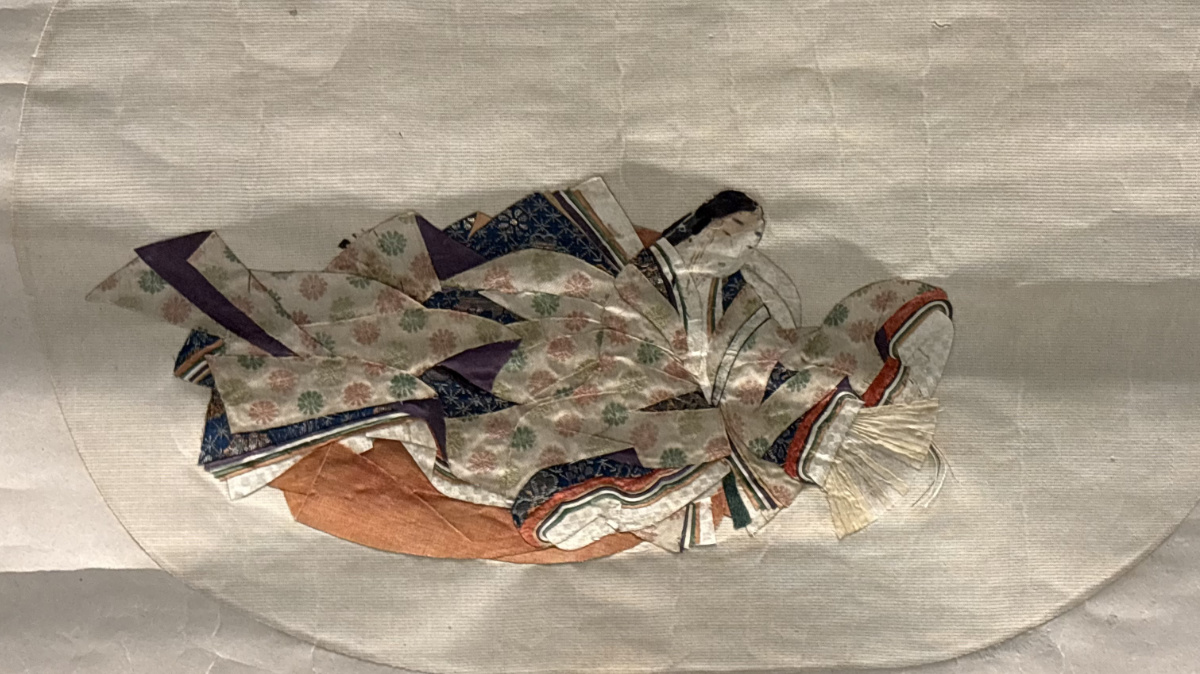
Not only the outer surface of the costume but even a tiny glimpse of purple lining inside a sleeve is represented.
It was also explained that the fabric choices—including butterfly motifs on the costume—reflect knowledge of the Noh play “Yang Guifei” and classical literature.
This is less simply “craftwork made by gluing pretty fabric” than a work combining knowledge of literature, Noh, costume, and craft.
She did not make everything alone: see Tofukumon-in as a “producer”
It is not thought that Tofukumon-in simply created every part of the oshie herself, from the initial drawing onward.
The press explanation also introduced the possibility that specialists around her, including painter Sumiyoshi Jokei, were involved.
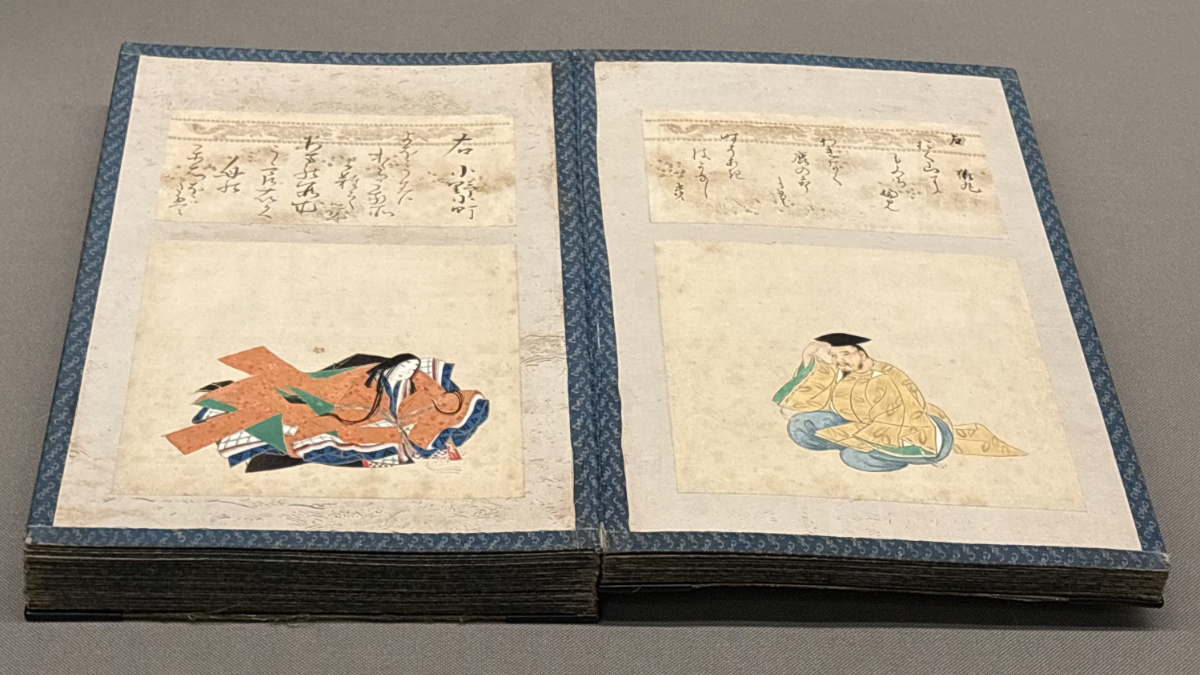
Tofukumon-in could indicate the subject and aesthetic direction, then create a work together with people capable of realizing it.
In contemporary terms, she may have had something like the role of a “creative director” or “producer.”
Seen this way, it becomes clearer why Tofukumon-in is presented as a central figure of Kan’ei culture.
With oshie, follow “who it was given to” and the relationships come into view
Tofukumon-in gave oshie works to people close to her.
Because the recipients treasured and preserved them, some have survived to the present day.
The exhibition lets you follow not only the works but also “who received them and how those people were connected.”
Tea master Sen Sotan, for example, was one person with a close connection to Tofukumon-in.
A grandson of Sen no Rikyu and a figure who would lead to the later three Sen schools, Sotan pursued the austere wabi style of tea even amid the splendor of his era.
It is especially intriguing that Sotan, who did not readily respond even when called upon by high-ranking people, is thought to have had a close relationship with Tofukumon-in.
Objects are also introduced that show oshie given by Tofukumon-in was carefully handed down on Sotan’s side.
Rather than looking only at “artist and title,” view each work through the relationship “this person gave it to that person,” and the gallery suddenly feels full of people.
Emperor Go-Mizunoo was not just someone who viewed art—he was a cultural figure who made things himself
In the second half of the exhibition, your impression of Emperor Go-Mizunoo may also change.
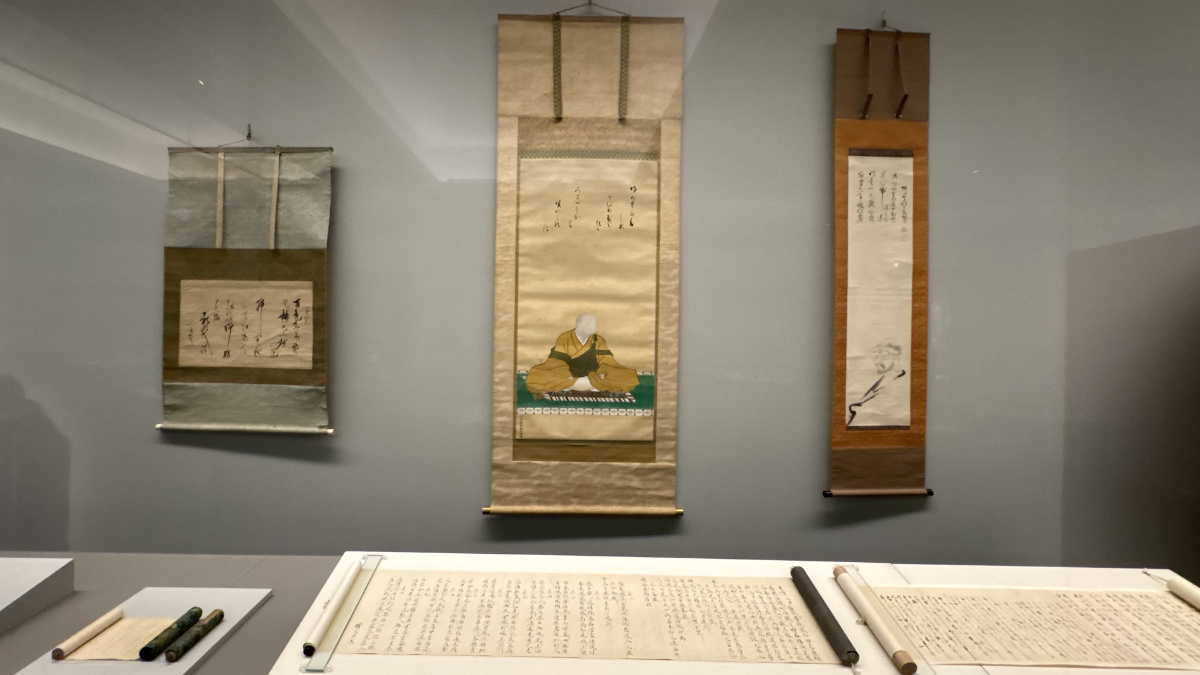
In the Nijo Castle Imperial Visit Screens he is at the center of the vast procession, but in the cultural displays he emerges as someone who wrote waka poetry, interacted with cultural figures, and also made objects with his own hands.
The official list of major exhibits includes Emperor Go-Mizunoo’s Waka Poem Sheet, “Moon Upon Waking.”
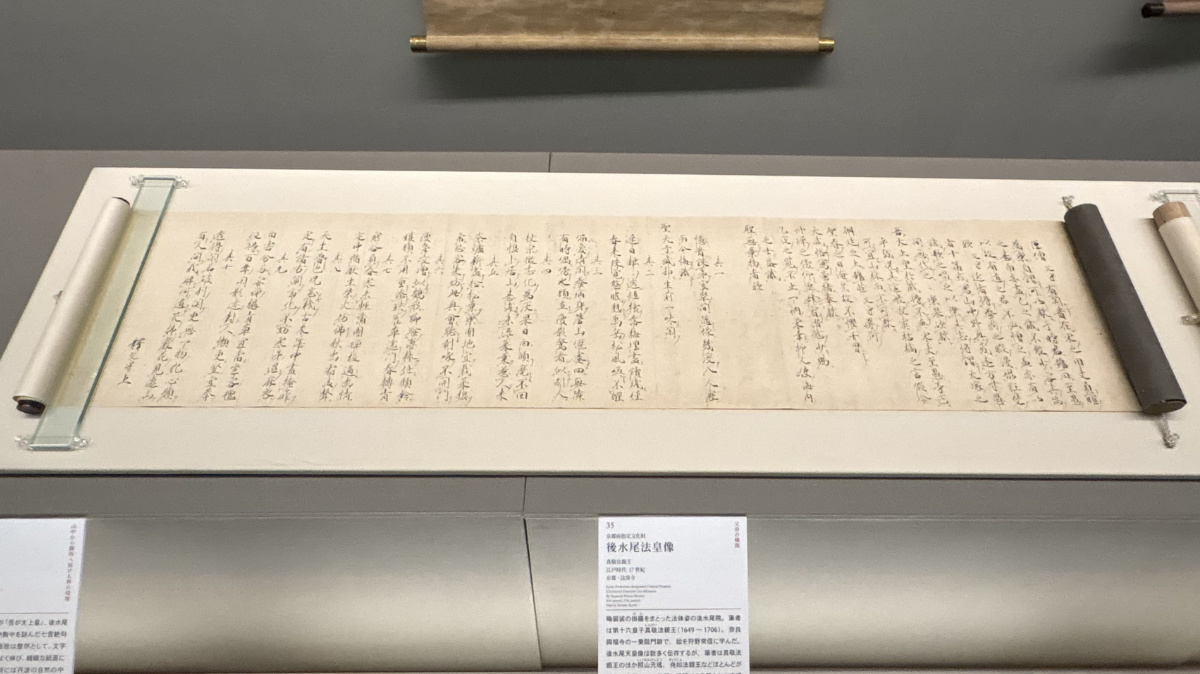
When looking at calligraphy in the emperor’s own hand, pay attention not only to the meaning of the words but also to the strength of the lines and the manner of writing.
The press preview introduced softer, restrained calligraphy that differs from the image of forceful imperial shinkan calligraphy.
It shows that the same person used different modes of expression depending on the occasion.
Emperor Go-Mizunoo and Isshi Bunshu: a Chinese poem sent, a waka returned
The relationship between Emperor Go-Mizunoo and Zen monk Isshi Bunshu makes the exchanges among early Edo cultural figures particularly easy to imagine.
Isshi Bunshu was a Zen monk deeply revered by Emperor Go-Mizunoo and was also known for his calligraphy.
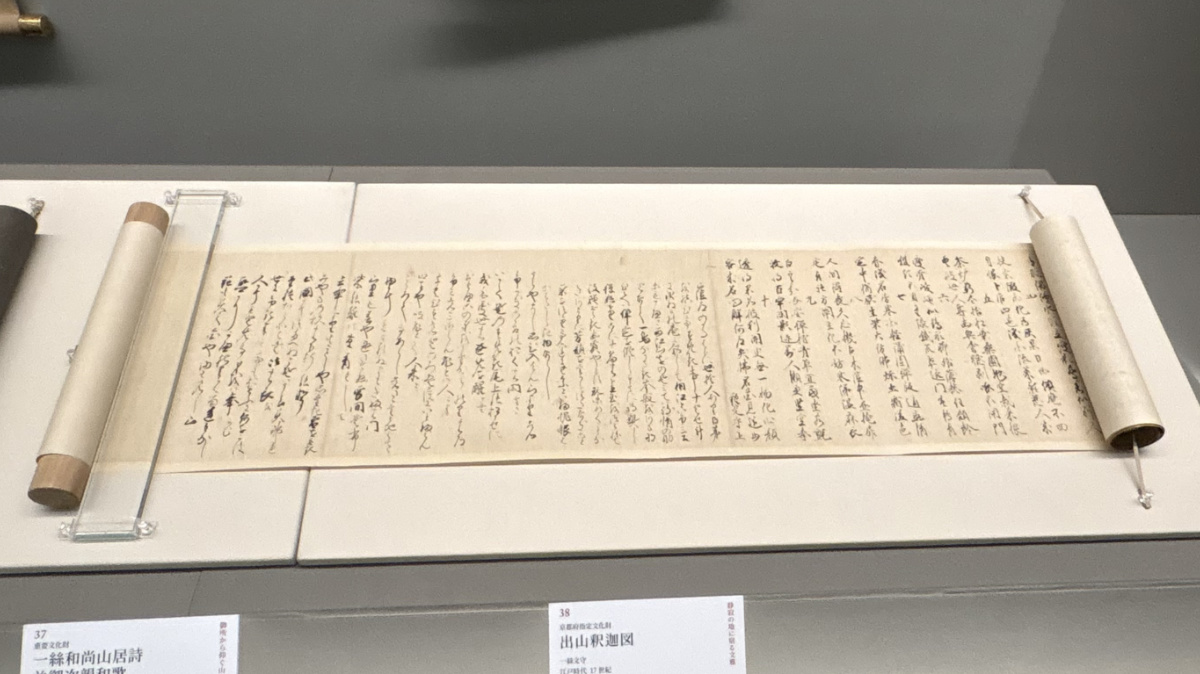
At the press preview, an object was introduced that records how Isshi Bunshu sent Emperor Go-Mizunoo a Chinese poem about life in the mountains, and the emperor responded to the poem with a waka.
If you look only at the status difference between emperor and monk, the world can seem remote. But think of it as “sending a work, then having the reader answer with another work,” and the exchange feels highly personal.
One major characteristic of Kan’ei culture was that people of different ranks could connect with one another at this deep level.
An impression from Emperor Go-Mizunoo’s finger? A water jar he is said to have helped shape
One object that struck me as especially precious during the press visit was a water jar that Emperor Go-Mizunoo is said to have helped shape himself.
* A mizusashi is a lidded container used in the tea ceremony to hold clean water for adding to the kettle or rinsing the tea bowl and whisk.
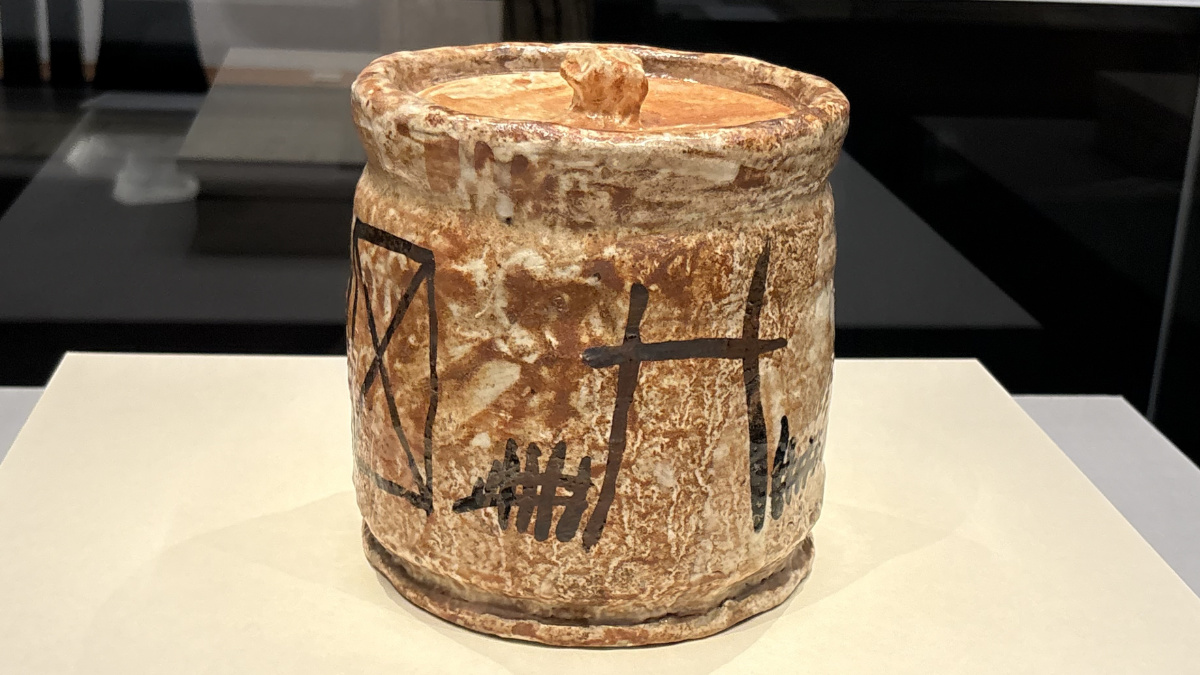
During the press explanation, this was presented as an unusually well-documented example: not merely a tradition, but one accompanied by records showing that Emperor Go-Mizunoo himself took part in shaping it and that it was delivered to a temple associated with Isshi Bunshu.
Its impression is quite different from the refined work of master craftsmen displayed nearby.
But look at the knob on the lid and you can see a hollow that looks as though a finger slid into it.
The curator explained that “this fingerprint-like mark might be from Emperor Go-Mizunoo’s own finger.”
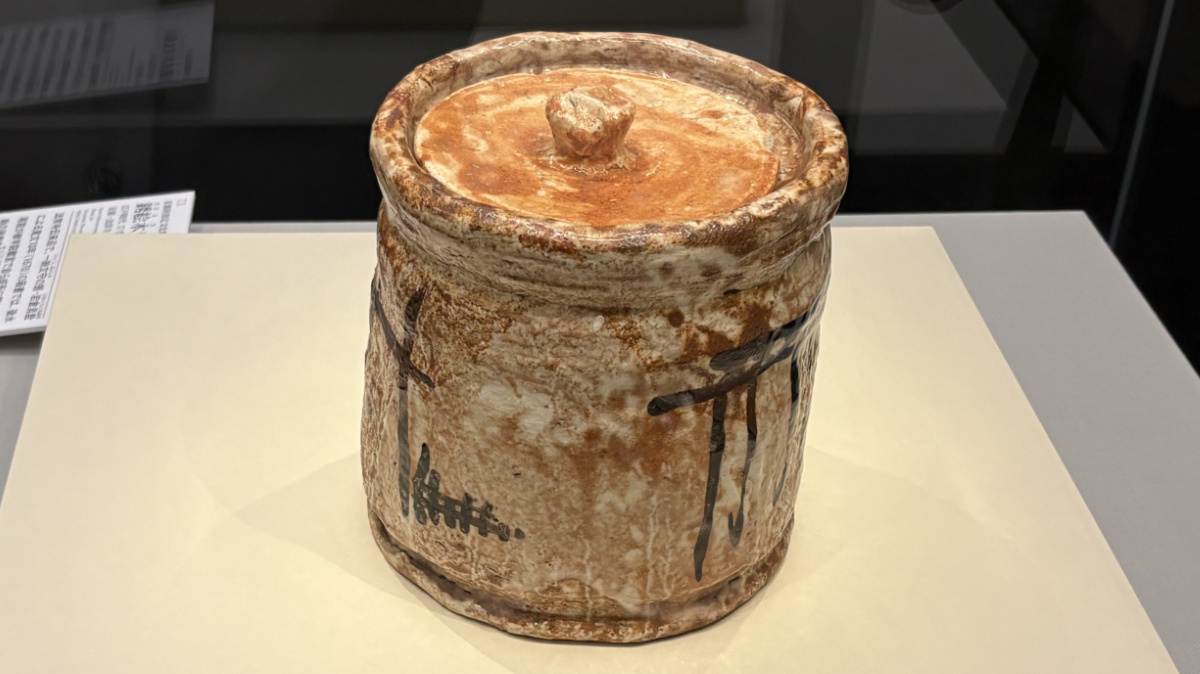
In the great procession, Emperor Go-Mizunoo was difficult to see inside his phoenix palanquin. Here, touching clay as one of the makers, he suddenly feels close.
This may be the exhibit that makes 400 years feel shortest.
Kobori Enshu, Sen Sotan, Nonomura Ninsei: Kan’ei culture makes sense as “connections among stars”
The term “Kan’ei culture” can sound like a chapter of cultural history to memorize for school.
At this exhibition, it is easier to understand as a network of connections from person to person.
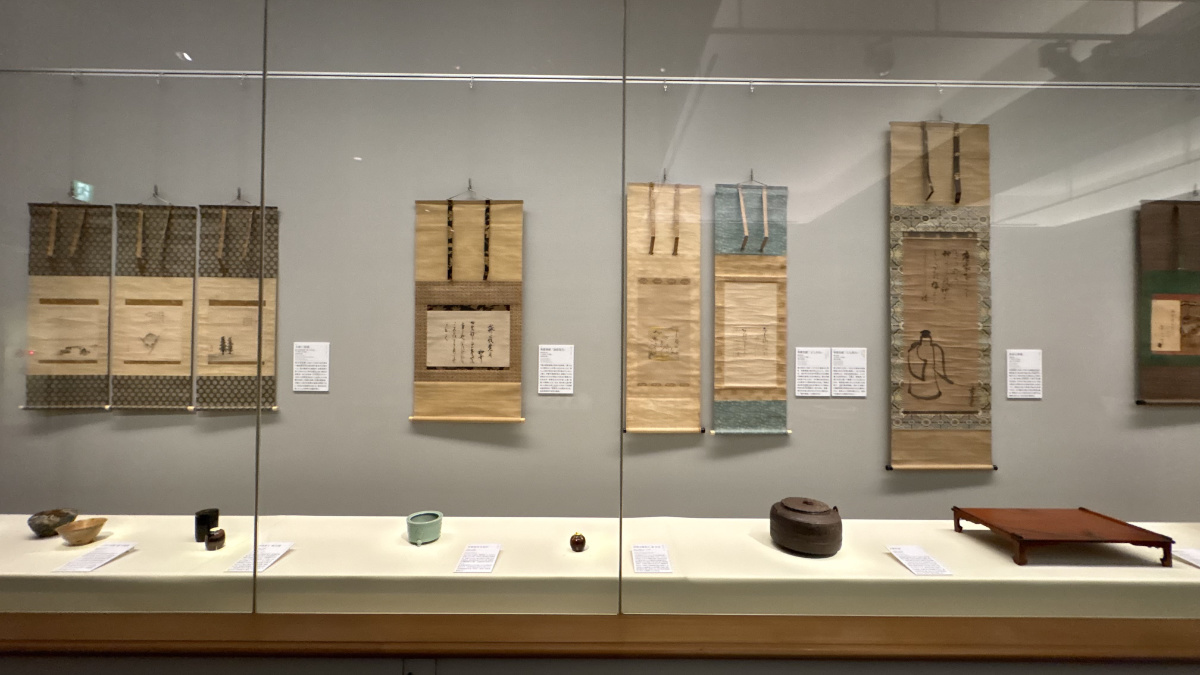
Kobori Enshu was deeply involved in improvements to Nijo Castle and preparations for the Kan’ei Imperial Visit while also expressing his aesthetic sensibility as a leading tea master.
Sen Sotan inherited Rikyu’s wabi tea tradition and also interacted with Tofukumon-in.
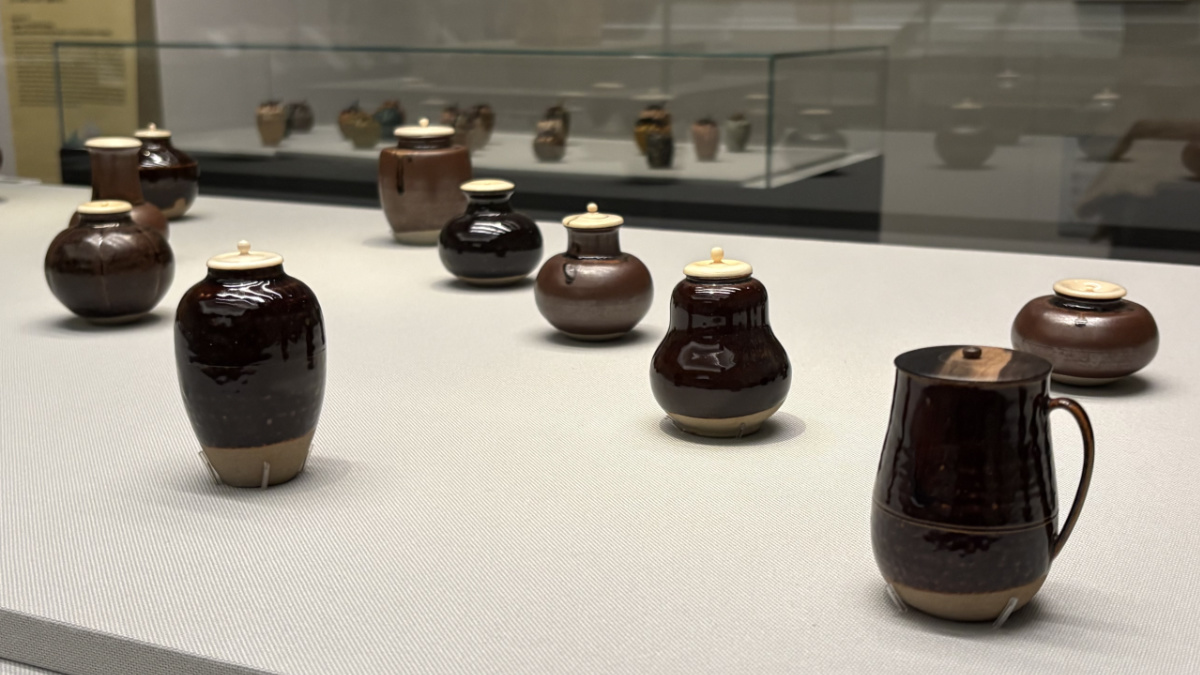
Nonomura Ninsei created refined forms as one of the leading potters of Kyoto ware.
Emperor Go-Mizunoo and Tofukumon-in were not merely people who looked at finished works of art.
They wrote, made, gave, commissioned, and connected talented people with one another.
Rather than memorizing people under labels such as “court noble,” “warrior,” “monk,” “tea master,” and “artisan,” it is more revealing to see “this person was connected to that person.” That is where the culture of this era comes alive.
This viewing order makes the exhibition easier to enjoy
You do not need to understand every historical term before you go.
At the museum, keeping the following order in mind makes the relationships among the people easier to follow.
- Experience the excitement of Kyoto 400 years ago through the Nijo Castle Imperial Visit Screens
- Remember that Tofukumon-in connected the Tokugawa family and the imperial family
- See Tofukumon-in’s position through the junihitoe and furnishings
- Learn through oshie that she was someone who “made and gave” art
- Expand outward to her connections with Emperor Go-Mizunoo, Sen Sotan, and others
- Finish by finding one favorite work of calligraphy, tea utensil, or ceramic
The exhibition begins with a historical event and gradually moves closer to individual tastes and handiwork.
Just as you search among the 3,226 figures in the Nijo Castle Imperial Visit Screens for someone who catches your eye, it is rewarding in the second half to look for “one object that is your favorite.”
Sen-Oku Hakukokan Museum “The Kan’ei Imperial Visit and the Cultural Figures of the Flower Capital”: visitor information
The special exhibition “The Kan’ei Imperial Visit and the Cultural Figures of the Flower Capital,” commemorating 400 years since the Kan’ei Imperial Visit, is held at the Sen-Oku Hakukokan Museum from September 5 through October 18, 2026.
- Dates: Saturday, September 5–Sunday, October 18, 2026
- Hours: 10:00 a.m.–5:00 p.m. (last admission 4:30 p.m.)
- Closed: Mondays, except open September 21 and October 12; closed September 24 and October 13
- Venue: Sen-Oku Hakukokan Museum (Shishigatani, Higashiyama, Kyoto)
- Admission: ¥1,200 adults; ¥800 students; free for ages 18 and under
- Display period for the Karaginu and Uwagi from Tofukumon-in’s wardrobe: September 5–September 27
Admission to this exhibition also includes the Bronze Gallery.
Same-day online tickets are planned at ¥1,100 for adults and ¥700 for students. Check the official page before visiting for sales conditions and the latest information.
Sen-Oku Hakukokan Museum official exhibition page
You can also see part of the Sumitomo Pavilion legacy exhibition from Expo 2025 Osaka, Kansai, Japan.
See the Nijo Castle Imperial Visit Screens not just as a history painting, but as “a window into Kyoto 400 years ago”
The appeal of the Nijo Castle Imperial Visit Screens goes beyond the grand procession of the emperor and shogun.
They also preserve the people who gathered on viewing platforms, drank tea, ate meals, and enjoyed the day in clothing of their own choosing.
Among the 3,226 figures, there are surely many small stories we have not yet noticed.
Beyond the screens are the oshie Tofukumon-in had made and gave away, Emperor Go-Mizunoo’s calligraphy and handiwork, and exchanges with Sen Sotan, Kobori Enshu, and others.
A major attraction of this exhibition is that it lets us see the distant world of 400 years ago not simply as “a political event,” but as a time when people gathered, made things, gave them, and enjoyed themselves.
Sen-Oku Hakukokan Museum “The Kan’ei Imperial Visit and the Cultural Figures of the Flower Capital”: FAQ
Can I enjoy the exhibition even if I do not know much about early Edo history?
Yes. A good place to begin is with things you can immediately enjoy visually in the Nijo Castle Imperial Visit Screens, such as the spectators and their clothing.
For Tofukumon-in, remember just three relationships—“Hidetada’s daughter, Iemitsu’s younger sister, Emperor Go-Mizunoo’s consort”—and the later displays will be much easier to connect.
Where should I look first in the Nijo Castle Imperial Visit Screens?
First find Emperor Go-Mizunoo’s phoenix palanquin and Tofukumon-in’s ox-drawn carriage in the upper section, then the procession on Tokugawa Iemitsu’s side in the lower section.
After that, shift your gaze to the spectators enjoying tea and meals on the viewing platforms to discover what makes these screens especially distinctive.
Are the details in the Nijo Castle Imperial Visit Screens too small to see?
Enjoy the impact of the entire large composition on the original screens, then use the high-resolution images at the venue to enlarge the details.
You can follow the clothing and gestures of all 3,226 figures, so moving back and forth between the original and magnified images leads to more discoveries.
Can I see Tofukumon-in’s junihitoe throughout the exhibition?
The Karaginu and Uwagi from Tofukumon-in’s wardrobe is on display from September 5 through September 27, 2026.
If this work is a main reason for your visit, choose a date in the first half of the exhibition.
What should I look for in Tofukumon-in’s oshie?
Look not only at the beauty of the fabric itself, but also at the figures’ expressions, the layering of the costumes, and even the tiny glimpses of lining.
In the Oshie of the Noh Play “Yang Guifei,” knowledge of Noh and classical literature is reflected in the choice of fabrics, packing a remarkable amount of information into a small picture.

Make the latest USJ and Kansai event updates
easier to find on Google.