What You’ll Learn in This Article
- Highlights and chapters for Nakagoza and Higashigoza in the approximately 40-minute video
- What Kankosai means, how it differs from the Yamahoko procession, and the features of the three mikoshi
- How to watch in front of Yasaka Shrine and how hot it stays at night
July 24 is the day of the Ato Matsuri, the latter phase of Kyoto’s Gion Festival. Even after the daytime Yamahoko procession ends, Kyoto’s festival is not over.
At night, three mikoshi move through the streets of Kyoto in Kankosai, the ritual that returns the deities to Yasaka Shrine.
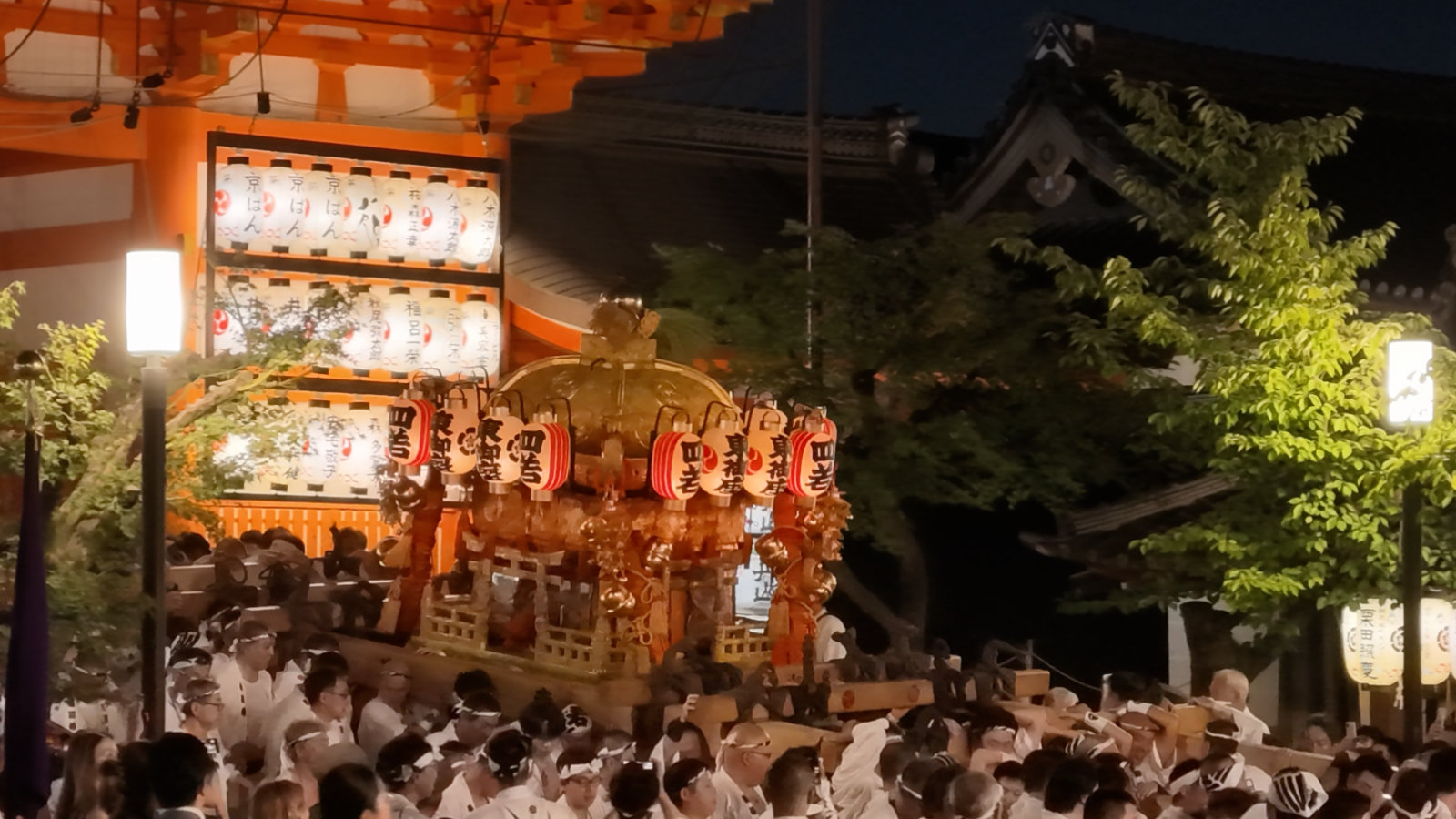
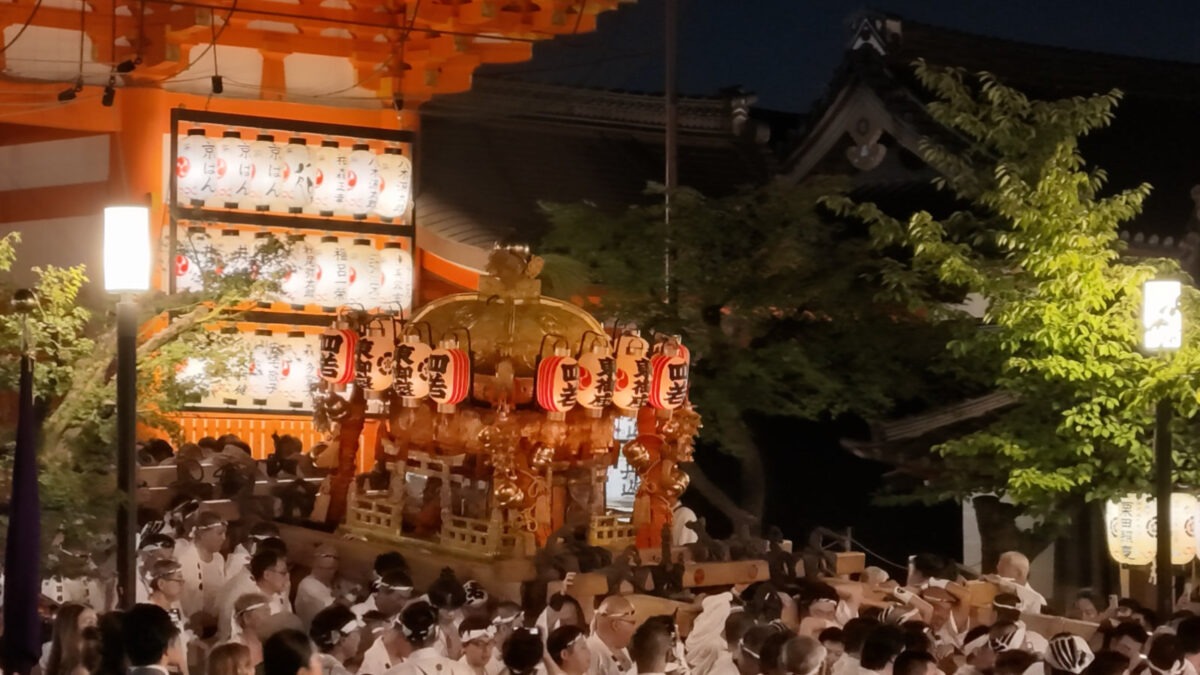
We recorded approximately 40 minutes of footage showing Nakagoza and Higashigoza entering the shrine grounds from in front of Yasaka Shrine. The lantern light, the bearers’ calls, and the energy of the crowds filling the intersection make it feel as though you are standing there yourself.
Experience Gion Festival’s Kankosai in an Approximately 40-Minute Video
This video includes the mikoshi procession approaching Yasaka Shrine from the Kawaramachi area, the rotating display in front of the shrine, Nakagoza and Higashigoza entering the grounds, and the moment each is raised onto the Maiden ceremonial stage.
Watching from the beginning lets you experience the passage of time as distant chants draw closer, the mikoshi come into view, and they finally return to Yasaka Shrine.
For a shorter viewing, start with the highlights, then prioritize the rotating displays by Nakagoza and Higashigoza and the scenes where they are raised onto the Maiden. These moments best convey the distinctive power of Kankosai.
Video Chapters
- 0:00 Gion Festival Kankosai highlights
- 1:16 Kankosai “Welcome home”
- 4:30 A young ceremonial attendant on horseback
- 4:59 Nakagoza proceeding from Kawaramachi toward Yasaka Shrine
- 5:17 Nakagoza: “Hoi-to, Hoi-to”
- 6:22 Nakagoza rotating display
- 8:32 Mikoshi heading toward Yasaka Shrine
- 8:58 The second mikoshi, Higashigoza
- 9:14 A Yasaka Shrine priest leading on horseback
- 9:40 Higashigoza: “Hoi-to, Hoi-to”
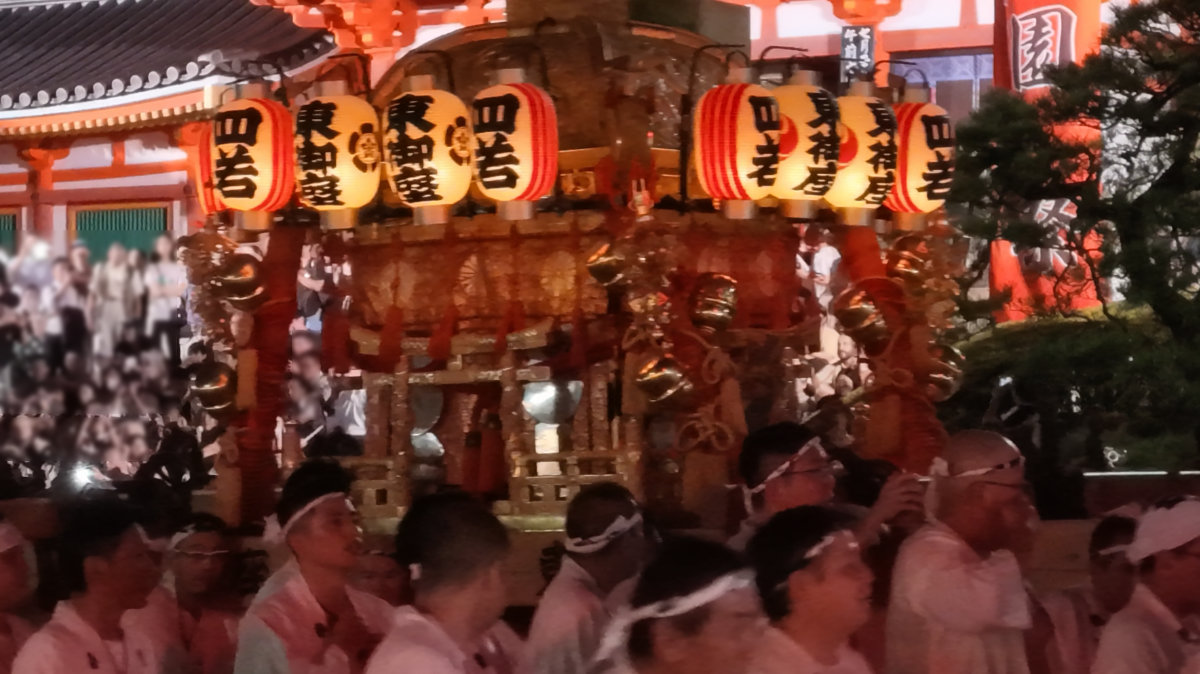
- 10:26 Higashigoza rotating display
- 13:05 Kankosai at Yasaka Shrine
- 13:30 The first mikoshi, Nakagoza
- 17:58 Nakagoza is raised onto the Maiden
- 20:45 Higashigoza enters the Yasaka Shrine grounds
- 38:03 Higashigoza is raised onto the Maiden
Firsthand Report: Watching Kankosai in Front of Yasaka Shrine
Goshinpo Hoji-retsu Sacred Treasure Procession
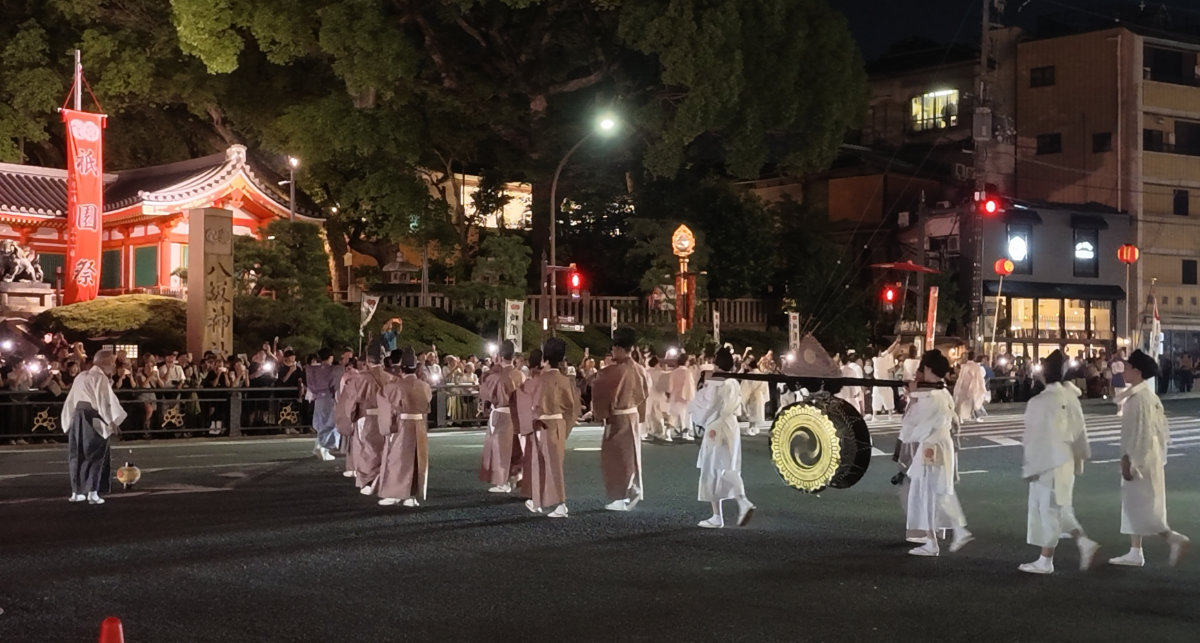
While waiting in front of Yasaka Shrine, the first group to arrive was the Goshinpo Hoji-retsu, an elegant procession in traditional style carrying treasures offered to the deities, including an imperial tablet, spears, shields, bows, arrows, and swords.
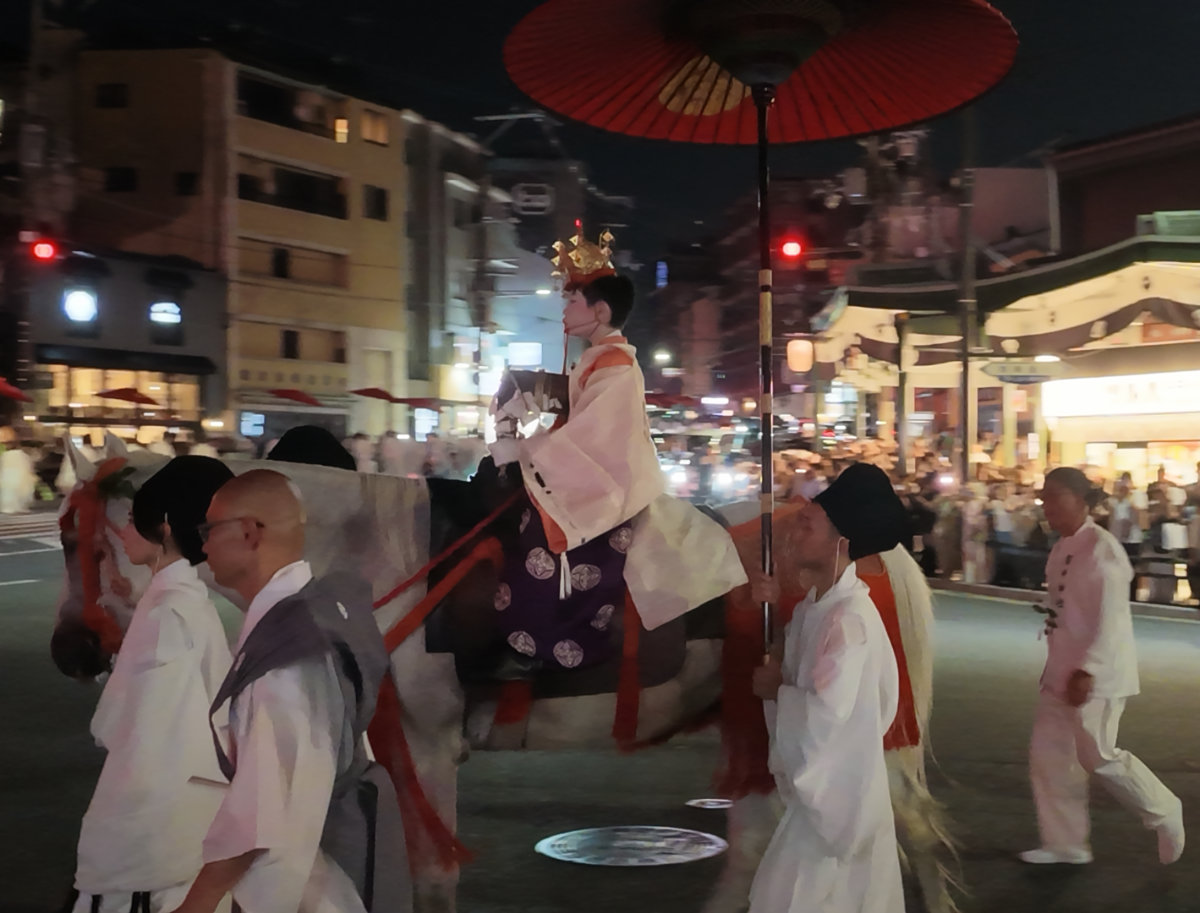
The mounted child attendant known as the Kuze Komagata Chigo leads the procession on horseback while carrying a carved wooden horse head, called a komagata, as the sacred object.
Mikoshi Procession: Nakagoza
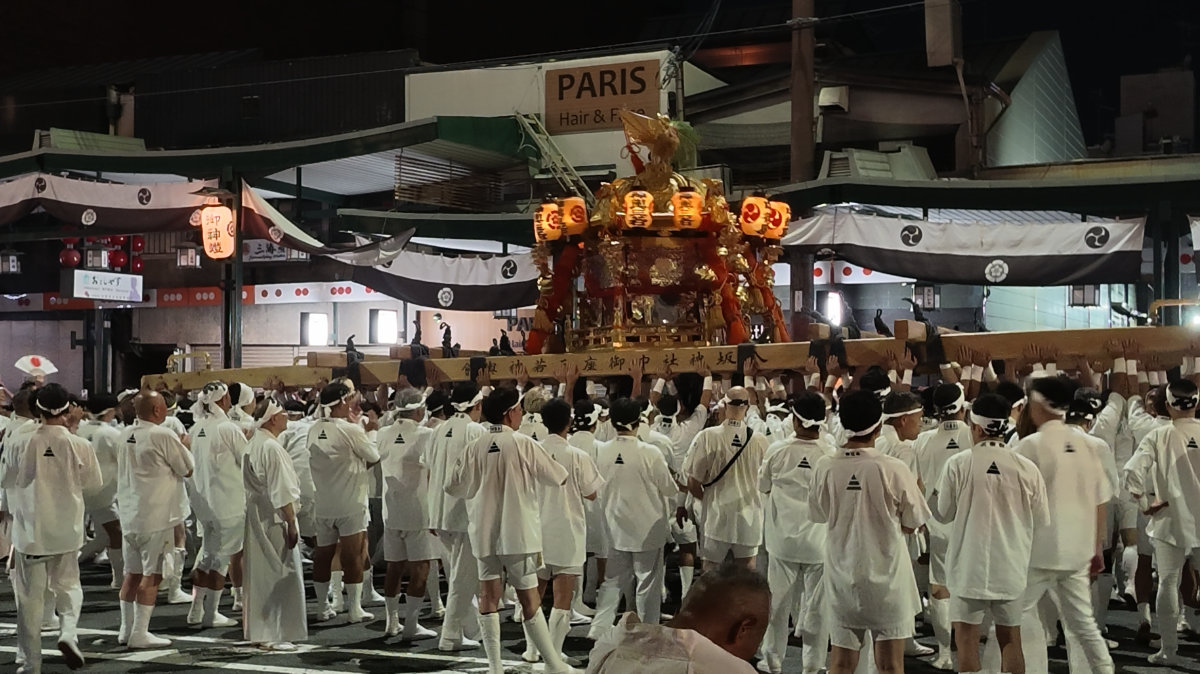
Calls of “Hoi-to, Hoi-to” approach from the direction of Kawaramachi, and people along the street begin looking the same way.
The first mikoshi to appear is Nakagoza.
On Shijo Street, the bearers lift the massive mikoshi, which weighs about 2.5 metric tons, high into the air and shake it up and down, making its gold ornaments sway.
This is called tamafuri, or “spirit shaking,” and is said to have the following meanings.
・By shaking the mikoshi vigorously up, down, and side to side, the bearers stimulate the spirit of the deity enshrined within, awakening and revitalizing its dormant power.
・As the deity’s spiritual power reaches its peak, it can strongly purify the community of widespread disease, misfortune, and impurity.
Overwhelmed by Nakagoza’s Chants and Rotating Display
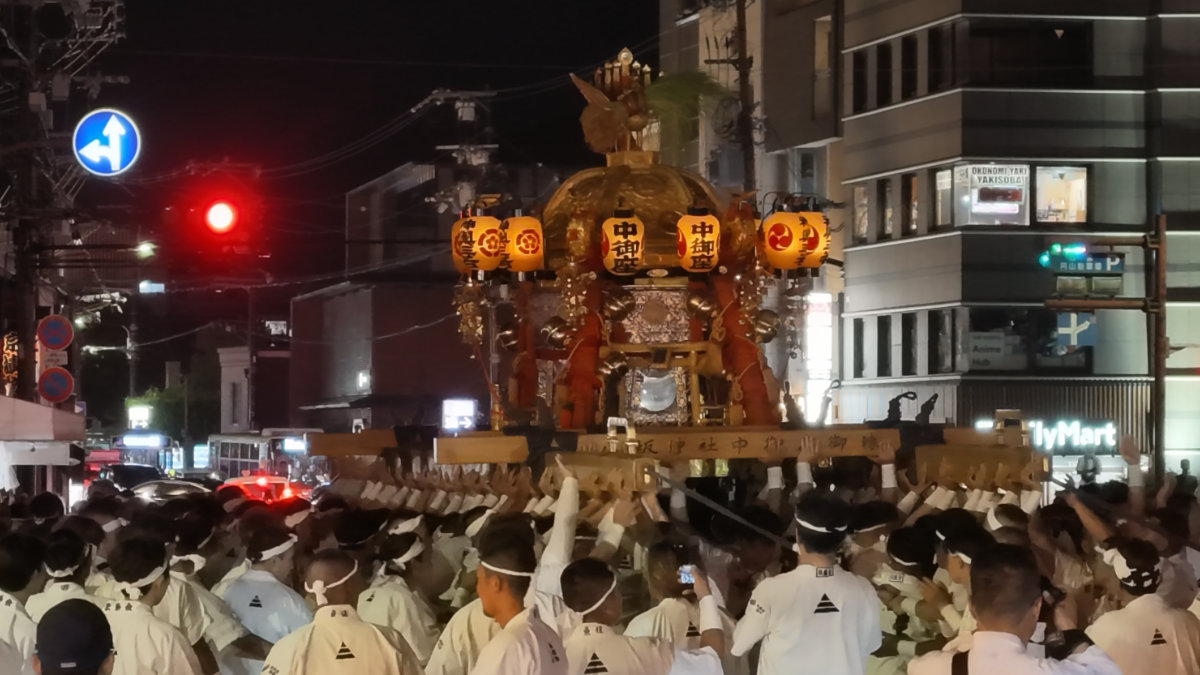
At the intersection in front of Yasaka Shrine, the highlight to watch is the rotating display beginning at 6:22 in the video. As the bearers hold the mikoshi high and turn it, cheers rise from the crowd and the area fills with intense excitement.
Rather than watching only from the front, notice the bearers’ footwork as the mikoshi turns and the movements of the people calling out around them. You can see how everyone works together to move the mikoshi.
Mounted Child Attendants and Priests Convey the Sacred Atmosphere
At 4:30 in the video, a young ceremonial attendant appears on horseback. At 9:14, a Yasaka Shrine priest leads Higashigoza while riding a horse.
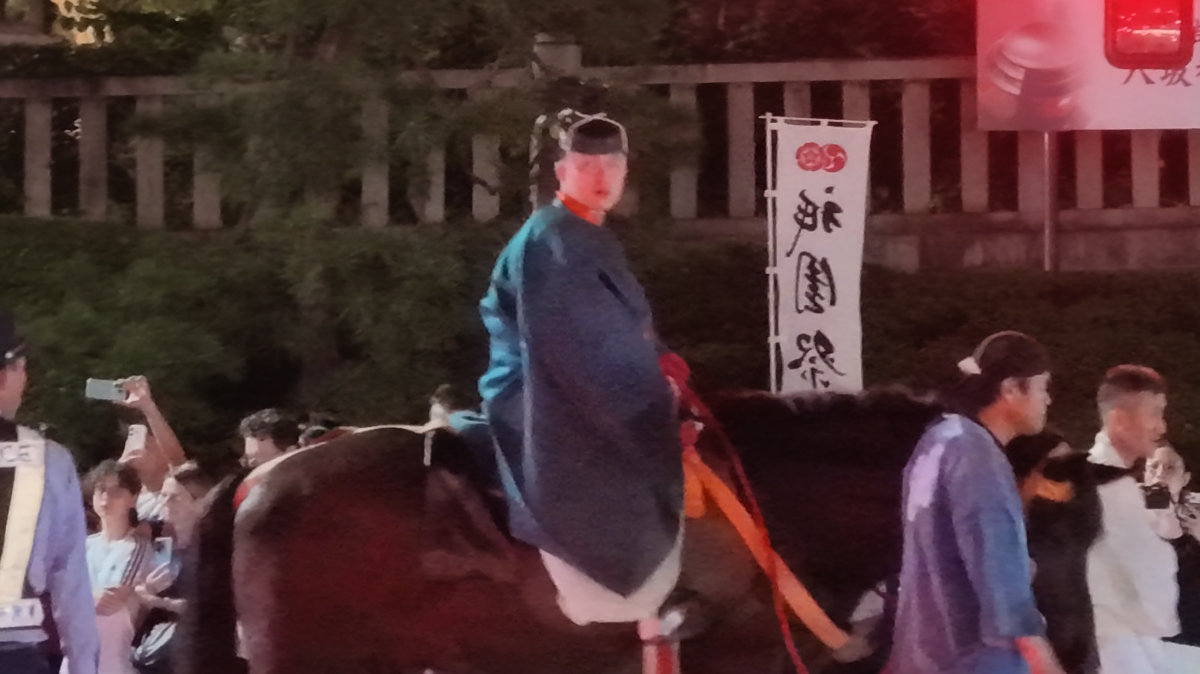
By watching not only the forceful movements of the mikoshi but also the people proceeding before and after them, you can feel that Kankosai is not merely a nighttime parade but an important ritual of Yasaka Shrine.
Do not focus only on the mikoshi. Pay attention to the garments of the people leading them and the order of the procession. The footage then takes on a deeper meaning, shifting from a lively festival scene to a ceremony welcoming the deities.
Higashigoza’s Shape and Movement Offer Another Highlight
Following Nakagoza, Higashigoza arrives in front of Yasaka Shrine.
The rotating display by Higashigoza begins at 10:26 in the video. Although the mikoshi may look similar at first, their roof and body shapes, lantern arrangements, and the bearers’ movements differ.
Watching Higashigoza after Nakagoza lets you compare the two. Even first-time viewers can stay engaged through the long video by changing perspective and looking for differences in their shapes.
Once Inside, the Chants Echo Throughout Yasaka Shrine
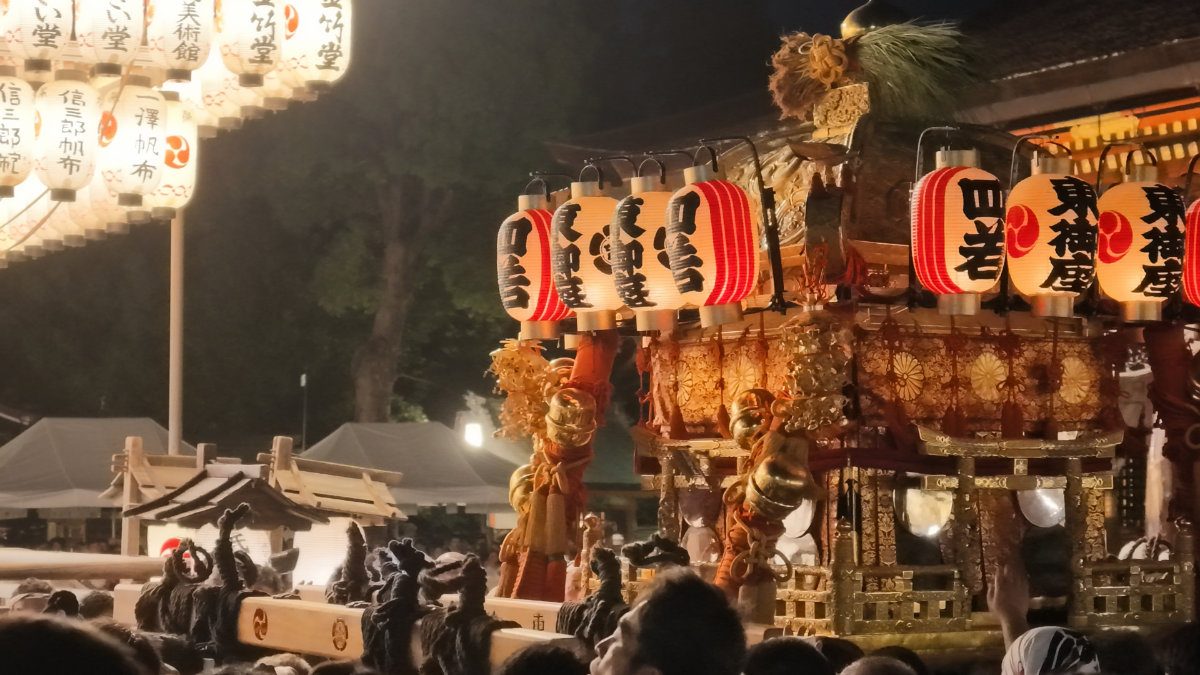
After the mikoshi enter the shrine grounds from the foot of Yasaka Shrine’s stone steps, they circle the Maiden while also performing tamafuri.
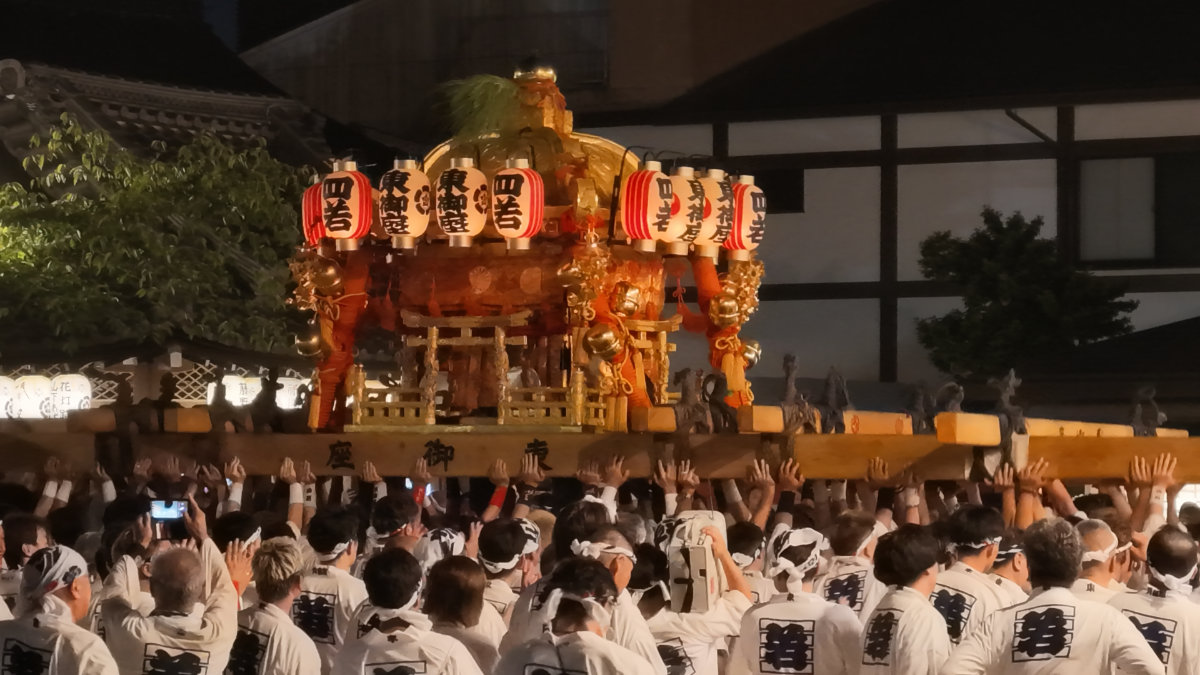
The chants echo through the grounds enclosed by buildings, and the eyes of those welcoming the mikoshi gather on the Maiden. Watching the mikoshi move through the crowd and rise onto the stage carried the tension of witnessing the end point of a long procession.
Nakagoza is raised onto the Maiden at 17:58, and Higashigoza at 38:03. Even when you cannot watch the entire video, these two scenes are worth prioritizing.
What Is Kankosai? Gion Festival Basics
The Gion Festival is the annual festival of Yasaka Shrine. Various rituals and events take place over approximately one month, from July 1 through July 31.
During Shinkosai on July 17, the deities of Yasaka Shrine are transferred to three mikoshi and carried to Shijo Otabisho. Kankosai on July 24 is the ritual in which the deities who stayed at the temporary shrine travel through Kyoto and return to Yasaka Shrine.
Kankosai Basic Information
- Date: July 24 every year
- Departure: The mikoshi leave Shijo Otabisho one after another from around 5:00 p.m.
- Return: They arrive at Yasaka Shrine between approximately 9:00 and 11:00 p.m.
- Mikoshi: Three mikoshi—Nakagoza, Higashigoza, and Nishigoza
- Main viewing areas: Each mikoshi route, Shijo Otabisho, and the area around Yasaka Shrine
Because the three mikoshi follow different routes, their passing and arrival times vary. Road conditions and the progress of the rituals can also affect the schedule, so check Yasaka Shrine’s official information and on-site guidance on the day.
Check the official Yasaka Shrine schedule for Gion Festival events
Check the official Yasaka Shrine mikoshi route map
How Do the Yamahoko Procession and Kankosai Differ?
The Yamahoko procession is one of the Gion Festival’s signature events, known for its luxurious decorative textiles, the structures of the floats, and the dramatic tsuji-mawashi turns at intersections.
Kankosai is the ritual in which mikoshi carrying the deities travel through parish neighborhoods and return to Yasaka Shrine. Its major attractions are the powerful sound and movement: the bearers’ calls, the swaying mikoshi, the rotating displays, and lanterns glowing at night.
Watching both the daytime Ato Matsuri Yamahoko procession and the nighttime Kankosai shows that the Gion Festival is not only about its floats but continues as the sacred festival of Yasaka Shrine.
The Three Mikoshi Differ in Shape and the Deities They Enshrine
Nakagoza is a hexagonal mikoshi enshrining Susanoo-no-Mikoto, the principal deity of Yasaka Shrine. A phoenix decorates its roof.
Higashigoza is a square mikoshi enshrining Kushinadahime-no-Mikoto and is distinguished by the ornamental finial on its roof.
Nishigoza is an octagonal mikoshi enshrining Yahashira-no-Mikogami. A phoenix decorates its roof.
This video focuses on Nakagoza and Higashigoza. Knowing their shapes beforehand makes it more enjoyable to look for differences in the roofs and bodies visible beyond the lanterns.
How to Enjoy Kankosai in Person
In Front of Yasaka Shrine, Enjoy the Sound Before the Mikoshi Arrive
When watching in front of Yasaka Shrine, enjoy not only the moment the mikoshi come directly into view but also the time as the calls approach from a distance.
Instead of holding up your smartphone continuously, first listen to determine the direction of the chants, then begin recording once the mikoshi appear. This makes it easier to preserve both the atmosphere and the footage.
If Time Is Short, Prioritize the Rotating Display and Entry into the Shrine Grounds
When time is limited, prioritize the rotating display in front of Yasaka Shrine and the moment the mikoshi enter the grounds. Together, they let you experience both the dynamic and solemn sides of Kankosai.
However, the three mikoshi arrive at intervals. After seeing one, you may wait a long time for the next, so do not push yourself to see everything. Depending on your condition and schedule, choosing just one mikoshi is also a good option.
Still Around 30°C at Night: Prepare for Heat Illness During a Long Viewing
When this footage was recorded, the temperature remained around 30°C even at night.
It may seem cooler after the sun goes down, but roads that stored heat during the day, dense crowds, and poor airflow combine to drain your energy even while you are simply standing and waiting.
Because watching Kankosai outdoors can take a long time, including the wait for each mikoshi, do not assume nighttime is safe. Prepare for the heat just as you would during the day.
Around 10:30 p.m., when the crowd begins to thin slightly, is a recommended time to see one of the best highlights at Yasaka Shrine.
Preparing to Watch Kankosai on a Hot Night
- Prepare water or a sports drink in advance
- Drink small amounts regularly before you feel thirsty
- Use a cooling towel, portable fan, or ice pack
- Choose breathable, loose-fitting clothing
- Take breaks in an air-conditioned place while waiting for the mikoshi
- Stop watching if you feel dizzy, have a headache or nausea, or experience severe fatigue
Most importantly, do not try to chase every scene you want to see.
If you feel overheated after watching Nakagoza, leave the crowd and rest somewhere cool before waiting for Higashigoza. Only when you have enough physical reserve can you comfortably enjoy the full night of the mikoshi’s return.
If someone cannot drink water without help or has abnormal consciousness or responses, call 119 immediately. In Kyoto Prefecture, you can also consult the Kyoto Emergency Medical Advice Center at #7119 if you are unsure whether to call an ambulance.
Gion Festival’s Kankosai Is a Nighttime Ritual to Experience Through Sound and Energy
The Yamahoko procession often receives the most attention at the Gion Festival, but the mikoshi procession is an indispensable ritual of Yasaka Shrine’s festival.
The sight of lantern-lit mikoshi moving through Kyoto and entering Yasaka Shrine to the bearers’ calls has a strength unlike the daytime procession.
This approximately 40-minute video records Nakagoza and Higashigoza arriving in front of Yasaka Shrine, performing their rotating displays, and entering the Maiden on the shrine grounds, all with live location sound.
Start with the highlights for an overview, then use the chapters to revisit the mikoshi and scenes that interest you. Those attending in person can fully appreciate the depth of the Gion Festival even by watching just one mikoshi that suits their condition, while preparing for the nighttime heat.
Frequently Asked Questions About Gion Festival’s Kankosai
What Kind of Event Is Kankosai?
It is a ritual in which the deities transferred to Shijo Otabisho during Shinkosai on July 17 travel through Kyoto with three mikoshi and return to Yasaka Shrine. It takes place every year on July 24, with the mikoshi returning one after another to Yasaka Shrine at night.
What Time Can I See Kankosai?
The three mikoshi depart Shijo Otabisho one after another from around 5:00 p.m. and return to Yasaka Shrine between approximately 9:00 and 11:00 p.m. Routes and arrival times differ for each mikoshi and can change with the day’s progress, so check the official route map and on-site guidance.
Can I Enjoy the Gion Festival Without Knowing Much About It?
The calls, lanterns, and large movements of the mikoshi are powerful even without background knowledge. Knowing that Nakagoza is hexagonal, Higashigoza is square, and Nishigoza is octagonal also makes it more fun to tell the mikoshi apart.
Which Should I See, the Yamahoko Procession or Kankosai?
Choose the Yamahoko procession to study decorations and traditional craftsmanship, or Kankosai to experience calls, vigorous movement, and nighttime energy. When time allows, watching both the Ato Matsuri Yamahoko procession and Kankosai on July 24 reveals two distinct sides of the Gion Festival.

Make the latest USJ and Kansai event updates
easier to find on Google.



![Osaka Temperatures by Month | What to Wear at USJ for Morning-to-Night Temperature Swings [Women & Men]](https://happyell.co.jp/world/wp-content/uploads/2026/08/usj-osaka-temperature-clothingtitle-600x338.jpg)