What you’ll learn in this article
- Highlights to look for across the five chapters of the “Zen and Ghibli” Kyoto Exhibition
- On-site exhibits featuring No-Face, Howl, a hidden Totoro, and more
- Dates, ticket prices, and recommended ways to explore and enjoy the exhibition
(C)Studio Ghibli
The “Zen and Ghibli” Kyoto Exhibition lets you experience Zen through the world of The Boy and the Heron
The “Zen and Ghibli” Kyoto Exhibition opened on October 3, 2026, at the Higashiyama Cube in the new wing of the Kyoto City KYOCERA Museum of Art.
Here is our report from the media preview!
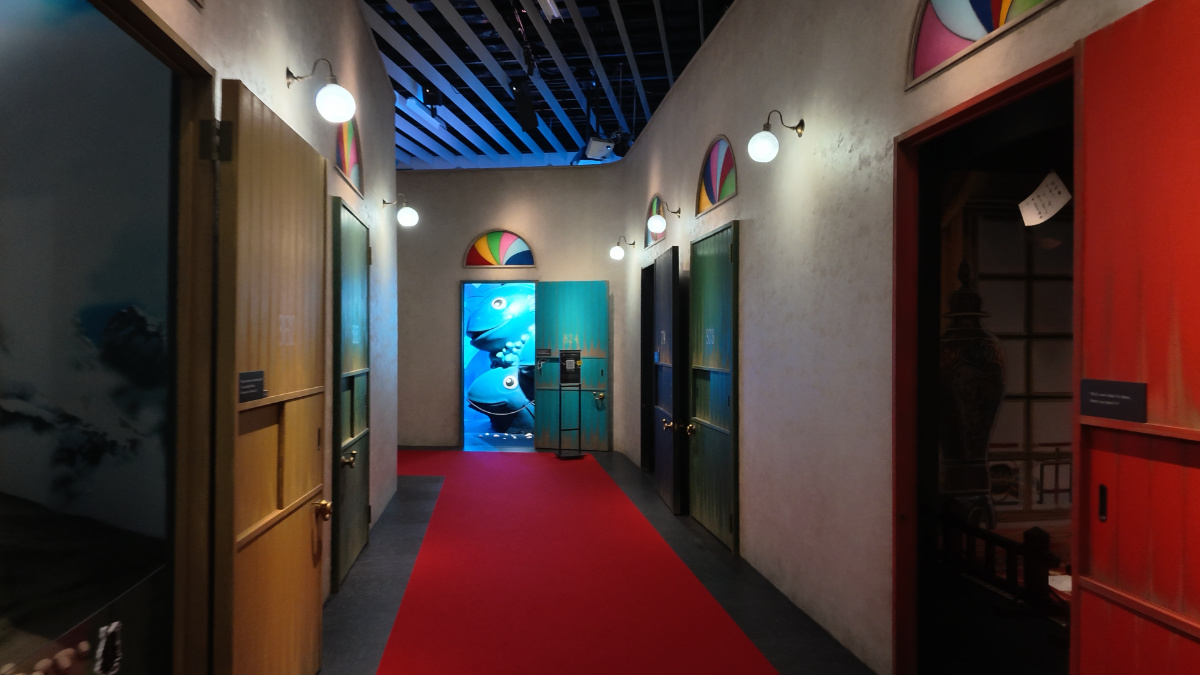
I arrived expecting something like an exhibition of Zen artworks, but what surprised me was the theme-park-like immersion of stepping into the world of Studio Ghibli.
As you move through that world and take in the displays, the exhibition gradually lets you sense a “Zen way of seeing.”
Hayao Miyazaki’s film The Boy and the Heron is at the center of the exhibition, but many other Ghibli works are also featured, so even visitors who do not know The Boy and the Heron in detail can still enjoy it thoroughly.
Answers to questions raised by The Boy and the Heron
The exhibition is divided into five chapters. In the first half, visitors experience the connections between Zen and Ghibli works including The Boy and the Heron; as the exhibition progresses, it moves more deeply into Zen itself and the world of words.
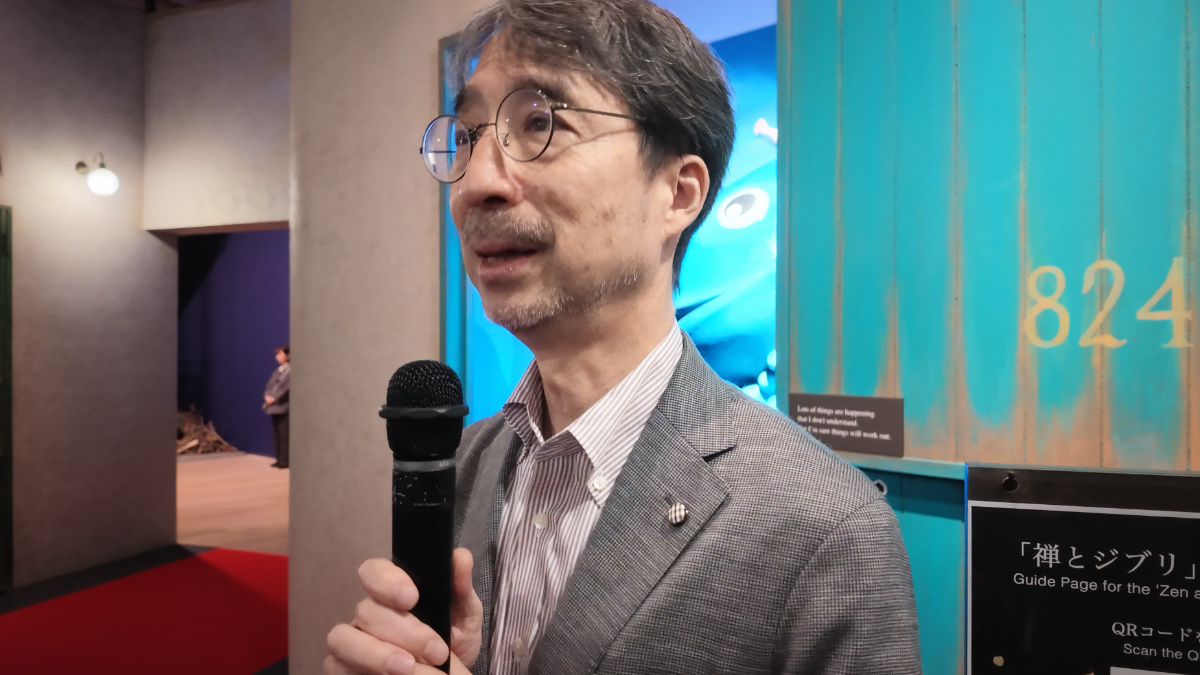
During the gallery talk, Mr. Hashida of Studio Ghibli—an event producer who has also served as director of the Ghibli Museum, Mitaka—explained that this is also an exhibition that takes a deeper look at The Boy and the Heron. It includes substantial displays on the film, including stories about how it came into being that had not previously been discussed.
If you watched the film and found yourself wondering, “What did that mean?”, this is an exhibition where you will want to take your time with both the written displays and the spaces themselves.
Chapter 1: Into “That World and This World”
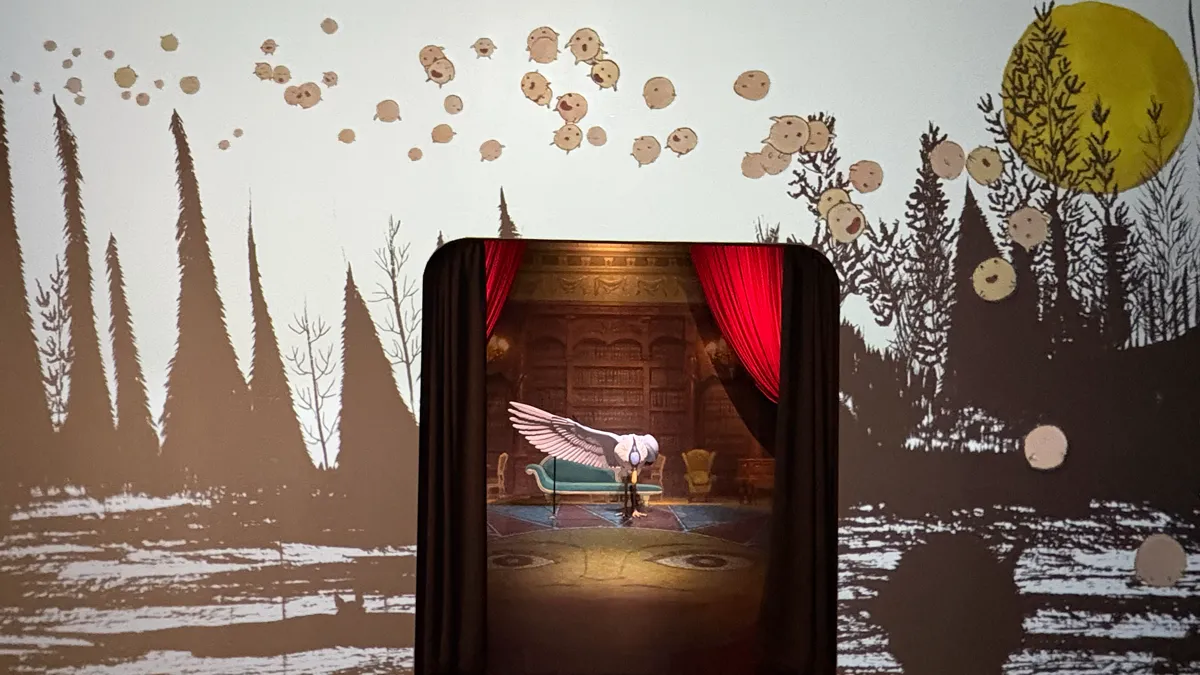
In the gallery talk, it was explained that one of the inspirations for this exhibition came from hearing Zen described as “something like a place between that world and this world.”
Looking back at Ghibli films such as My Neighbor Totoro, Ponyo, Howl’s Moving Castle, and The Boy and the Heron, there are many stories in which the protagonist crosses a boundary—a building, tree, tunnel, door, or something similar—enters another world, experiences something there, and then returns to the original world.
In this chapter, you can physically walk through a space that evokes that sense of moving between “there” and “here” in Ghibli works.
A space that feels like walking through the “Corridor of Time” from The Boy and the Heron
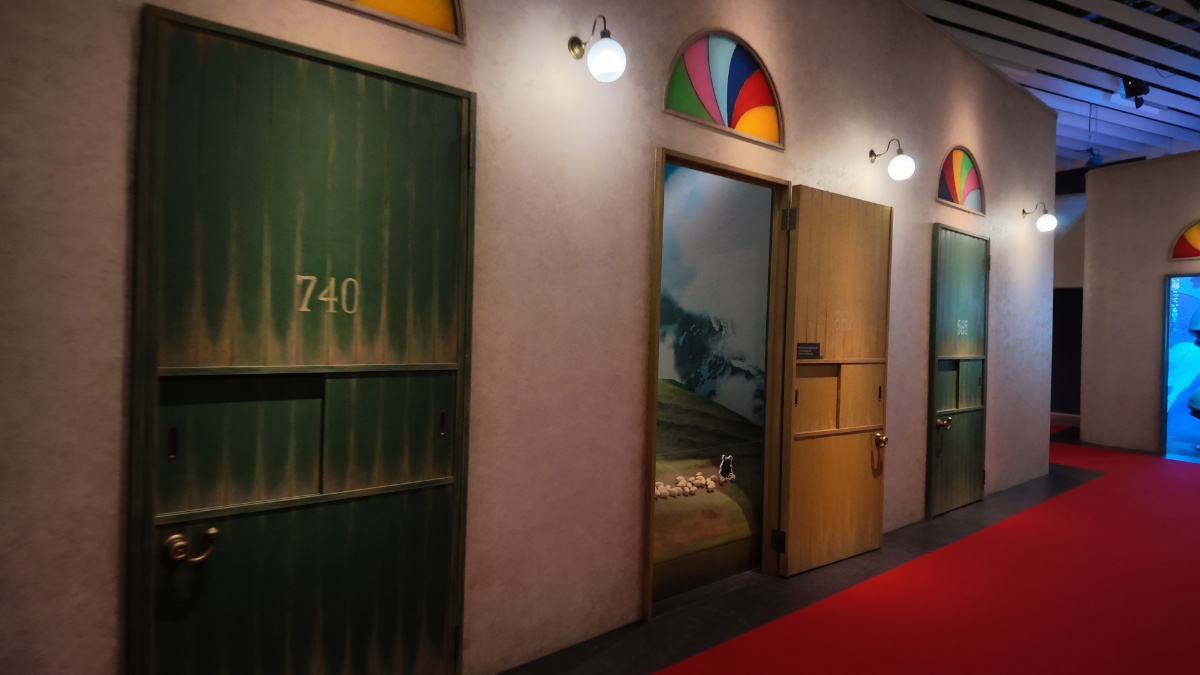
A place recalling the “Corridor of Time” from The Boy and the Heron is lined with numerous doors.
According to Mr. Hashida, the space itself was created with the image of “walking a Zen path back and forth between that world and this world.”
Rather than looking only at what is directly in front of you, imagine what might be beyond the next door as you move ahead. It can feel as though you have become the protagonist of the film.
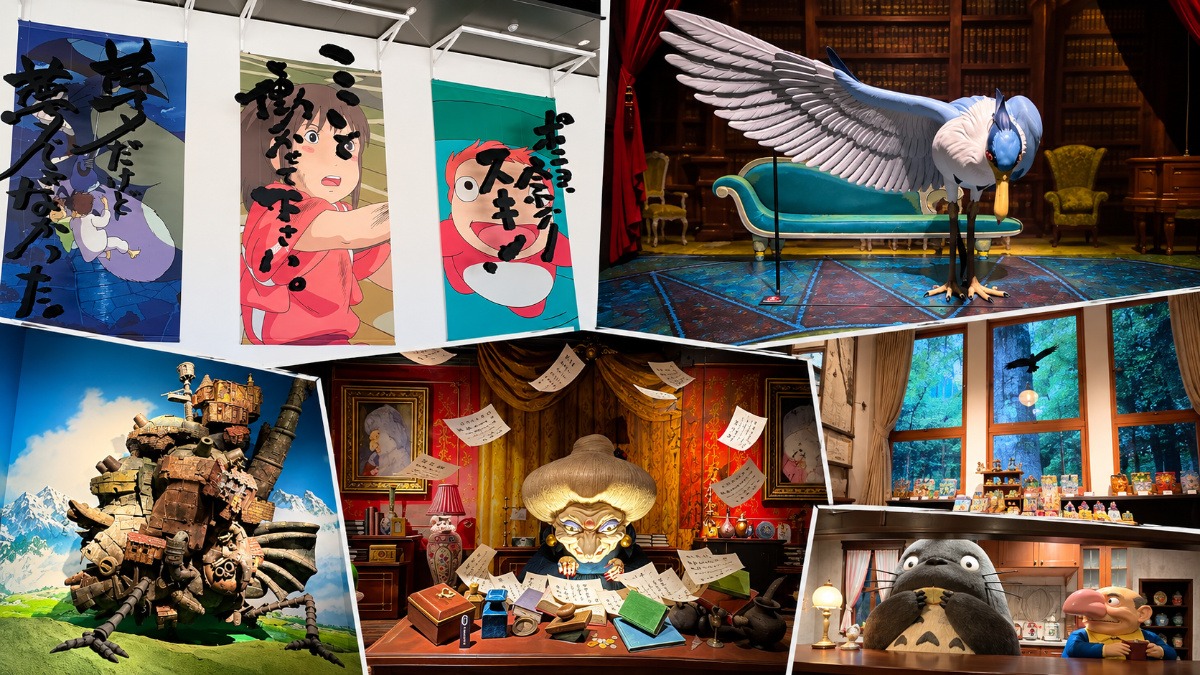
Look closely at the details of the three-dimensional No-Face, Yubaba, and Howl exhibits
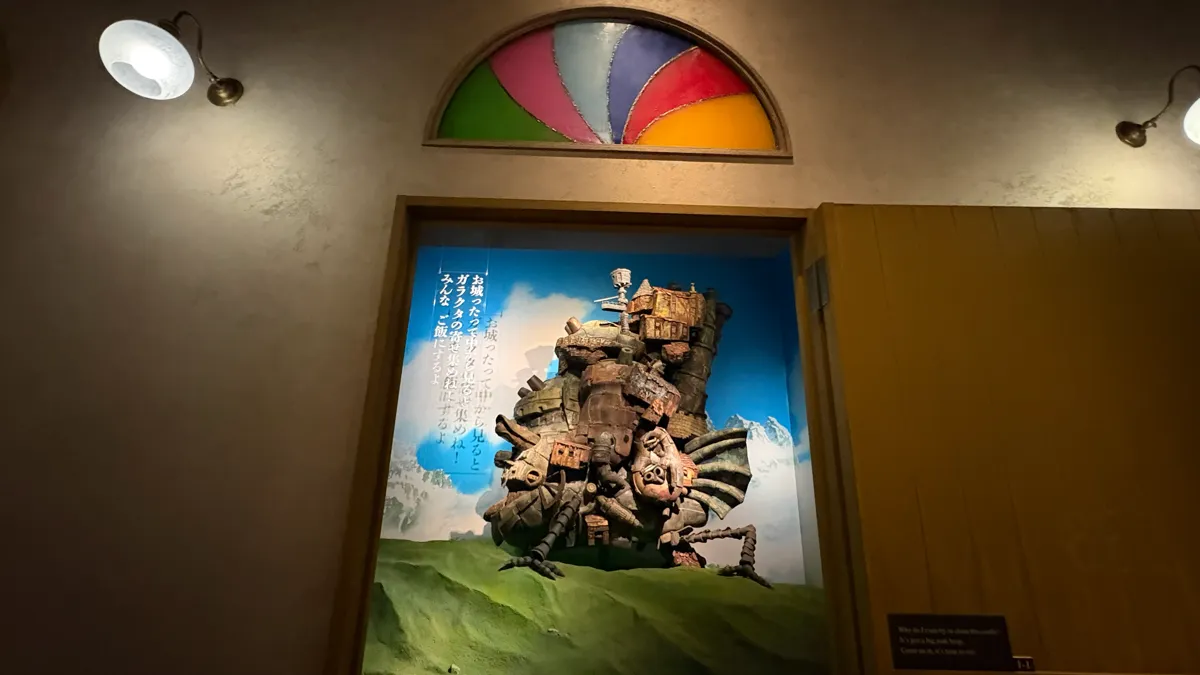
Beyond the doors, memorable scenes from Ghibli films are recreated in three dimensions.
For Spirited Away, there is a room evoking the scene where No-Face devours food.
Another room features Yubaba. Seeing her together with lines from the film helps bring the scene back to mind as you take in the display.
And for Howl’s Moving Castle, the moving castle itself deserves attention.
The castle really moves, and its motion feels straight out of the film. Stop for a moment and watch the movement closely.
Spirited Away — Yubaba: “A stink spirit has arrived?”
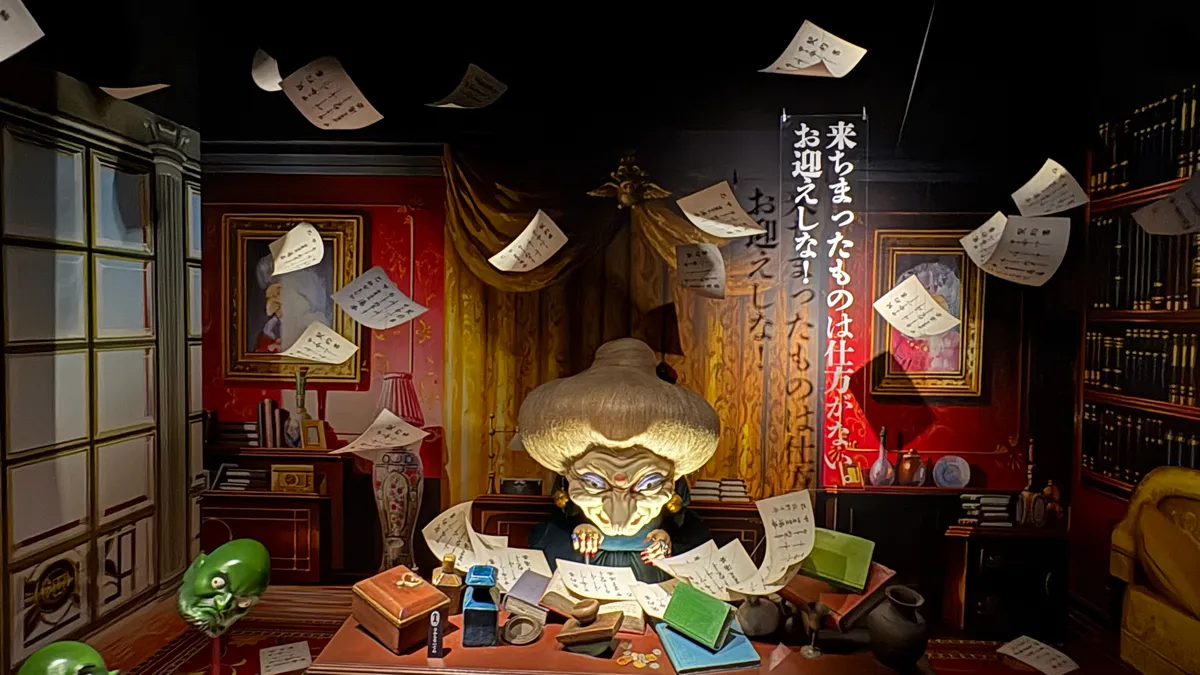
Memorable line: “We can’t help it if it’s here. Go welcome it!”
Yubaba’s line from the scene where the deity believed to be a stink spirit—actually the spirit of a famous river—arrives at the bathhouse.
Spirited Away — No-Face’s feast
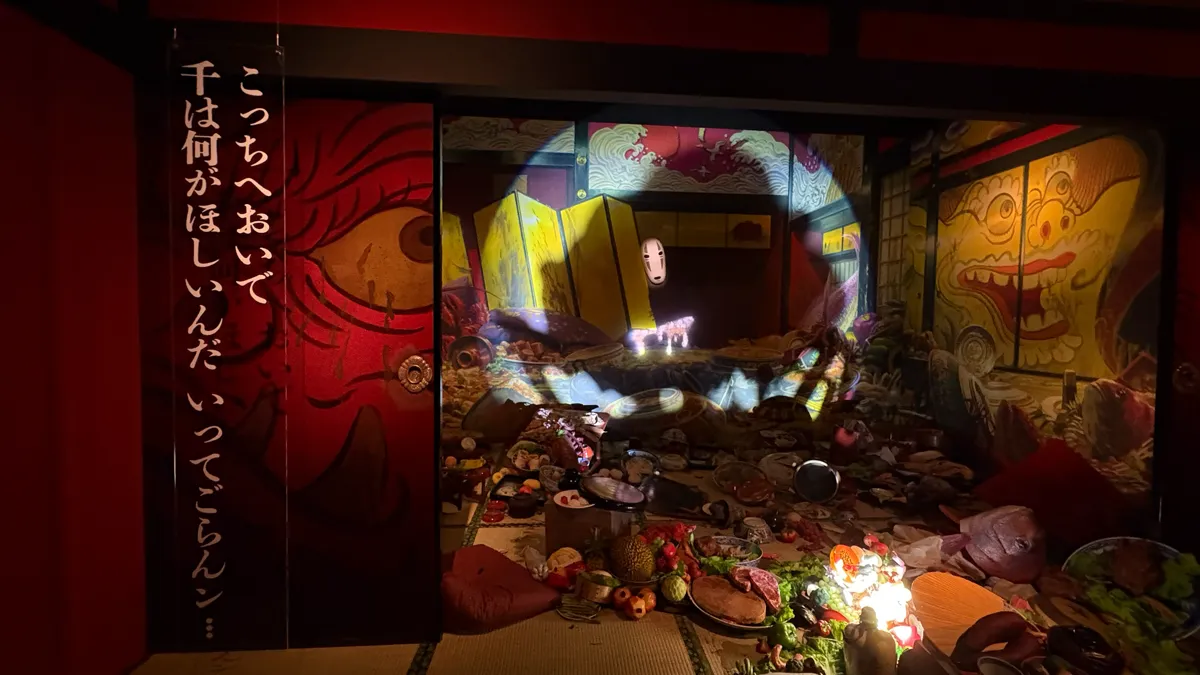
Memorable line: “Come here. What do you want, Sen? Tell me.”
After swallowing Aogaeru and other bathhouse workers, No-Face approaches the protagonist Chihiro (Sen), showing her gold nuggets and trying to win her favor.
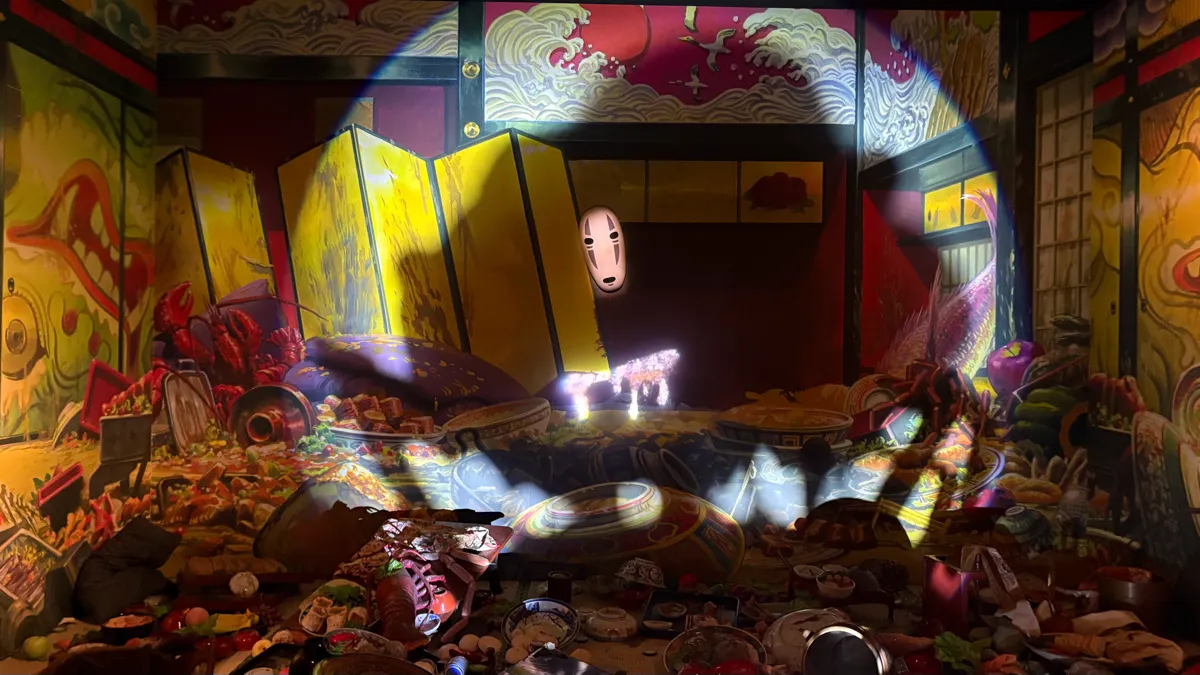
Look at the tatami and you can see even the stains made by liquid dripping from the scattered dishes have been recreated.
Howl’s Moving Castle — Sophie
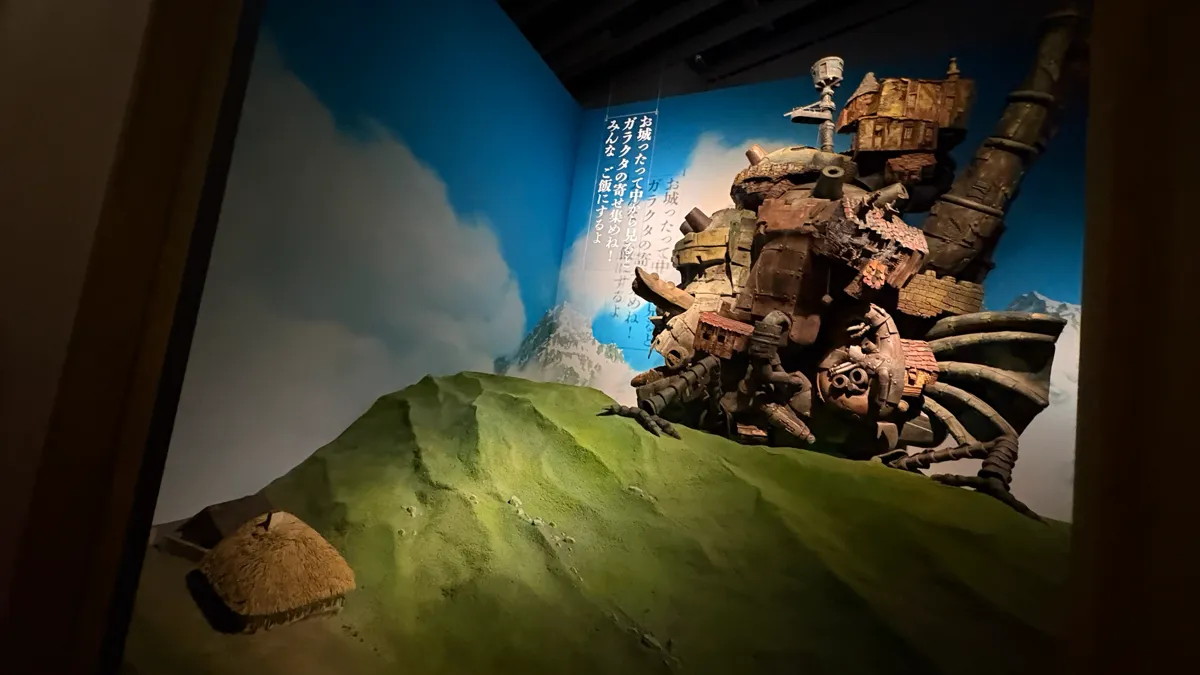
Memorable line: “Some castle! From the inside it’s just a pile of junk. Everyone, it’s time to eat!”
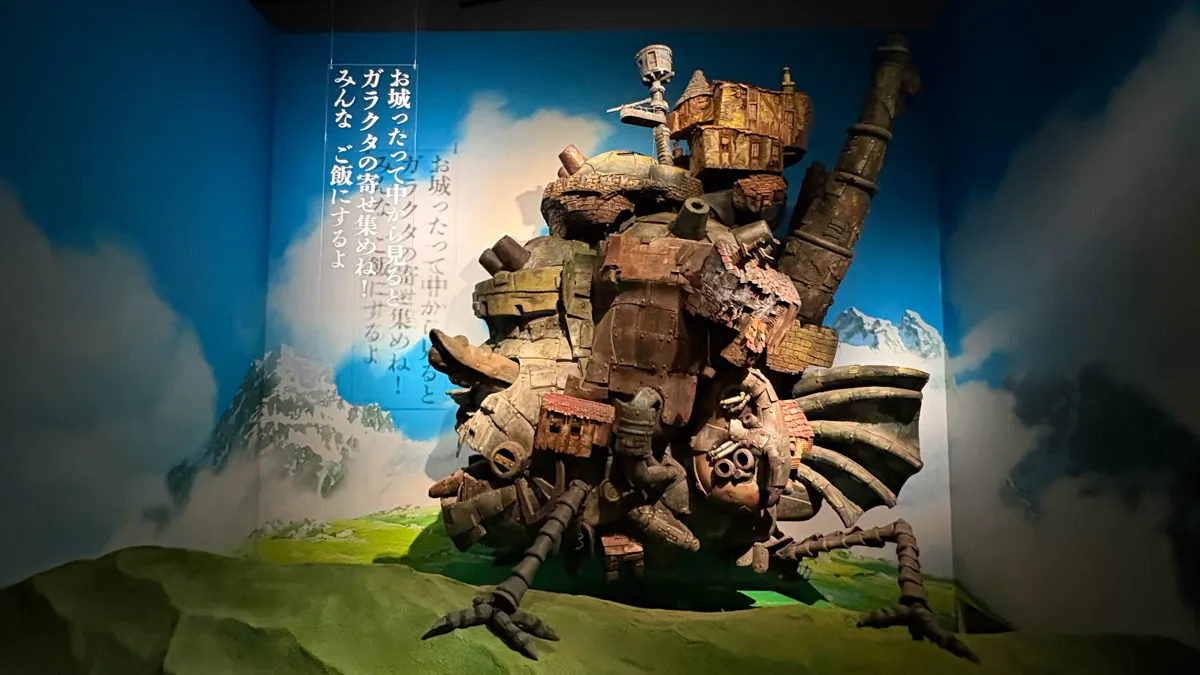
This is Sophie’s line after returning from the palace where Suliman is to Howl’s Moving Castle.
Ponyo

Memorable line: “A lot of strange things are happening. I don’t know why right now. But I’m sure we’ll understand eventually.”
Lisa says this to calm Sosuke amid the great flood.

-
This is only my own interpretation and reflection.
I recommend developing your own interpretation and understanding of Zen.
Accept what cannot be controlled. Let go of past and future and focus only on the reality of “here and now.”
Yubaba shows a resolve to face what is in front of her—an attitude that can be read as expressing this Zen spirit.
No-Face tries to attract Chihiro with material things such as gold dust and food, but they have no effect on Chihiro, who is free of such desire.
The scene may be read as expressing the Zen idea of “knowing what is enough”: what does true fulfillment mean when it cannot be satisfied by external material things?
Zen rejects dualistic boundaries that people create for themselves, such as “something splendid (a castle)” versus “something worthless (junk).”
Sophie calmly accepts the castle as it is: a collection of junk.
Zen also has the teaching “kissa kippan”—when drinking tea, devote yourself to drinking tea; when eating, devote yourself to eating—encouraging people not to cling to the past or worry about the future, but to fully live “here and now.”
Whatever the true nature of the castle may be, and even if a war is raging outside, the most important thing for people to live is the ordinary reality right in front of them: “Now, everyone, let’s eat.”
In Zen, one way of thinking is: “When you do not understand, leave it as not understood.” Lisa says, “I don’t know why,” and temporarily stops trying to reason it out. This is not giving up, but a rest that creates space in the mind.
Then, rather than trying to control the reality before her, she lightly goes with the natural flow. There is strength in not resisting.
It also reflects a teaching Zen values deeply: instead of spending your time worrying about what lies ahead, do what you can do now.
Pay attention to the numbers written on the doors
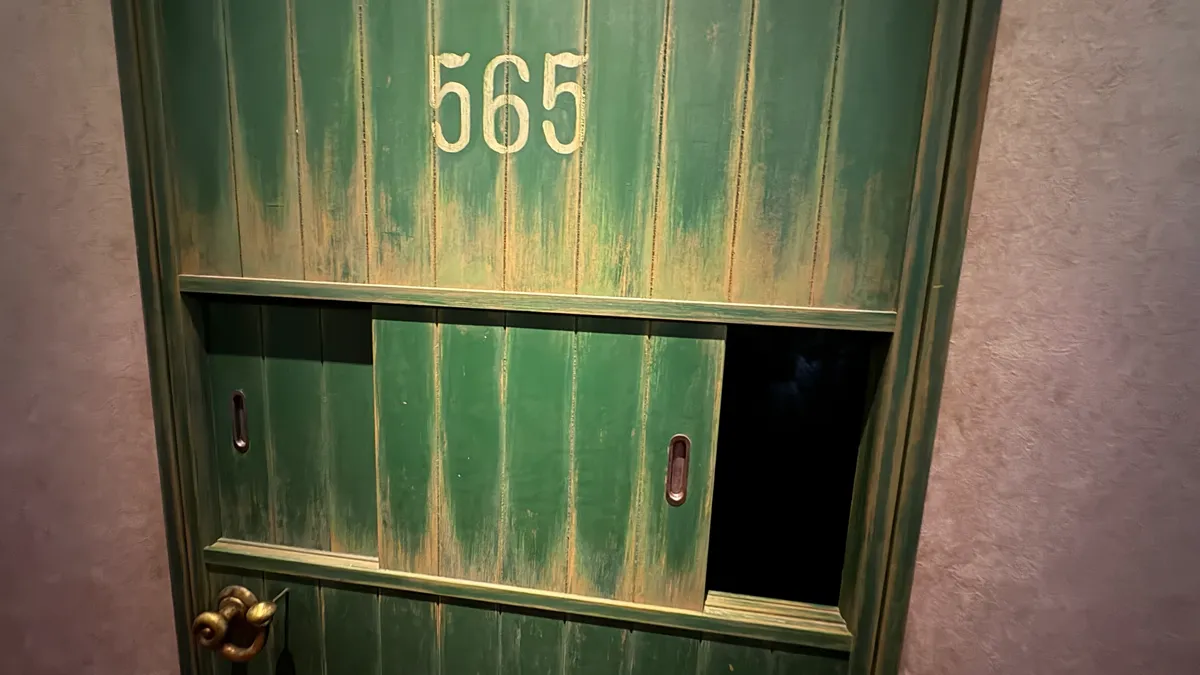
If you have watched The Boy and the Heron many times, be sure to look at the “numbers” written on the doors.
There are probably several numbers that will catch the eye of anyone who knows the film well.
Rather than following only the three-dimensional exhibits, look closely at the doors, lettering, and small props too. Ghibli fans may find even more details to discover.
Chapter 2: “Have Some Tea” — Listen to a conversation between Hayao Miyazaki and producer Toshio Suzuki
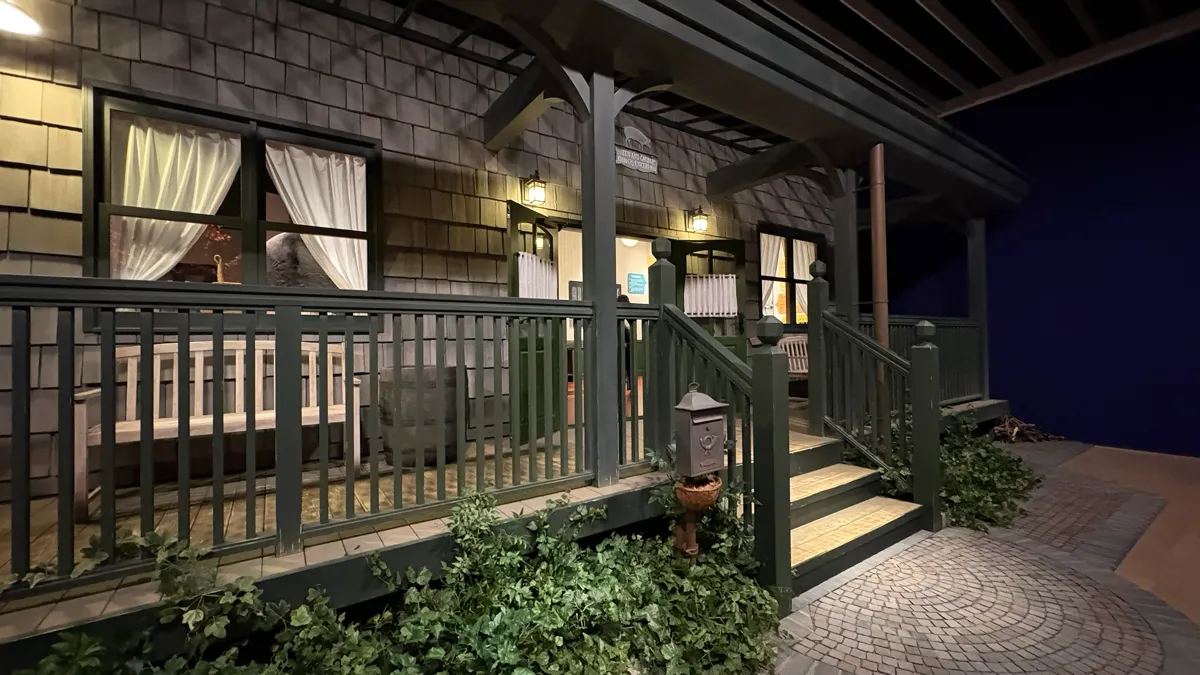
Chapter 2, “Have Some Tea,” includes a building constructed inside the venue that looks as though it could appear in a Ghibli film.
It is surprising simply to find a house inside the museum.
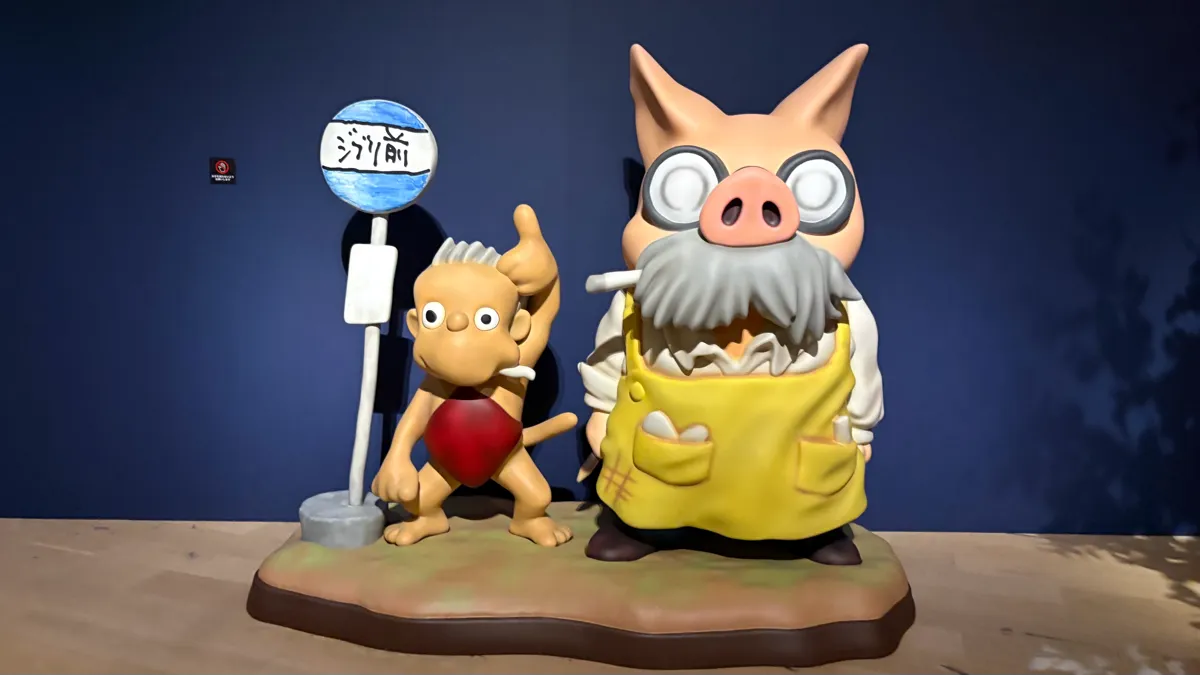
Outside the building stand “the pig that appears in director Hayao Miyazaki’s self-portrait” and “a monkey modeled on producer Toshio Suzuki.”
They are three-dimensional versions of the key visual from the 2023 exhibition “Friday Road Show and Ghibli Exhibition.”
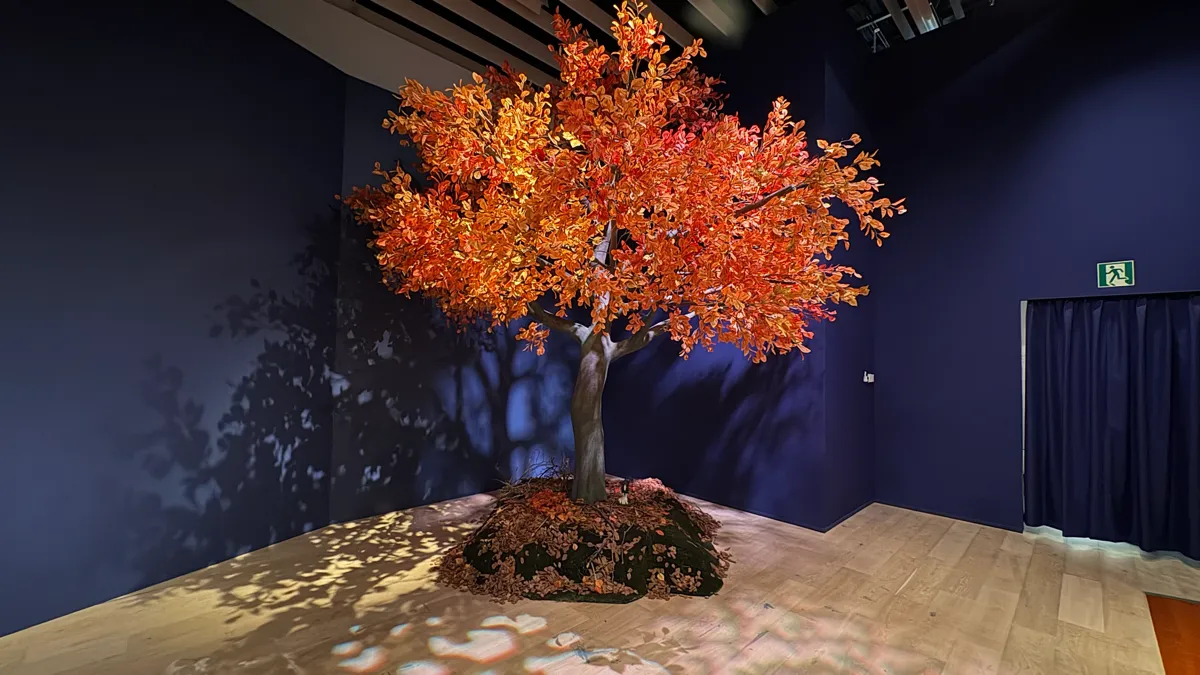
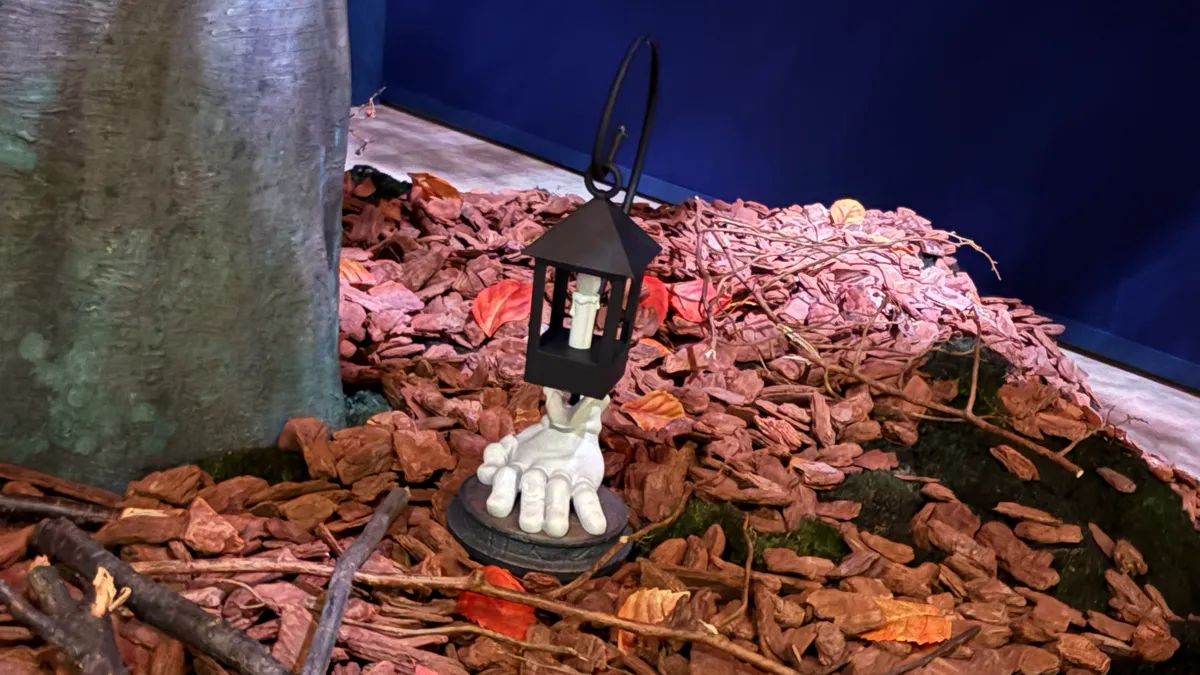
If you look closely beneath the tree, you will also find the guiding lantern from Spirited Away.
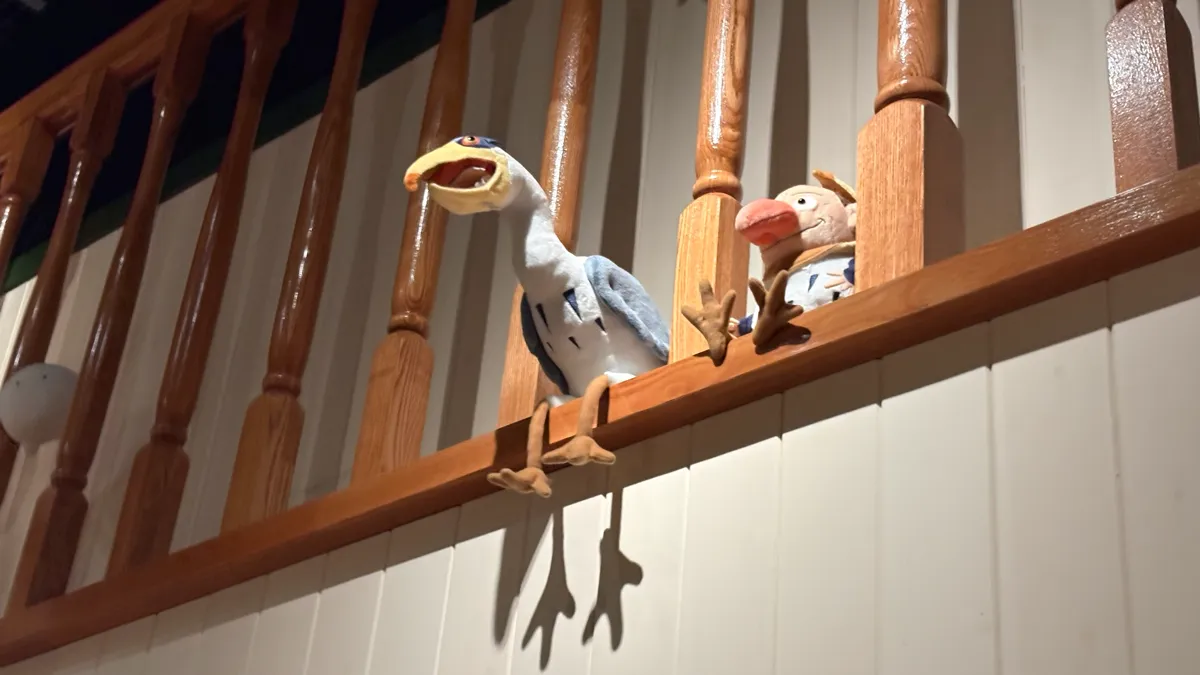
What are Totoro and the Heron Man watching while they drink tea?
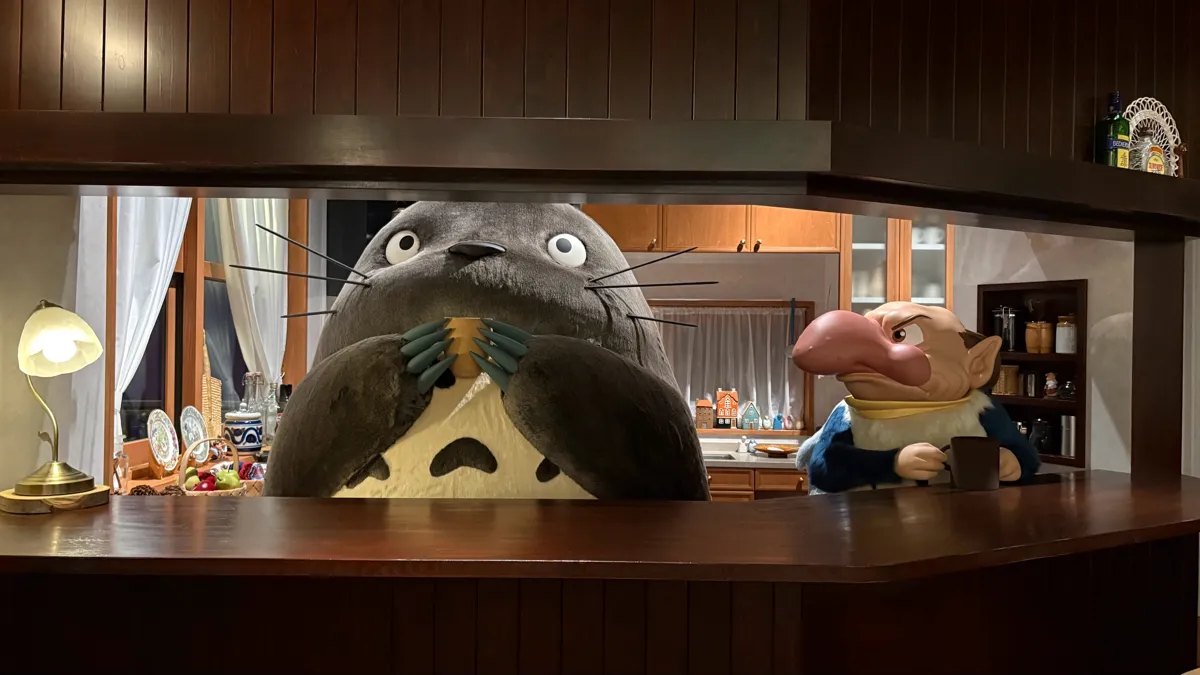
Step inside and you will see Totoro and the Heron Man from The Boy and the Heron sitting side by side, drinking tea.
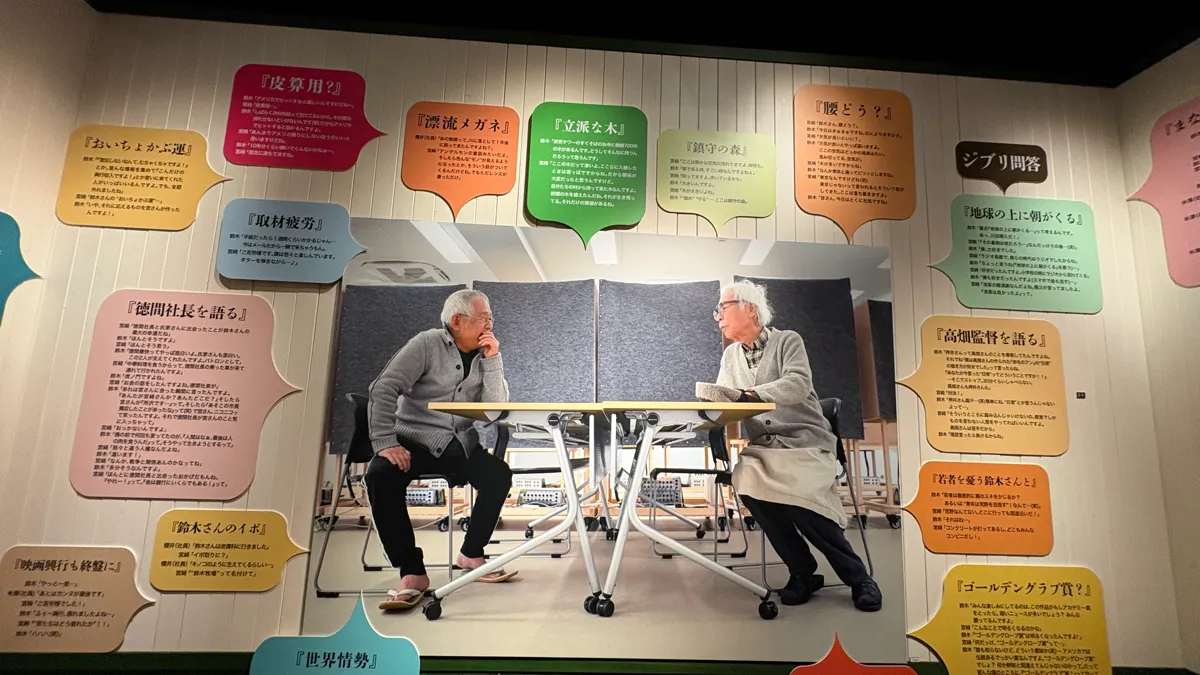
What they are looking toward is a conversation between director Hayao Miyazaki and producer Toshio Suzuki.
Do not just read the text here—listen to the actual voices of the two men as well.
The gallery talk explained that the exhibit selects interesting exchanges from recordings of the “current” topics the two discuss in their everyday conversations.
It is an engaging section not only for what they say, but also for the pauses between words and the distinctive rhythm of their conversation.
Chapter 3: “Where Things Are Born” — Going deeper into The Boy and the Heron
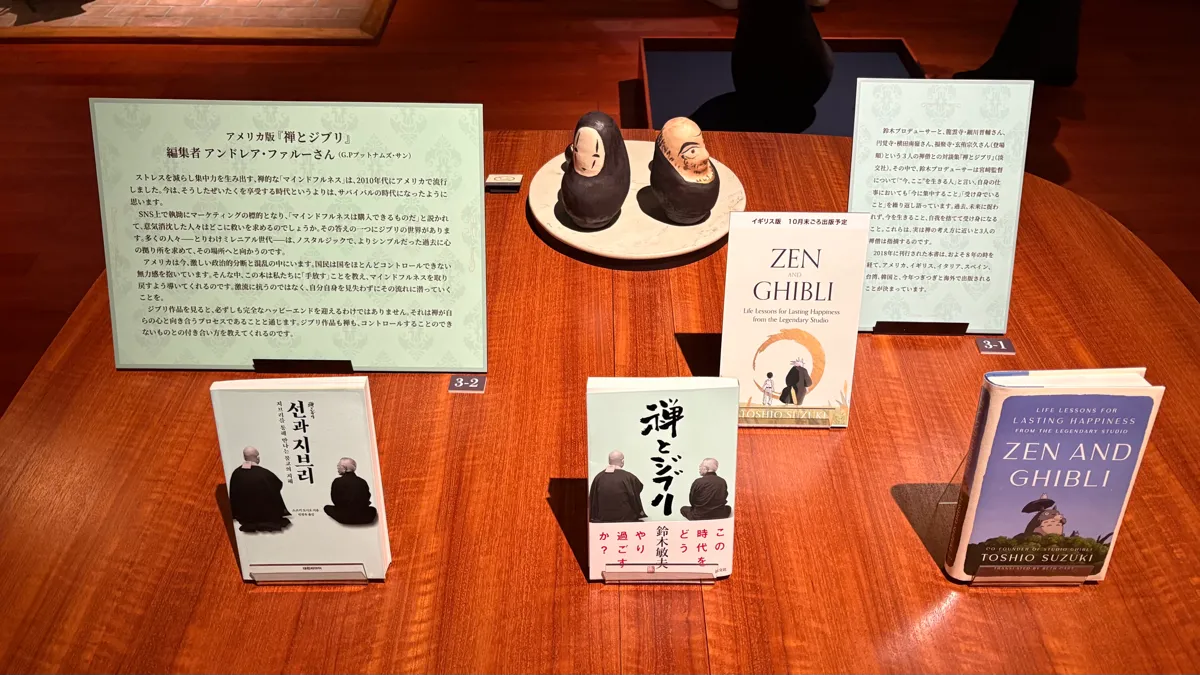
Chapter 3, “Where Things Are Born,” moves into displays based on Zen and Ghibli, the book that became the starting point for the exhibition, as well as displays that pair scenes from Ghibli works with Zen sayings.
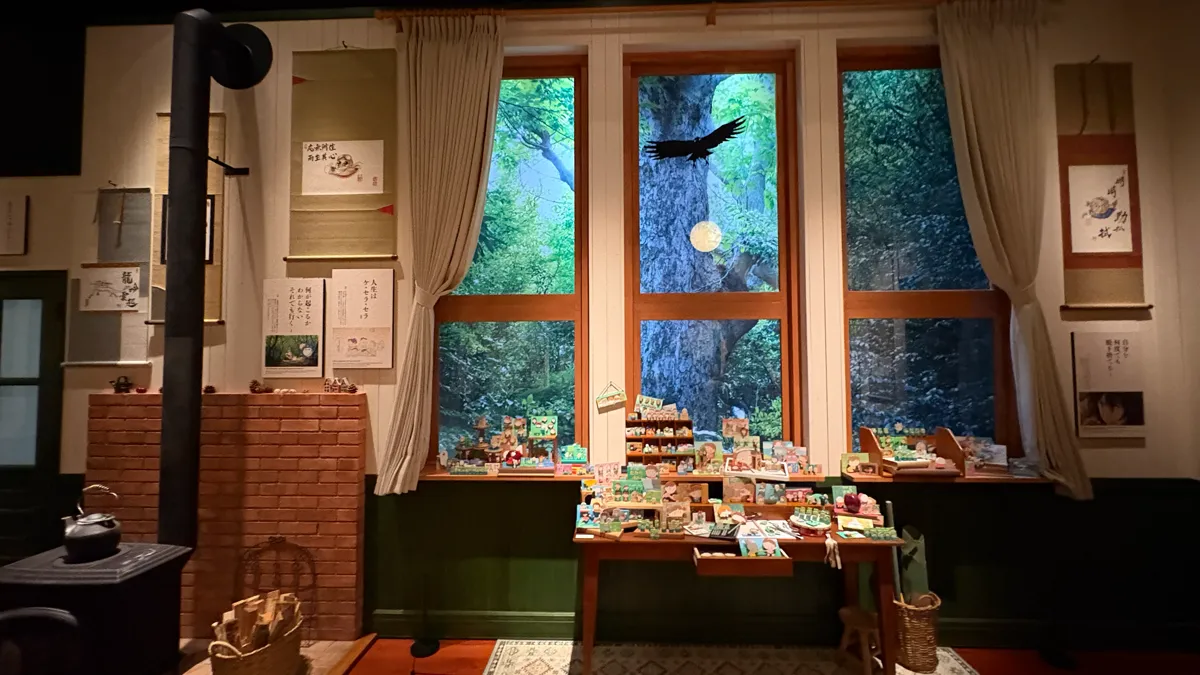
From here, the exhibition becomes less about simply “looking at scenes from the films” and more about taking time to consider those scenes from another angle.
“Ghibli Zen”: Ghibli scenes paired with Zen sayings
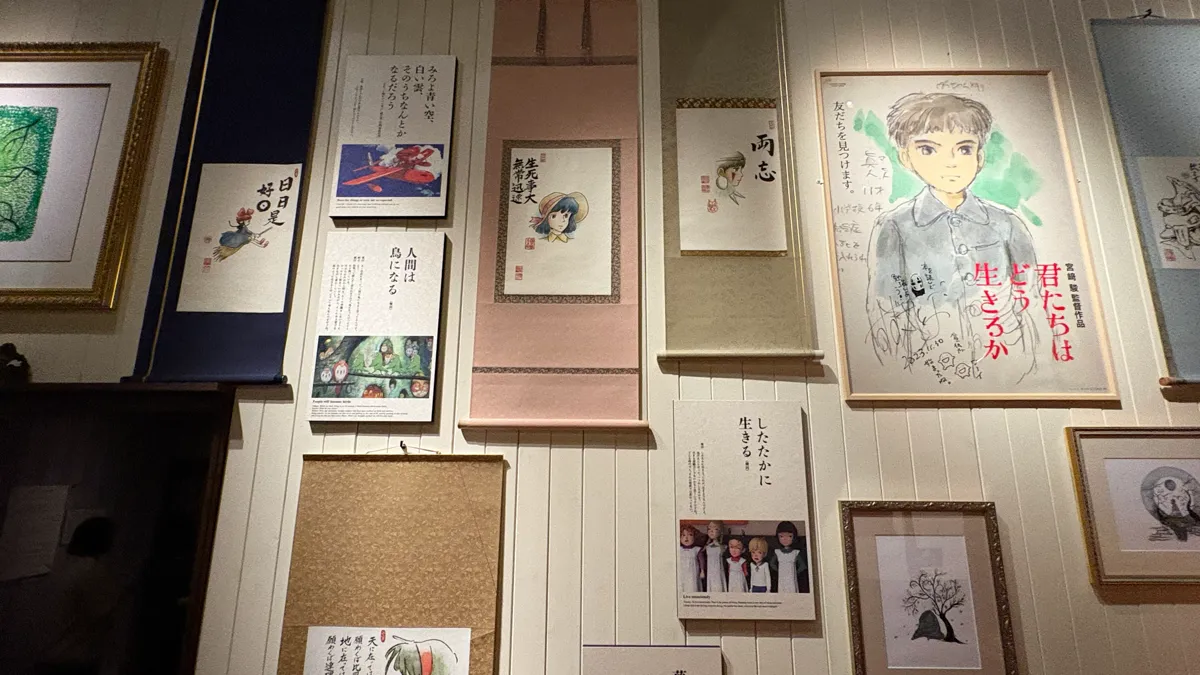
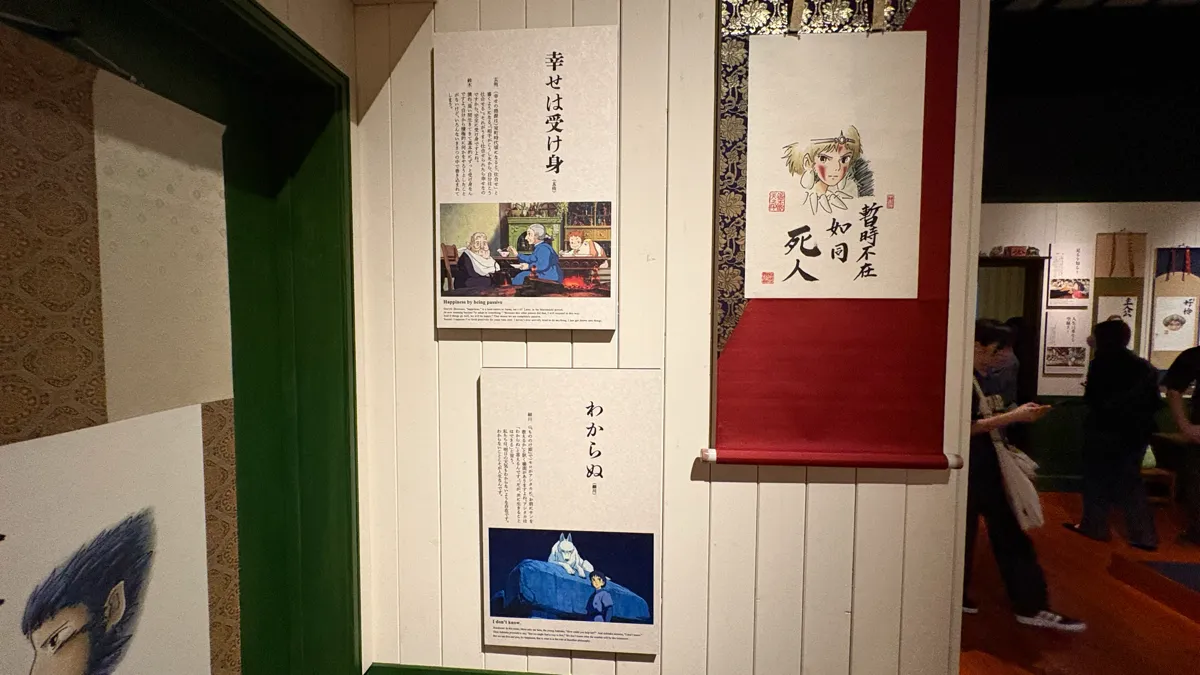
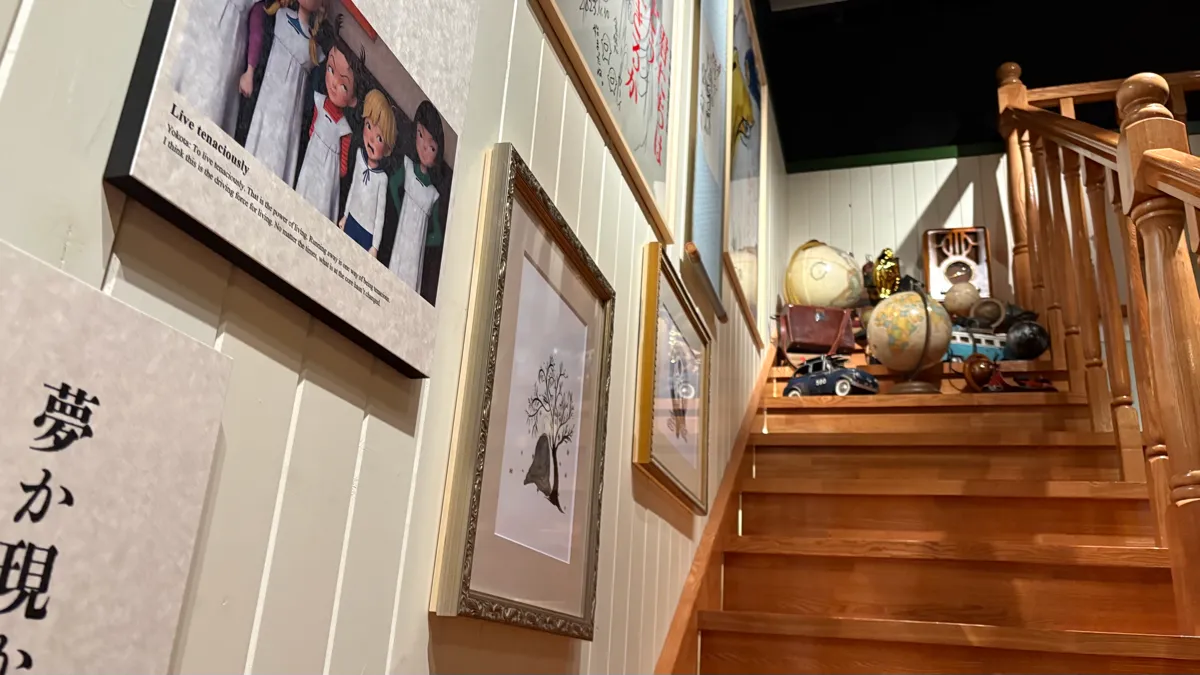
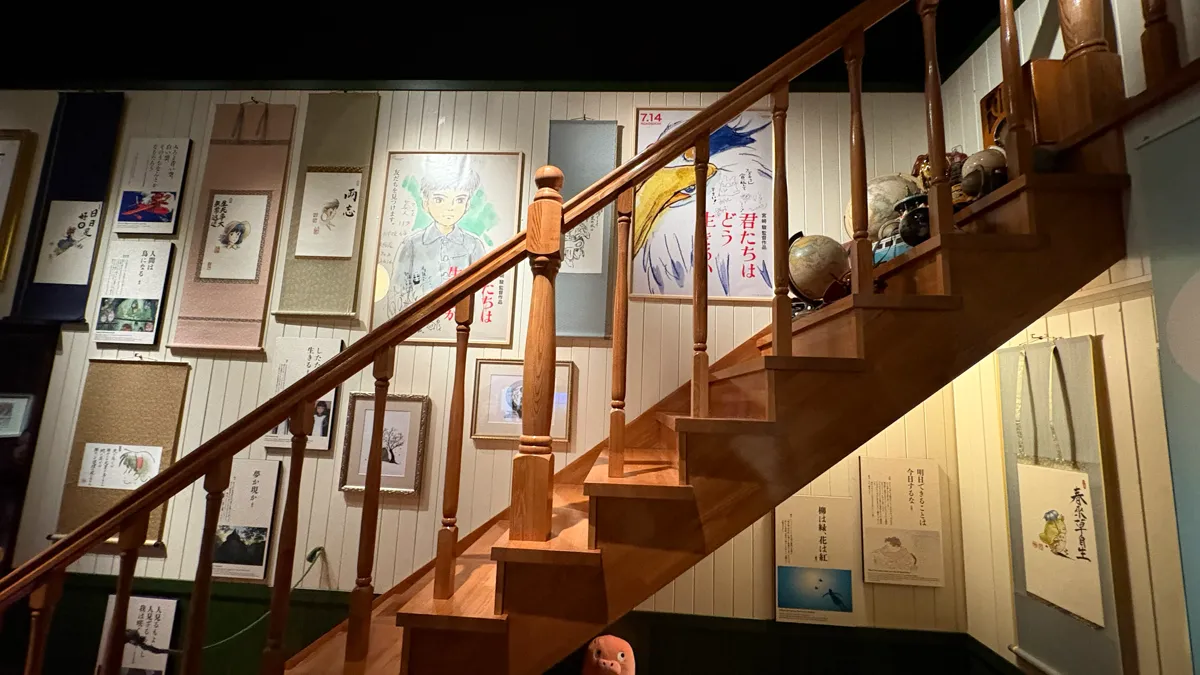
In “Ghibli Zen,” scenes from Ghibli works are paired with Zen sayings.
Even familiar characters and scenes can leave a different impression when viewed together with words from Zen.
Rather than searching for one correct answer, this is a place to enjoy noticing what you feel and thinking, “This scene can also be viewed in this way.”
You can actually touch and enjoy the self-righting dolls
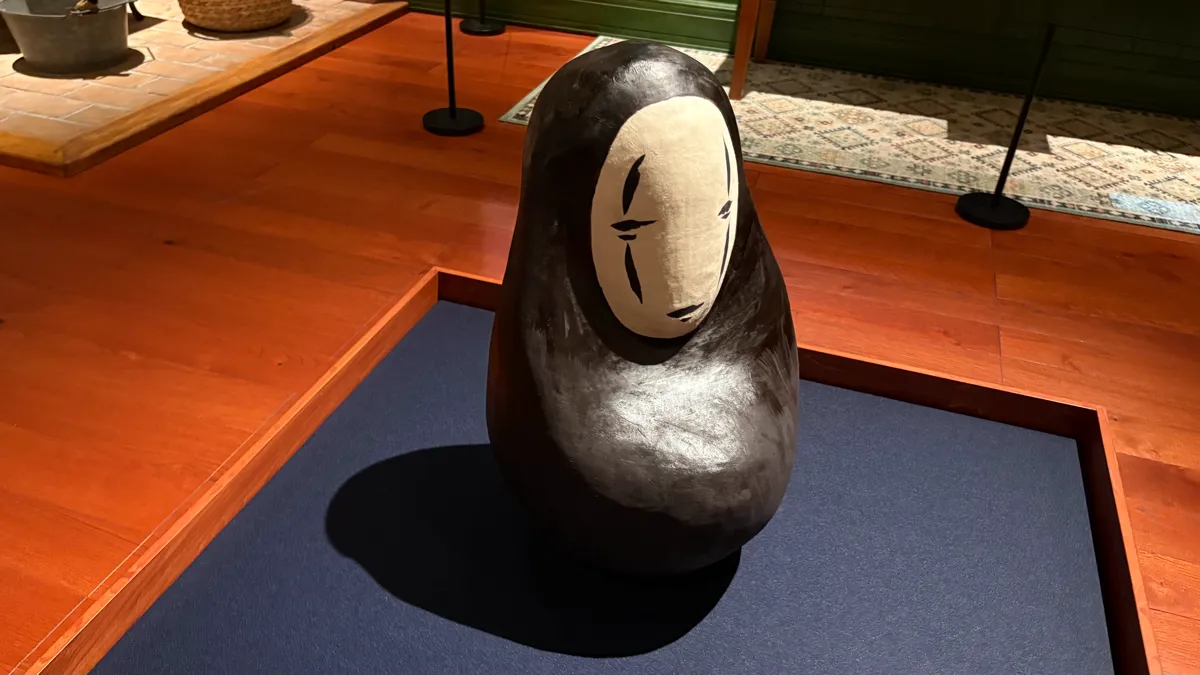
In this area, the self-righting dolls are not just for looking at—you can actually touch them.
The exhibit introduces the connection between Zen and the way they stand back up no matter how many times they are knocked over, and the gallery talk also encouraged visitors to “go ahead and touch them.”

The Robot Soldier from Castle in the Sky and No-Face from Spirited Away appear as self-righting dolls.
“The Day the Heron Man Was Born” and Mahito’s room
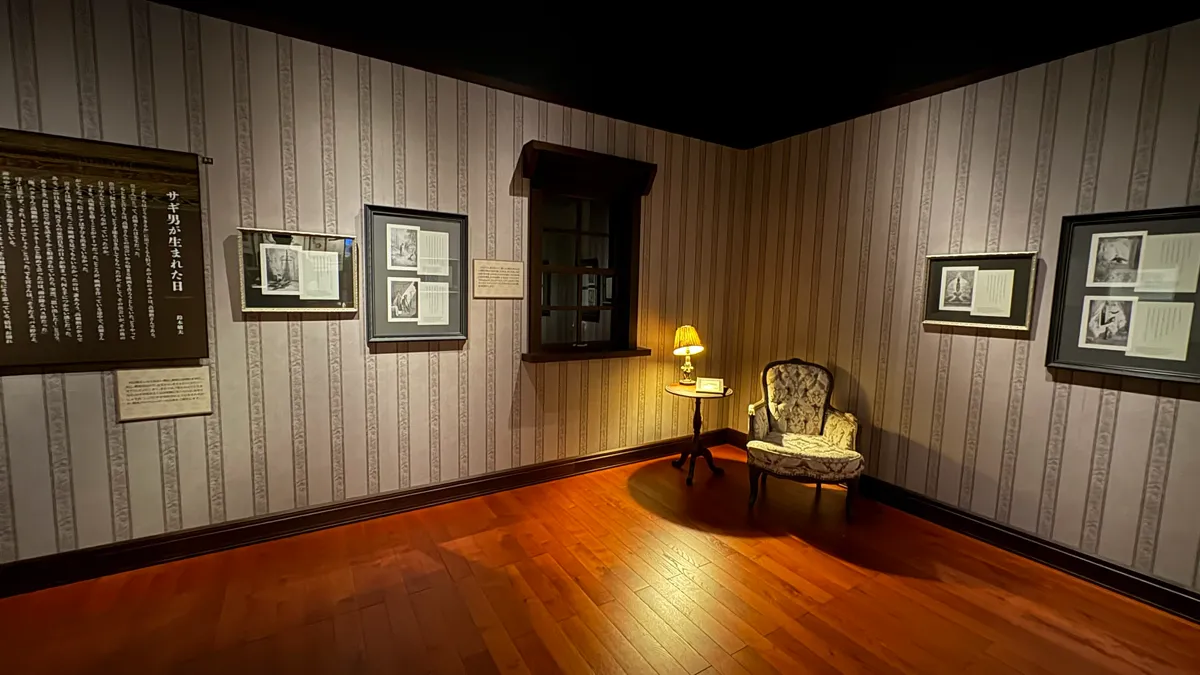
If you want to learn more about The Boy and the Heron, take time to read “The Day the Heron Man Was Born.”
The displayed text brings visitors closer to the thoughts and feelings from which the work took shape—background that was not discussed in detail when the film was released.
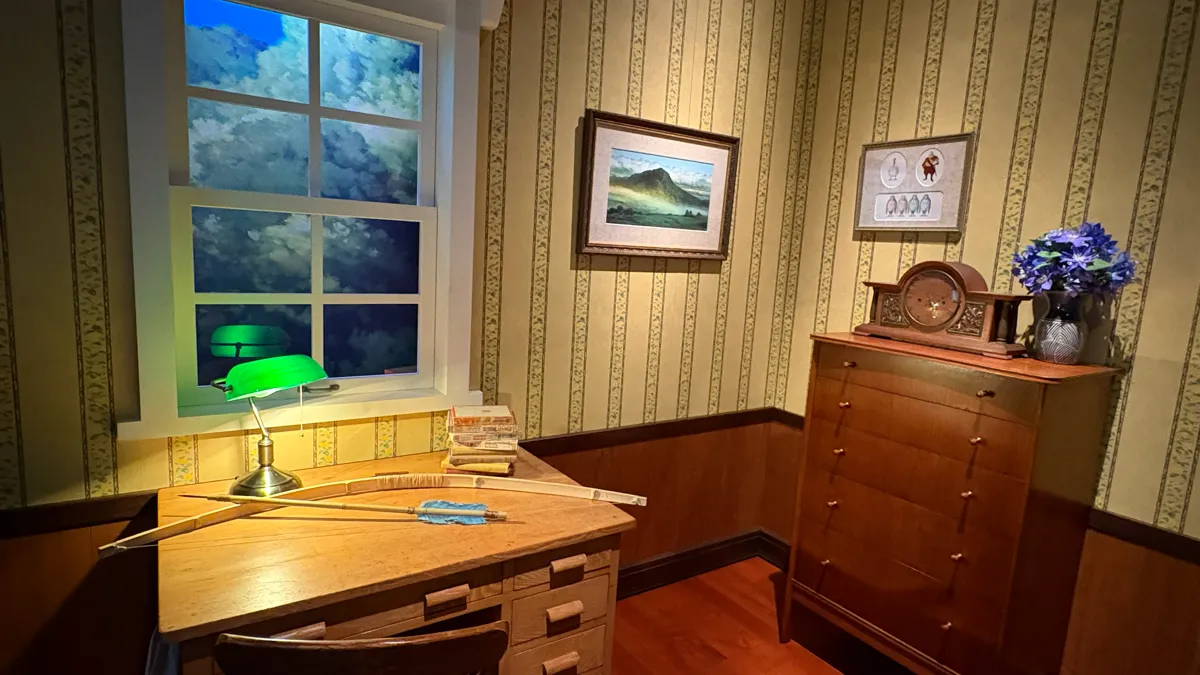
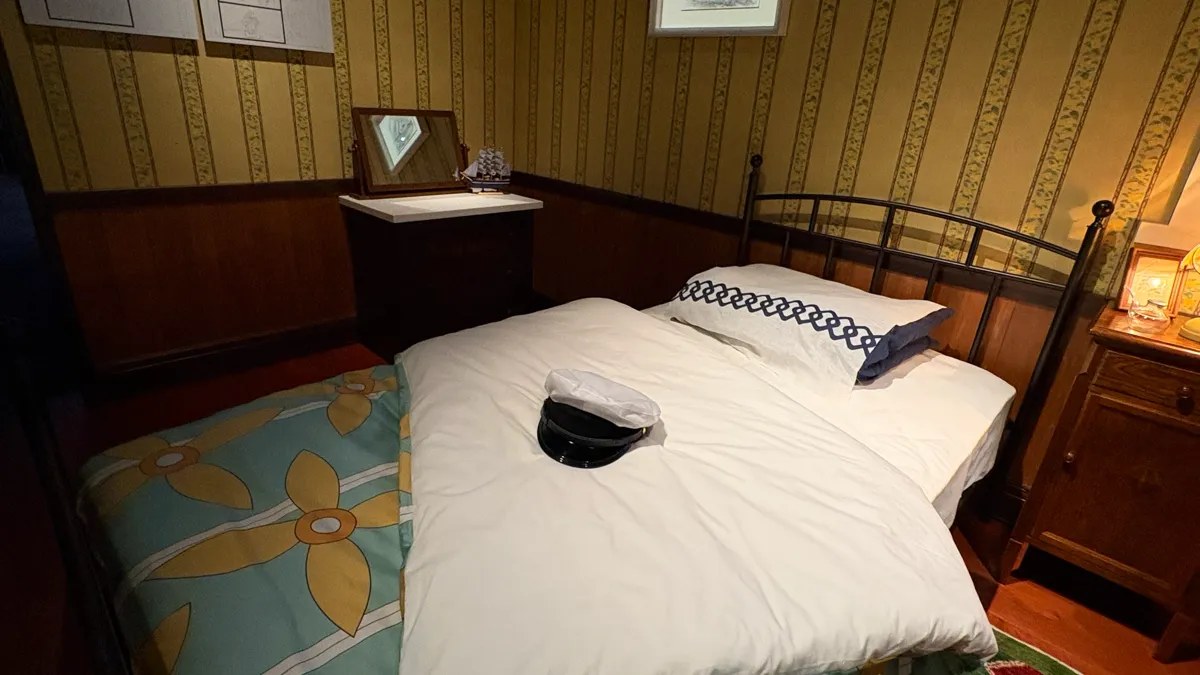
There is also a section centered on the protagonist Mahito’s room, inviting visitors to consider what Mahito was thinking about and carrying inside while he was alone.
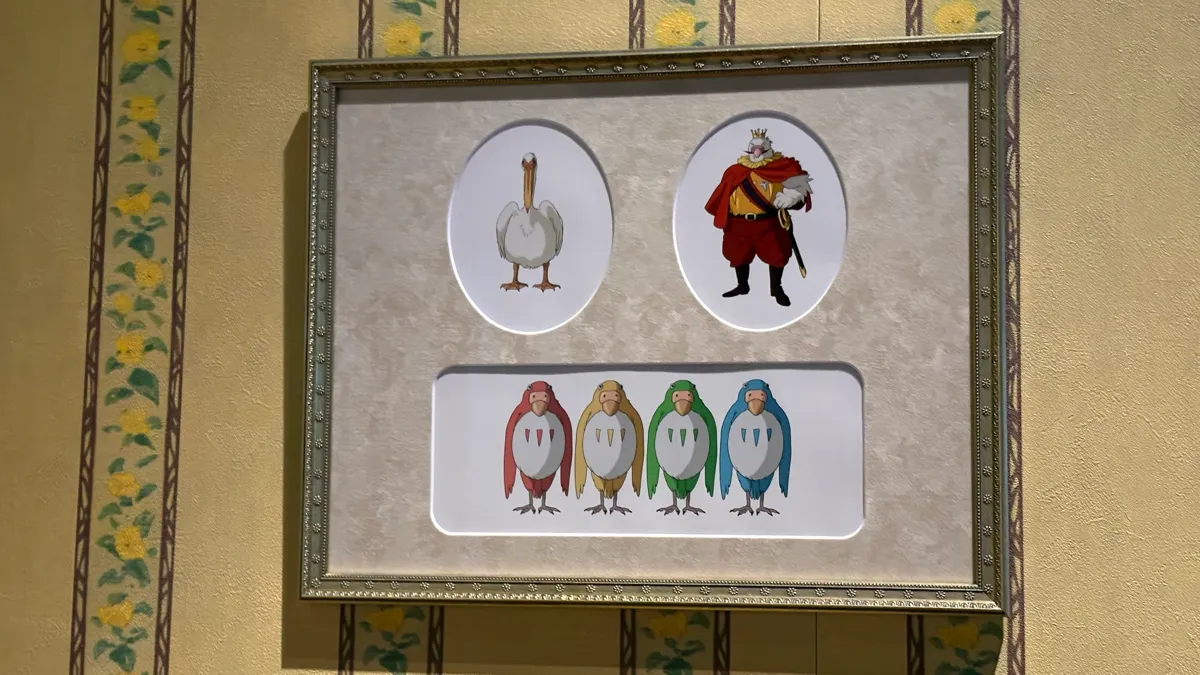
It feels like retracing at the exhibition the parts of the film that may have been difficult to fully grasp after just one viewing.
Chapter 4: “Zen” — The exhibition moves into an even deeper world
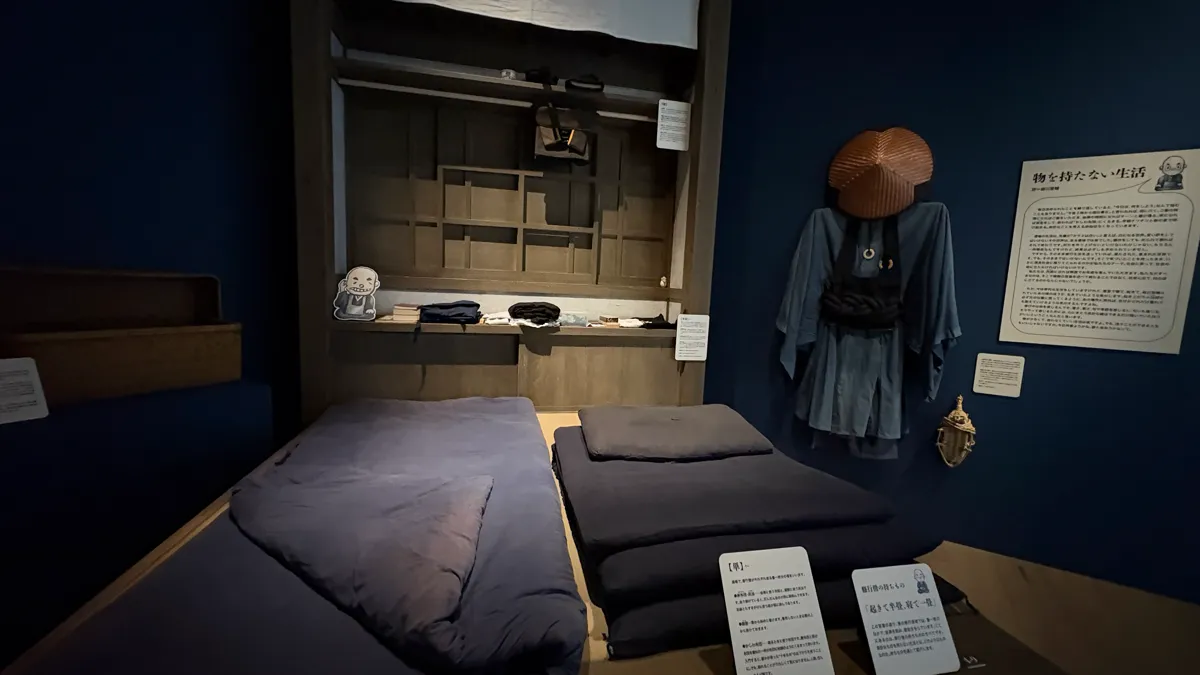
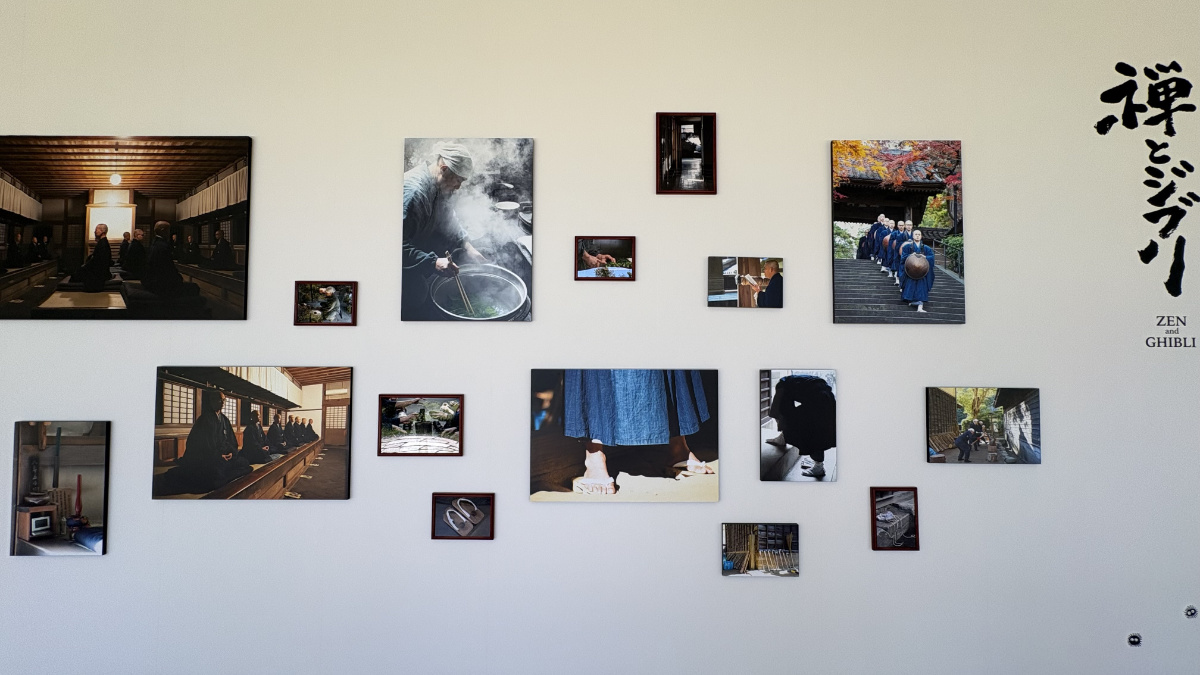
This section continues with a range of displays related to Zen, including figures who appeared in the book Zen and Ghibli.
I was struck by the sheer size of the painting of Hakuin, who appeared in the book’s first installment.
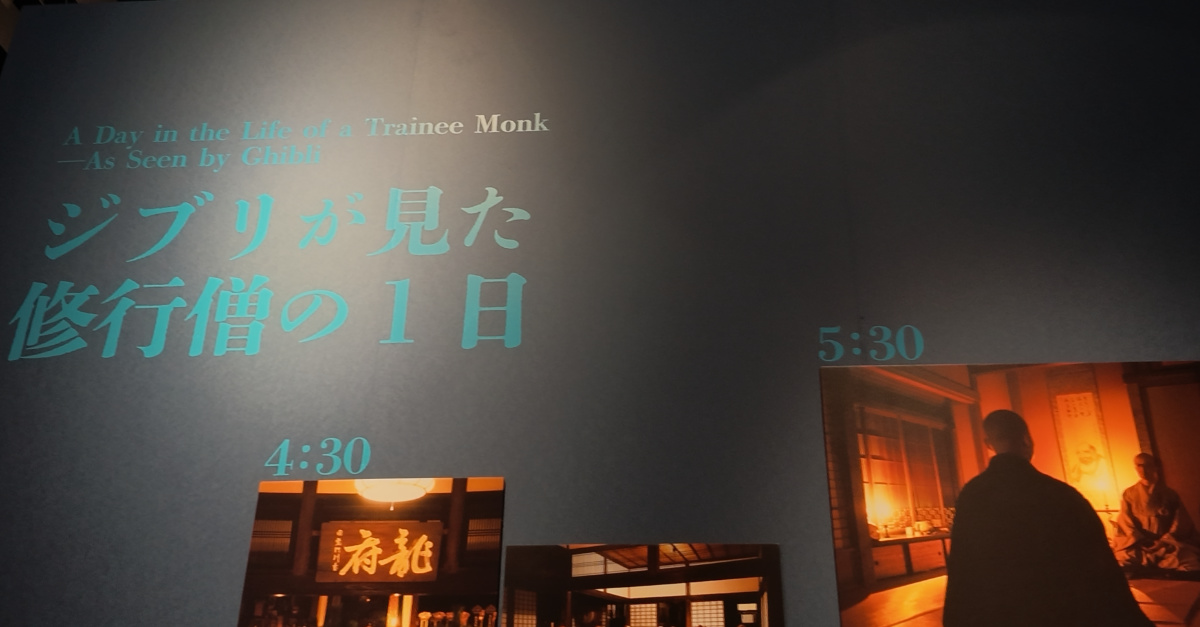
If you read Zen and Ghibli before visiting, the backgrounds of the people and words connect more easily, making this an area you can appreciate on a deeper level.
There are also displays about Kazuo Inamori, the Kyocera founder known as a “god of management,” including scenes of his Zen practice at Enpuku-ji Temple in Kyoto and calligraphy bearing the phrases “altruistic mind” and “revere heaven, love people.”
Chapter 5: “How to Get Through This Era” — Take Toshio Suzuki’s words home with you
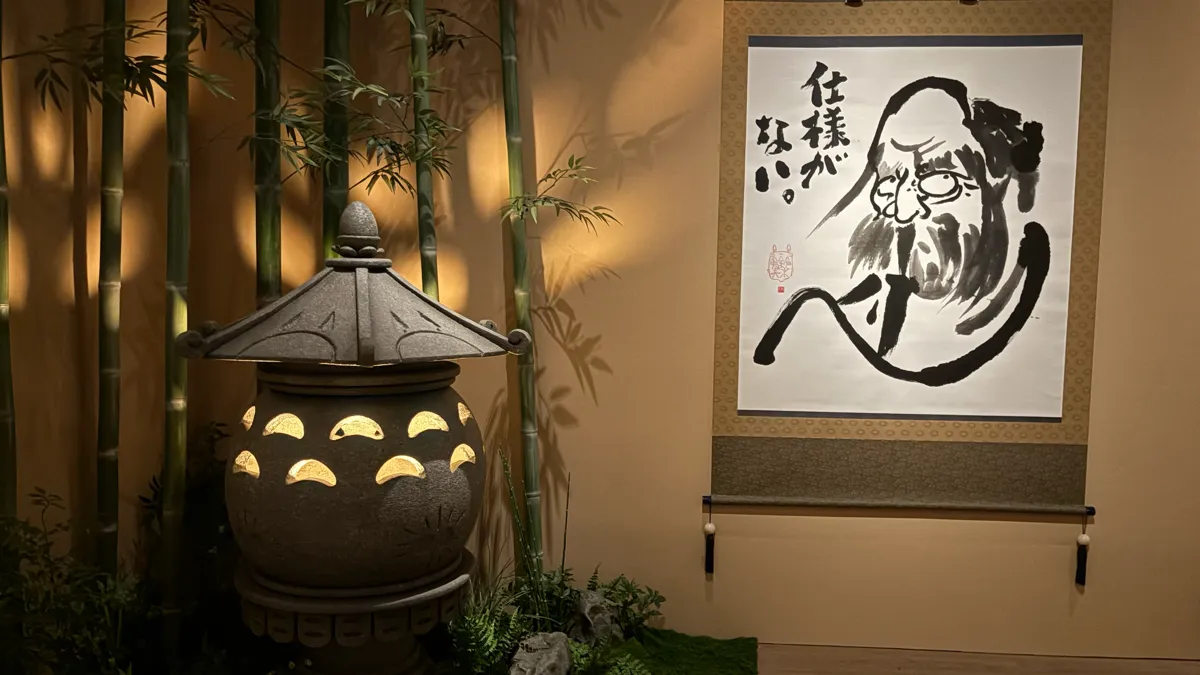
The final Chapter 5 is titled “How to Get Through This Era.”
Words and calligraphy written by producer Toshio Suzuki are displayed throughout the space.
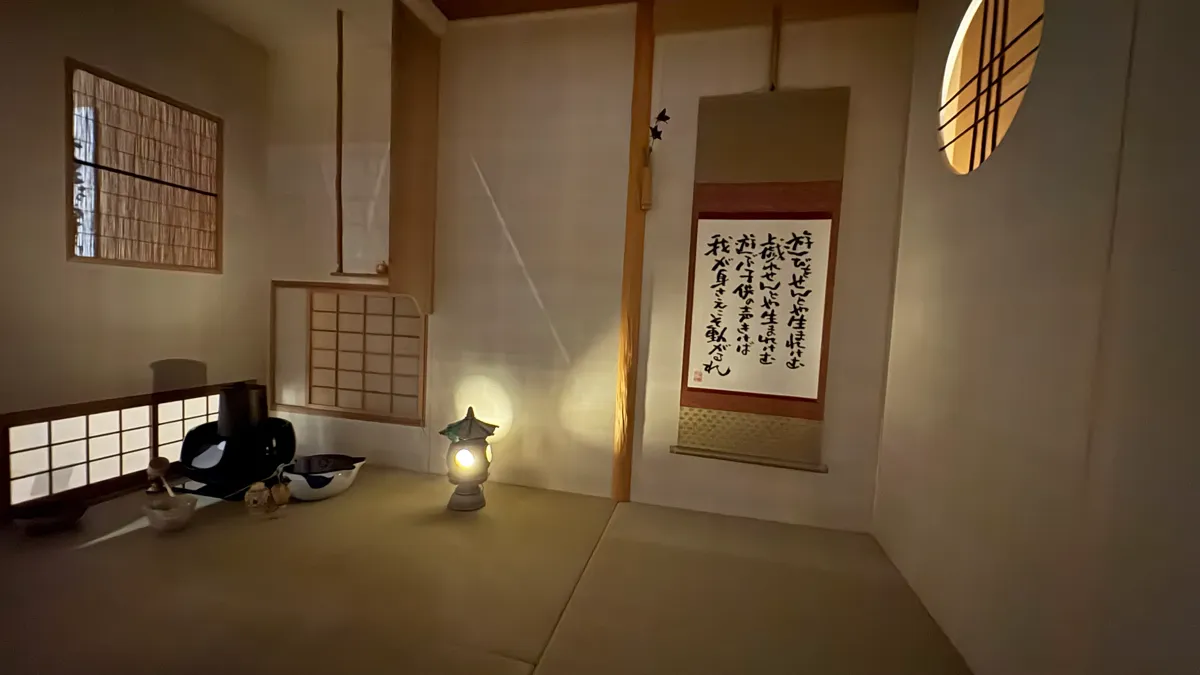
Rather than presenting only difficult Zen phrases, the exhibition puts words Suzuki values into contemporary language, with the hope that visitors will “take home even one or two phrases.”
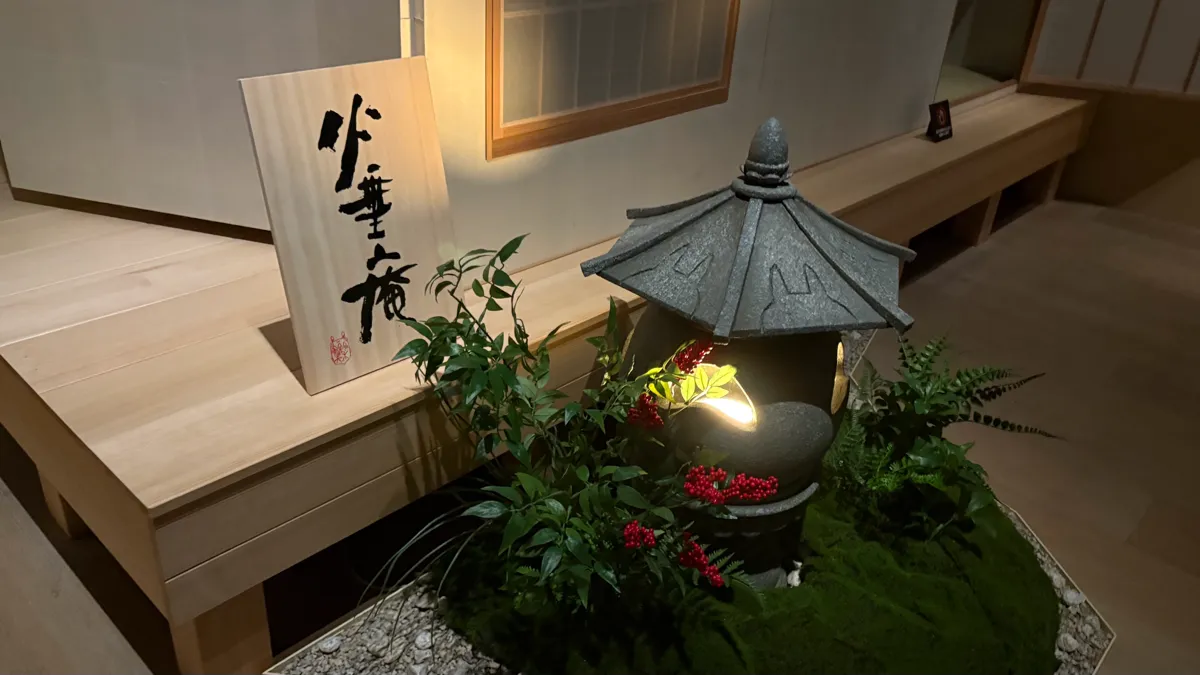
After seeing everything up to this point, you may find a phrase that catches on something you are feeling right now.
Instead of trying to understand everything, look for one phrase that makes you think, “This is the one that stayed with me today.” That is a fitting way to enjoy this chapter.
Look for the “hidden Totoro” at the venue
The exhibition also has a playful little feature.
There is a video at the venue in which a “hidden Totoro” appears, but it may be hard to spot because “it does not show up very often.”
You might feel lucky if you find it!
Small discoveries like this are part of the fun of a Ghibli exhibition.
※The hidden Totoro footage is introduced in the video.
Recommended ways to enjoy the “Zen and Ghibli” Kyoto Exhibition
Rather than moving quickly from one three-dimensional display to the next just to take photos, the “Zen and Ghibli” Kyoto Exhibition becomes more interesting when you switch among “looking, listening, reading, and thinking.”
- In Chapter 1, look closely at the doors and small props while enjoying the feeling of entering the Ghibli world.
- In Chapter 2, listen to the voices of Hayao Miyazaki and producer Toshio Suzuki, including the pauses in their conversation.
- In Chapter 3, take time to read about the production background and written materials for The Boy and the Heron.
- From Chapter 4 onward, instead of trying to “understand everything,” find the people and words that catch your interest.
- At the end, look for one phrase you want to take home with you.
Ghibli fans can have fun searching for small motifs from the films, while visitors who do not know much about Zen can use the works as an entry point into its way of thinking.
With friends, it can be interesting to ask each other, “Which words stayed with you?” If you are on your own, the exhibition also makes it easy to take in the text and audio at your own pace.
The venue also has a system that lets visitors read exhibition texts later via QR code, and it was explained that a free audio guide is planned to become available around mid-October. Check the official information at the venue for the start date and how to use it.
Dates, venue, and admission fees for the “Zen and Ghibli” Kyoto Exhibition
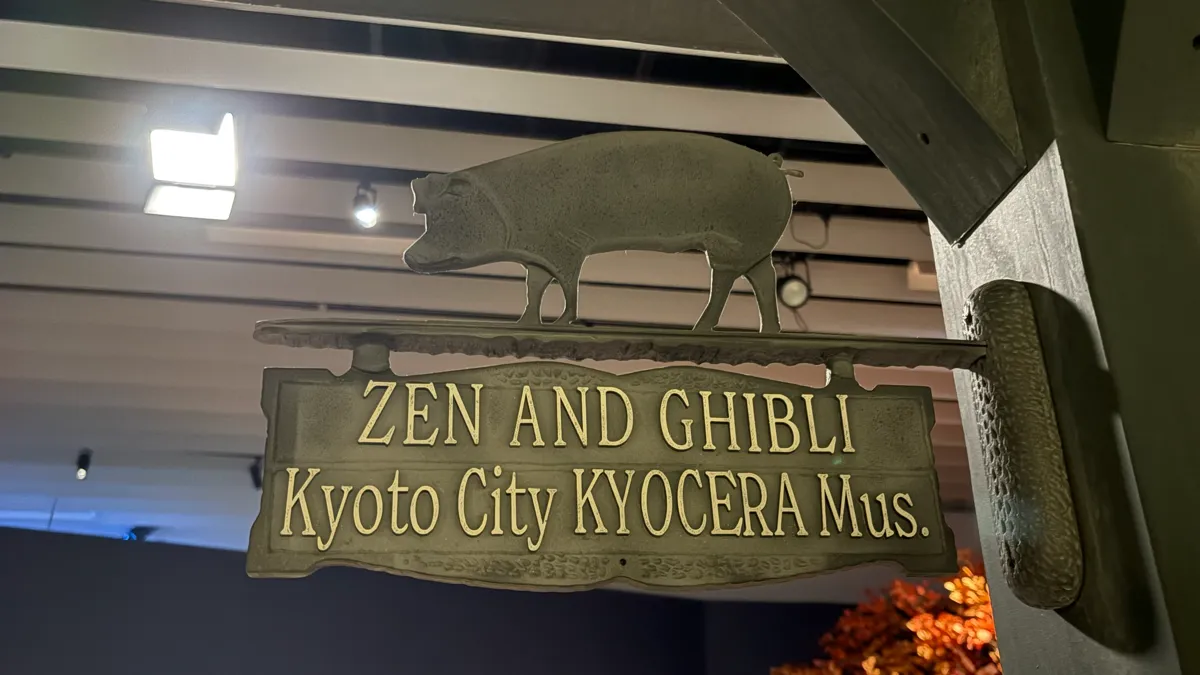
The exhibition runs from Saturday, October 3 through Sunday, December 6, 2026. The venue is the Higashiyama Cube in the new wing of the Kyoto City KYOCERA Museum of Art.
- Dates: Saturday, October 3–Sunday, December 6, 2026
- Hours: 10:00 a.m.–6:00 p.m. (last admission at 5:30 p.m.)
- Venue: Kyoto City KYOCERA Museum of Art, New Wing, Higashiyama Cube
- Closed: Mondays (open when Monday is a public holiday)
- Adults and university students: ¥1,900
- Junior high and high school students: ¥1,500
- Elementary school students: ¥1,100
Prices shown include tax. Admission is free for preschool-age children.
The venue shop cannot be used on its own; it is available to visitors who have viewed the exhibition.
Depending on crowd levels, a reservation-priority system may be introduced. Check the exhibition’s official website for the latest information before visiting.
“Zen and Ghibli” Kyoto Exhibition: Summary
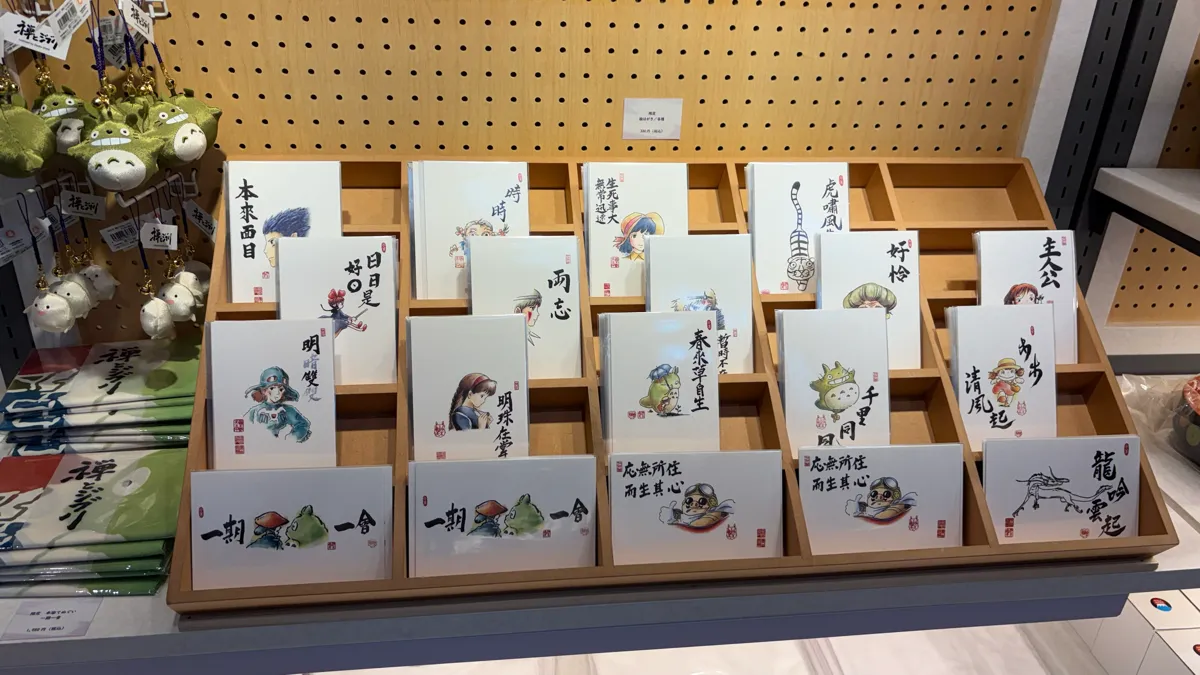
The “Zen and Ghibli” Kyoto Exhibition is neither simply an exhibition that lines up Ghibli works nor one that only gives difficult explanations of Zen.
Centered on The Boy and the Heron, one of its main attractions is the way your viewpoint moves back and forth—from Ghibli works to Zen and from Zen back to the works—just as the characters move between “that world” and “this world.”
The three-dimensional exhibits of No-Face, Yubaba, and Howl are exciting on their own, but as you continue to the conversation between director Hayao Miyazaki and producer Toshio Suzuki, the background of how the works were born, and the words of Zen, the same films may begin to look a little different.
You do not have to understand everything.
If one scene or one phrase remains with you when you leave the venue, perhaps that is exactly the kind of experience this exhibition is meant to create.
Can you enjoy the “Zen and Ghibli” Kyoto Exhibition without having seen The Boy and the Heron?
You can enjoy the three-dimensional displays, immersive spaces, and Ghibli characters such as Totoro and No-Face. However, because The Boy and the Heron is at the center of the exhibition, having seen the film will help you more deeply appreciate the meaning of elements such as the “Corridor of Time,” the Heron Man, and Mahito’s room.
Can children enjoy the exhibition too?
It is easy for children to enjoy the exhibition by looking for characters and three-dimensional displays. Hands-on exhibits such as the self-righting dolls and the hidden Totoro search can be especially fun for parents and children between the more text-heavy sections.
Can I enjoy it even if I do not know much about Zen?
Yes. The exhibition is structured so that visitors can enter through Ghibli works even without prior knowledge of Zen. Rather than trying to understand every meaning from the beginning, start with scenes from works you like or words that catch your attention, and you can naturally move into the exhibition’s theme.

Make the latest USJ and Kansai event updates
easier to find on Google.









![[USJ 25th Anniversary Parade] NO LIMIT! Parade ~Discover U!!! Version~: Best Viewing Spots, Stop Locations, and Every Float](https://happyell.co.jp/world/wp-content/uploads/2026/07/nolimitparade2026title-600x338.jpg)