What you’ll learn in this article
- Highlights and key exhibits in the expanded and revised edition of “Drawing Food.”
- Works you can photograph and recommended ways to pose in “Ghibli’s Famous Scenes: Step Into the Movies”
- Must-see exhibits at the venue, including the giant Haku dragon and the Kusakabe family home
At the Ghibli Park Exhibition in Osaka, you can enjoy two special exhibitions that were popular at Ghibli’s Grand Warehouse in one visit.
One is the expanded and revised edition of “Drawing Food.,” which explores why meals in Studio Ghibli films look so delicious through storyboards, background art, original drawings, and three-dimensional models. The other is “Ghibli’s Famous Scenes: Step Into the Movies,” where you can enter memorable scenes and take photos as though you were one of the characters.
This article is based on coverage from the press preview held on July 17, 2026. Some areas that cannot be photographed during regular admission were photographed with special permission.
(C)Studio Ghibli
The expanded and revised “Drawing Food.” exhibition is about more than just the dishes
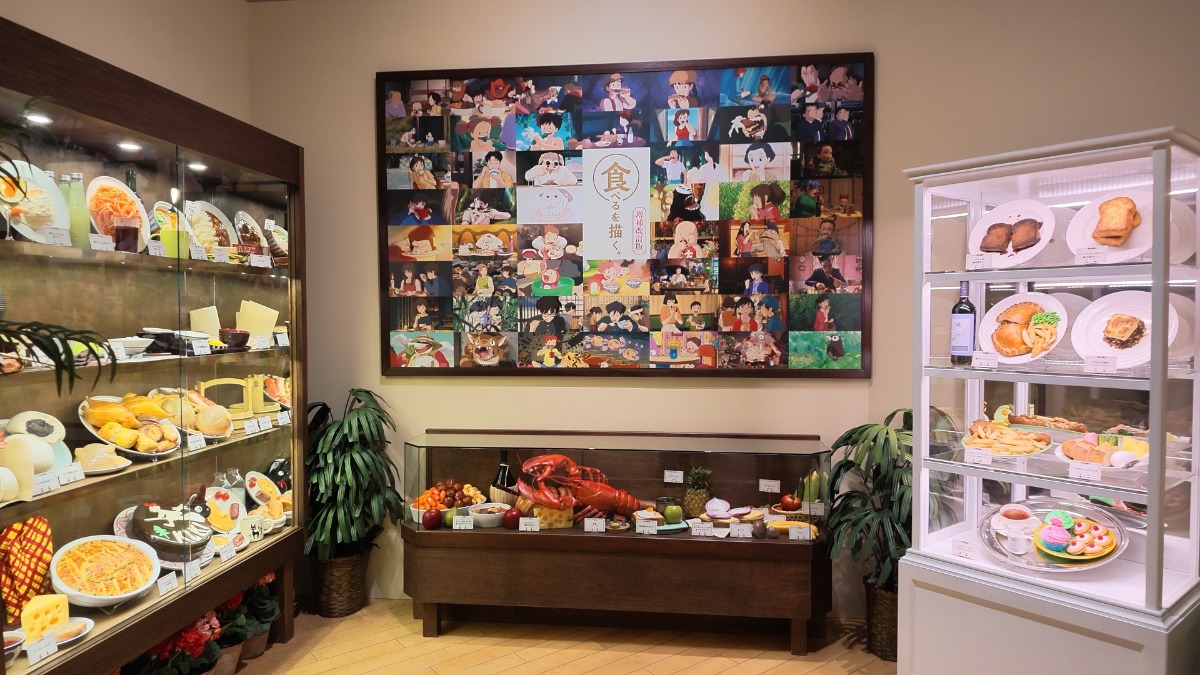
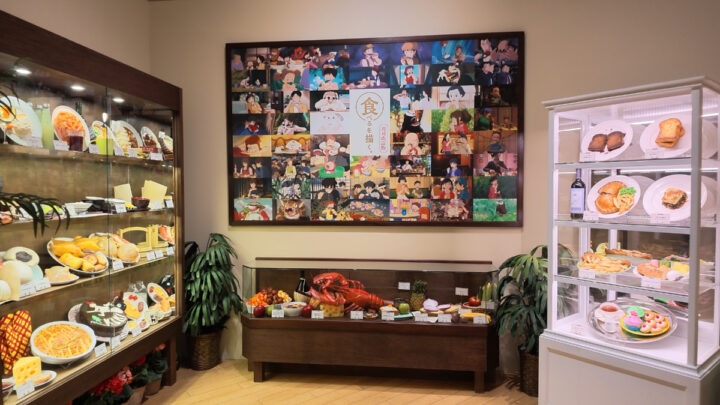
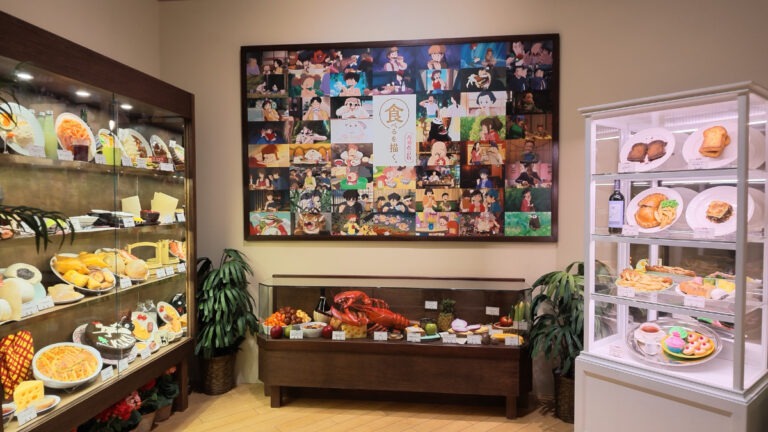
At the entrance, three-dimensional models of food from Studio Ghibli films are displayed alongside numerous still images.
It is fun simply to look for dishes you recognize, but the true highlight is the movement of the people eating. By observing hands, mouths, facial expressions, steam, and even bubbles in hot oil, you can see why the screen seems to convey warmth and aroma.
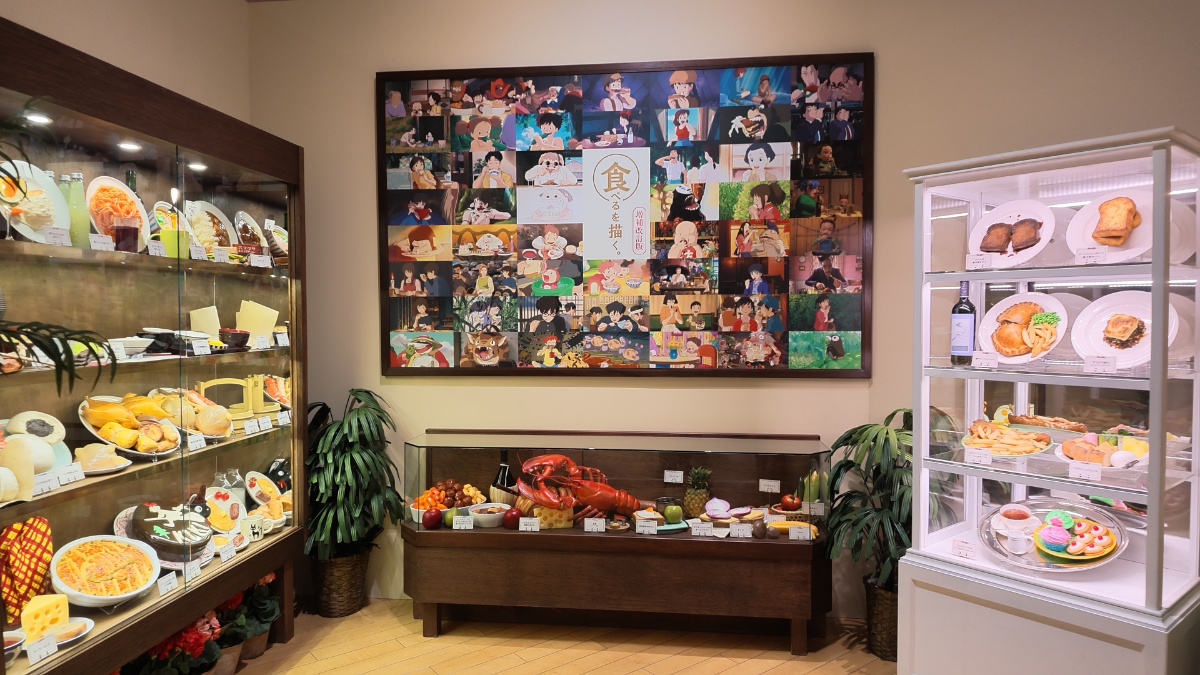
The exhibition room walls are lined with panels that bring together dishes and production materials from each film.
Rather than showing only the finished food, the display lets you compare who made it, where it was eaten, and what happened before and after the meal.
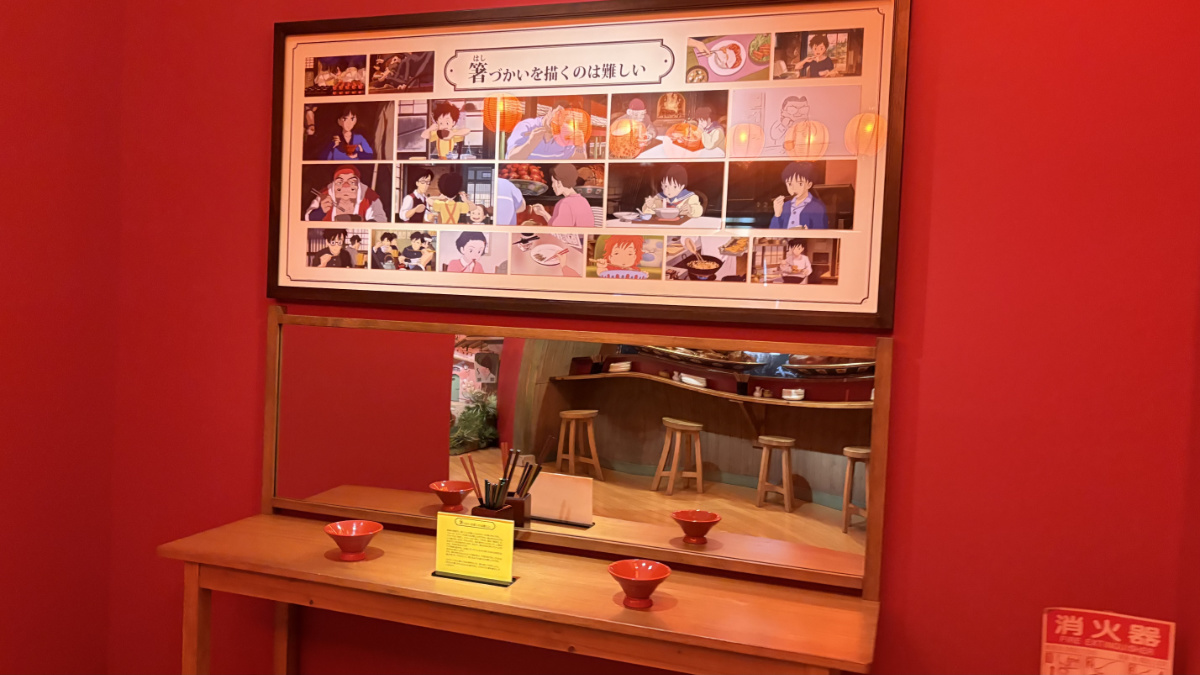
Chopstick movements differ from character to character
Among dining scenes, movements involving chopsticks are said to be especially difficult to animate.
Each character’s individuality appears in the way they hold the chopsticks and move their wrists.
In the exhibition, a bowl and chopsticks are placed in front of a mirror so you can compare your own movements with those of the characters on screen.
In Castle in the Sky, the way characters eat reveals their personalities
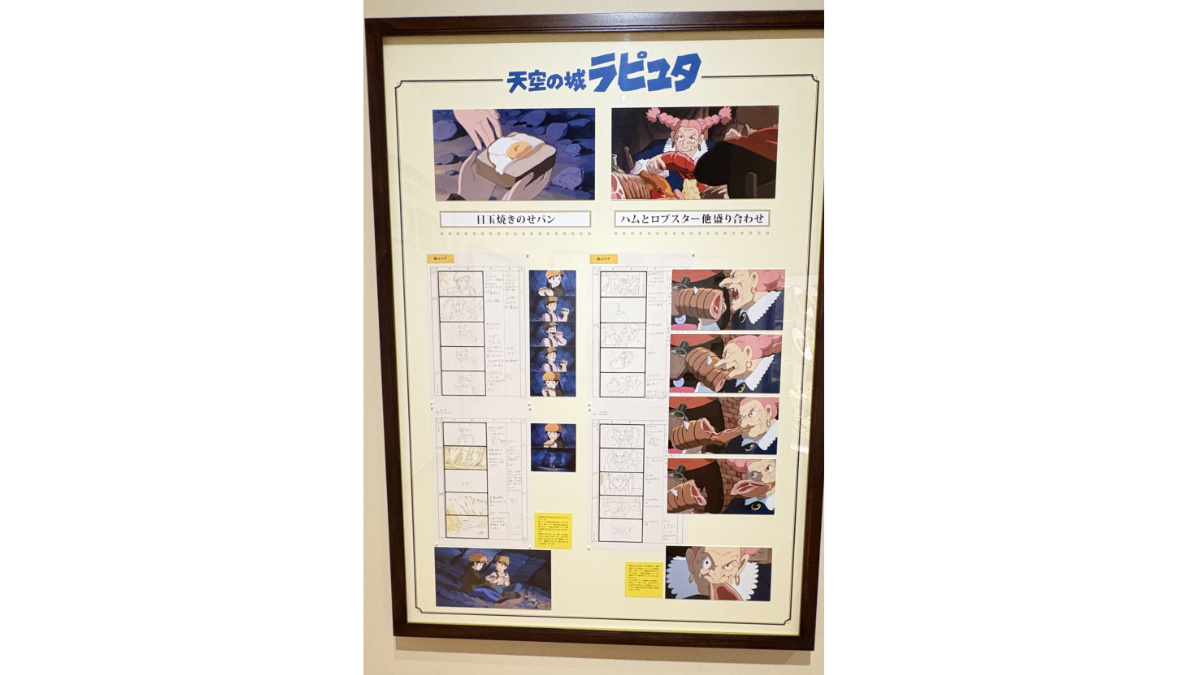
The egg-on-toast that Sheeta and Pazu eat while taking a break in a dark mine after escaping the military is brief but unforgettable.
The storyboard includes notes about “Pazu’s proud expression after Sheeta praises him” and directions to depict the motion of biting into the fried egg.
Meanwhile, Dola takes a bold bite from a large ham. The size of the food and the movement of her mouth express Dola’s strength.
In this way, the characters’ personalities and emotions are conveyed through how they eat.
In Spirited Away, the food stall turns deliciousness into fear
In Spirited Away, Chihiro’s father and mother begin eating the food at an unattended stall without permission.
The exhibit recreates the red curtain, wooden counter, and round stools in three dimensions. Viewed from the entrance, it recalls the film scene in which they enter the shop without knowing what awaits them.
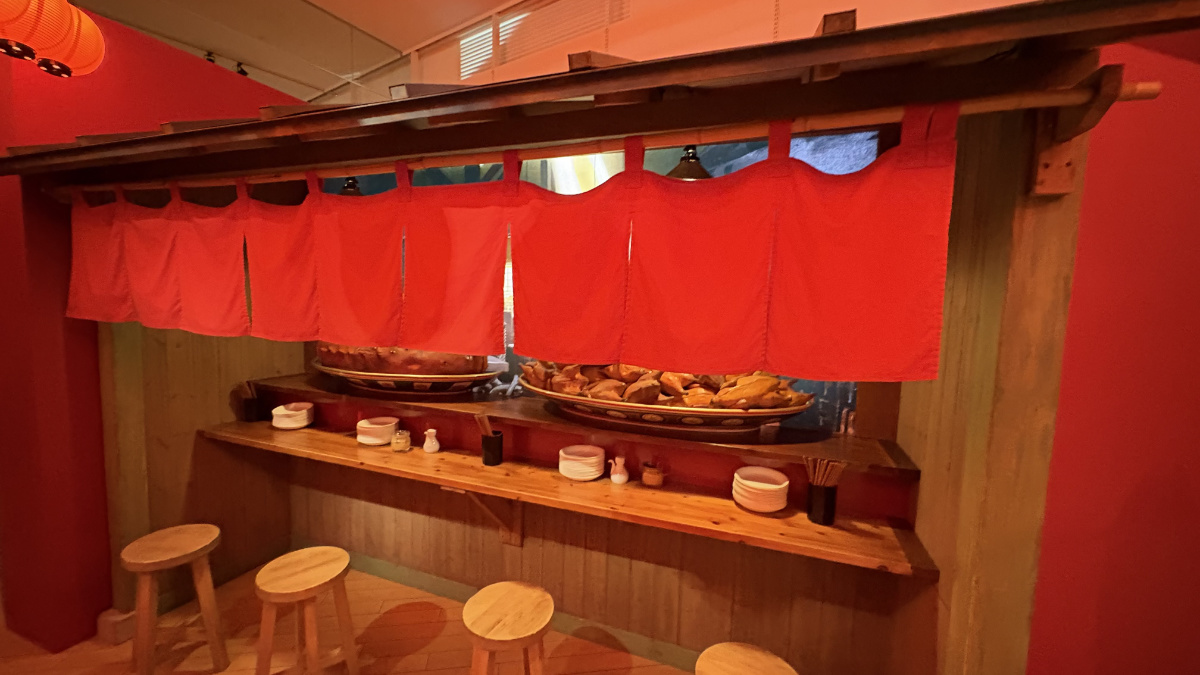
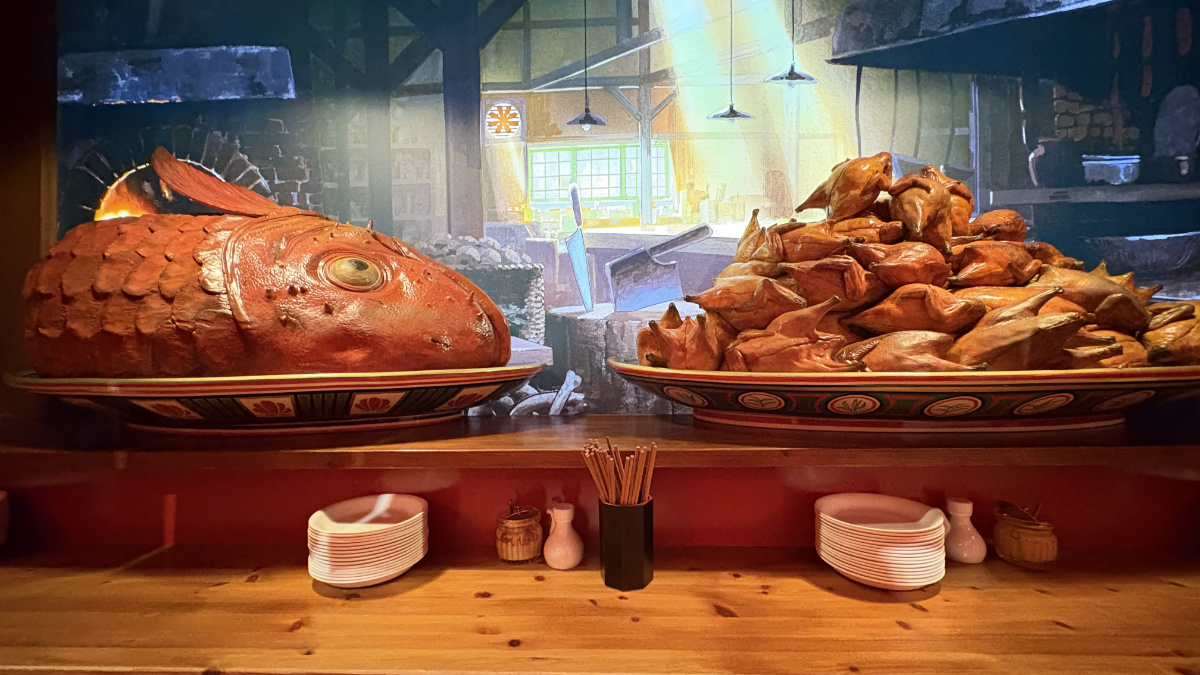
Large fish and meat dishes fill the plates on the counter.
Each item looks appetizing on its own, but the combined quantity and scale also create an unsettling sense that the parents’ appetite will not stop.
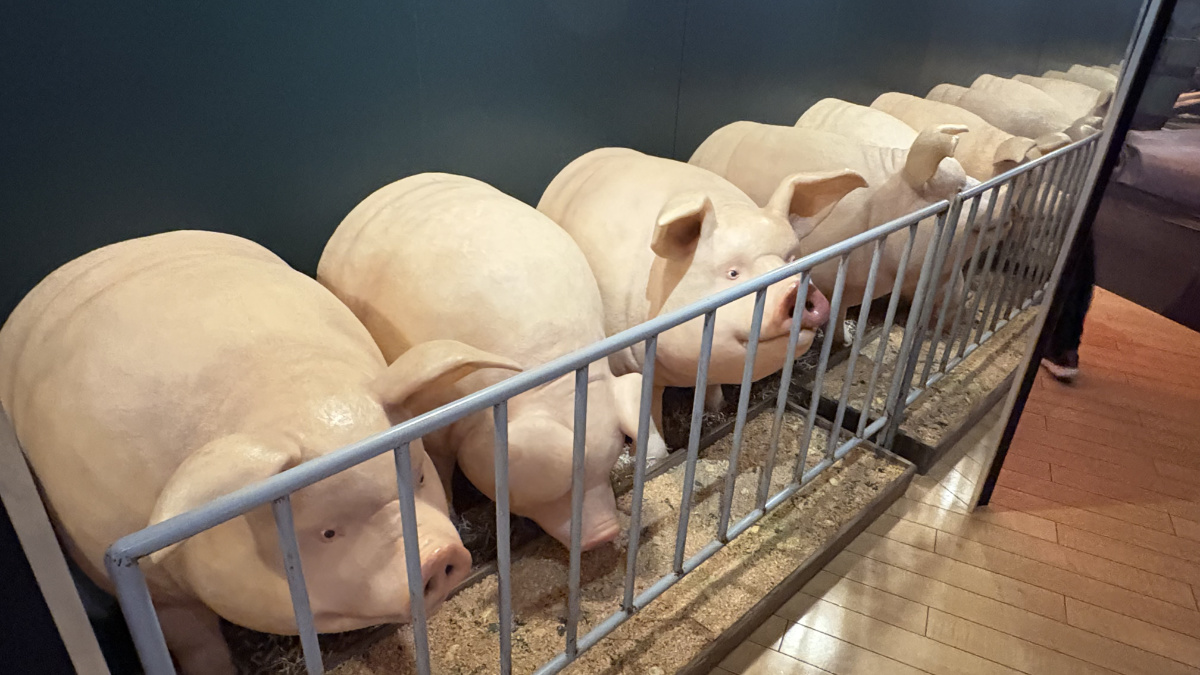
The scene in which Chihiro’s parents turn into pigs after continuing to eat is also represented in three dimensions.
By viewing the food, the tempting motions of eating, and the transformation into pigs in sequence, you can see that in this film, eating is not merely comforting but an act that dramatically drives the story forward.
The Kusakabe family home in My Neighbor Totoro reveals everyday life through its kitchen
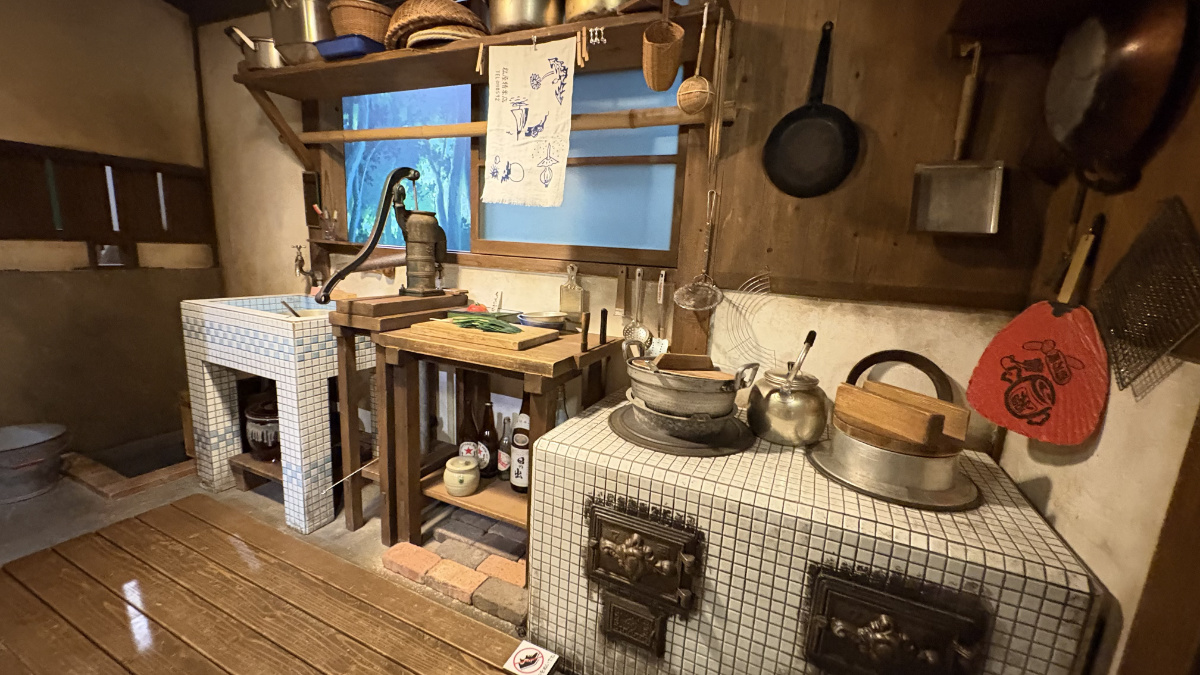
My Neighbor Totoro recreates the kitchen, dining table, and bath at the Kusakabe family home where Satsuki and Mei move.
The kitchen includes a traditional stove, pots, a cupboard, a worktable, and windows. Beyond the food itself, the space helps you understand the setting in which the family prepared its meals.
An old-fashioned stove, pots, a kettle, and a hand pump are arranged as though cooking were still in progress.
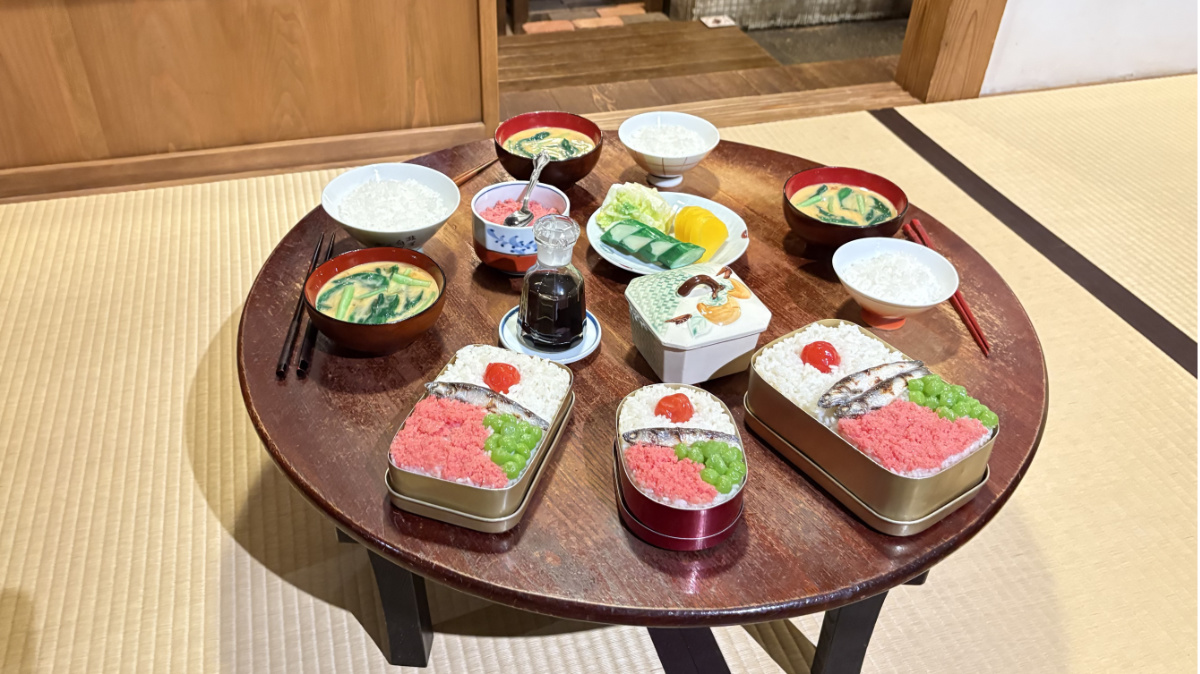
On the low dining table are lunch boxes for the father, Satsuki, and Mei, along with their meal.
Even the differences in lunch-box size and portion amount suggest something about each family member.
The Kusakabe family bath is also recreated
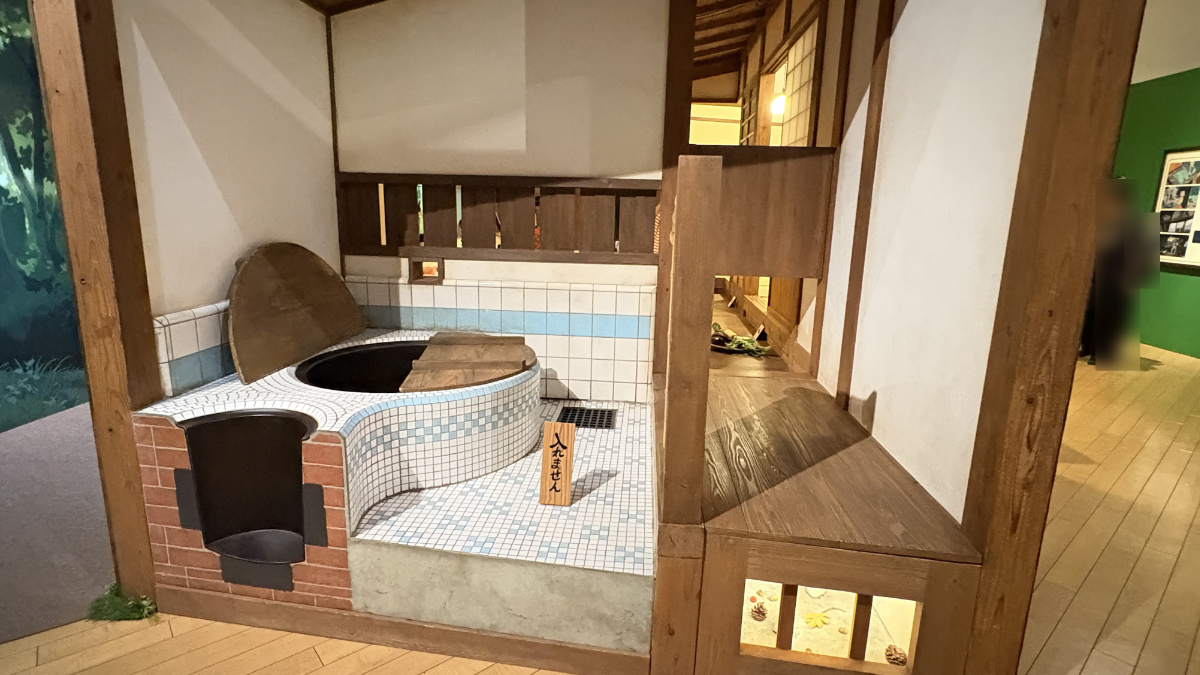
Beyond the kitchen and dining table, the bath where the family bathed together has also been recreated.
It includes a round tub, tilework, a wooden floor, and a changing area.
Small Totoro and Medium Totoro are hidden under the floor
One easily missed detail in the Kusakabe home is Small Totoro and Medium Totoro hiding beneath the floor.
They are difficult to spot from an adult’s eye level, so look beneath the furniture and into low spaces. Children may find them first.
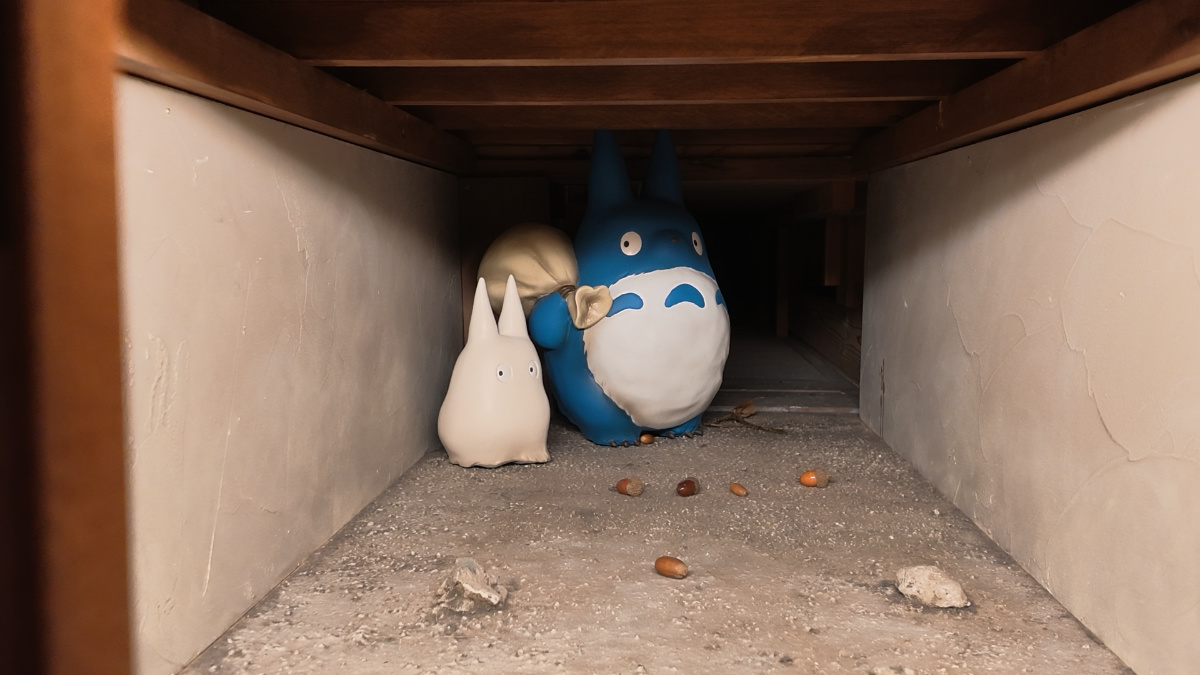
It is a small but delightful discovery.
Step into the working kitchen from From Up on Poppy Hill
The kitchen of Coquelicot Manor in From Up on Poppy Hill is where Umi prepares meals and lunches for the boarders. Looking at the types of tools and where they are placed helps you imagine the workflow required to cook for a large group.
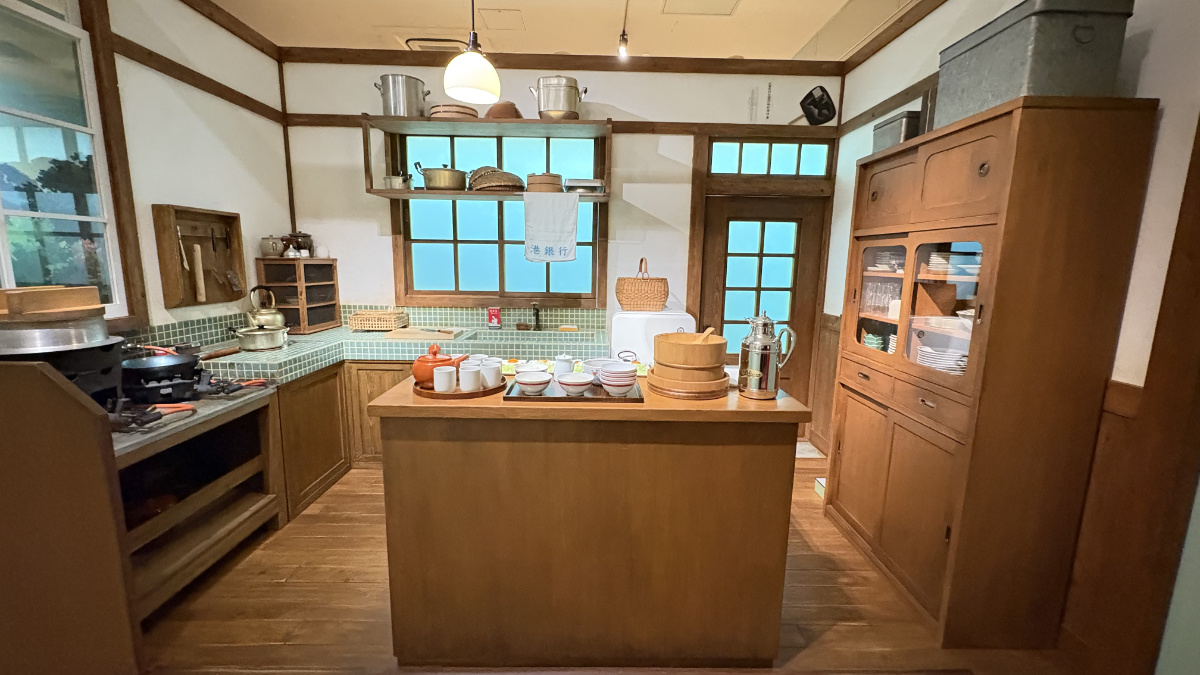
Signs of daily life extend to the sink and the view outside the window
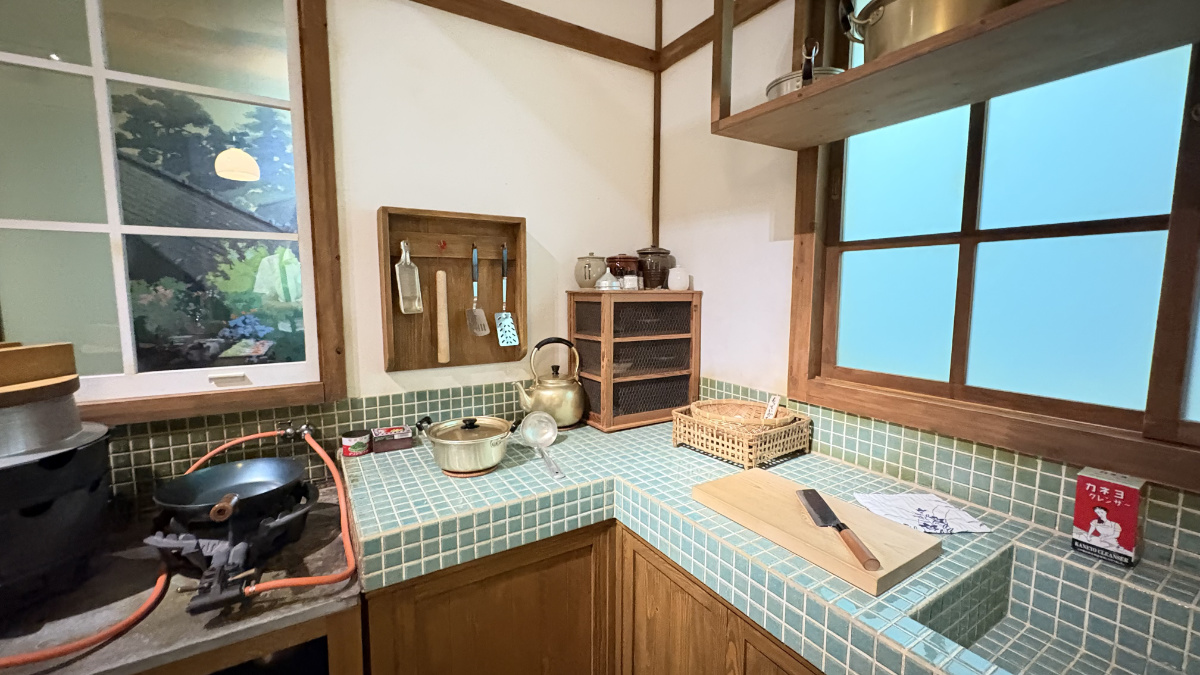
At the back of the kitchen are a tiled sink, cutting board, knives, and dishes.
Even the view outside the window has been recreated.
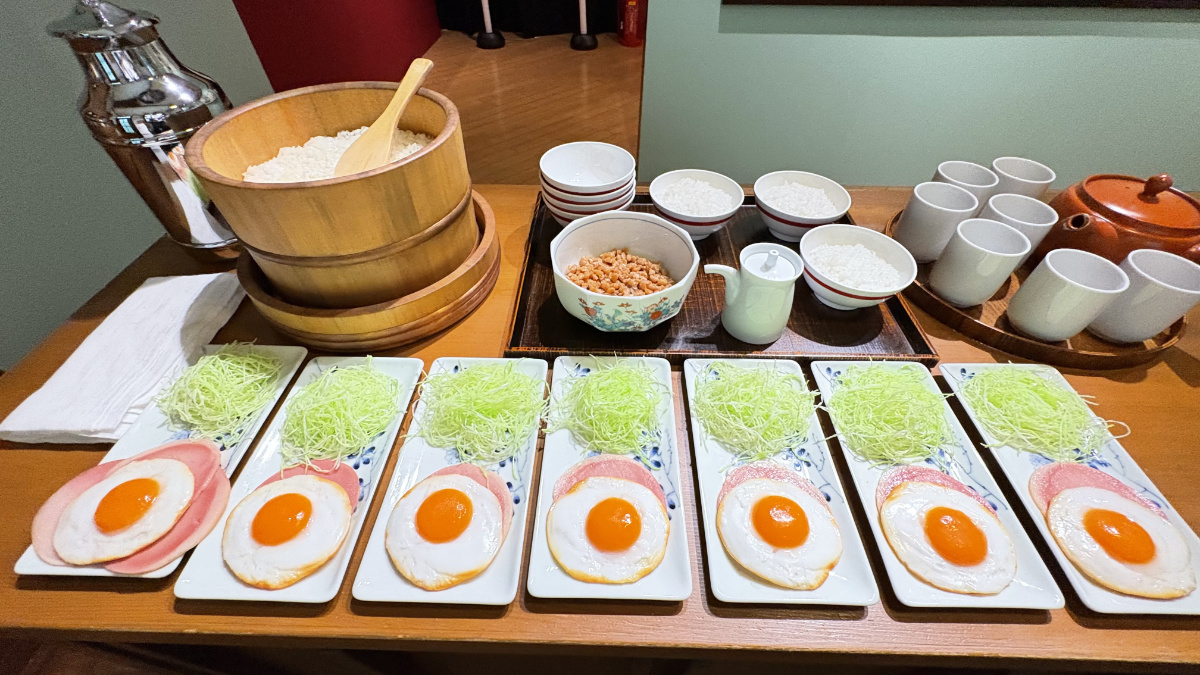
A dining table set with fried eggs and rice
The table is laid with fried eggs, rice, soup, chopsticks, and other items for each person.
Instead of looking at each dish separately, imagine who sits where and you can even sense the relationships within the family.
Enter the Tiger Moth’s galley and experience how narrow it is
In Castle in the Sky, the Tiger Moth is the airship that carries Sheeta and Pazu toward Laputa with Dola’s family.
In the exhibit, you pass through a round metal door and enter the galley. A screen beside the entrance shows scenes from the film and the ship’s interior layout.
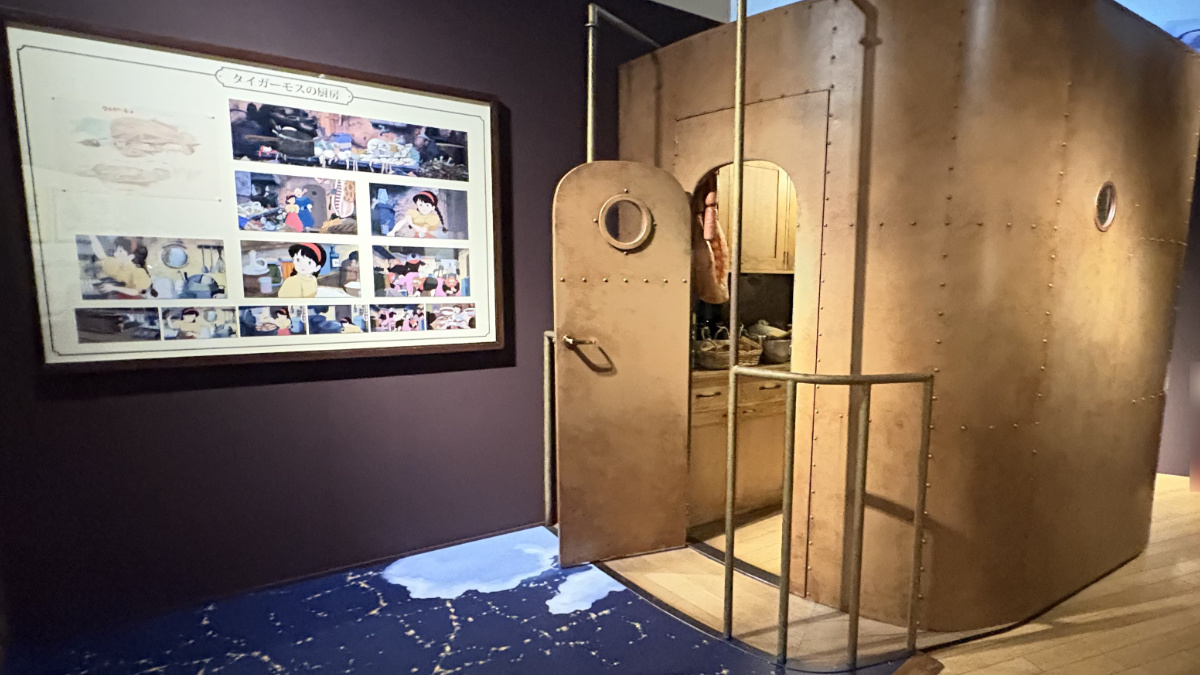
The interior is long and narrow, with cooking tools and ingredients arranged along the walls.
In the film, Dola’s sons gather under the pretense of helping Sheeta cook. Seeing the actual width makes it clear that once several people enter, it quickly becomes difficult to move.
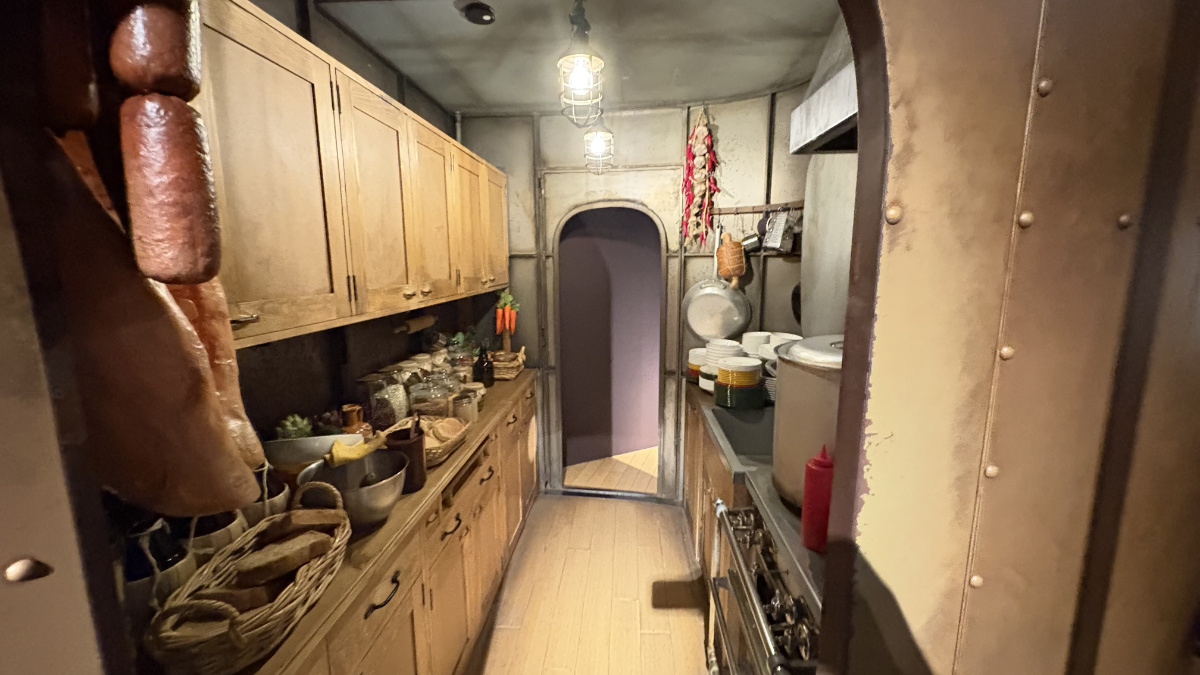
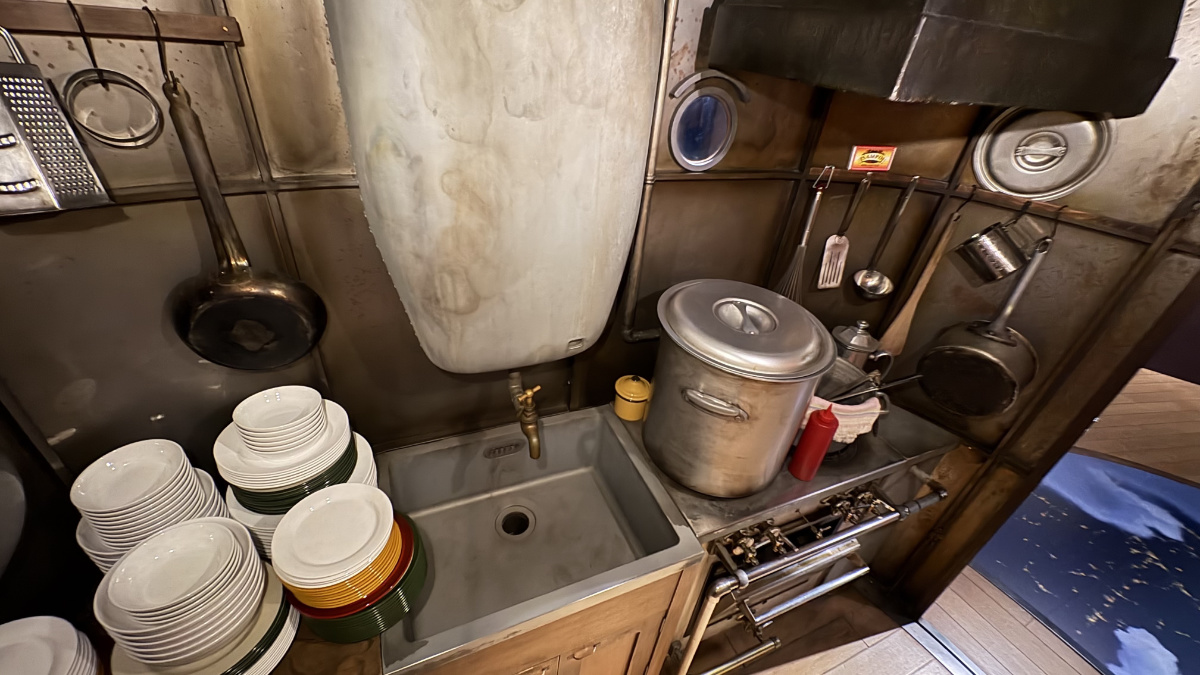
Stacks of plates, cups, pots, and seasonings surround the sink.
Although the galley supports meals for a large group, it also shows how efficiently the airship’s limited space is used.
In Castle in the Sky, there is a scene in which Sheeta cleans the extremely dirty galley.
The neatly arranged plates and gleaming sink reveal Sheeta’s meticulous nature.
Do not miss the Tiger Moth cross-section
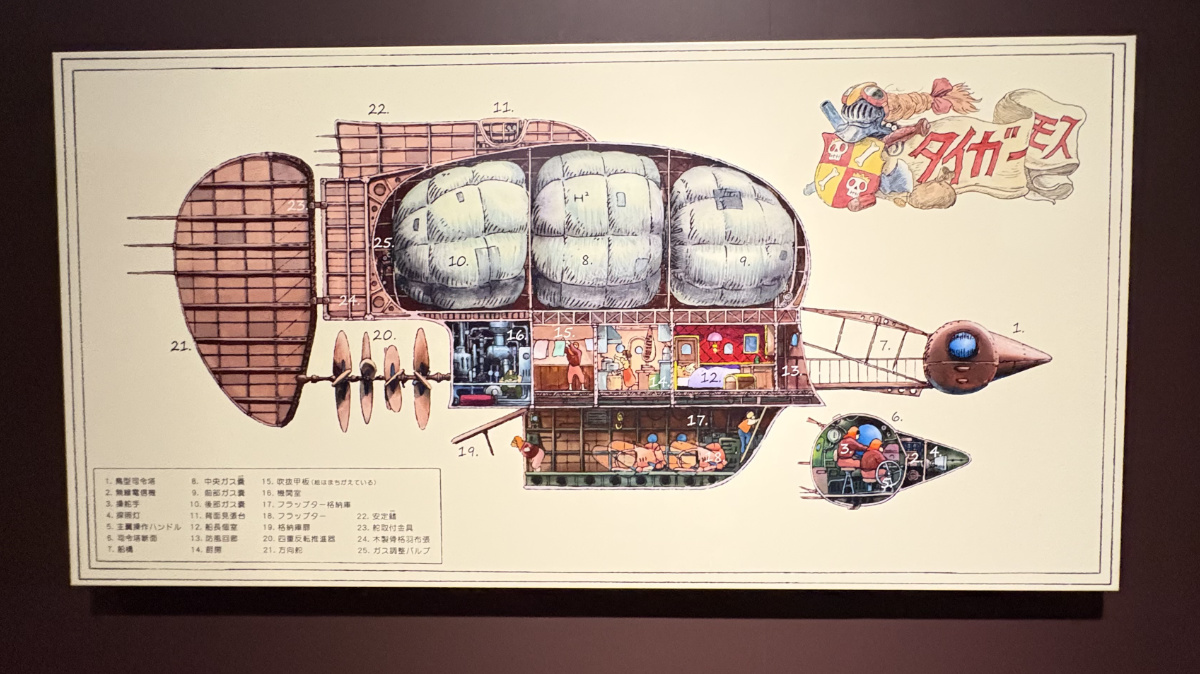
On the wall is a cross-sectional diagram showing the interior of the Tiger Moth from Castle in the Sky.
The galley you just visited is on the second level from the bottom, at the spot marked number 14 near the center.
Howl’s Moving Castle builds its bacon-and-eggs scene from many small movements
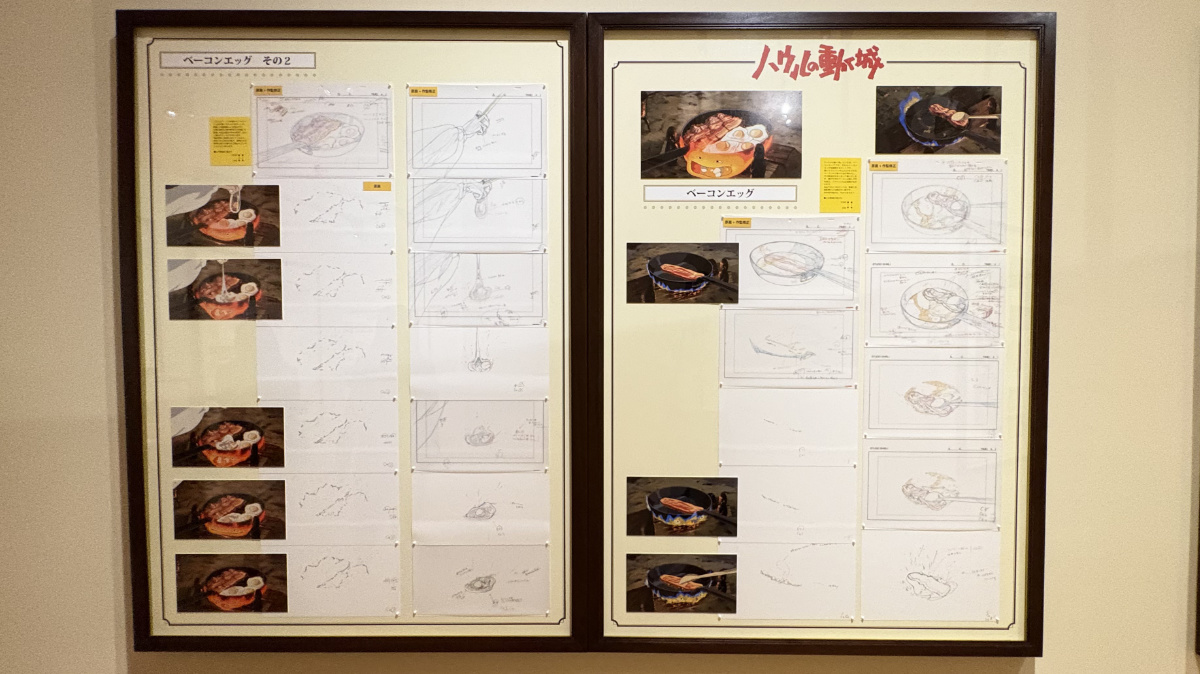
One of the most memorable moments in Howl’s Moving Castle is the scene in which bacon and eggs are cooked over Calcifer’s fire.
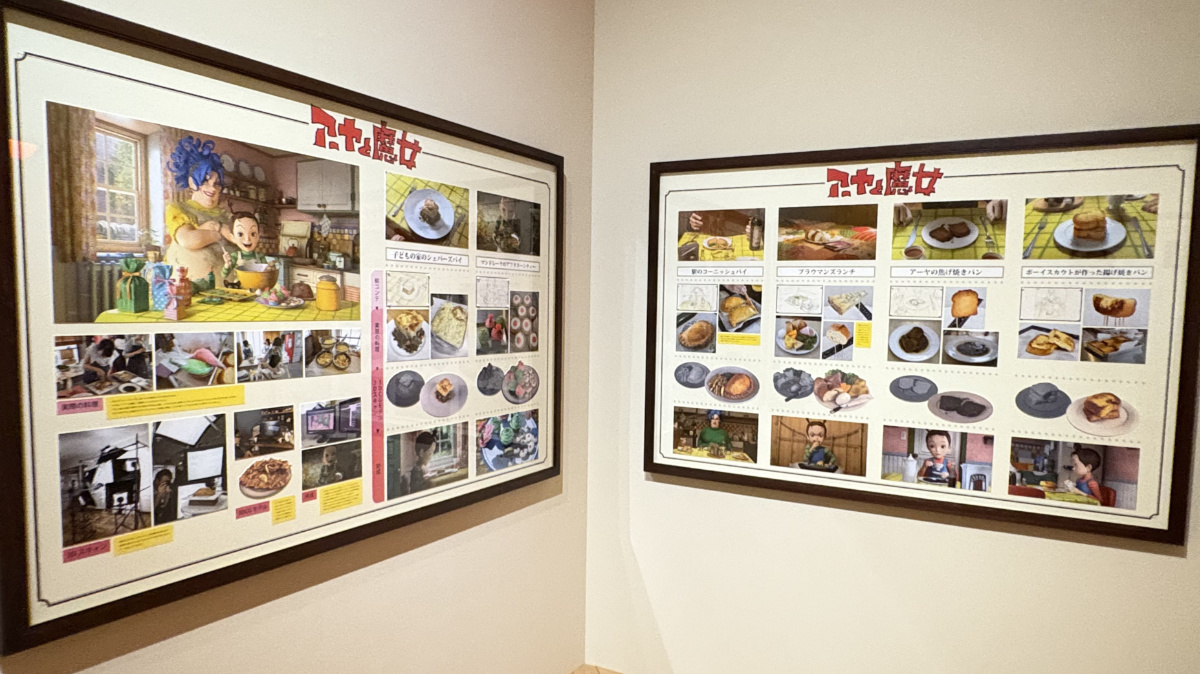
The explanation says that the bubbles in the oil and the eggs were drawn separately and then layered to create a single shot.
It is not only the finished plate but also the bubbles and subtle movement during cooking that convey the heat and sound of the frying pan. Check the production materials to see how the movement was divided among separate drawings.
Preparing the photographer is also important in “Ghibli’s Famous Scenes: Step Into the Movies”
In “Ghibli’s Famous Scenes: Step Into the Movies,” you do more than stand beside characters and models—you can enter the scene itself for your photo.
Those with a particular scene in mind may enjoy coordinating an outfit inspired by the character.
Castle in the Sky: rescuing Sheeta as she falls from the sky
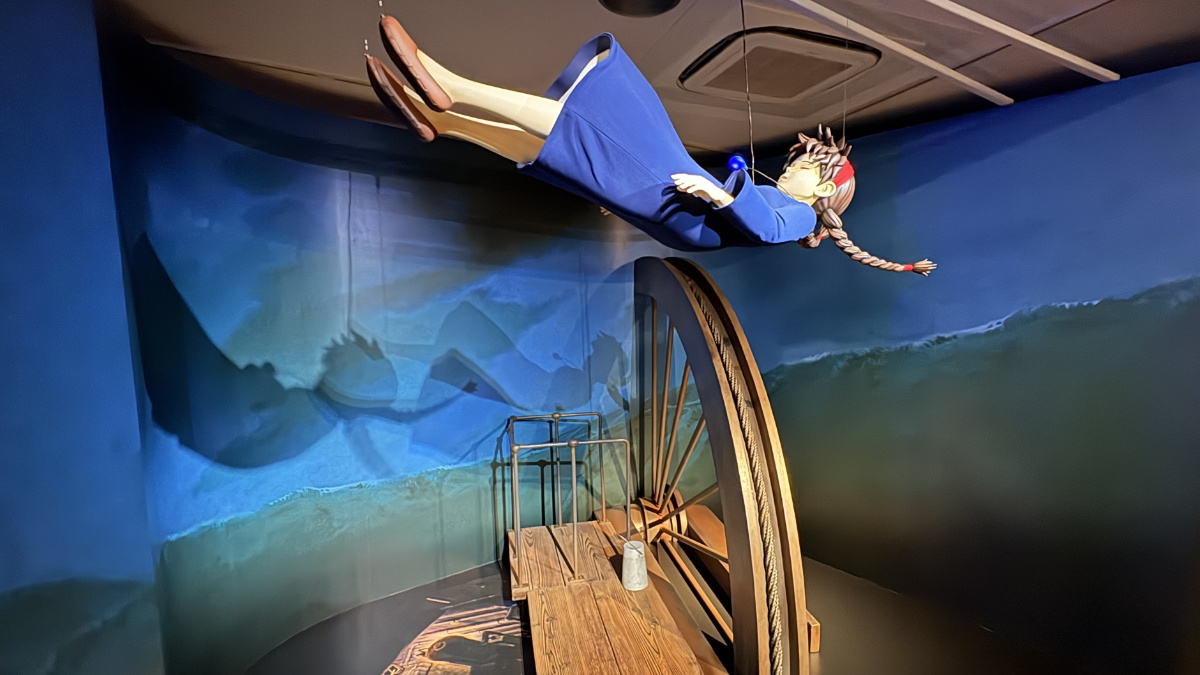
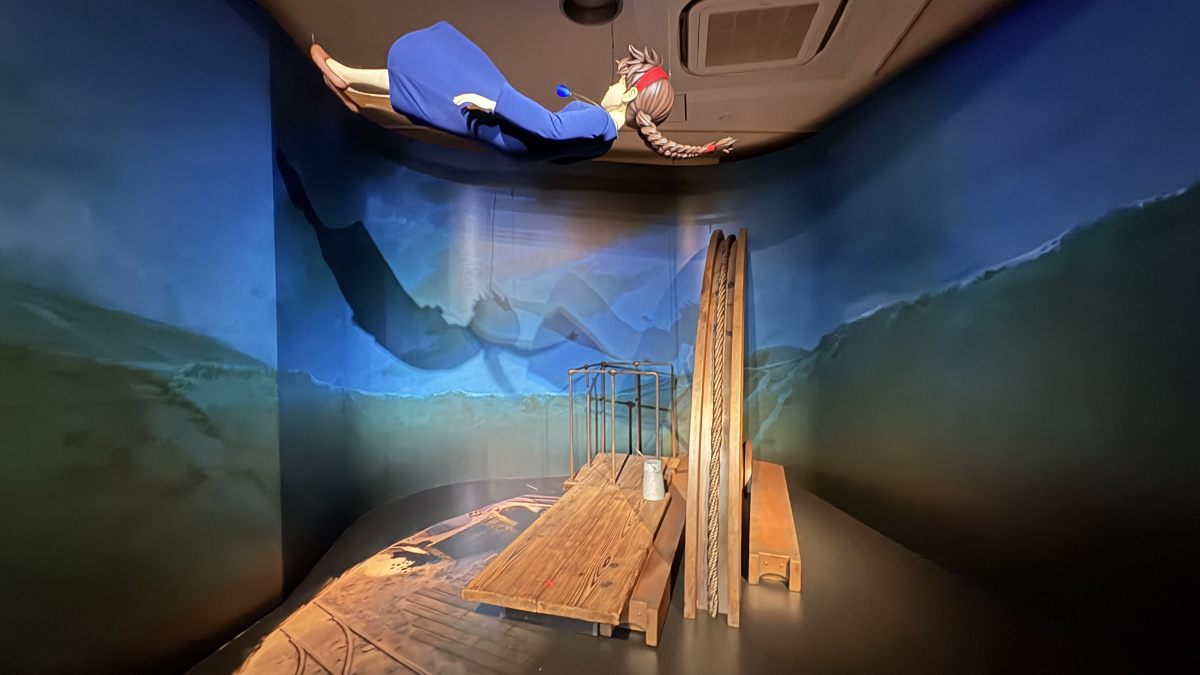
The Castle in the Sky exhibit recreates the scene in which Pazu catches Sheeta after she falls from an airship.
A wooden platform sits at your feet atop a machine resembling a mine elevator.
Because Pazu was returning with dinner in a mess tin, look closely at the platform and you will spot the container there.
Stand on the platform and reach toward Sheeta to take a photo that makes you look as though you have stepped into the rescue scene.
A dedicated staff member takes photos at this corner, helping you get a great shot.
Sit beside No-Face on the train over the sea
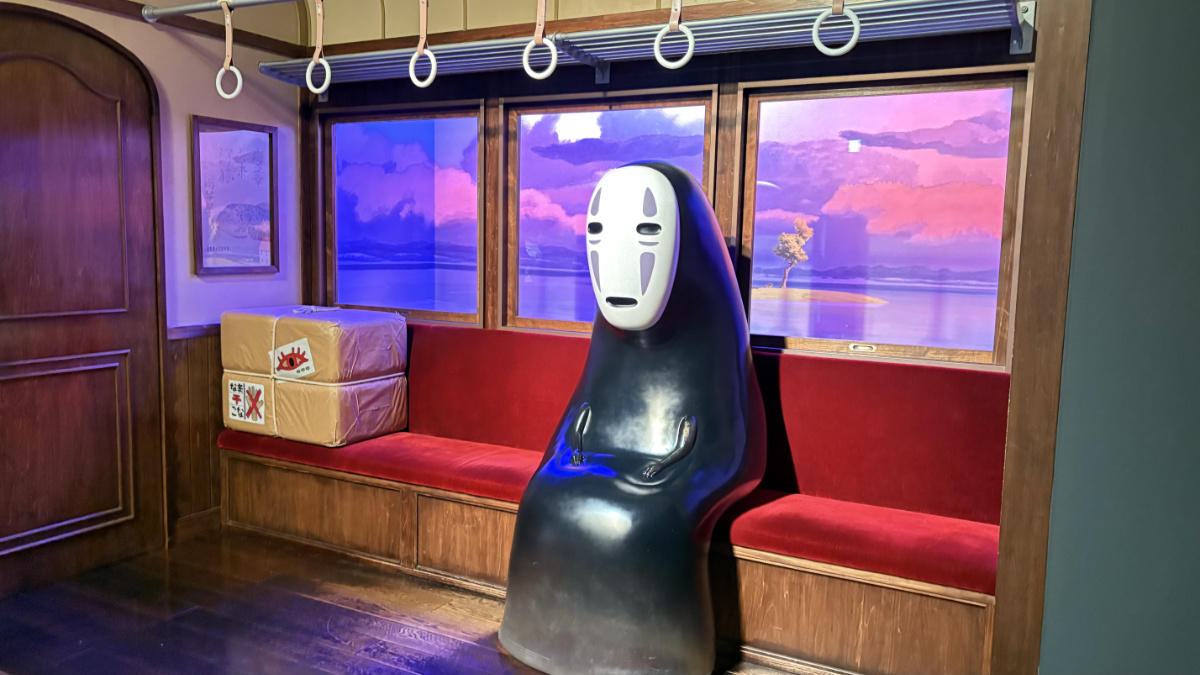
In the Spirited Away exhibit, you can sit on the red seat of the train traveling over the sea and take a photo beside No-Face.
The view outside the window is tinted with sunset colors, and even a straightforward front-facing photo captures the film’s quiet atmosphere.
The brightness changes depending on the timing.
Include not only No-Face beside you but also the luggage and the view through the window in the frame.
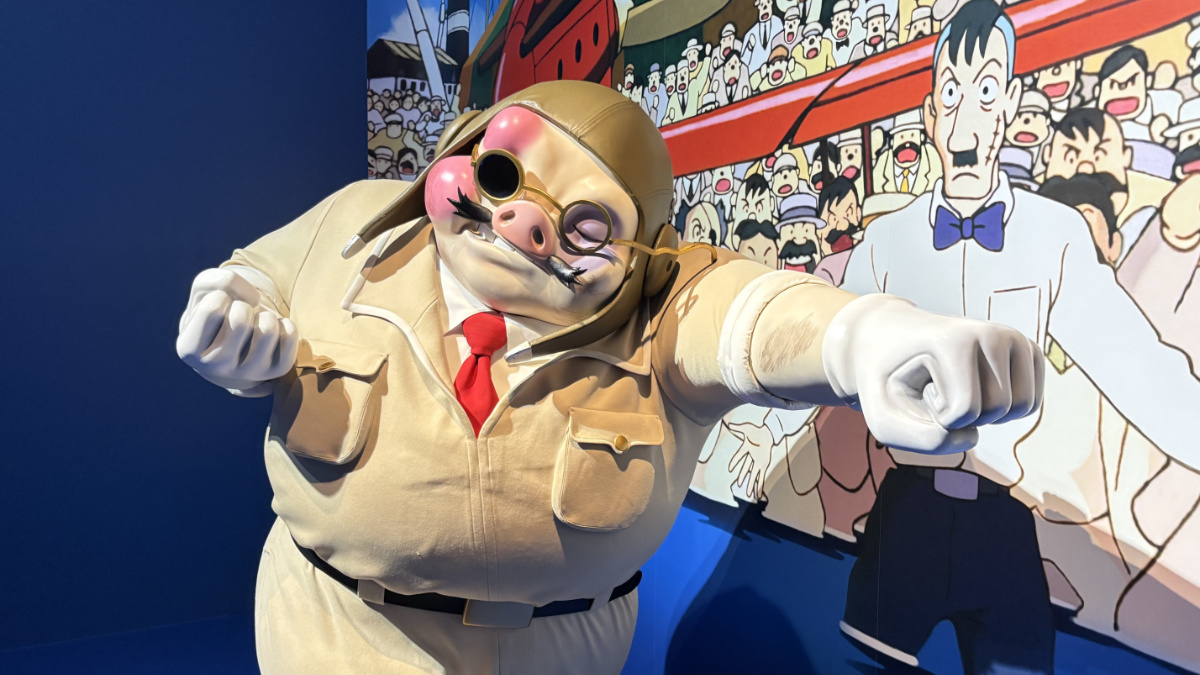
Try matching Porco’s pose in Porco Rosso
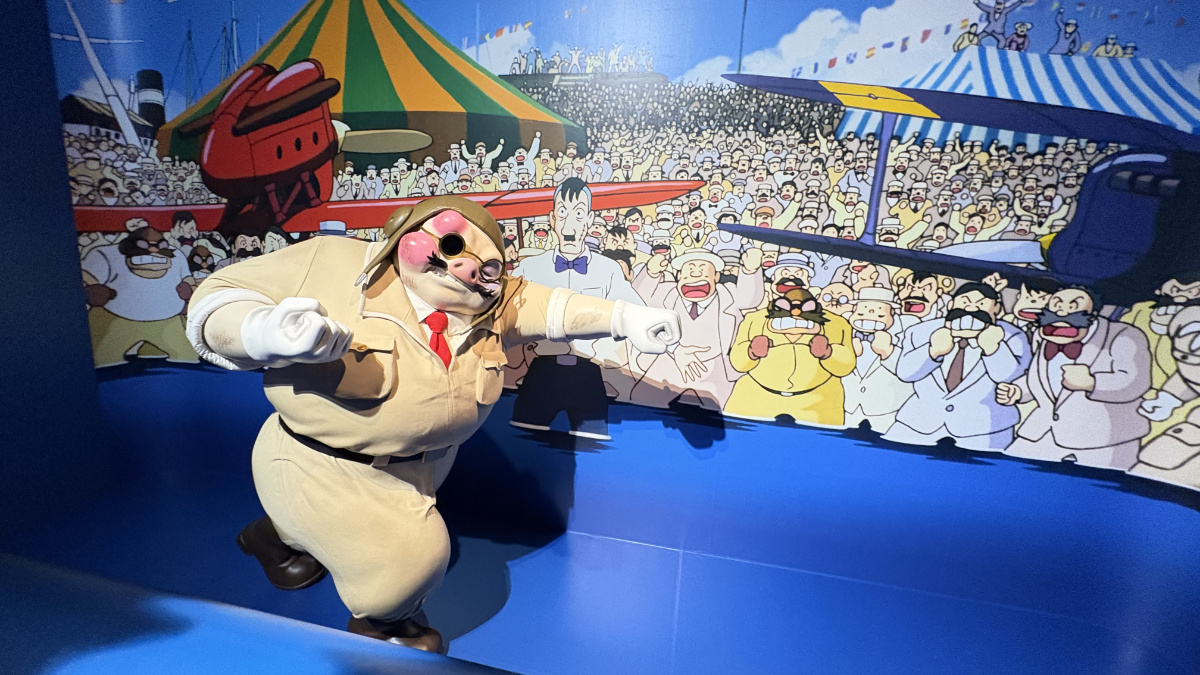
In the Porco Rosso exhibit, Porco stands before a backdrop evoking the venue of a seaplane competition.
A wide shot includes the spectators and seaplanes behind him, conveying the lively scene. Step in beside Porco and angle your arms and body like he does for a more dynamic photo than simply standing next to him.
Up close, you can appreciate fine details that shape his expression, including the folds in his clothing, gloves, goggles, and mustache.
Use the seaside depth in When Marnie Was There
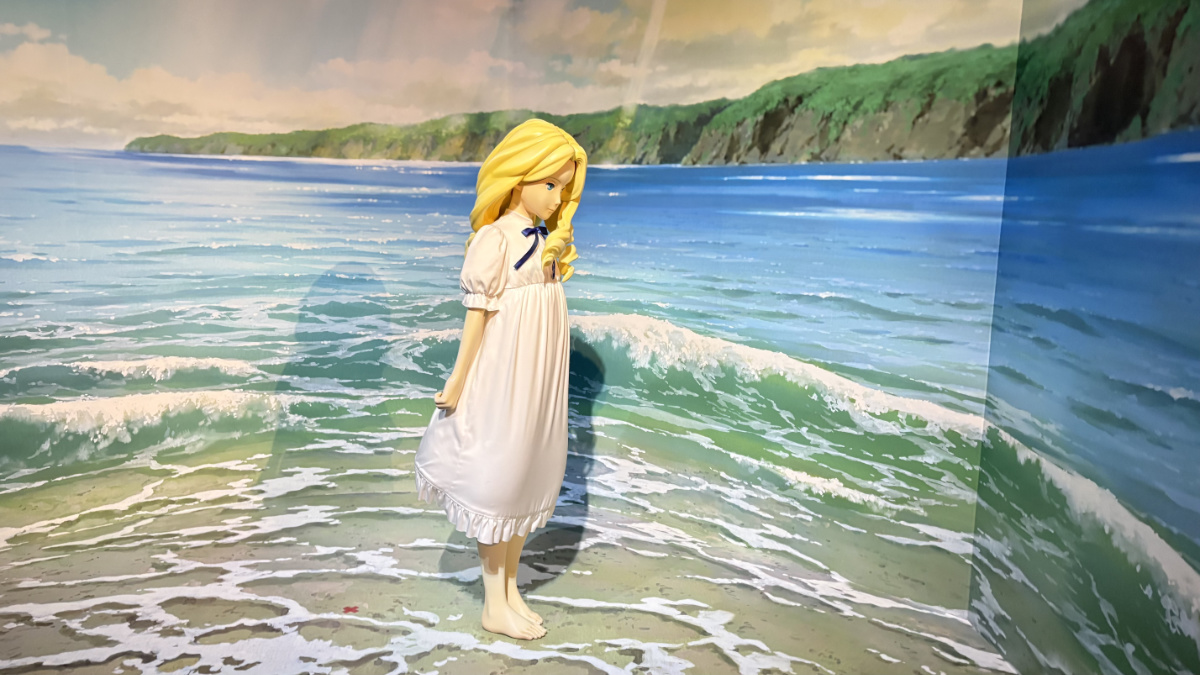
The When Marnie Was There exhibit lets you enter the same seaside space where Marnie stands.
The painted waves continue from the floor onto the wall, changing the appearance of the shoreline depending on your angle. Photographing from slightly off-center rather than straight on gives the person and waves a greater sense of depth.
View the giant Haku dragon near the end from afar and up close
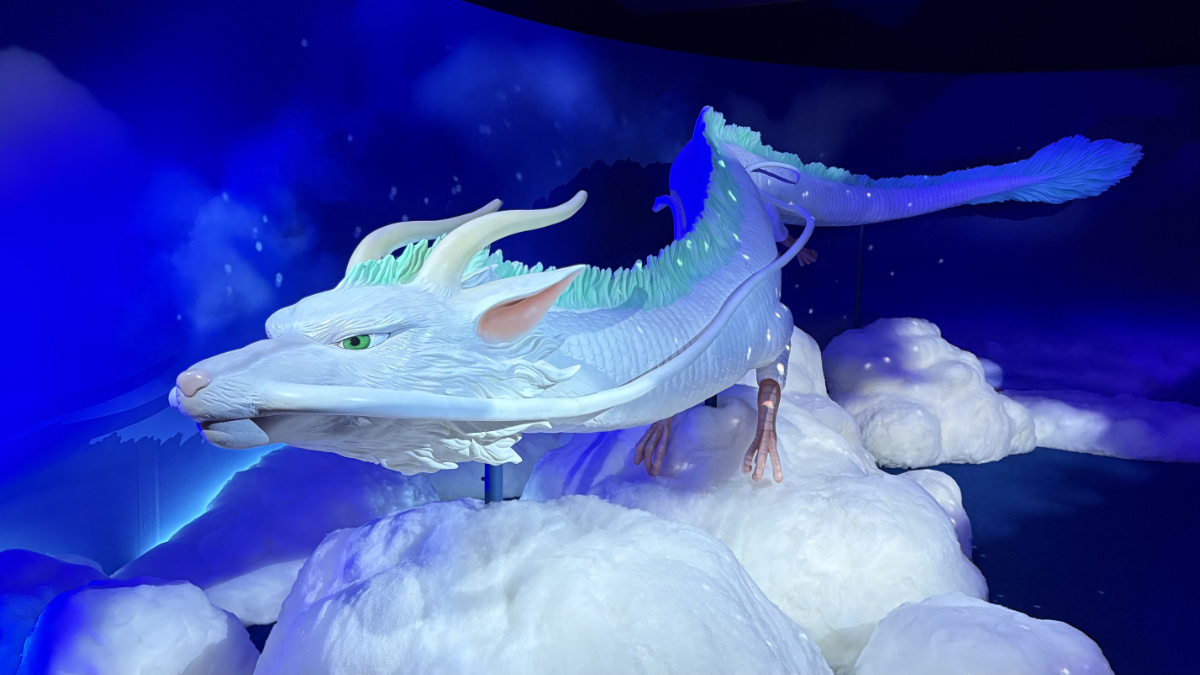
After the two special exhibitions, a giant Haku dragon from Spirited Away appears.
First unveiled at this exhibition, the three-dimensional model recreates Haku flying above clouds beneath a blue night sky. From a distance, you can appreciate the scale of his full body; up close, you can examine the fur, scales, whiskers, and legs.
An exhibition that makes you want to rewatch the films afterward
After seeing the expanded and revised “Drawing Food.,” you will begin noticing not only the names and shapes of dishes but also the hands that eat them, the movements of mouths, the tableware, and the size of the kitchens.
In “Ghibli’s Famous Scenes: Step Into the Movies,” you place yourself inside films you have watched. Sitting beside No-Face, striking Porco’s pose, and standing with Marnie by the sea let you physically sense the distance and scale within each scene.
One exhibition is for reading production materials, while the other invites you to participate through photography. Experiencing these two different approaches back to back can give you a fresh perspective even on films you already know.
↑ Tap the image twice to play the video
Frequently asked questions about the two special exhibitions
Is there a ticket for “Drawing Food.” only?
There is no separate ticket for the special exhibitions. They are viewed inside the Ghibli Park Exhibition together with Mini Ghibli Park and other displays.
Can I enjoy “Ghibli’s Famous Scenes: Step Into the Movies” by myself?
Each corner has a staff member dedicated to photography, so even solo visitors can have their picture taken.
Can children enjoy it even if they cannot read the text?
There are many exhibits that are easy to enjoy without reading, including three-dimensional food models, the Kusakabe family home, the food stall, and the Tiger Moth.
Is the Haku dragon inside “Ghibli’s Famous Scenes: Step Into the Movies”?
The giant Haku dragon is one of the highlights near the end of the exhibition. It is located in the “Ghibli’s Famous Scenes: Step Into the Movies” area.
After that, the route continues to the souvenir shop.
Tickets are not sold at the venue. Purchase them through the ticket website.
Purchase on Asoview: Ghibli Park Exhibition admission ticket
See these articles for the event dates, overview, and other details.
 Ghibli Park Exhibition Osaka: A Complete Guide to Little Ghibli Park for Adults Too
 Ghibli Park Exhibition Food Guide: Kusakabe Home, Tiger Moth, and Chihiro’s Food Stall

Make the latest USJ and Kansai event updates
easier to find on Google.
Latest Kansai Events & Festivals videos
 08:12Awa Odori 2026: Famous Aho-ren at Awa Gin Minami-Uchimachi Paid Performance Hall, Aug. 15 Final Day First Show
 40:36Gion Festival 2026: The Night the Deities Return to Yasaka Shrine | Kanko-sai Mikoshi Procession Highlights
 21:19Ghost in the Shell Exhibition 2026 Kobe: Creators Discuss the Appeal of the Series
 05:08Detective Conan Exhibition Osaka 30th Anniversary: Preview Report—Better Than Expected!
Popular article ranking





![Osaka Temperatures by Month | What to Wear at USJ for Morning-to-Night Temperature Swings [Women & Men]](https://happyell.co.jp/world/wp-content/uploads/2026/08/usj-osaka-temperature-clothingtitle-600x338.jpg)